Categorizing objects Normal Science Worksheets for Ages 7-9
3 filtered results
-
From - To
Explore our engaging "Categorizing Objects Normal Science Worksheets" designed for children ages 7-9! These worksheets encourage young learners to discover the importance of classification in science. By grouping different objects based on shared characteristics, students enhance their critical thinking and observational skills. Our interactive activities make learning fun while reinforcing essential concepts in biology, chemistry, and earth sciences. Teachers and parents can easily incorporate these worksheets into their lesson plans, providing children with valuable practice in sorting and categorizing. Foster curiosity and a love for science as kids develop their understanding of the natural world through these captivating exercises!
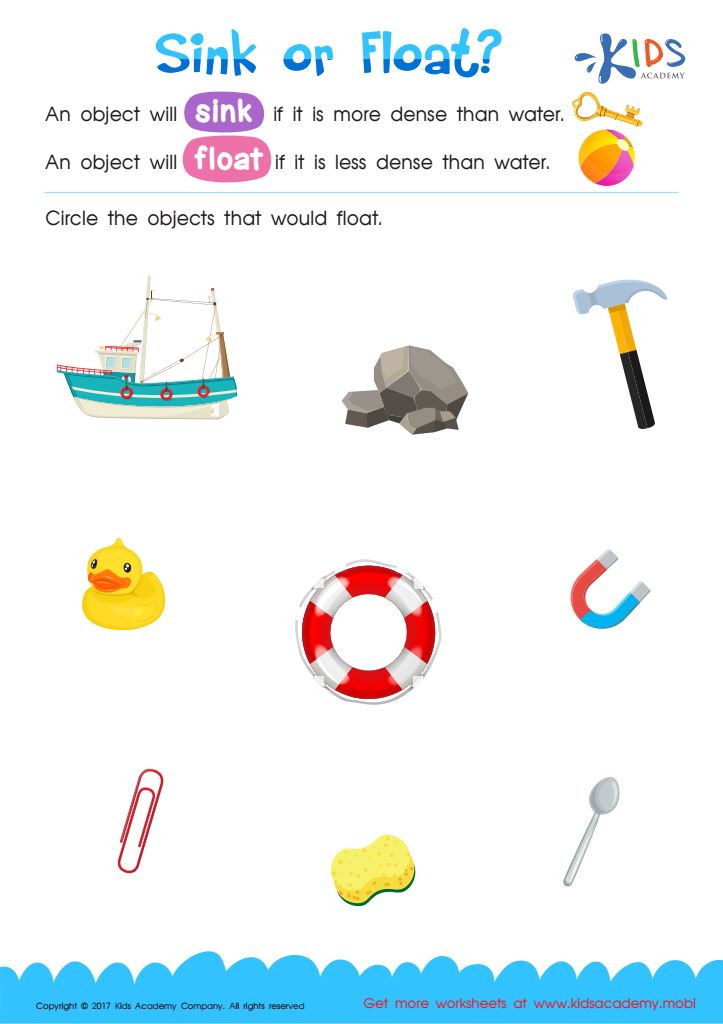
Sink or Float Printable
 Assign to My Students
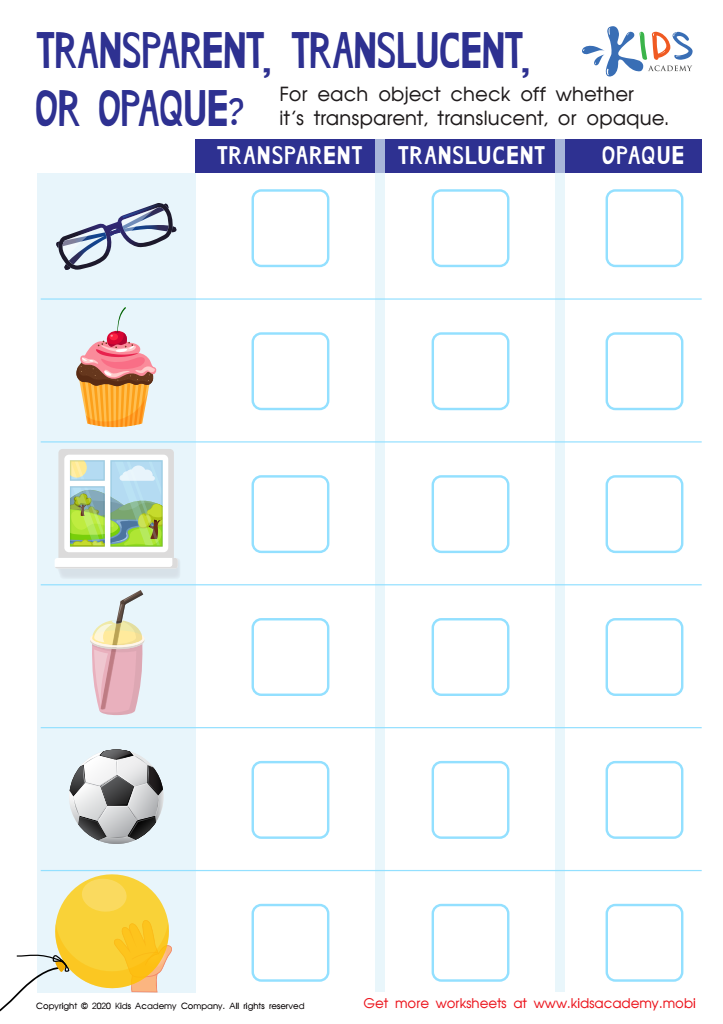
Transparent, Translucent, or Opaque Worksheet
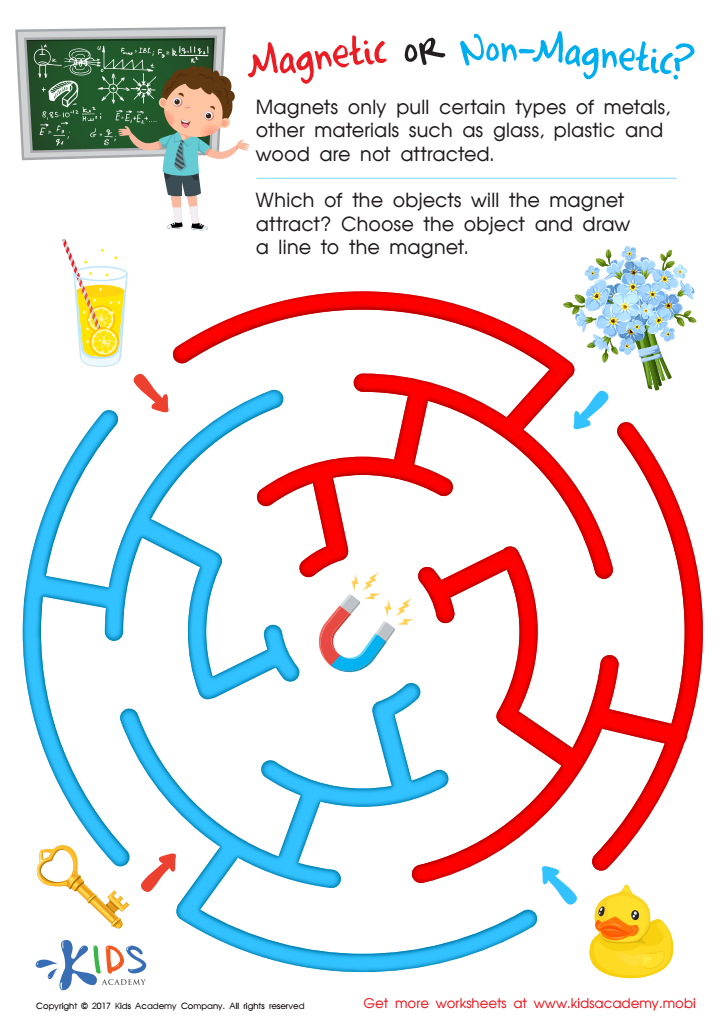
Magnetic or Non–Magnetic Worksheet


.jpg)




Categorizing objects is an essential part of early science education for children aged 7-9. At this stage, children are developing critical thinking and observational skills, which are vital for their comprehension of the world around them. By teaching them to categorize objects, parents and teachers help build a foundation for scientific inquiry.
Categorization enhances cognitive development, allowing children to group items based on similarities or differences, which fosters organized thinking. For instance, distinguishing between living and non-living, or classifying animals by habitat encourages exploration and curiosity about nature. This not only promotes scientific literacy but also supports development in related areas such as language and mathematics.
Furthermore, early engagement in scientific categorization encourages problem-solving skills and boosts confidence as they learn to classify and explain objects systematically. It bolsters collaborative skills as children often work in groups to categorize, promoting social interaction and teamwork. Overall, recognizing the importance of categorization in normal science helps nurture a love for discovery and lays the groundwork for continued interest in science and inquiry-based learning, which will benefit children academically and personally throughout their lives.







