Identifying Animals Normal Science Worksheets for Ages 7-9
3 filtered results
-
From - To
Discover fun and engaging science worksheets designed for children aged 7-9 that focus on identifying animals! Our printable worksheets are perfect for home or classroom use, incorporating vibrant illustrations and relatable examples to capture young learners' interest. Students will explore various animal classifications, habitats, and characteristics through activities that promote critical thinking and enhance observation skills. Ideal for supporting curriculum goals and reinforcing knowledge, these resources encourage kids to be curious about the natural world while honing their academic abilities. Visit our page to access quality materials that inspire a love for science and help young minds thrive!
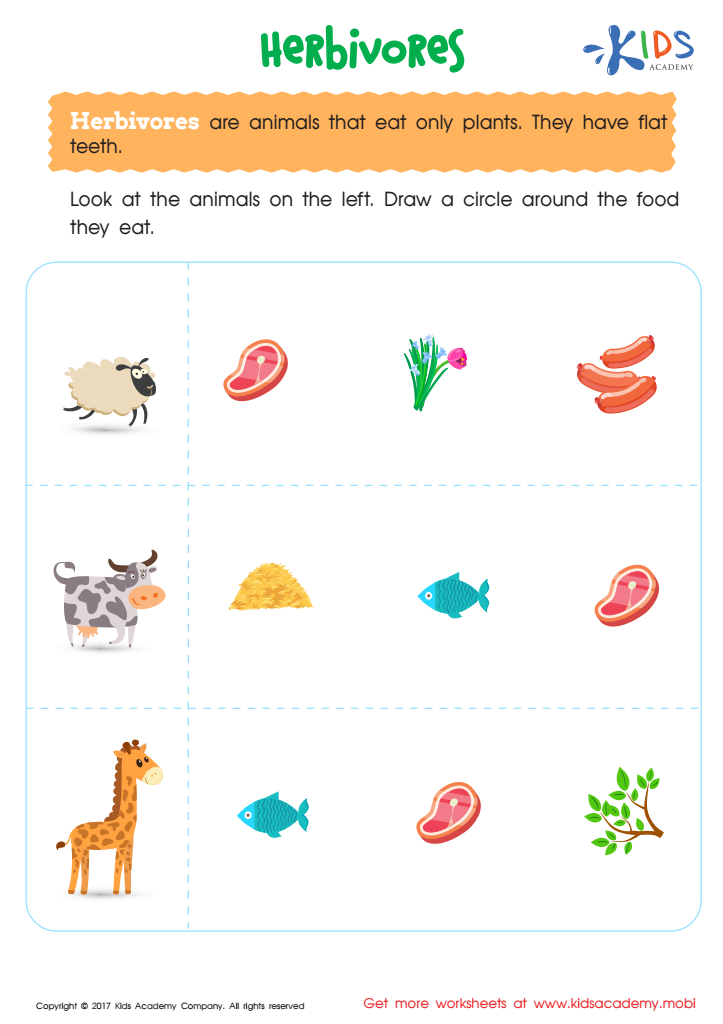
Herbivores Printable
 Assign to My Students
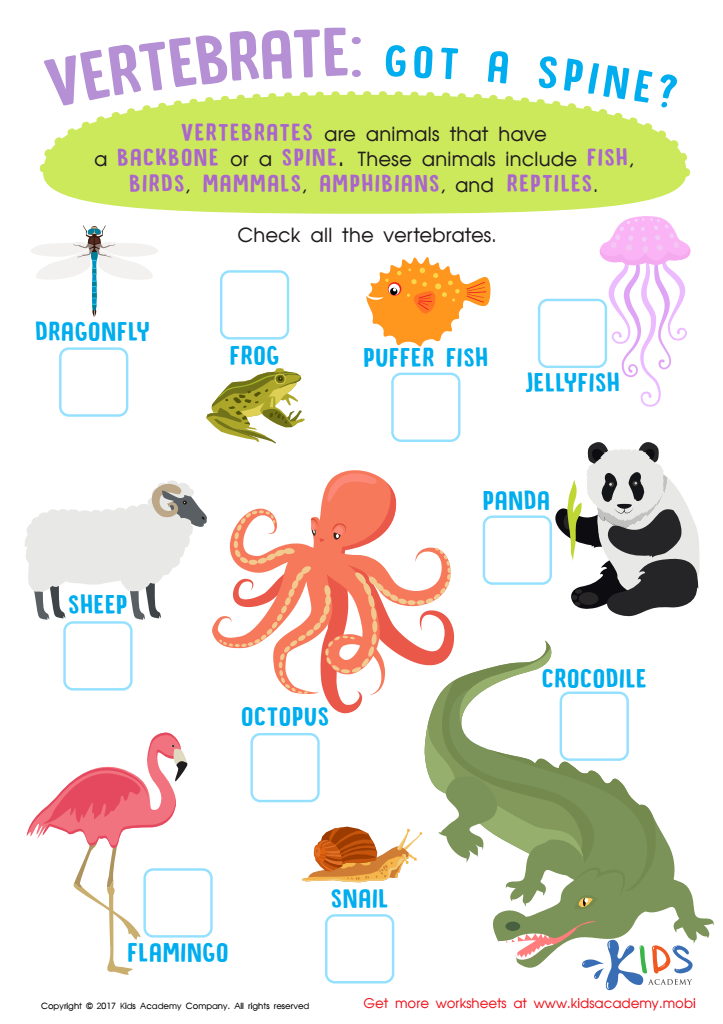
Vertebrates Animals Worksheet for 3rd Grade
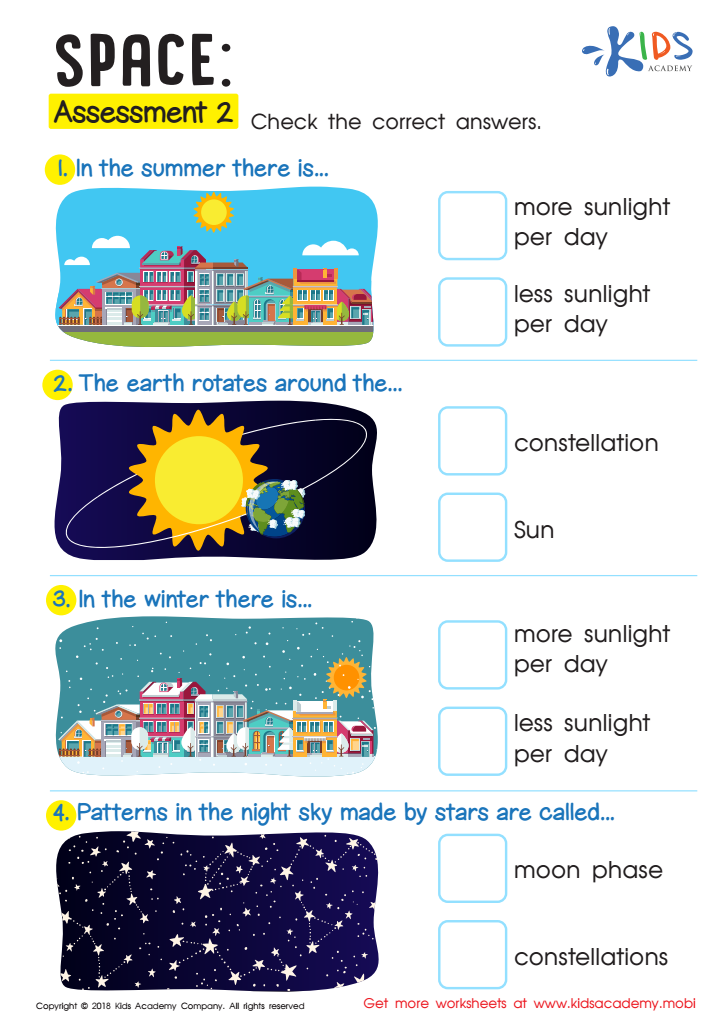
Space: Assessment 2 Worksheet








Identifying animals is a foundational aspect of science education for children aged 7 to 9. During these formative years, children develop critical observational skills and a sense of curiosity about the natural world. Learning to identify different animals not only enhances their understanding of biodiversity but also fosters appreciation for the environment. Engaging with animal identification encourages children to ask questions, think critically, and explore their surroundings, embodying the essence of scientific inquiry.
Moreover, knowing about animals contributes to children's comprehension of ecosystems and the interdependence of life forms. Discussions about habitats, diet, and behaviors foster connections to broader topics such as conservation and environmental responsibility. By caring about this aspect of science, parents and teachers can truly inspire a generation of informed and engaged citizens.
Involving children in hands-on activities, such as nature walks, classroom projects, or interactive games, makes learning enjoyable and impactful. This can ignite a passion for science, paving the way for future academic pursuits. Ultimately, when parents and teachers show enthusiasm for identifying animals, they cultivate a sense of wonder in children, helping them build confidence, knowledge, and a lifelong desire to learn about the natural world.







