Logical Reasoning Normal Science Worksheets for Ages 7-9
4 filtered results
-
From - To
Enhance your child’s scientific brilliance with our "Logical Reasoning Normal Science Worksheets for Ages 7-9." Tailored to ignite curiosity, these worksheets promote critical thinking and problem-solving skills using engaging, age-appropriate activities. Each worksheet focuses on foundational science concepts, challenging students to analyze information, recognize patterns, and draw accurate conclusions. Ideal for classroom and home use, these resources support curriculum goals while making learning enjoyable. Perfect for young learners ready to explore the fascinating world of science through logical reasoning, ensuring they grasp essential principles while having fun. Empower your kids today with features designed for their developmental stage!
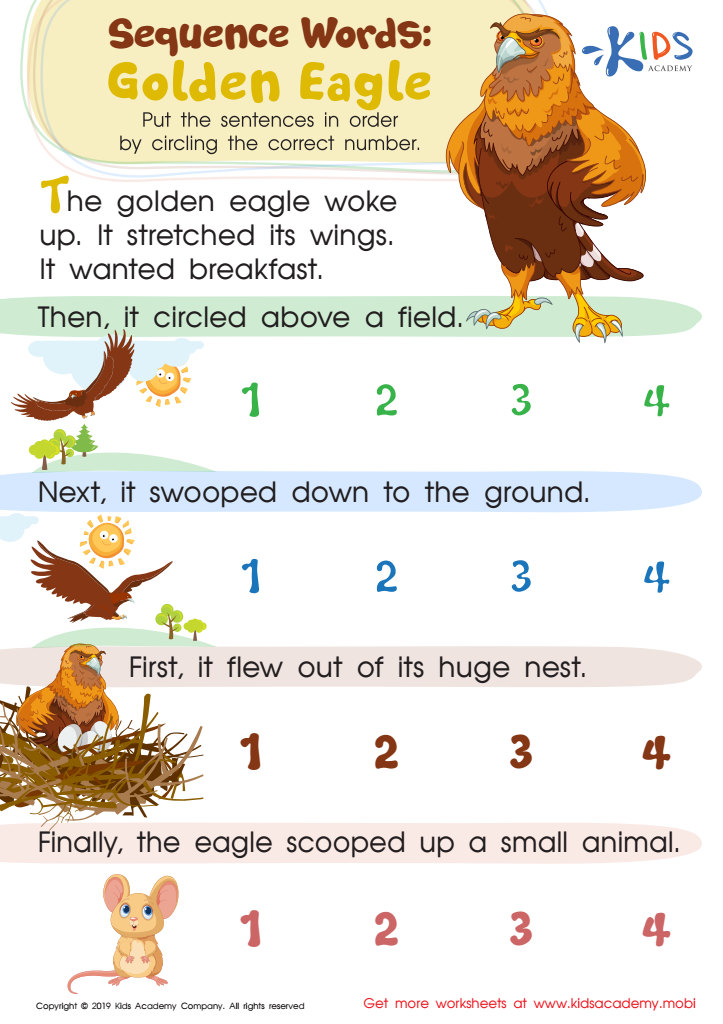
Sequence Word Eagle Worksheet
 Assign to My Students
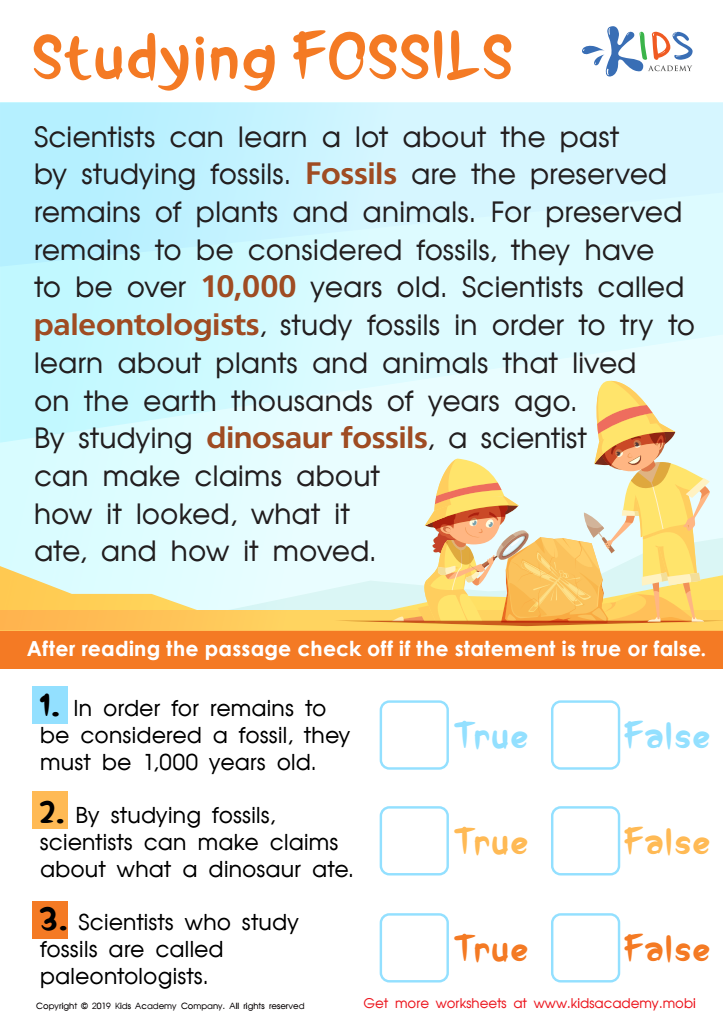
Studying Fossils Worksheet
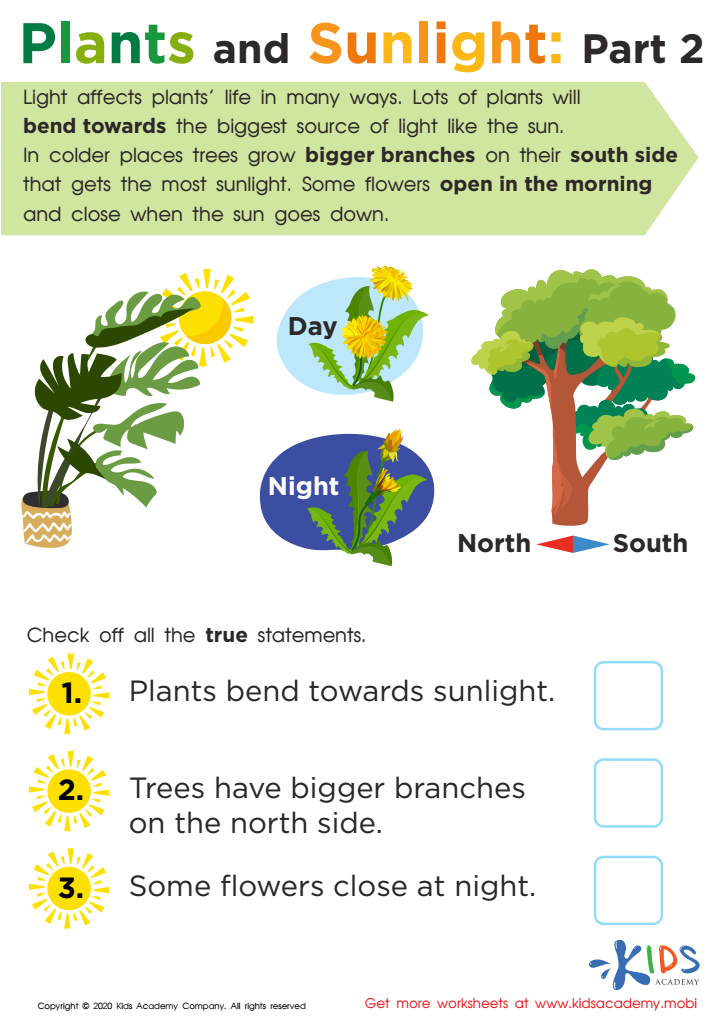
Plants and Sunlight: Part 2 Worksheet
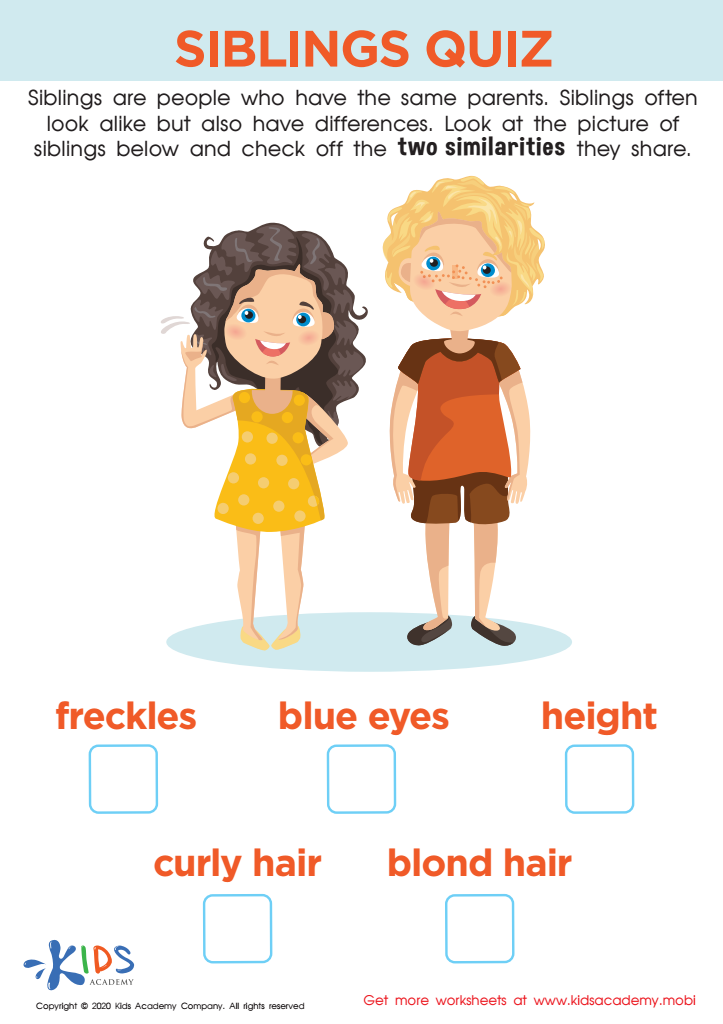
Siblings Quiz Worksheet







Logical reasoning and understanding basic principles of science are essential skills for children ages 7-9 as they lay the foundation for lifelong learning and problem-solving abilities. At this formative stage, children are naturally curious and constantly exploring the world around them, making it an ideal time to introduce concepts of logical reasoning.
First and foremost, logical reasoning enhances cognitive development. It helps children learn how to think critically, analyze situations, and make informed decisions. This type of thinking is not only crucial in science but across all subjects and daily life activities. For example, logical reasoning helps children understand cause-and-effect relationships, which is vital for grasping scientific concepts such as gravity or the water cycle.
Engagement with normal science, such as simple experiments and observations, stimulates curiosity and fosters a love for learning. When children successfully conduct experiments or solve problems using logical steps, they gain confidence in their abilities. This confidence can drive their academic motivation and persistence.
Furthermore, these skills are crucial for future academic success. As students progress through school, the challenges they face in math, science, and even literature will increasingly require a strong foundation in logical reasoning. Early competence in these areas positions children to excel in STEM fields and cultivates a mindset prepared to tackle complex, real-world problems.
In conclusion, logical reasoning and basic science knowledge for ages 7-9 not only support cognitive and academic growth but also instill a lifelong zeal for learning and exploration.







