Observational skills development Normal Science Worksheets for Ages 7-9
3 filtered results
-
From - To
Enhance your child's observational skills with our engaging Normal Science Worksheets designed for ages 7-9! These worksheets offer fun, age-appropriate activities that encourage young learners to observe, compare, and analyze their surroundings. Through hands-on exercises and interactive tasks, children will develop critical thinking skills while exploring the wonders of science. Our thoughtfully crafted materials support the early science curriculum, making learning both enjoyable and effective. Perfect for home or classroom use, these worksheets aim to foster curiosity and improve attention to detail. Give your child the tools to become a young scientist today with our Observational Skills Development Worksheets!
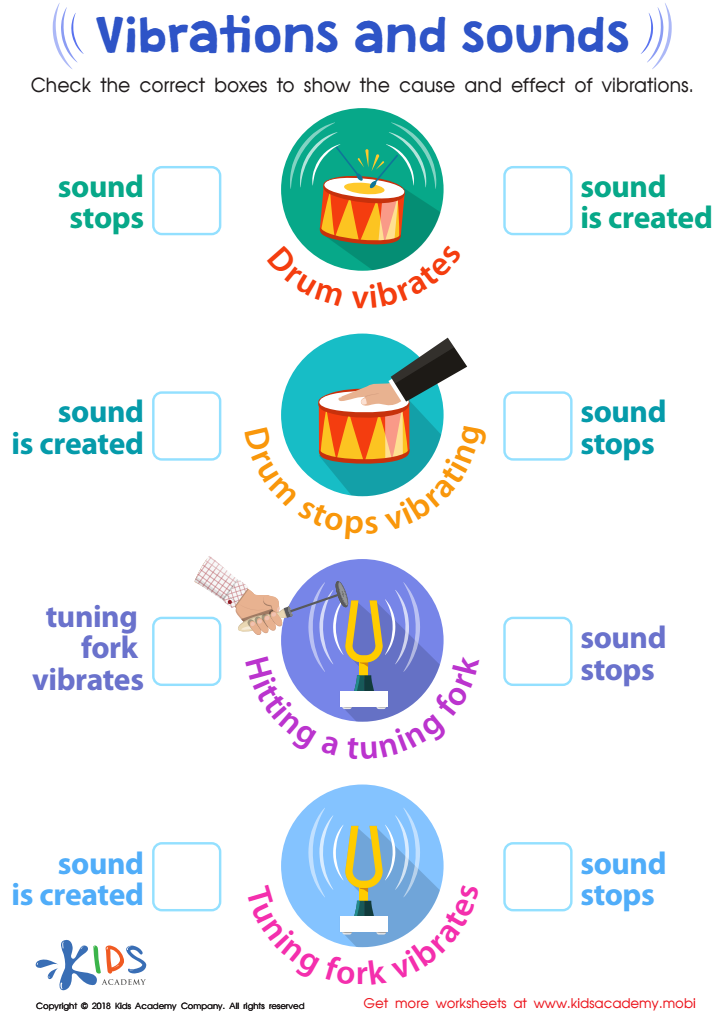
Vibrations and Sounds Worksheet
 Assign to My Students
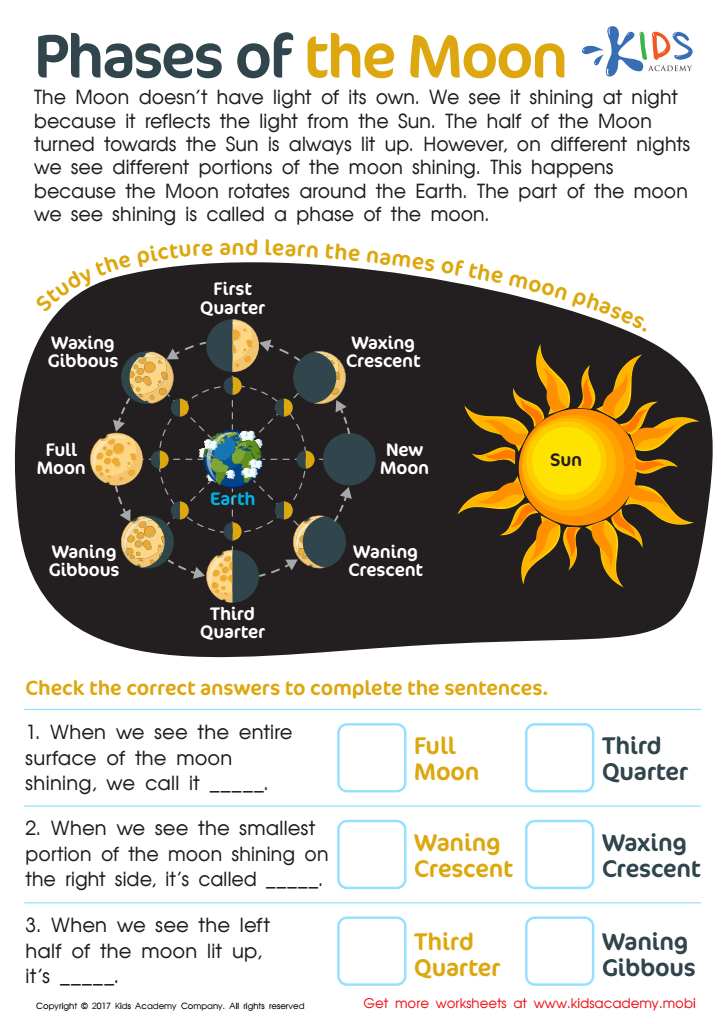
Phases of The Moon Worksheet
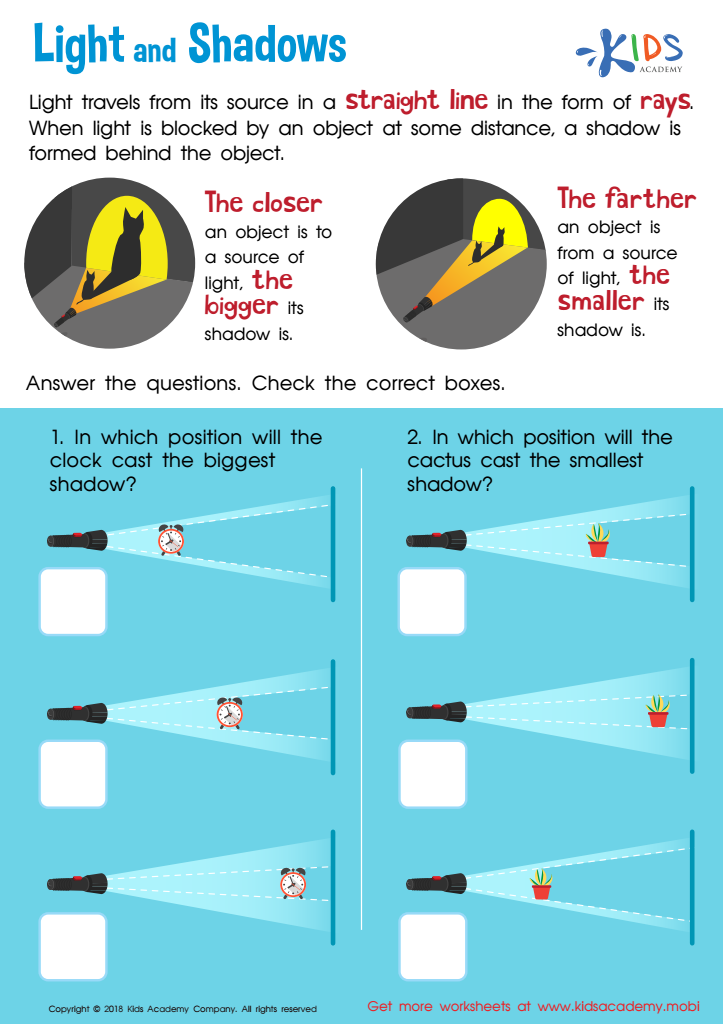
Light and Shadow Worksheet for Grade 3







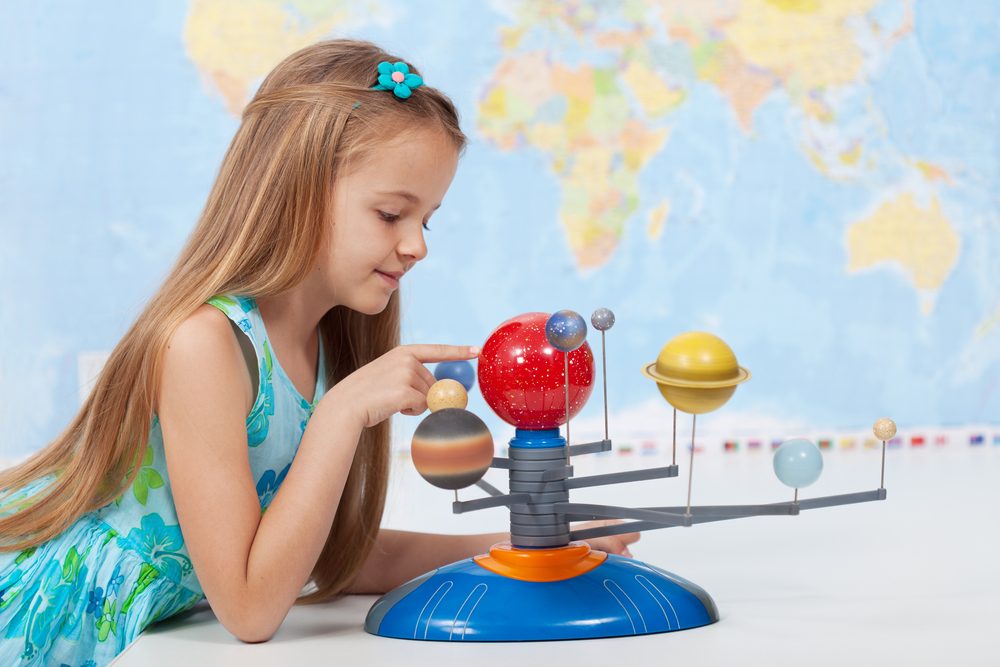
Observational skills are foundational for children's understanding of the world and the development of critical thinking. For children aged 7-9, this is a prime age for honing these skills, which form the bedrock for normal science—a process of inquiry that involves asking questions, making predictions, and drawing conclusions based on observations.
Parents and teachers should prioritize observational skill development as it fosters curiosity and encourages children to learn through discovery. Children with strong observational skills can better analyze their surroundings, articulate their thoughts, and make connections between concepts, strengthening their understanding across subjects, especially science.
Engaging in regular observational activities, such as nature walks or simple experiments, not only enhances a child's scientific literacy but also facilitates deeper engagement with both the physical and social worlds. By encouraging careful observation, adults help children develop the ability to notice details, consider different perspectives, and think critically about information.
Moreover, these skills are essential for problem-solving and innovation, preparing children for future academic success and informed citizenship. In an era where analytical skills are increasingly valued, fostering observational skills lays a strong foundation for lifelong learning, ensuring that children are not only consumers of information but also thoughtful explorers and contributors to their communities.







