Vocabulary Building Normal Plants and Animals Worksheets for Ages 7-9
5 filtered results
-
From - To
Boost your child's vocabulary with our engaging Vocabulary Building Worksheets! Designed for ages 7-9, these printables focus on normal plants and animals, helping young learners enhance their understanding of the natural world. Packed with fun and educational activities, each worksheet builds important science and language skills by introducing key terminology in an accessible, age-appropriate manner. Perfect for classroom use or home practice, these resources will ignite curiosity and foster a deeper comprehension of plant and animal biology, setting a strong foundation for future scientific learning. Printable and easy to use, they’re a must-have addition to any education toolkit!
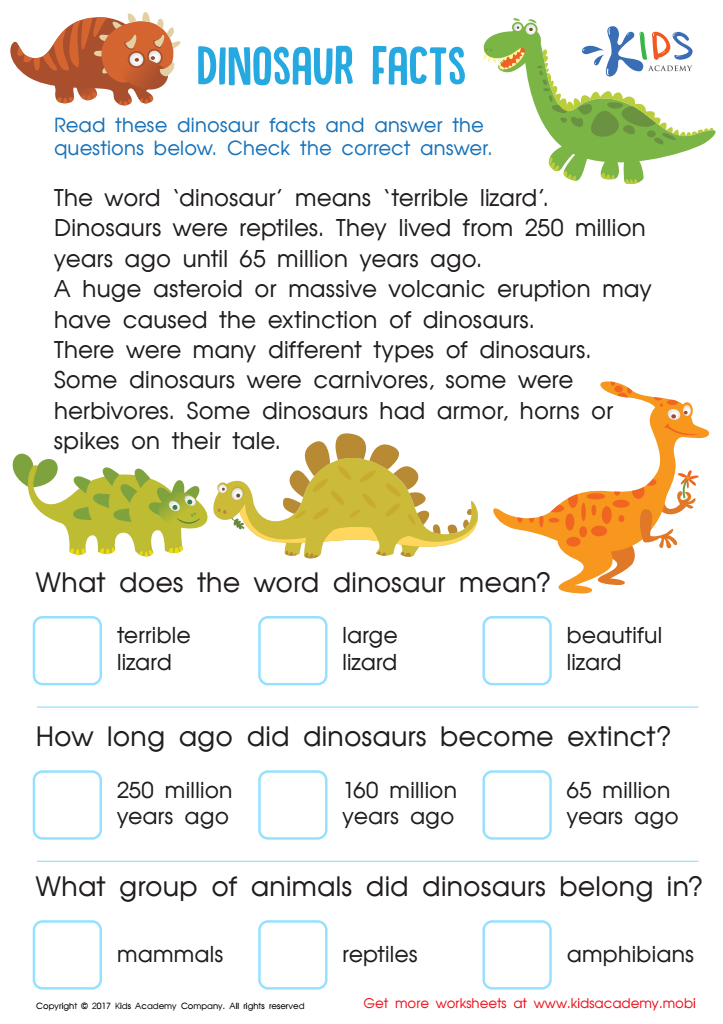
Dinosaur Facts Worksheet
 Assign to My Students
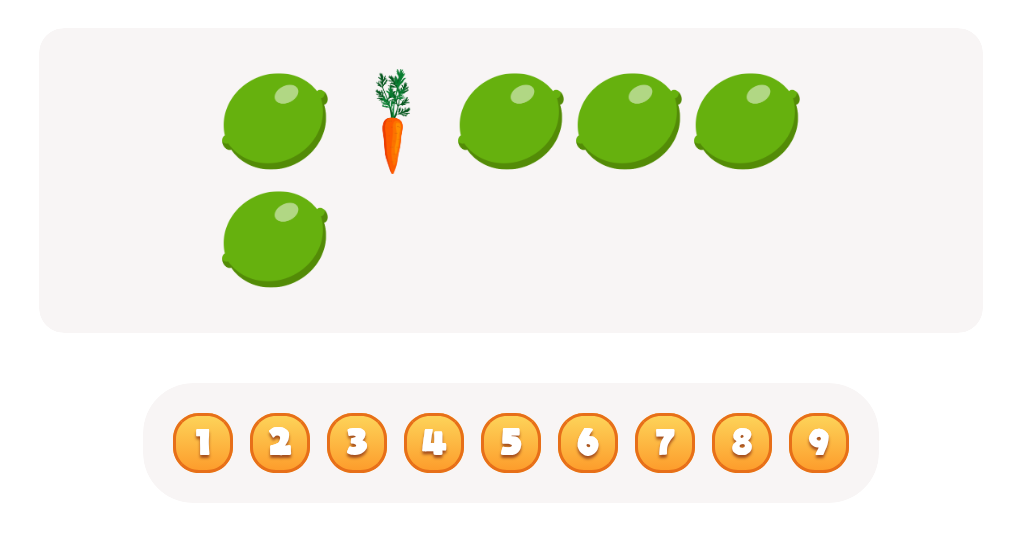

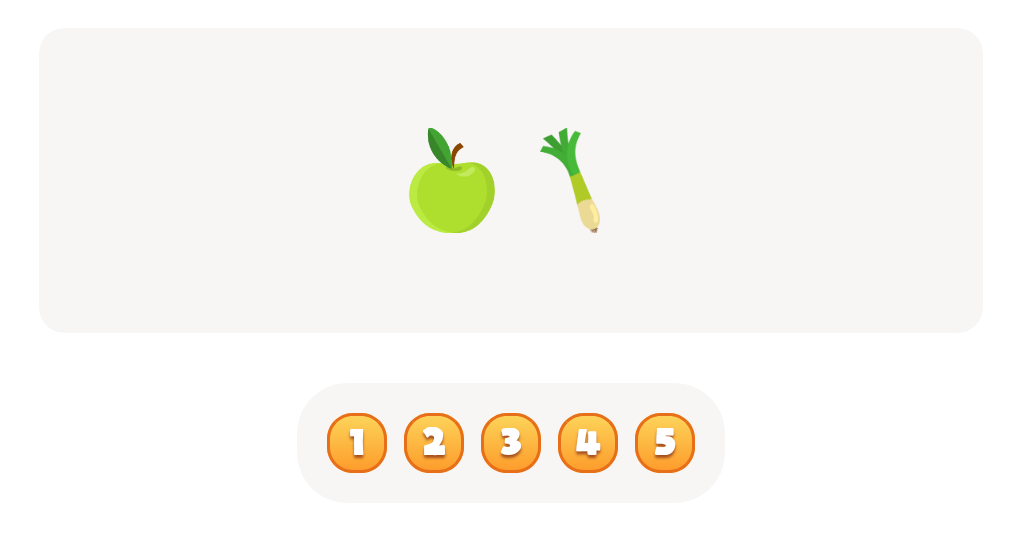
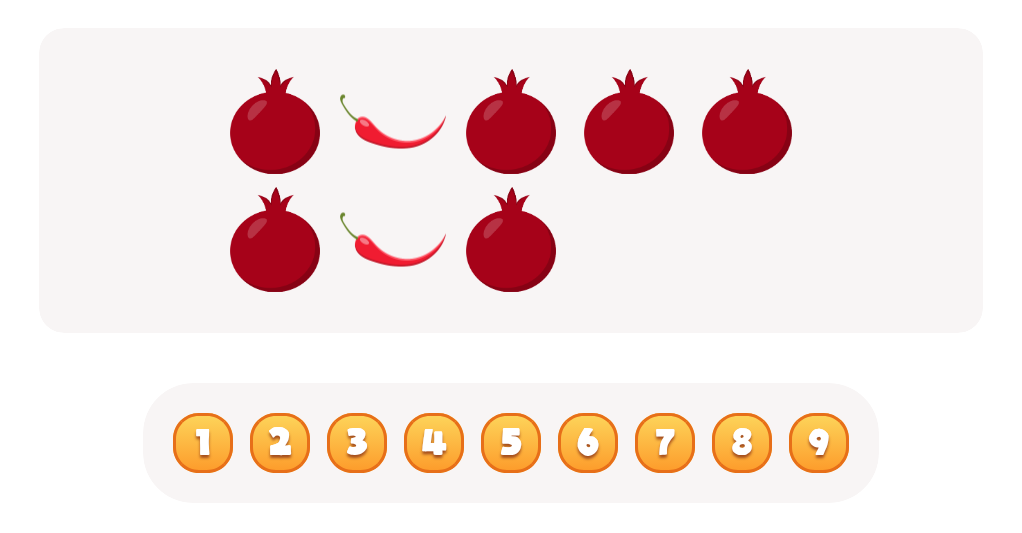
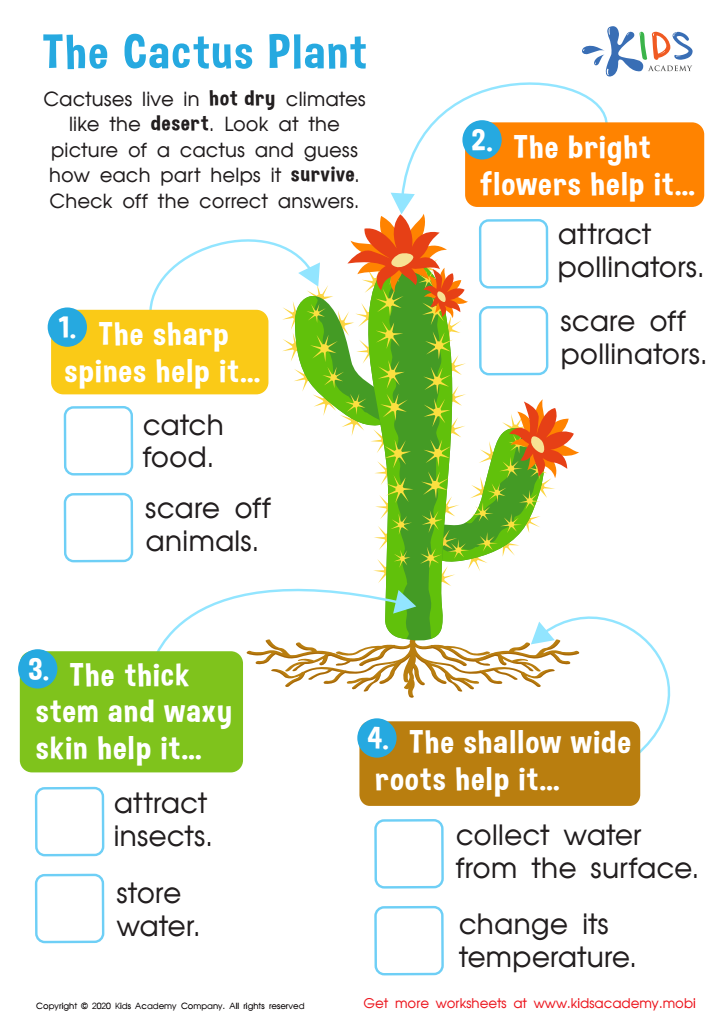
The Cactus Plant Worksheet
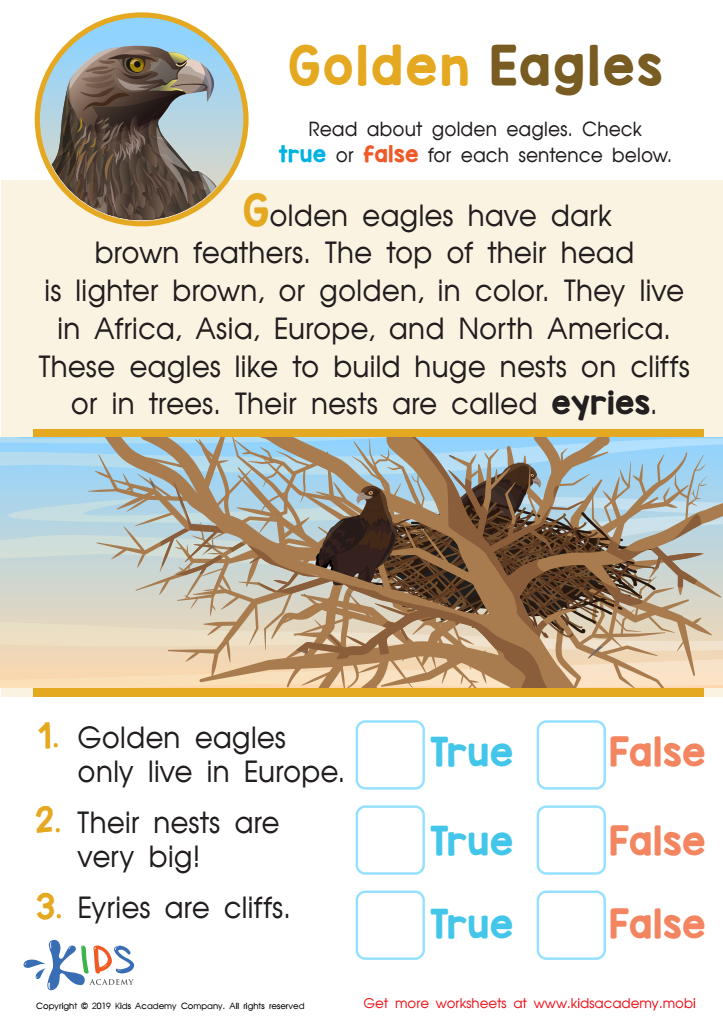
Golden Eagles Worksheet
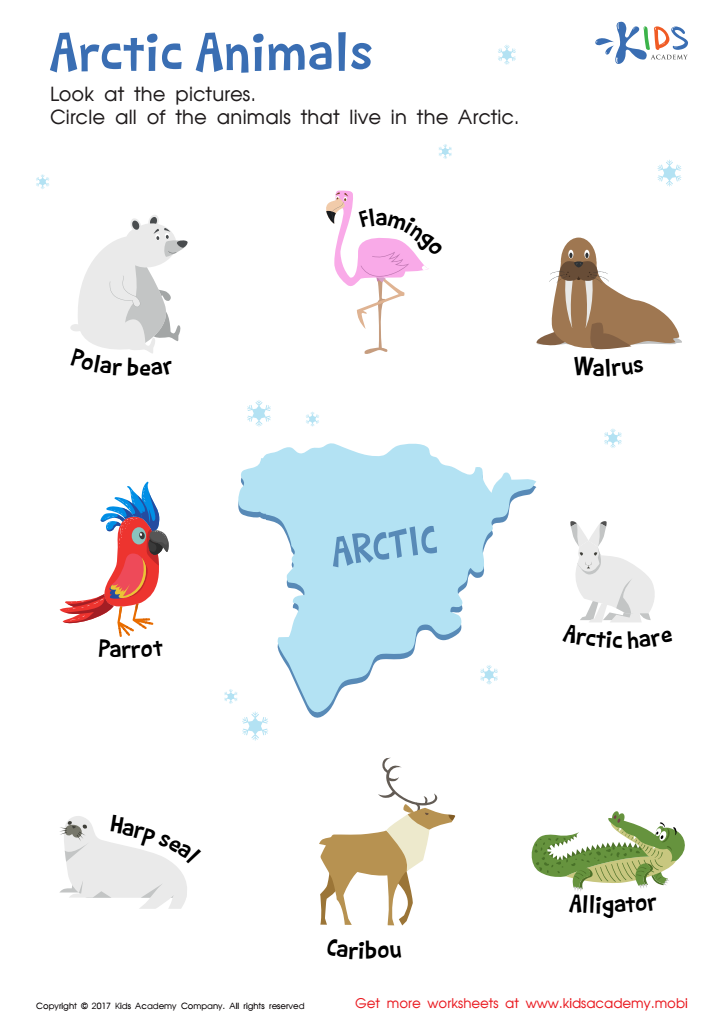
Arctic Animals Worksheet
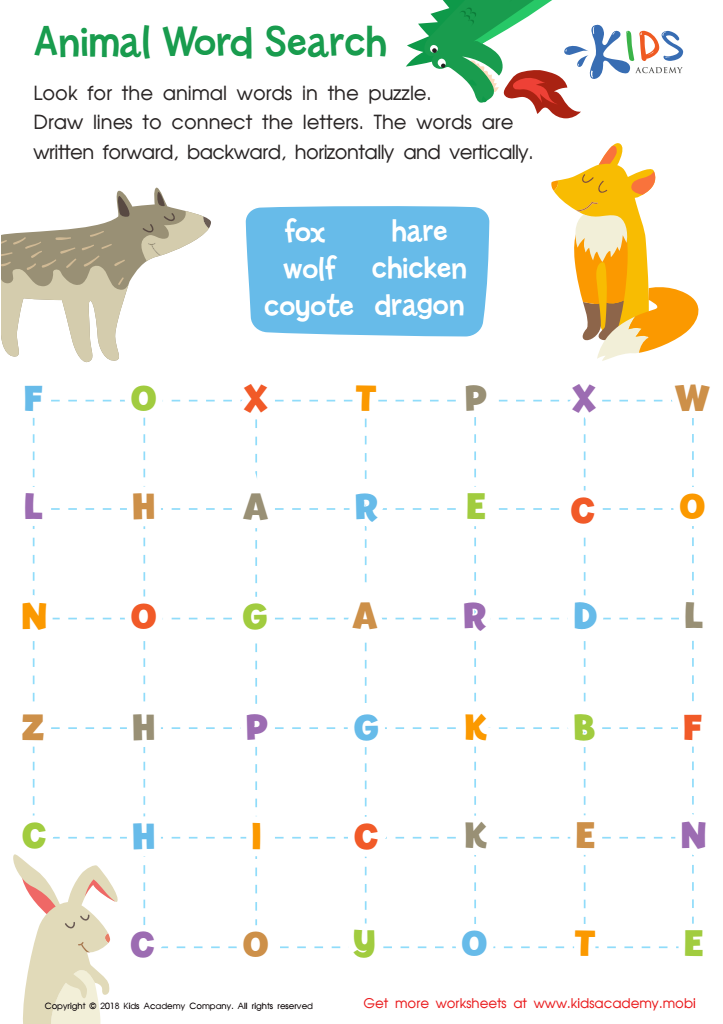
Animal Word Search Worksheet



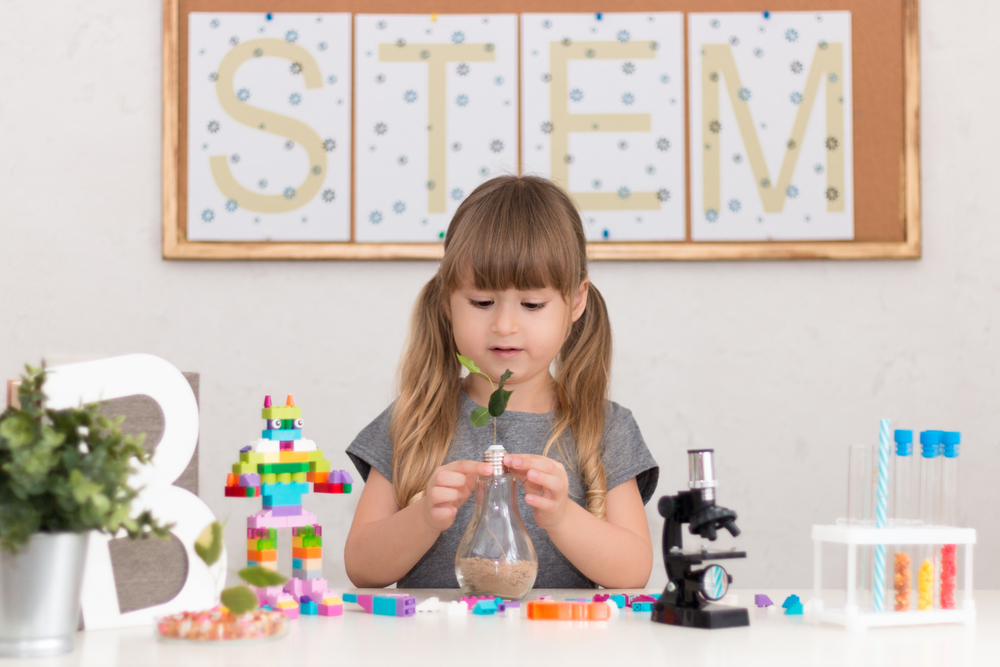




Parents and teachers should prioritize vocabulary building in the context of normal plants and animals for children aged 7-9 to foster a strong foundation for learning. At this developmental stage, children's brains are especially receptive to new information. Introducing them to diverse vocabulary related to the natural world ignites curiosity and enhances cognitive development. Understanding terms associated with plants and animals equips kids with the language necessary for expressing complex ideas and engaging in scientific inquiry as they progress in their education.
Furthermore, it encourages observational skills and a deeper appreciation for the environment. When children learn specific names and characteristics of plants and animals, they are more likely to notice subtleties in nature and develop a sense of stewardship for the planet.
A rich vocabulary also bolsters reading comprehension and communication abilities. Texts at higher grade levels often presume a basic understanding of fundamental concepts in life sciences; thus, early exposure mitigates potential learning gaps. Practical activities, such as garden visits or nature walks, turn abstract words into concrete experiences, thereby solidifying learning and making it enjoyable.
In sum, vocabulary building focused on normal plants and animals enriches educational development, fosters environmental awareness, and contributes to essential life skills, making it a crucial element of childhood education.







