Normal Governance and Civics Worksheets for Ages 7-9 - Page 2
38 filtered results
-
From - To
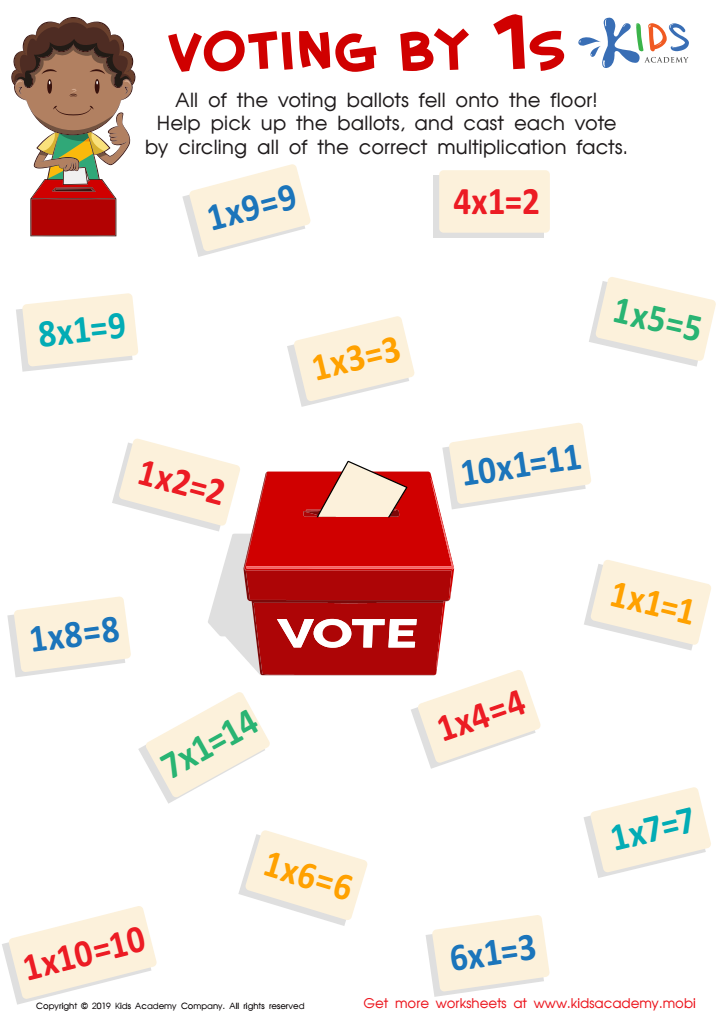
Voting by 1s Worksheet
 Assign to My Students
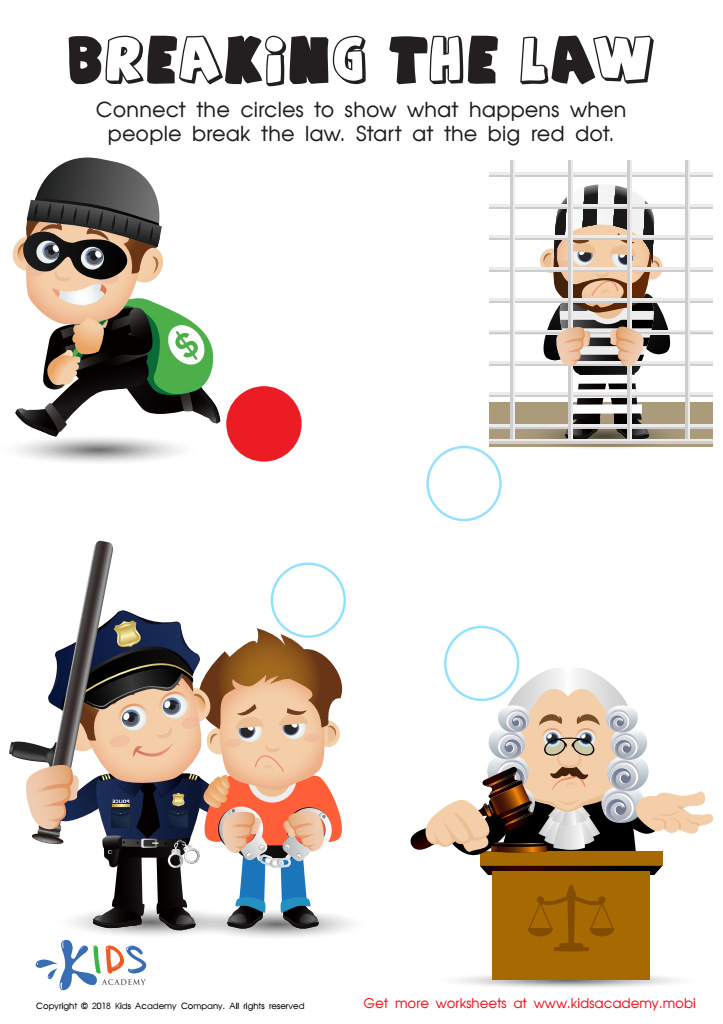
Breaking the Law Worksheet

Election Day Worksheet

Chinese Word Tracing: Ni Hao Worksheet
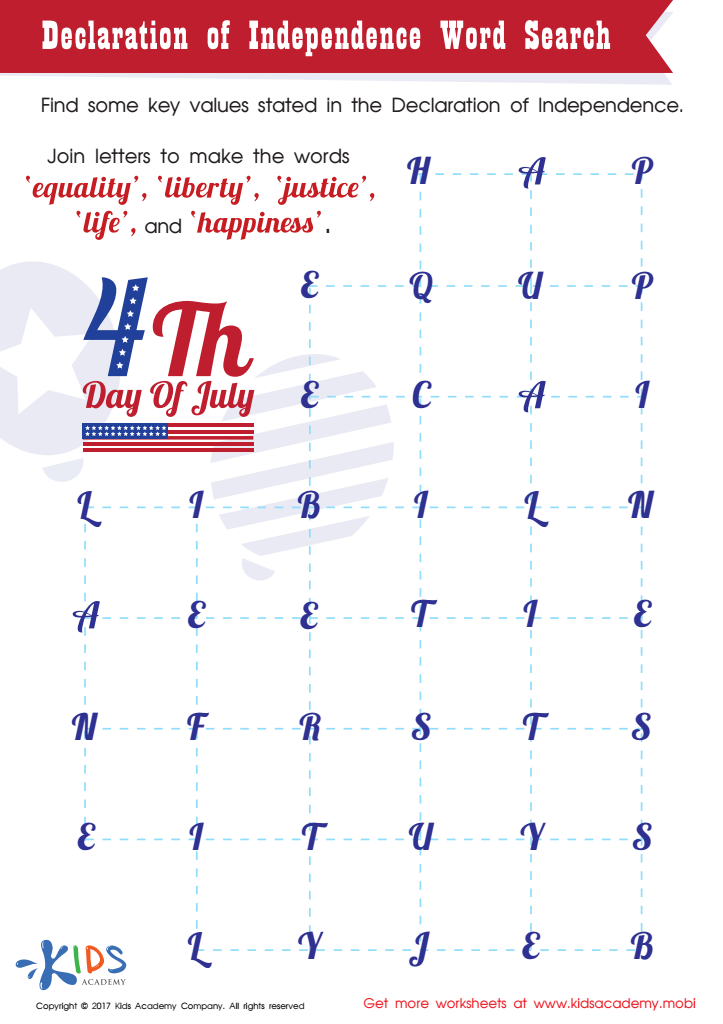
Declaration of Independence Word Search Printable
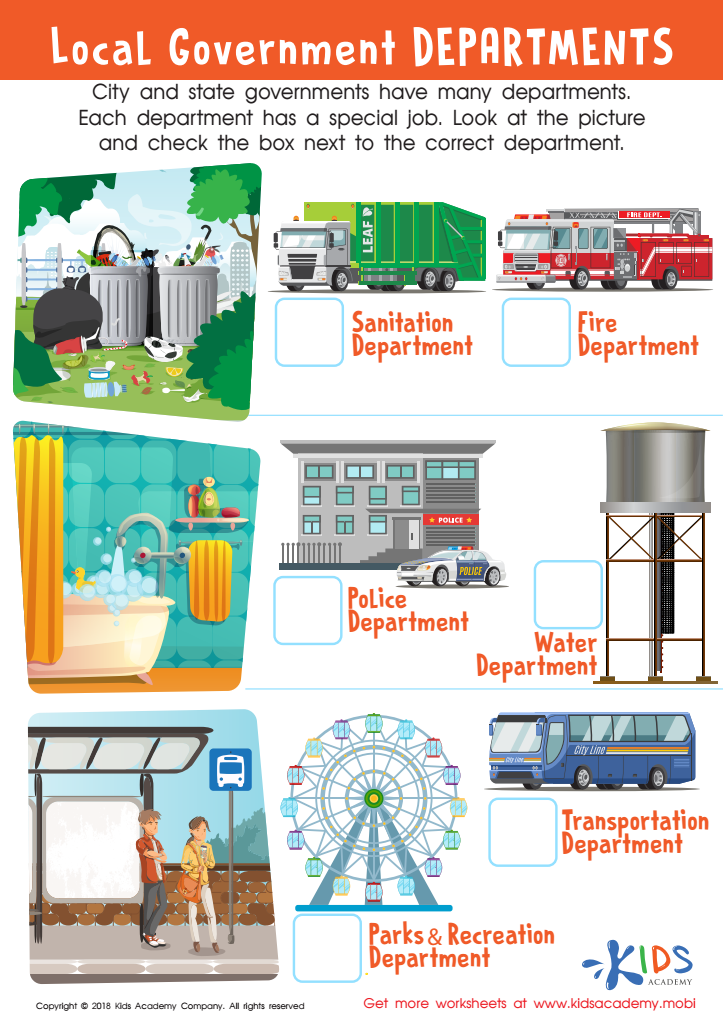
Local Government Departments Worksheet
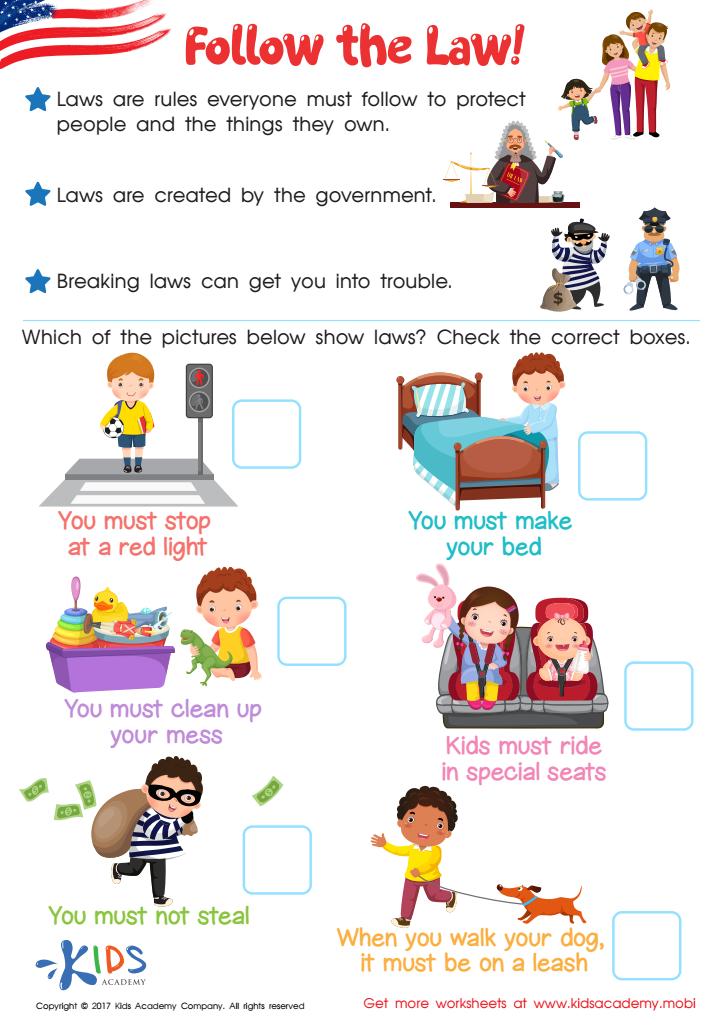
Follow the Law Worksheet
Italian Vocabulary Matching Worksheet
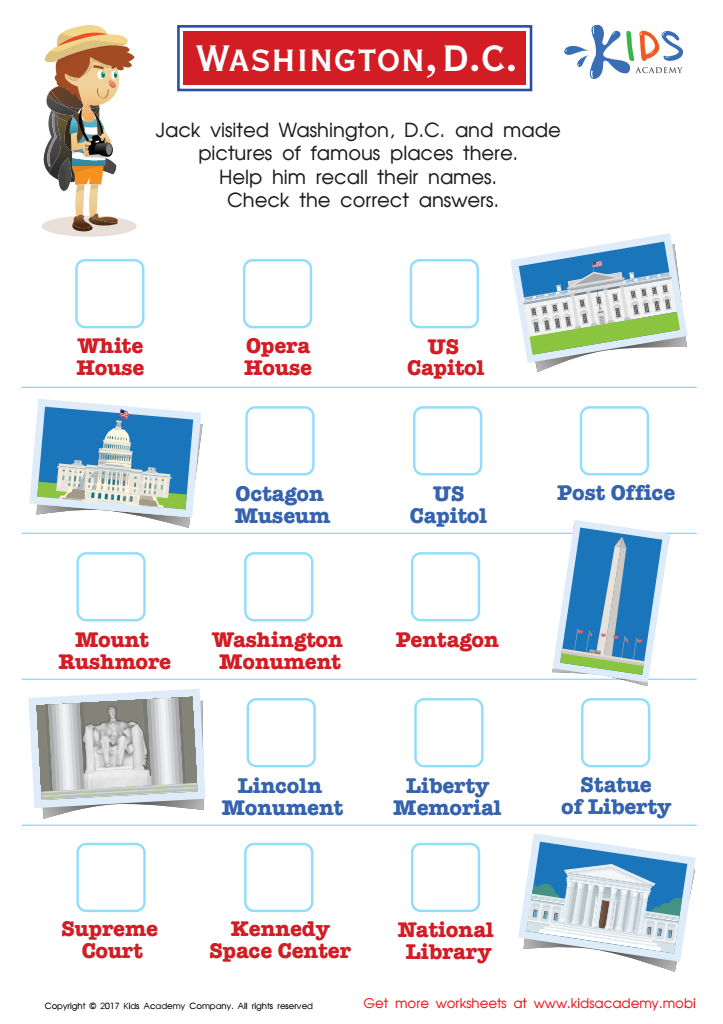
Washington D.C. Printable Worksheet
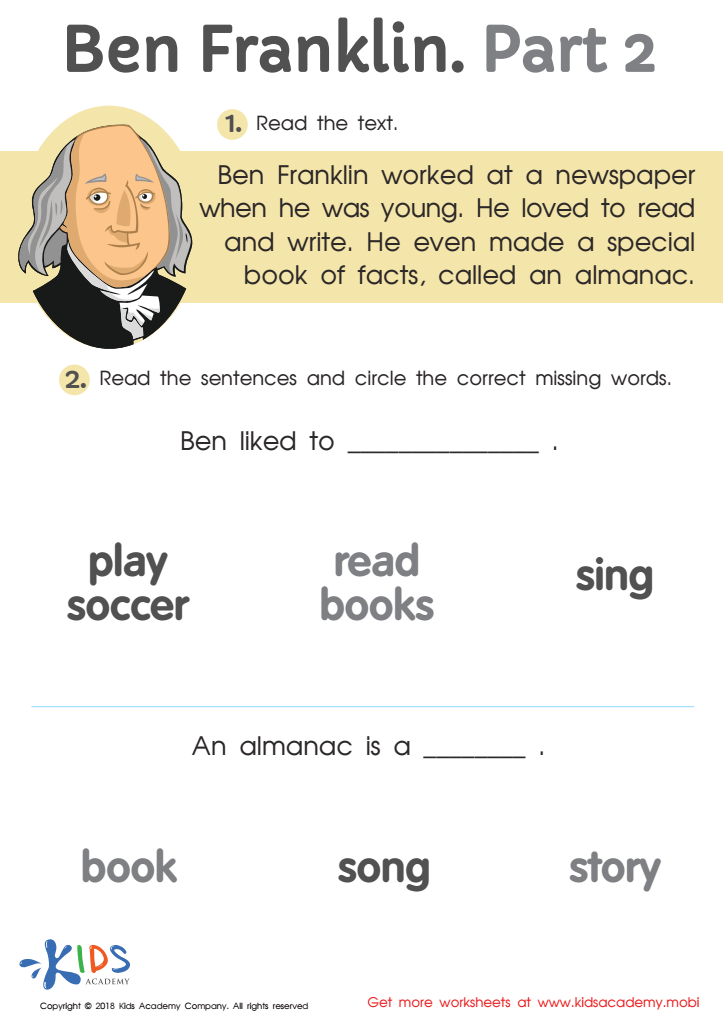
Ben Franklin Part 2 Worksheet
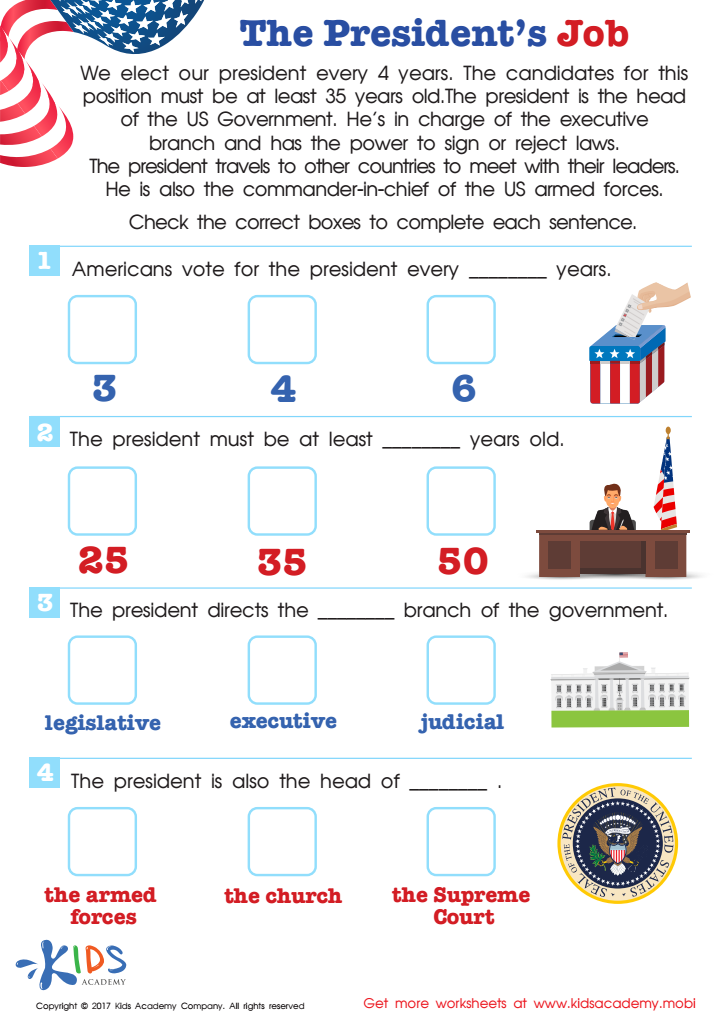
President of the USA Job Description Worksheet
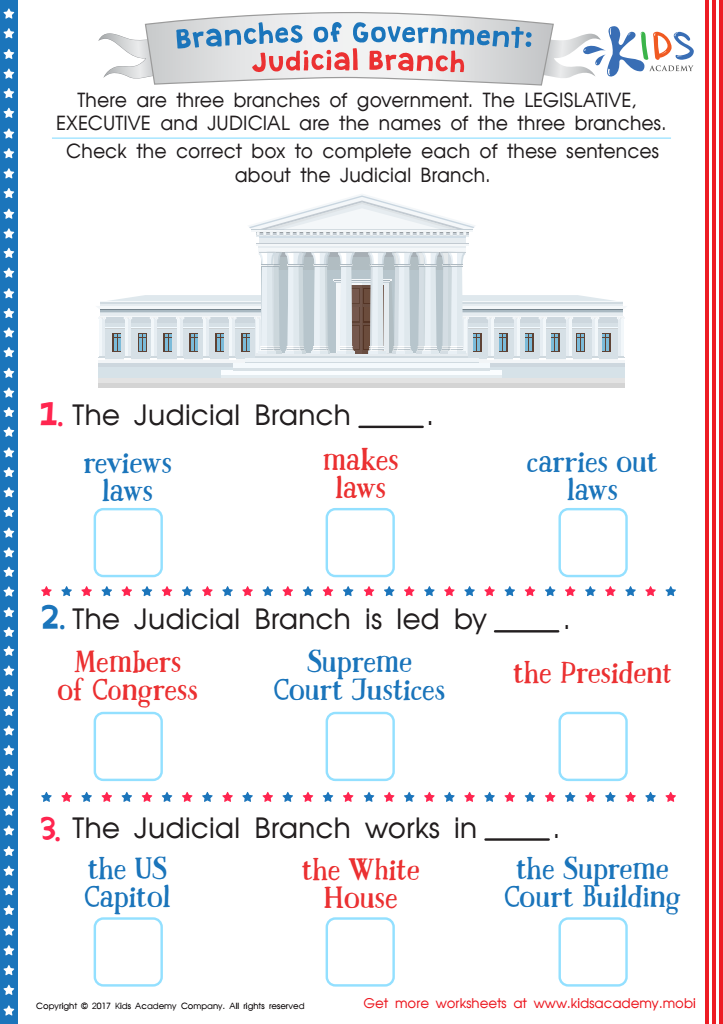
Braches of the Government: Judicial Branch Worksheet
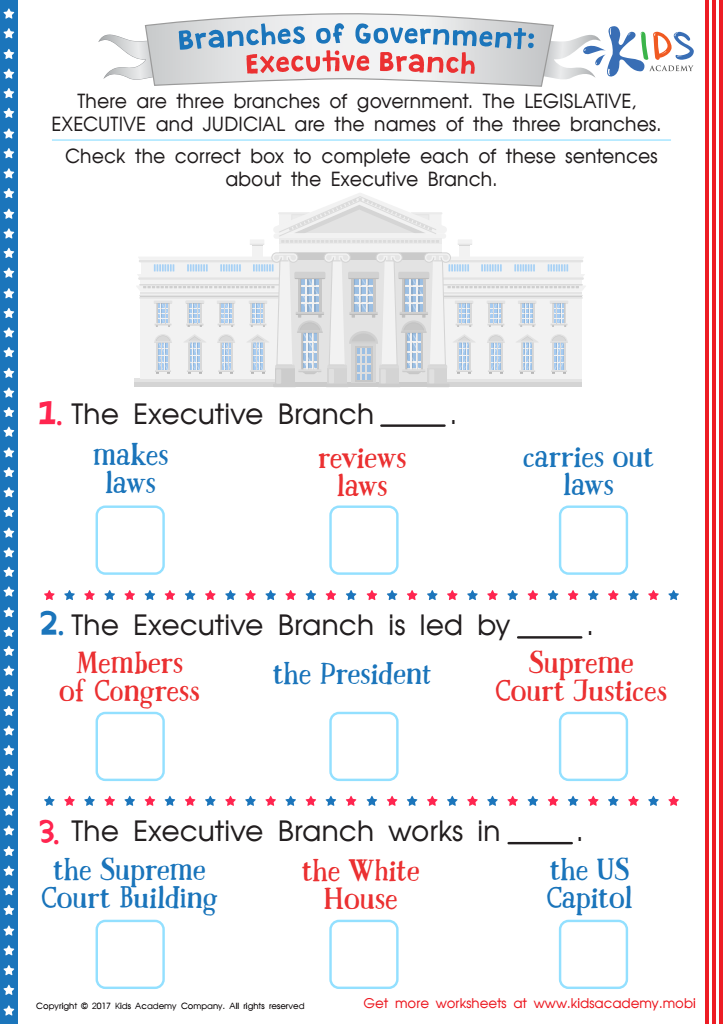
Branches of the Government: Executive Branch Printable
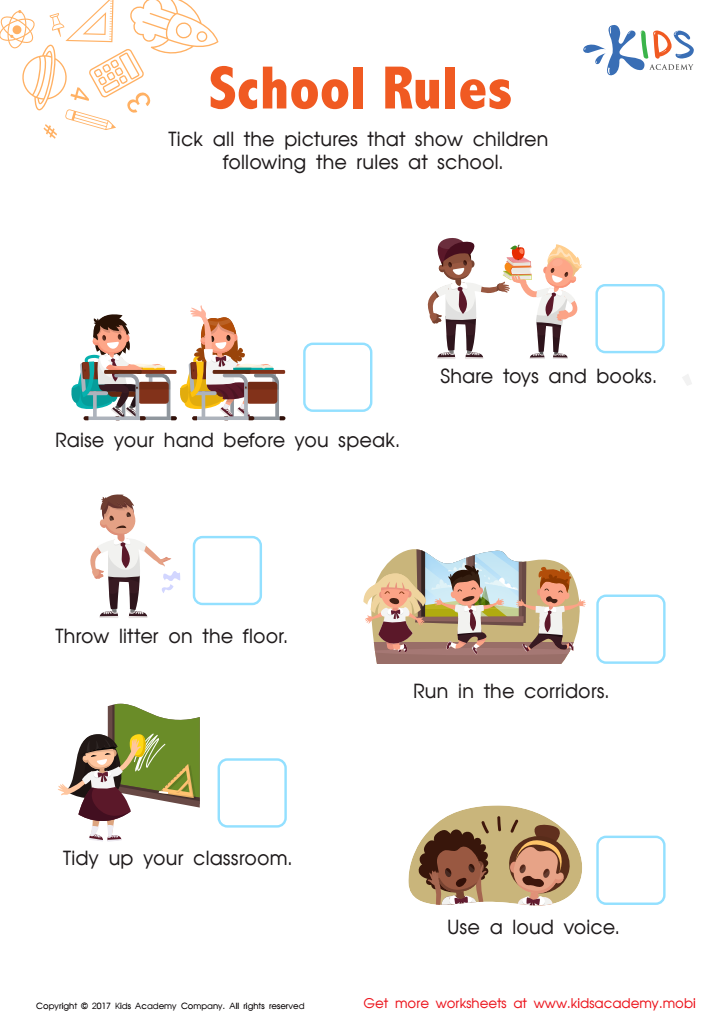
School Rules Worksheet


Parents and teachers should invest in teaching normal governance and civics to children ages 7-9 because it lays the foundation for becoming informed, responsible citizens. Understanding basic principles of governance helps young minds grasp how communities and countries function, fostering an early appreciation for rules, responsibilities, rights, and fairness. It empowers kids to develop empathy and respect for diverse perspectives, realizing that everyone plays a role in making their community a better place.
At this formative age, children are naturally curious and eager to learn about the world around them. Introducing them to concepts like democracy, voting, laws, and public services can be engaging and thought-provoking. This knowledge encourages them to think critically and make informed decisions, boosting their problem-solving and reasoning skills.
Moreover, civics education promotes a sense of belonging and community, important for social and emotional development. It helps children understand the value of cooperation and working together for the common good. By learning about governance early, children are more likely to become active participants in their futures, advocating for positive changes within their societies as they grow.
Ultimately, investing in early civics education paves the way for a generation of engaged, informed citizens who value and understand their role in upholding democratic principles and governance.