Understanding timelines Normal History Worksheets for Ages 7-9
3 filtered results
-
From - To
Welcome to our "Understanding Timelines" worksheets designed for children aged 7-9! These engaging resources help young learners grasp the concept of timelines in history, illustrating important events and their sequences. Our structured activities promote critical thinking and enhance comprehension as students explore historical milestones. With colorful visuals and interactive exercises, your child will enjoy tracking events from the past, developing a deeper understanding of cause and effect. Perfect for classroom or home use, these worksheets empower kids to create their own timelines, making history fun and accessible! Start exploring the past with confidence and excitement today!
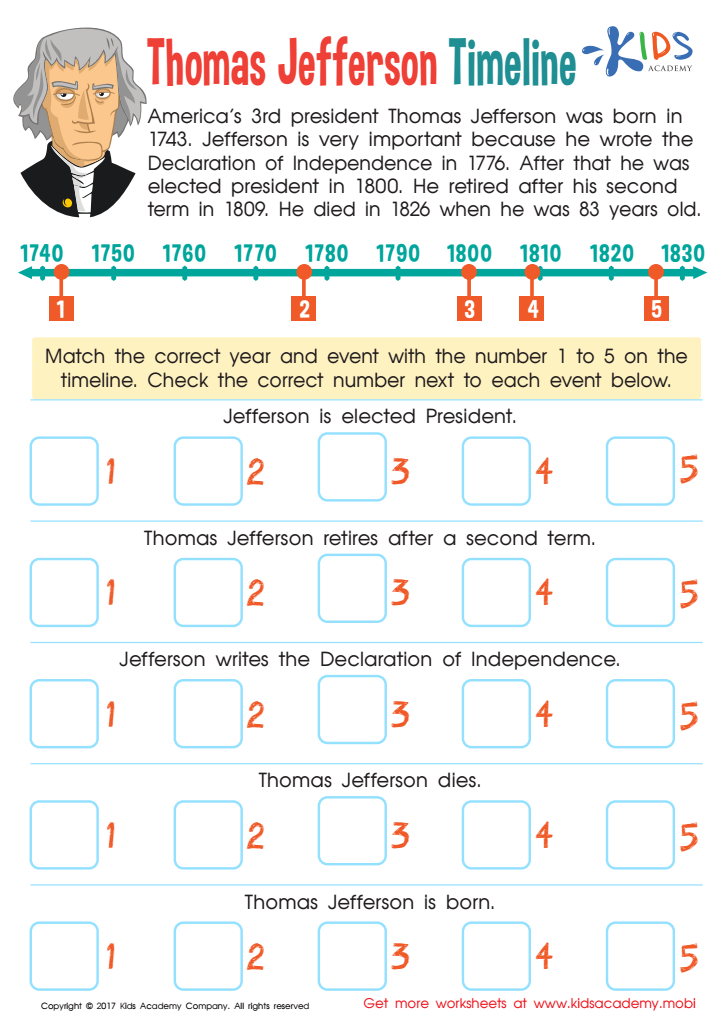
Thomas Jefferson Timeline Worksheet
 Assign to My Students
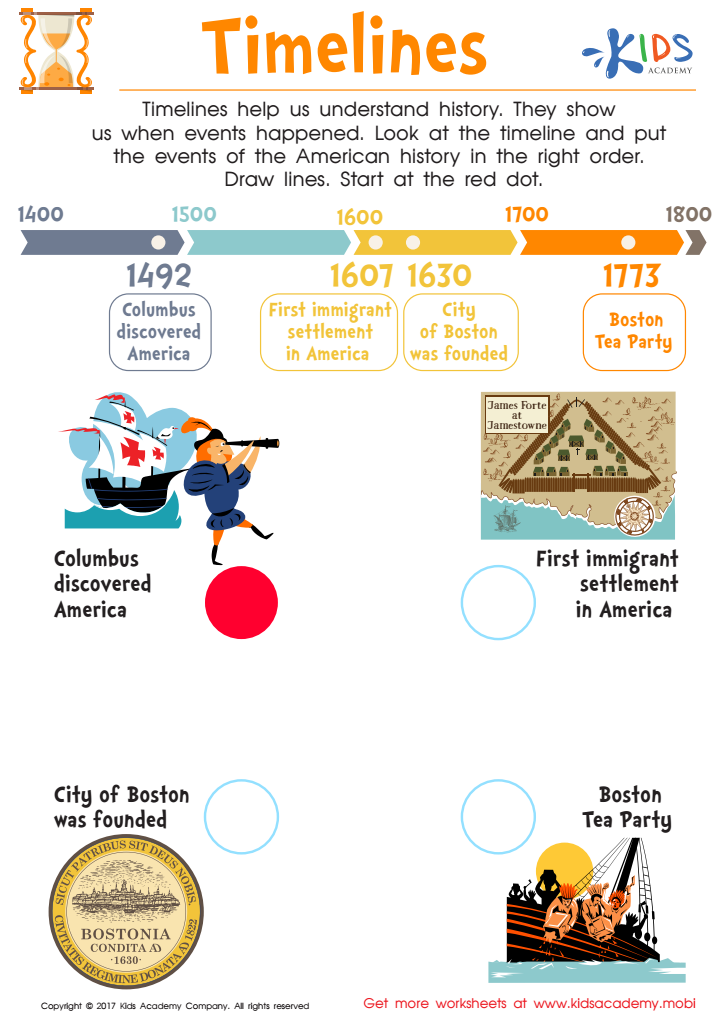
American History Timeline Worksheet
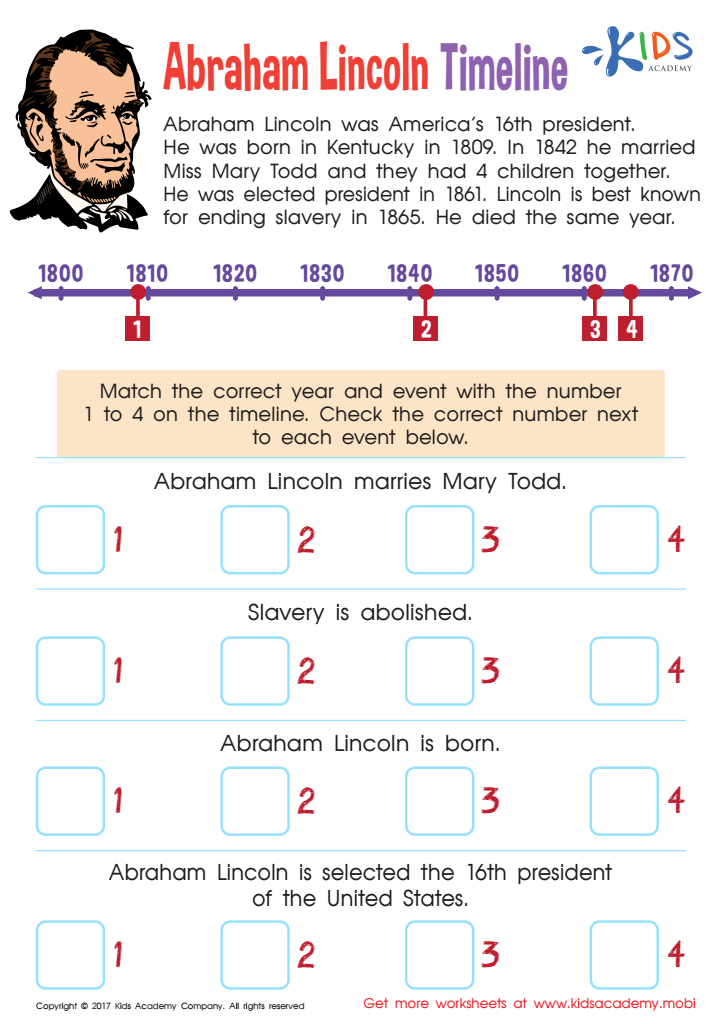
Abraham Lincoln Timeline Worksheet






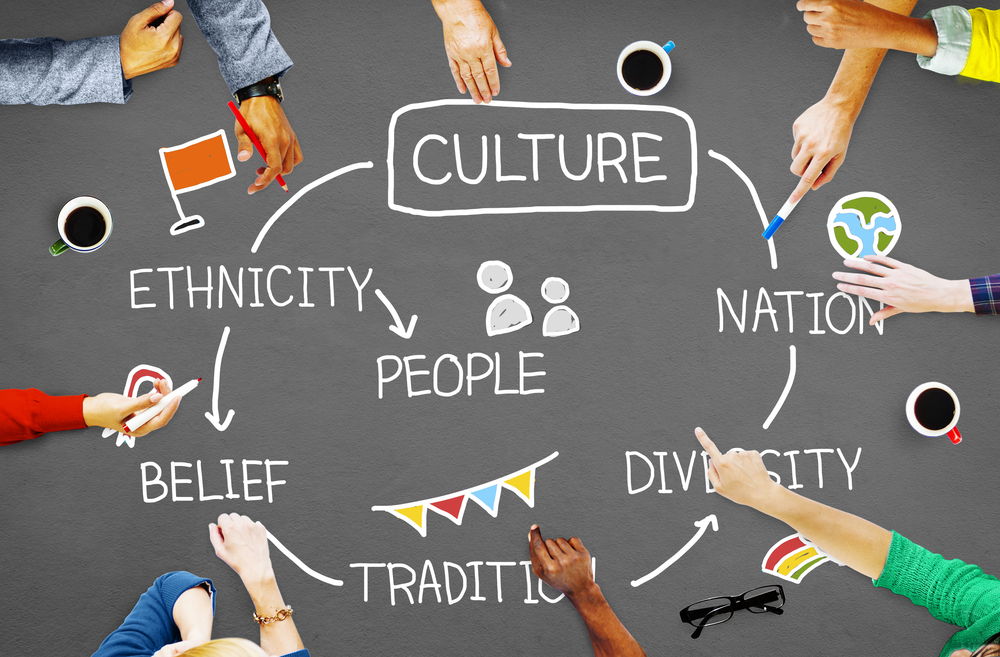
.jpg)
Understanding timelines in history is crucial for children aged 7-9 as it lays the foundation for their comprehension of events in sequence and context. At this age, children are developing critical thinking skills and an understanding of cause-and-effect relationships. Learning about timelines helps them grasp how historical events relate to one another, making history a cohesive story rather than a series of unrelated facts.
For parents and teachers, emphasizing timelines encourages children's engagement with history and promotes curiosity. It supports literacy development, as students read and interpret timelines, thus enhancing their comprehension and analytical abilities. Moreover, discussing significant milestones and their relevance fosters a sense of identity and continuity—integral elements of cultural and personal history.
Understanding timelines also aids in developing organizational skills, as children learn to categorize and prioritize information. This skill transcends history studies, enjoying benefits in various subjects and real-life situations. Finally, grasping the concept of timelines helps instill a sense of inquiry, prompting children to ask questions about the past and how it shapes the present and future. By spotlighting the importance of timelines, parents and teachers empower young learners to become informed and engaged citizens.








