Spelling practice Normal Grammar Worksheets for Ages 7-9 - Page 2
28 filtered results
-
From - To
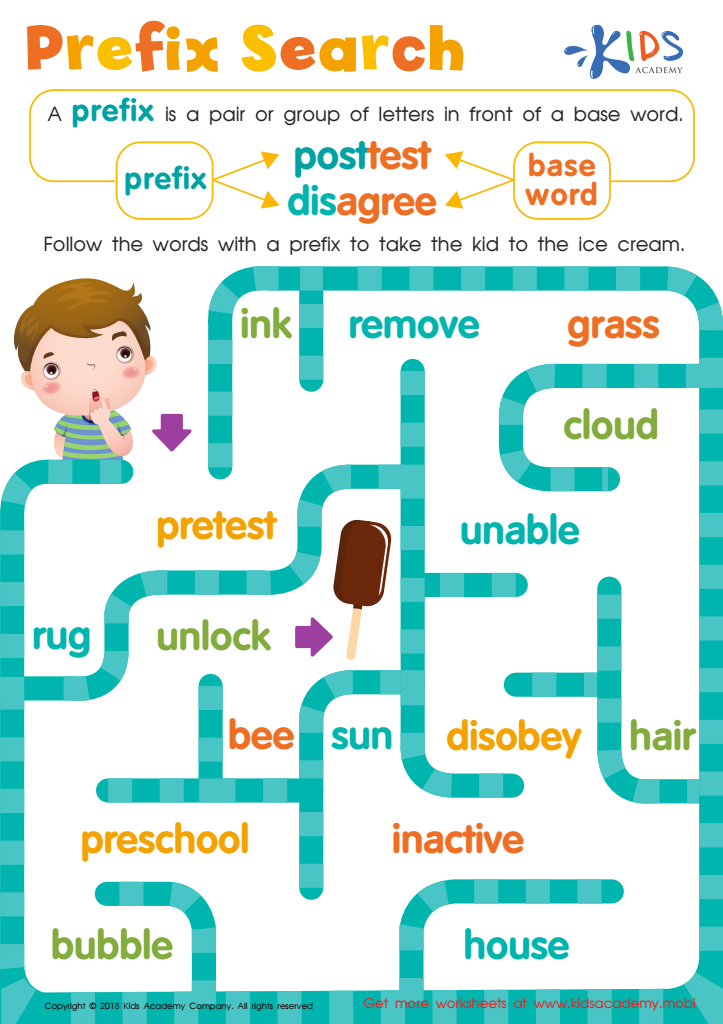
Reading: Prefix Search Worksheet
 Assign to My Students
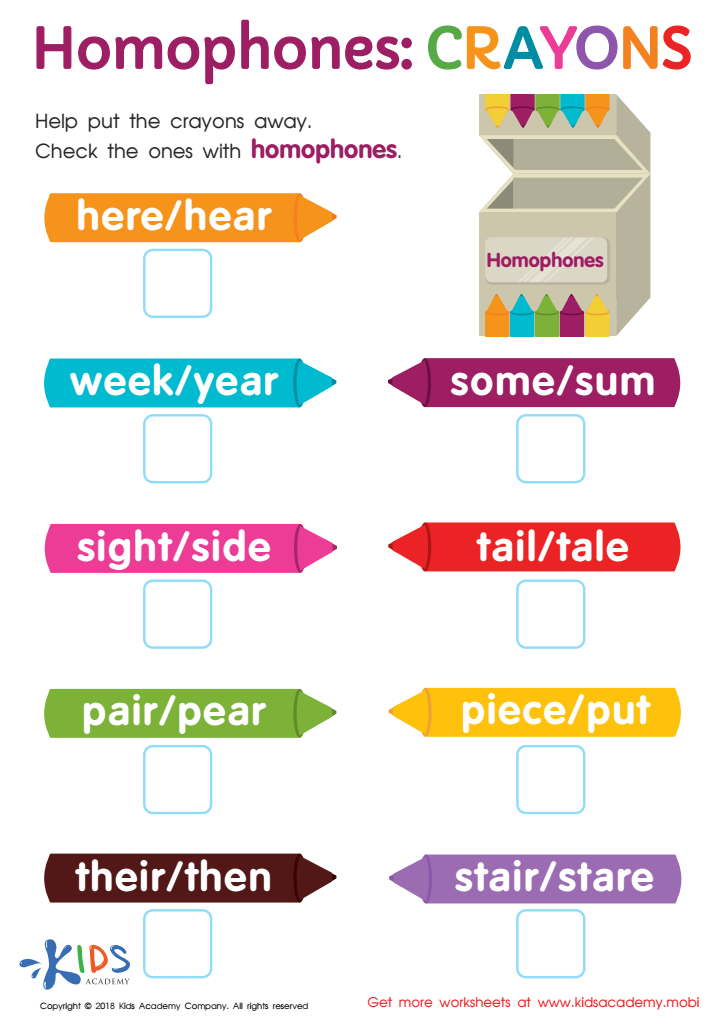
Homophones: Crayons Worksheet
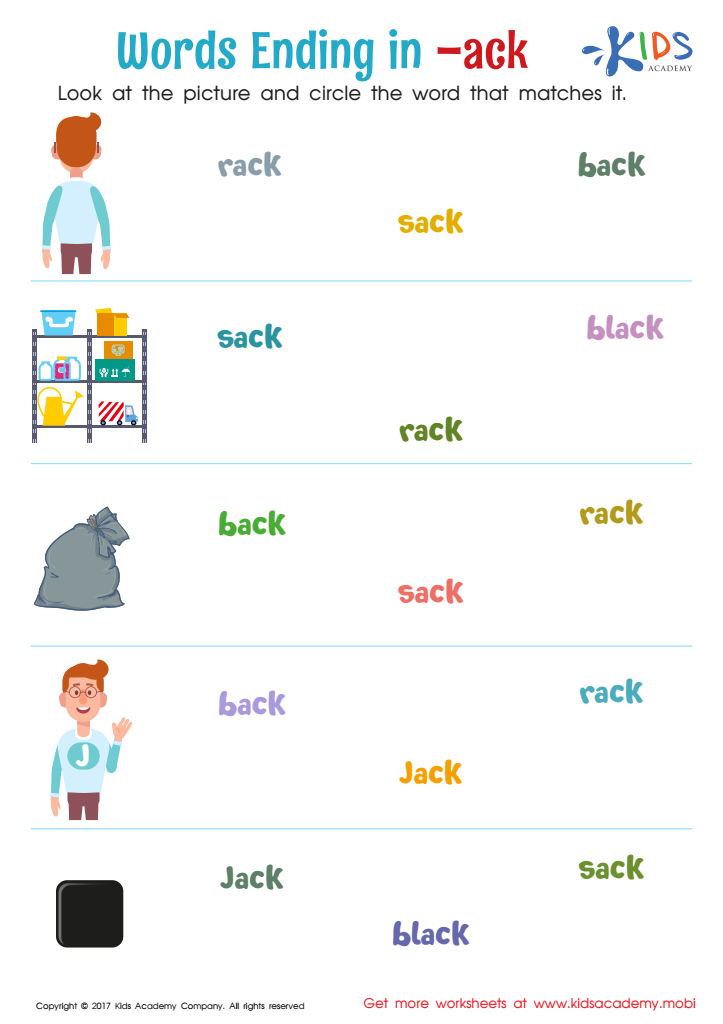
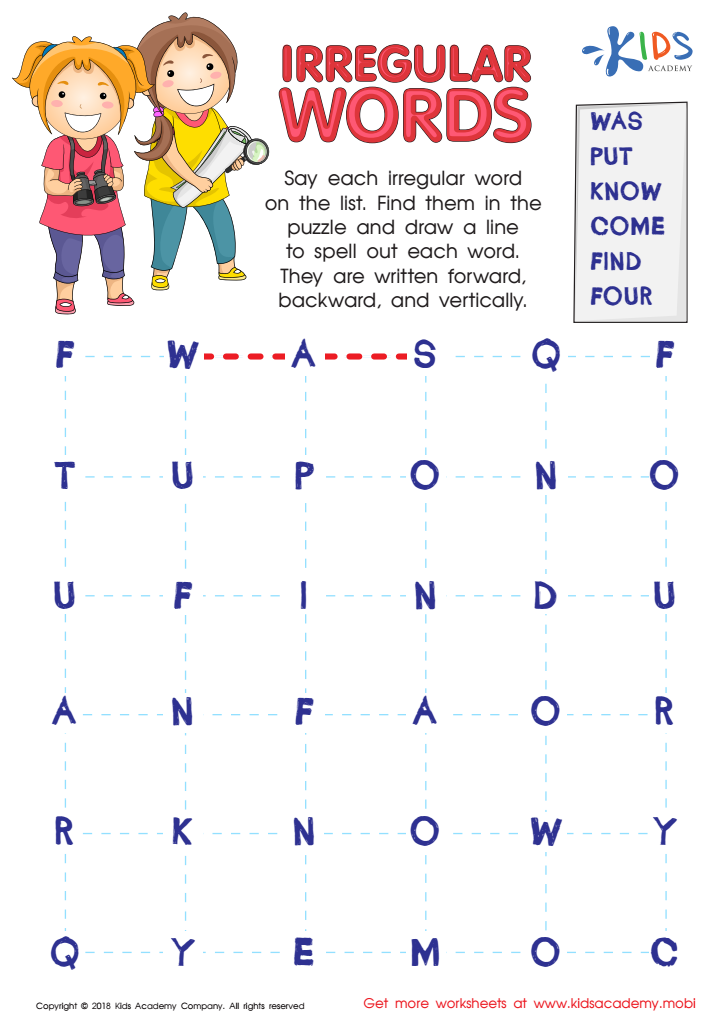
Irregular Words Worksheet








Parents and teachers should prioritize spelling practice and proper grammar for children aged 7-9 because these are foundational years for language development. During this period, children's brains are especially receptive to absorbing new information, making it an optimal time to instill good habits that will benefit them throughout their academic and professional lives.
Proper spelling enhances reading skills, aiding in the child’s ability to decode words, which in turn promotes fluent reading. Fluent readers can better comprehend texts, leading to improved performance across all subjects. Additionally, exposure to correct grammar supports clear communication. Children who practice good grammar can articulate their thoughts effectively and understand the structure of language, which contributes to better writing skills.
Furthermore, mastering spelling and grammar builds confidence. A child who can spell words correctly and use proper grammar in sentences feels more self-assured when expressing themselves, whether in writing or speaking. This self-confidence encourages greater participation in class and fosters a love for learning.
Lastly, early proficiency in spelling and grammar sets a solid educational foundation, reducing future learning challenges. By emphasizing these skills at a young age, parents and teachers help children develop a toolkit that supports lifelong learning and adaptability in an increasingly literate world.