Vocabulary development Normal Grammar Worksheets for Ages 7-9
4 filtered results
-
From - To
Welcome to our Vocabulary Development Normal Grammar Worksheets for Ages 7-9! These engaging and interactive worksheets are designed to enhance your child’s language skills while making learning fun. Tailored for kids aged 7 to 9, our materials focus on building vocabulary through context-rich exercises, including word definitions, synonyms, antonyms, and sentence construction. Ideal for home or classroom use, these worksheets promote critical thinking and comprehension skills. By incorporating activities that encourage creativity and expression, we help young learners expand their word bank while reinforcing essential grammar concepts. Discover a world of words and watch your child thrive in language mastery!
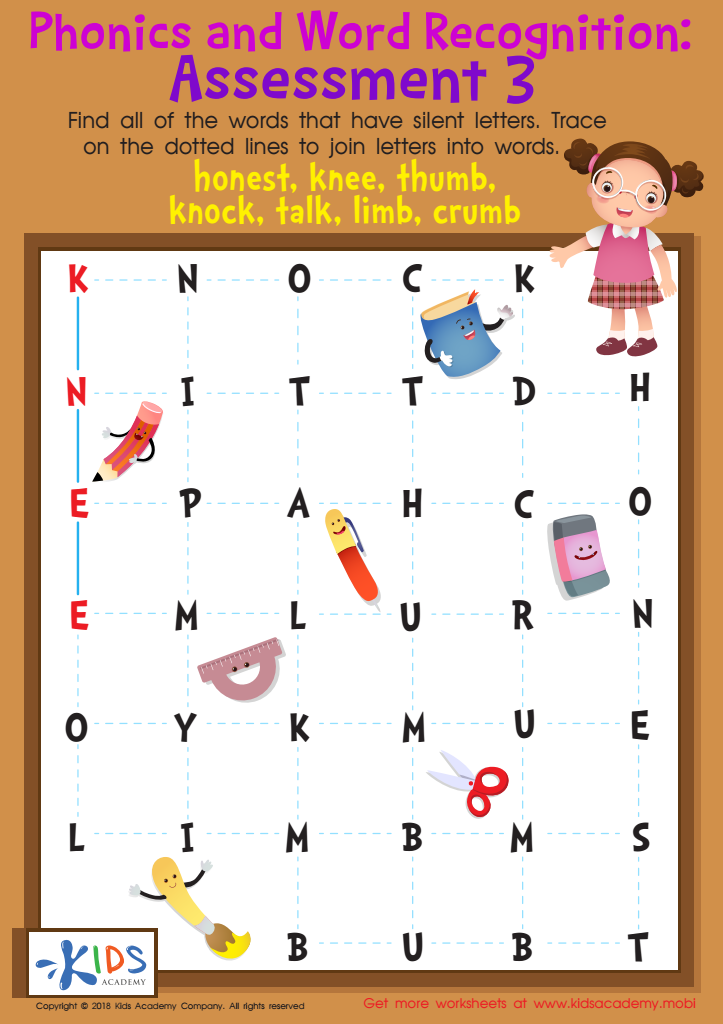
Phonics and Word Recognition: Assessment 3 Worksheet
 Assign to My Students
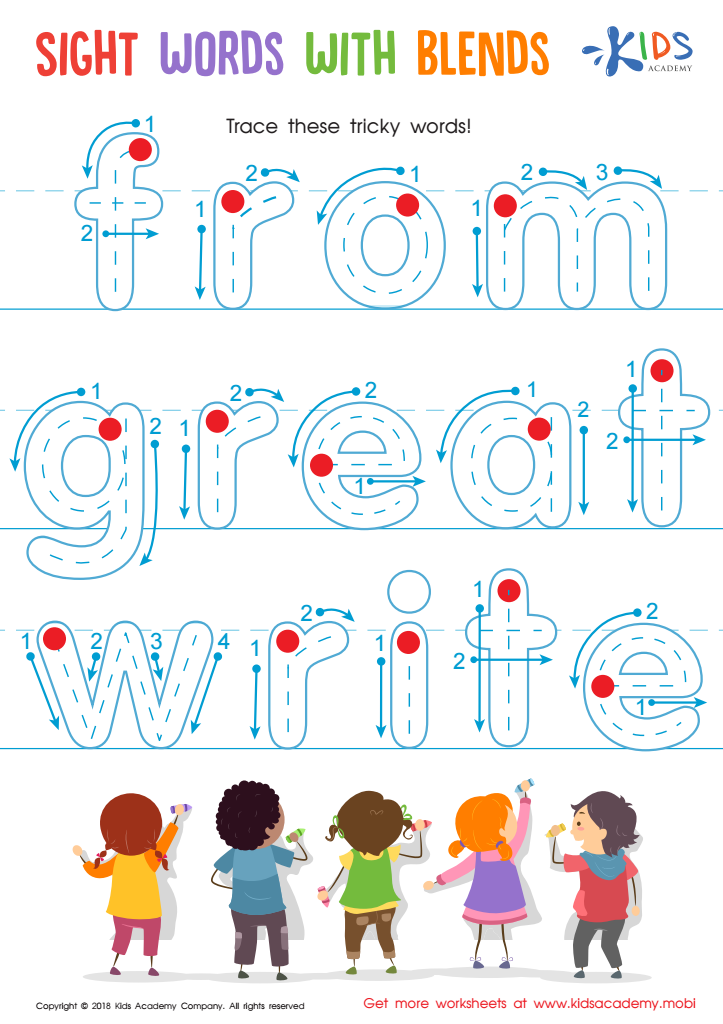
Sight Words with Blends Worksheet
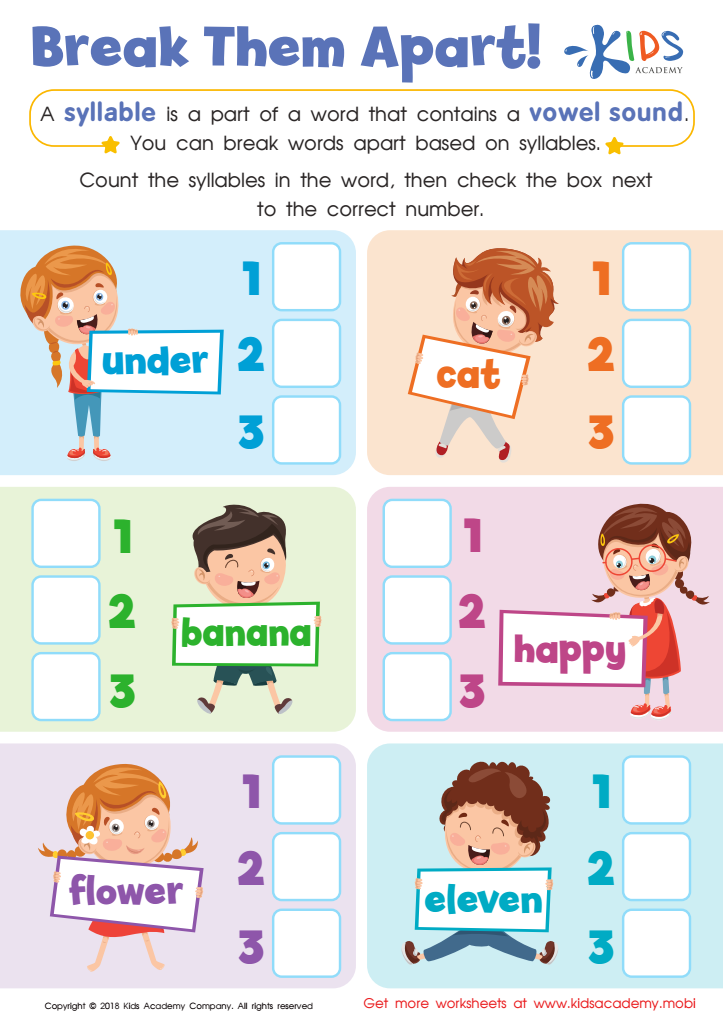
Reading: Break Them Apart Worksheet
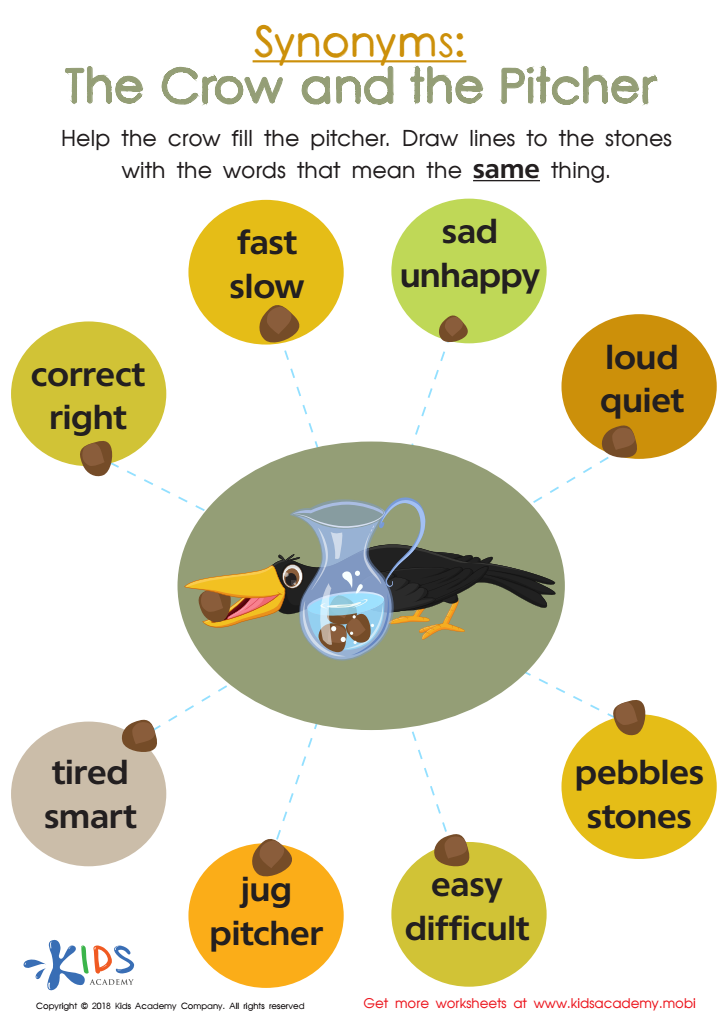
The Crow and the Pitcher Synonyms Worksheet








Vocabulary development is crucial for children aged 7 to 9, as this period marks a significant growth phase in language acquisition and overall literacy skills. During these years, children are transitioning from learning to read to reading to learn. A robust vocabulary is essential for comprehending texts, articulating thoughts, and engaging in meaningful conversations.
Parents and teachers should prioritize vocabulary development because it lays the foundation for academic achievement. Strong vocabulary skills enhance reading comprehension, enabling students to grasp concepts across subjects, from science to social studies. Furthermore, effective communication is vital in relationship-building and social interactions, both in and outside the classroom.
Additionally, a rich vocabulary fosters confidence in children, encouraging them to express themselves clearly and persuasively. Research shows that children with a stronger vocabulary tend to excel in critical thinking and problem-solving skills, which are essential for future success.
Providing diverse reading materials, encouraging discussions, and engaging in vocabulary-building activities can further motivate children. Ultimately, investing time and resources into vocabulary development during these formative years sets the stage for lifelong learning and success, making it a priority for parents and educators alike.