Welcome to our engaging collection of Phonics Recognition Normal Alphabet Worksheets designed specifically for 7-year-olds! These worksheets provide a fun and interactive way to enhance your child's reading skills through phonics. Each activity focuses on letter sounds, blending techniques, and word recognition, supporting early literacy development. Our worksheets are carefully crafted to cater to young learners, featuring bright illustrations and stimulating exercises that make learning enjoyable. Ideal for classroom use or at-home practice, these resources empower children to strengthen their phonics skills, boosting their confidence and reading proficiency. Explore our worksheets now and watch your child thrive in their literacy journey!

Check out this FREE Trial Lesson on Alphabet for age 7!

Consonant Blends with r

Favorites
With answer key
Interactive
  • 7
  • Phonics recognition
  • Alphabet
  • Normal
Sight Words with Blends Worksheet

Sight Words with Blends Worksheet

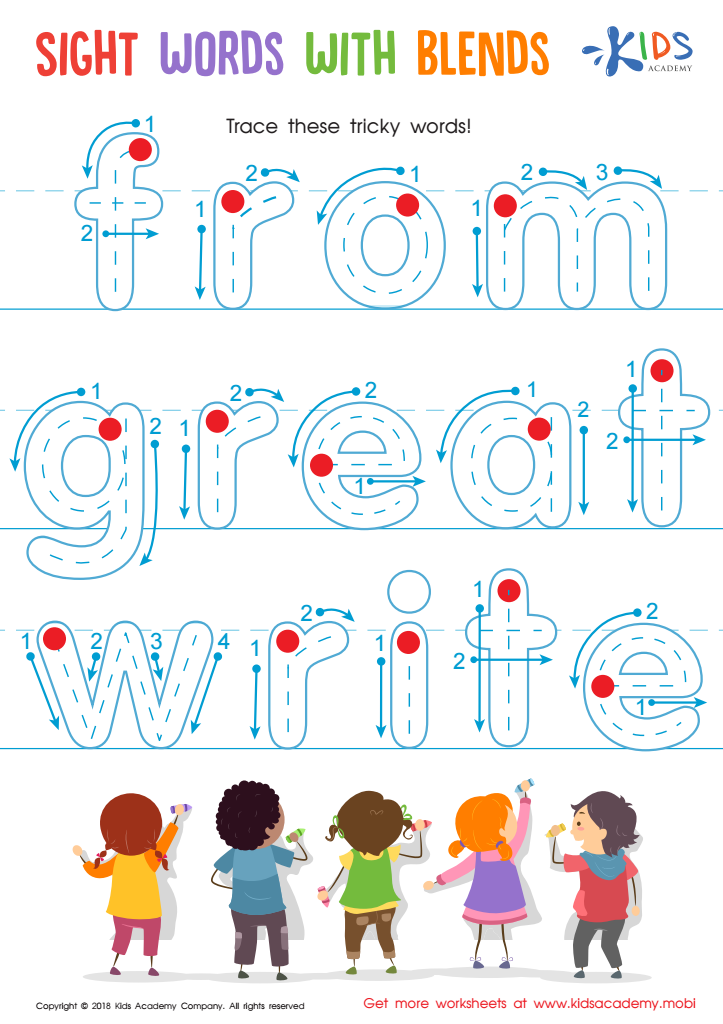
This free PDF lets your children trace and write sight words with tricky blends. The guide numbers help them start from the top, building fine motor skills and enhancing sight word vocab. It's a great way to give your kids a solid foundation for reading!
Sight Words with Blends Worksheet
Worksheet
Where Is the Digraph? Worksheet

Where Is the Digraph? Worksheet

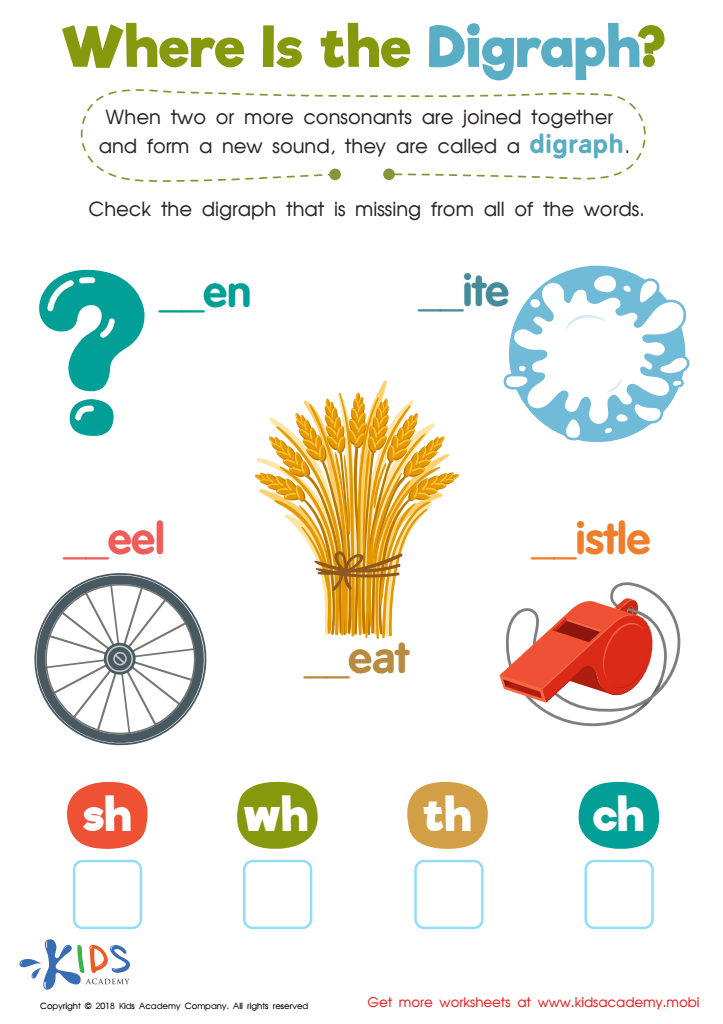
Teach your child about digraphs - two or more consonants that form one sound, like /wh/, /sh/, and /ch/. Show them words with these sounds and use this worksheet to help. Ask them which digraph is missing from the words and point out the pictures. 80 words.
Where Is the Digraph? Worksheet
Worksheet
Listen to the Sounds Worksheet

Listen to the Sounds Worksheet

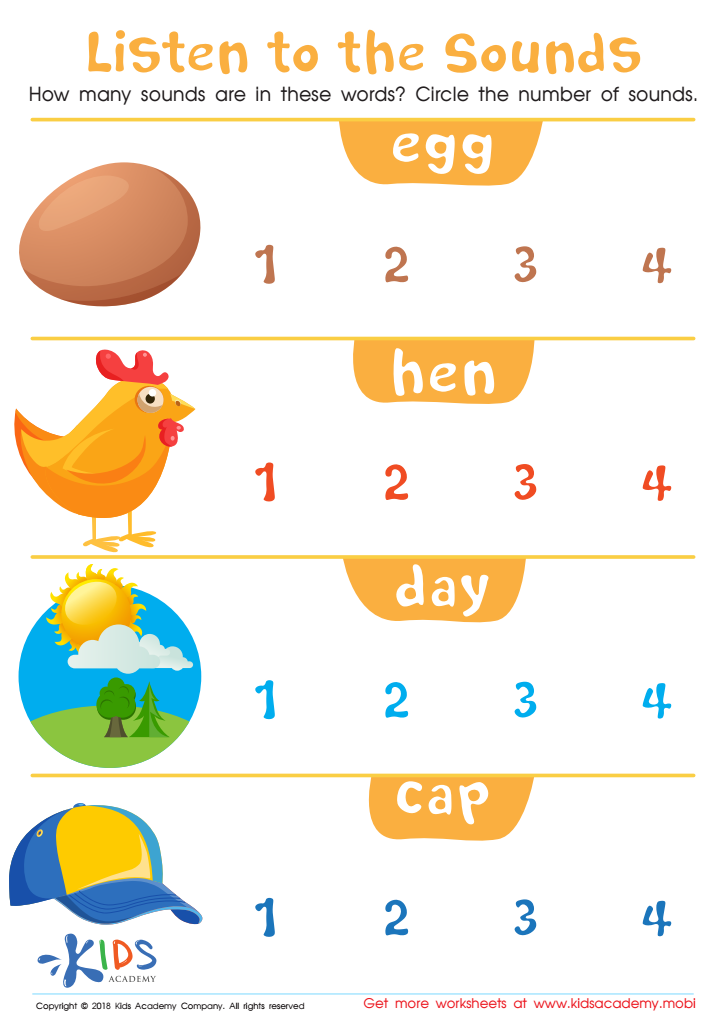
This worksheet builds emerging readers' skills in using sounds for reading and spelling. It helps strengthen auditory processing by having them count the sounds in each word, then trace the corresponding number. Fun and cheerful!
Listen to the Sounds Worksheet
Worksheet
Let's Count the Sounds Worksheet

Let's Count the Sounds Worksheet

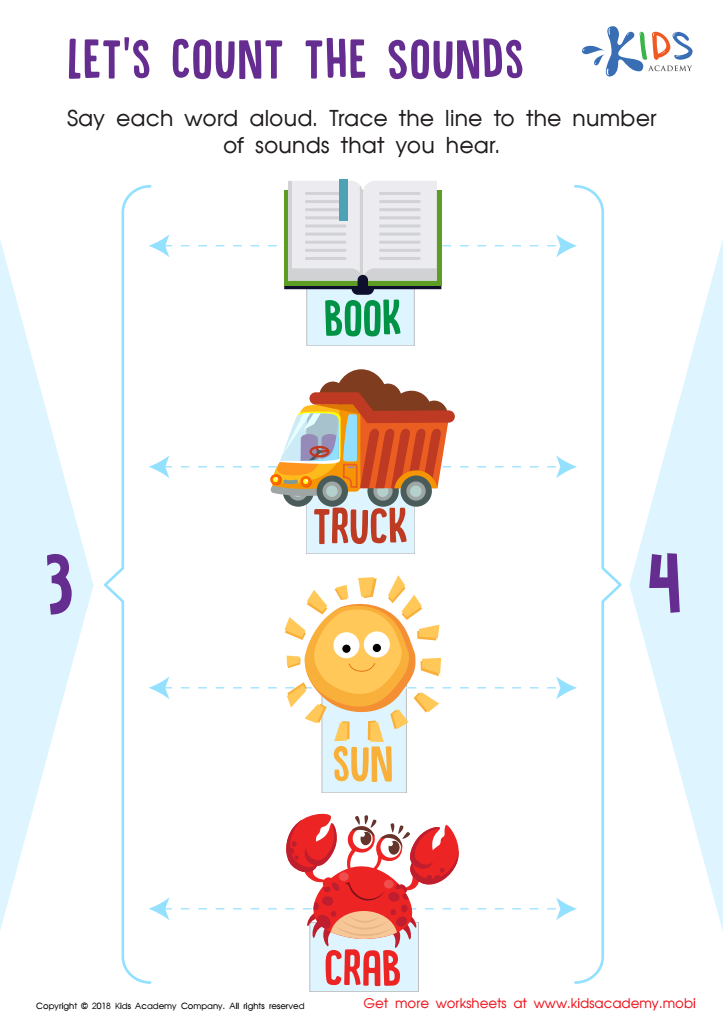
This bright and cheery traceable worksheet encourages children to practice auditory discrimination and phonological awareness. Using picture clues, they read each word and trace the line that represents the number of sounds heard. This builds decoding skills and helps them become successful readers.
Let's Count the Sounds Worksheet
Worksheet
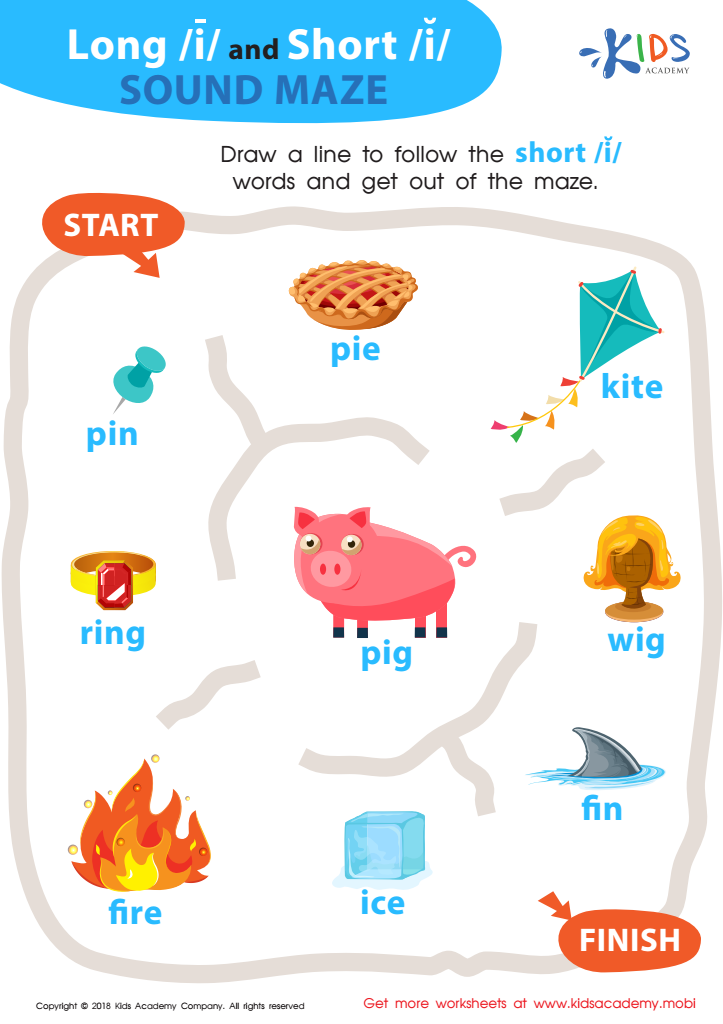
Reading: Long I and Short I Sound Maze Worksheet

Reading: Long I and Short I Sound Maze Worksheet

Question your students if the worksheet is entertaining. They may respond negatively! Nonetheless, this activity will bring satisfaction while learning the distinction between a long and short I sound. Students read the words in the maze and only follow the words with the short I sound to finish the exercise. Grasping the difference between long and short vowels is demanding, but this worksheet helps students understand this reading skill.
Reading: Long I and Short I Sound Maze Worksheet
Worksheet
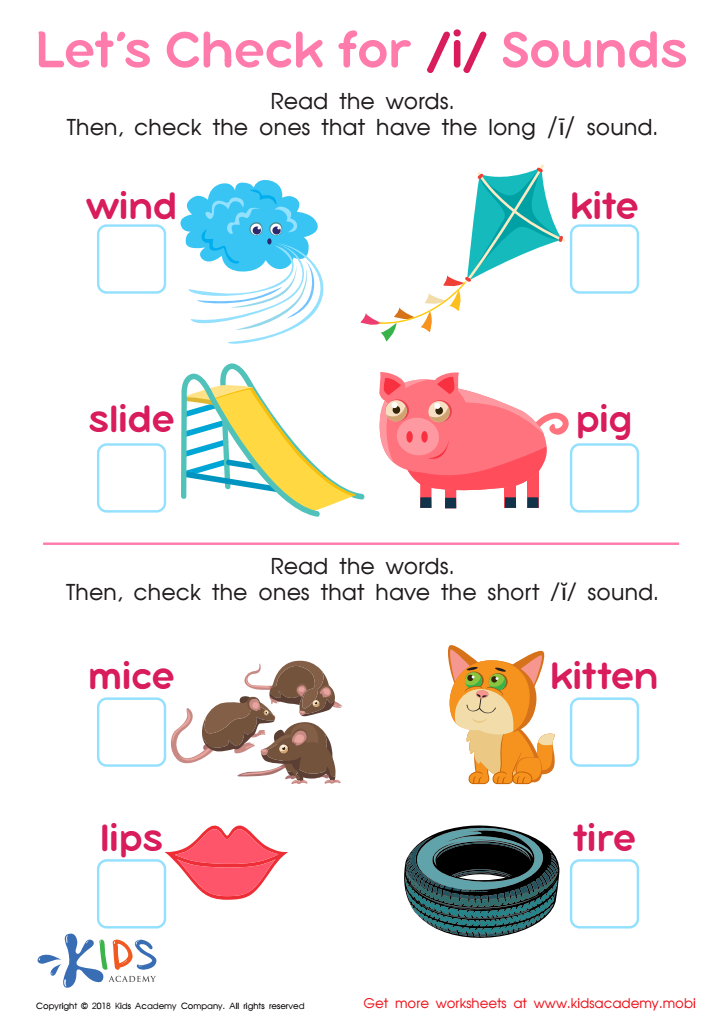
Let's Check for «i» Sounds Worksheet

Let's Check for «i» Sounds Worksheet

This fun worksheet with pictures boosts phonics skills - differentiating between long «ī» and short «i» sounds in 1- and 2-syllable words. Kids use picture clues to read words, then check off the correct ones. It's a great way for new readers to practice early reading skills and find success on their own.
Let's Check for «i» Sounds Worksheet
Worksheet
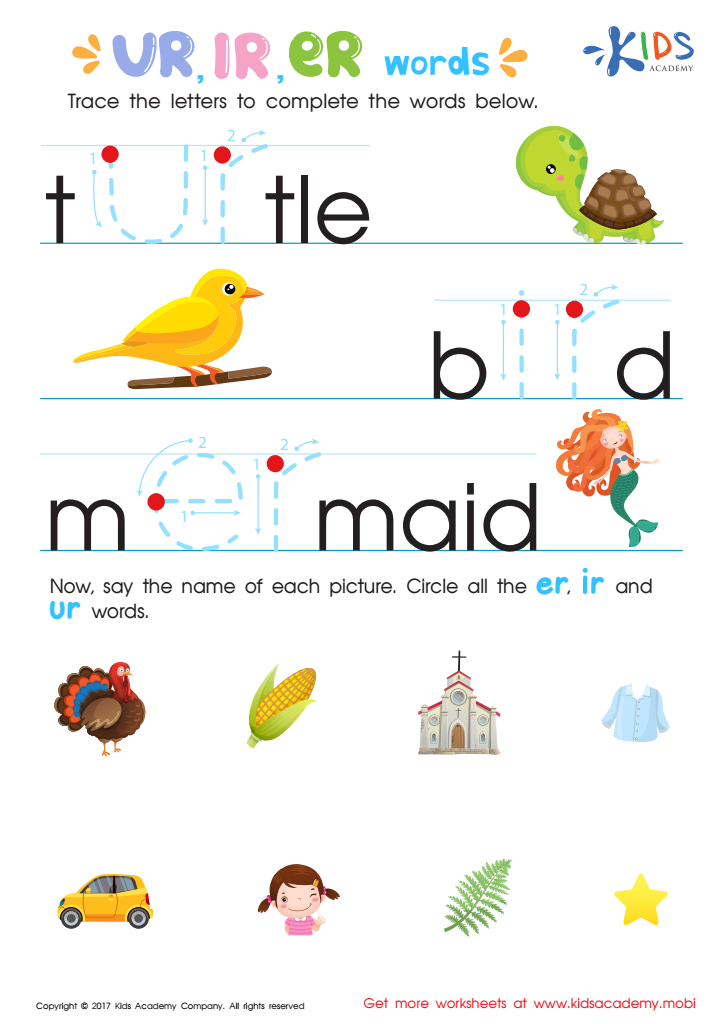
Ir ur er words worksheet

IR UR ER Words Worksheet

Trouble spelling words with the same initial vowel sound? Our worksheet is here to help! With its exercises to help your child learn to read and spell turtle, bird, and mermaid, it'll make differentiating these tricky digraphs a snap.
IR UR ER Words Worksheet
Worksheet


Phonics recognition, particularly of the normal alphabet, is crucial for 7-year-olds as it serves as the foundation for their reading and writing skills. At this age, children are transitioning from learning to read to reading to learn, making strong phonics abilities essential. Knowing how letters correspond to sounds allows children to decode words more effectively, enhancing their reading fluency and comprehension.

Parents and teachers play a vital role in this learning process. By supporting phonics recognition, they help children develop confidence in their reading abilities. This confidence can lead to increased motivation and a love for reading, which is fundamental at this age. Moreover, strong phonics skills contribute to better spelling, improved vocabulary, and a greater capacity to tackle complex texts in the future.

Additionally, investing time in phonics can help identify any learning difficulties early on, allowing for targeted interventions. This proactive approach ensures students are not left behind as they progress through school. In essence, for parents and teachers, prioritizing phonics recognition not only aids instant literacy development but also lays the groundwork for a child's overall academic success and lifelong learning.