Vocabulary expansion Normal Alphabet Worksheets for 7-Year-Olds - Page 2
28 filtered results
-
From - To
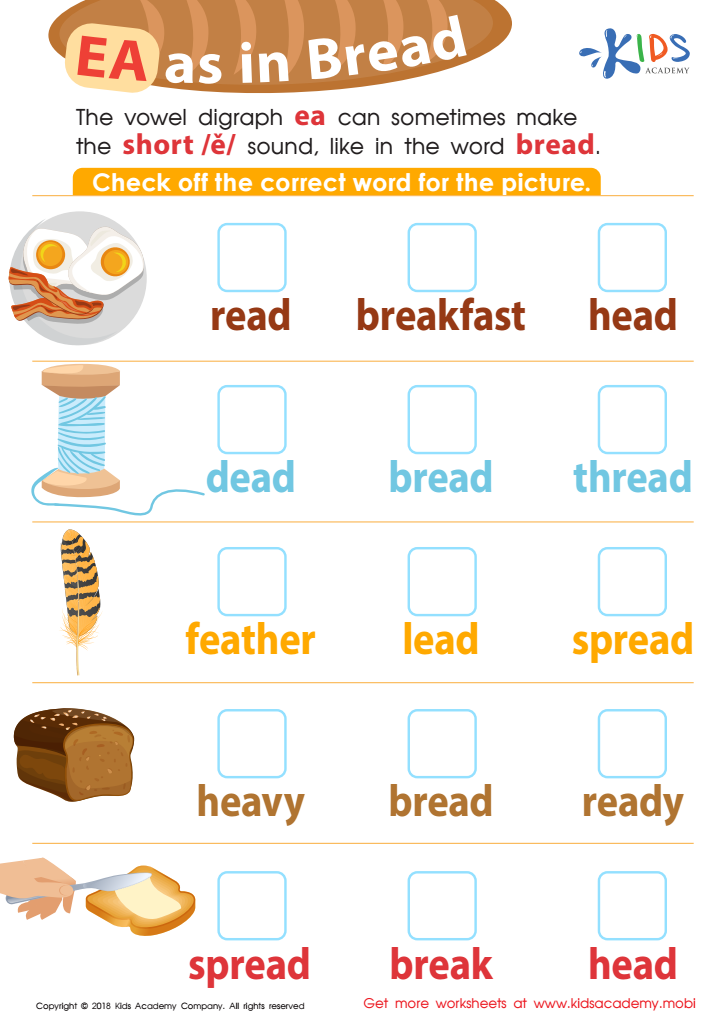
Reading: EA as in Bread Worksheet
 Assign to My Students
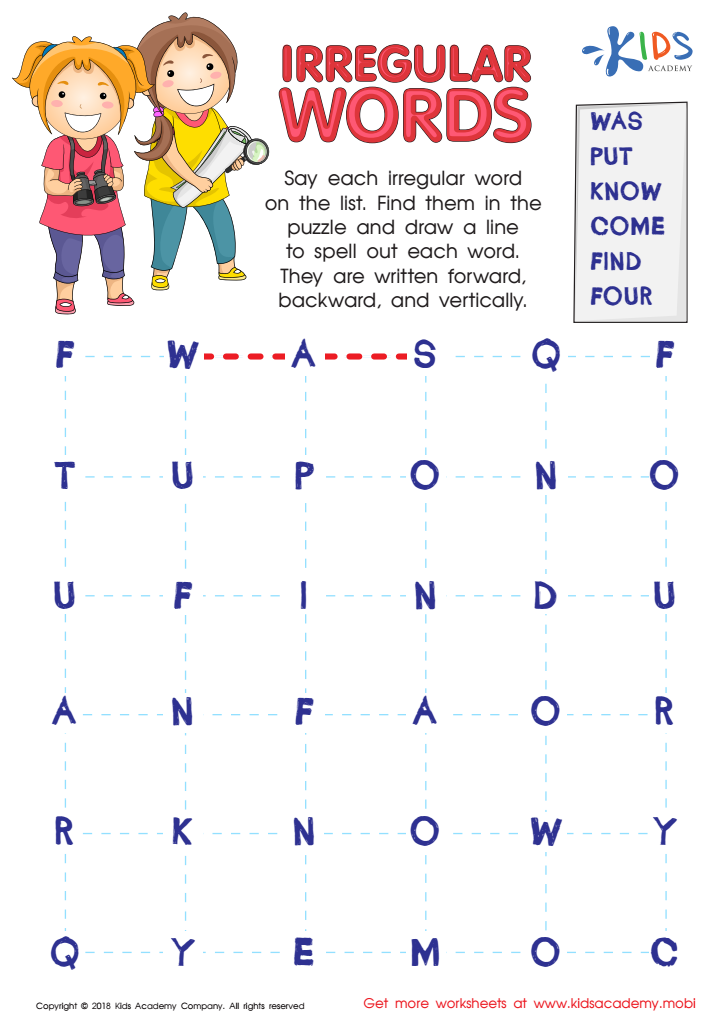
Irregular Words Worksheet
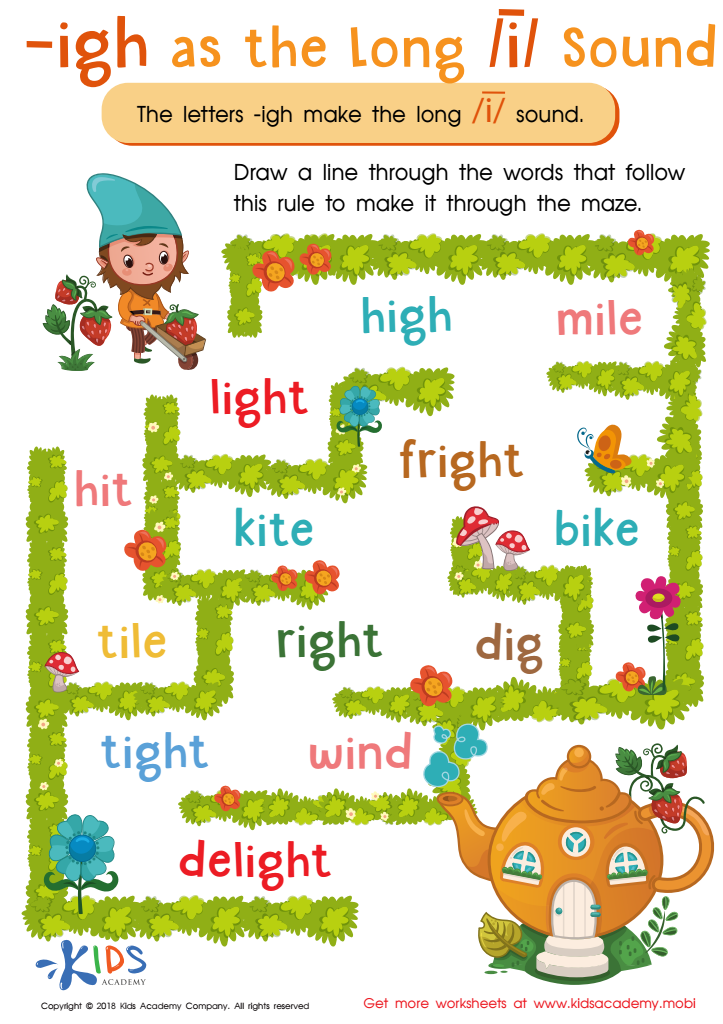
Reading: IGH as Long I Worksheet
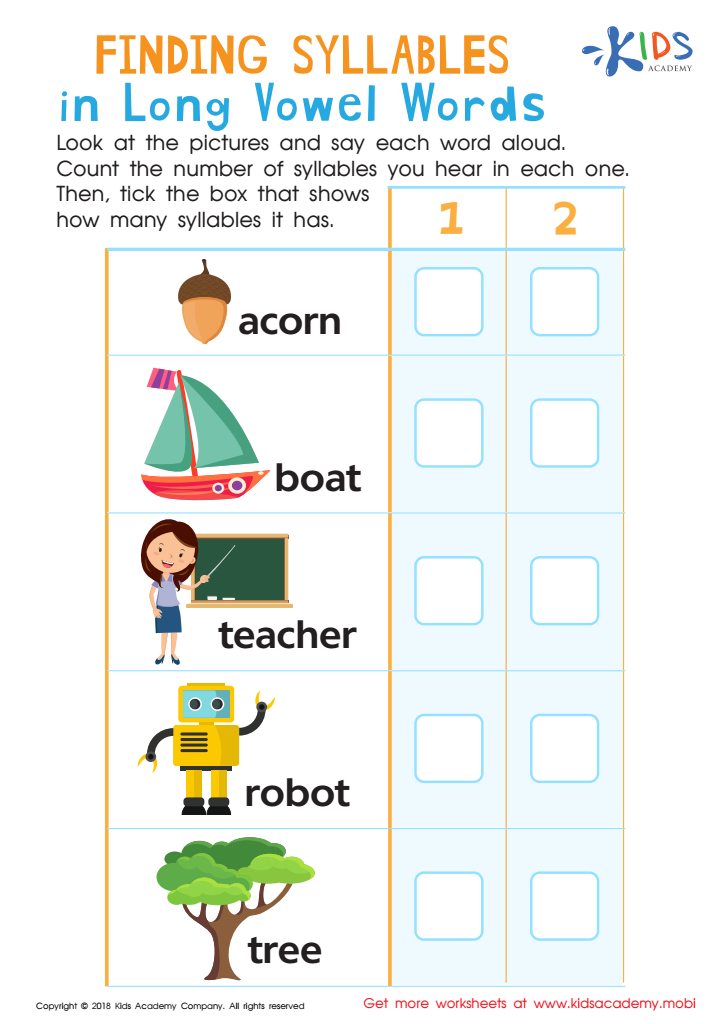
Finding Syllables in Long Vowel Words Worksheet








Vocabulary expansion is crucial for 7-year-olds as it lays the foundation for effective communication, reading comprehension, and academic success. At this age, children are transitioning from learning to read to reading to learn, which makes a rich vocabulary essential. The Normal Alphabet vocabulary introduces children to new words, enhancing their ability to express thoughts clearly and articulate ideas fluently.
Parents and teachers should prioritize vocabulary development because it fosters cognitive growth. A robust vocabulary not only aids in literacy skills but also enhances critical thinking, allowing children to better understand and engage with the world around them. As they encounter more complex texts in school and daily life, a diverse vocabulary empowers them to tackle challenging material with confidence.
Moreover, vocabulary expansion contributes to children's emotional and social development. It enables them to express their feelings and ideas, promoting healthy interactions with peers and adults. It can also aid in reducing frustration and behavioral issues that arise from an inability to communicate.
In essence, supporting vocabulary expansion in 7-year-olds equips them with essential tools for lifelong learning and effective communication, fostering a more successful and enriching educational experience. By nurturing their vocabulary now, we invest in their future.







