Writing practice Normal Alphabet Worksheets for 7-Year-Olds
5 filtered results
-
From - To
Enhance your child's writing skills with our engaging Normal Alphabet Worksheets designed specifically for 7-year-olds. These worksheets offer a fun and interactive way for young learners to practice writing each letter of the alphabet, both uppercase and lowercase. With carefully crafted exercises, children can improve their handwriting, build confidence, and develop fine motor skills. Whether at home or in the classroom, our resources make learning enjoyable and effective. Explore a variety of activities that cater to different learning styles, ensuring every child can master the alphabet through consistent practice. Start nurturing your child's writing journey today with our thoughtfully designed worksheets!
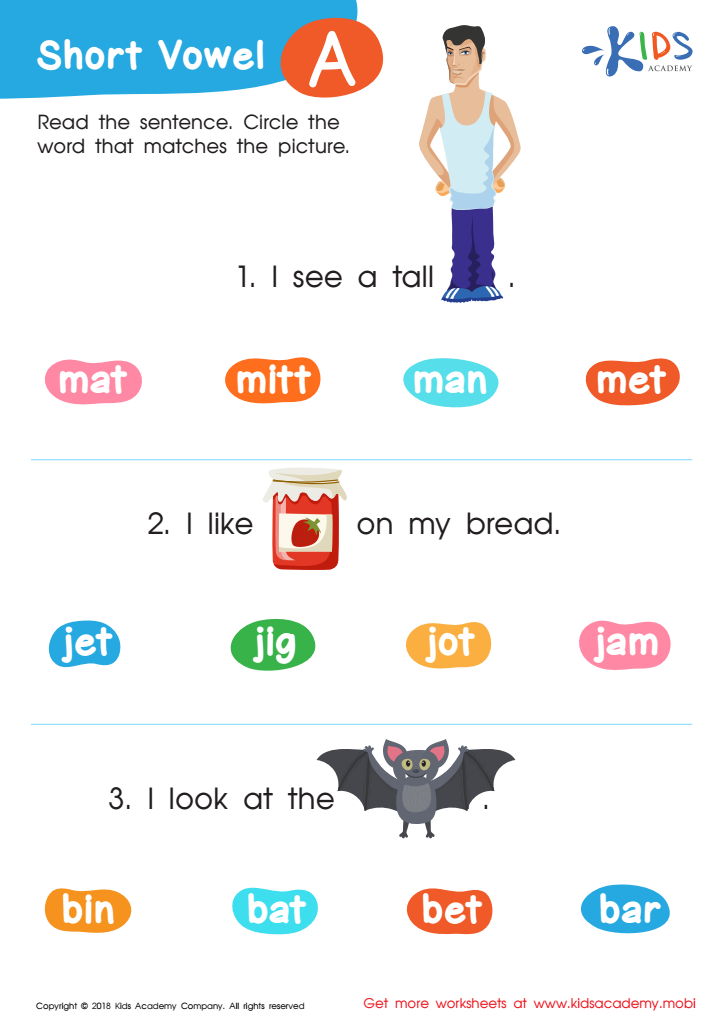
Short Vowel /a/ Worksheet
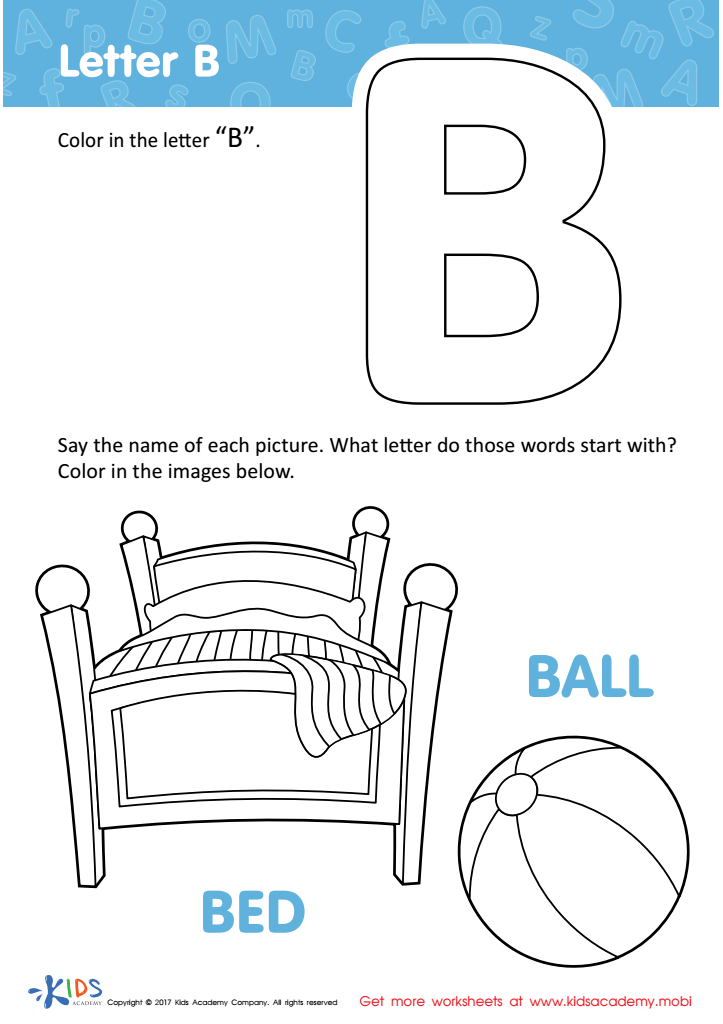
Letter B Coloring Sheet
 Assign to My Students
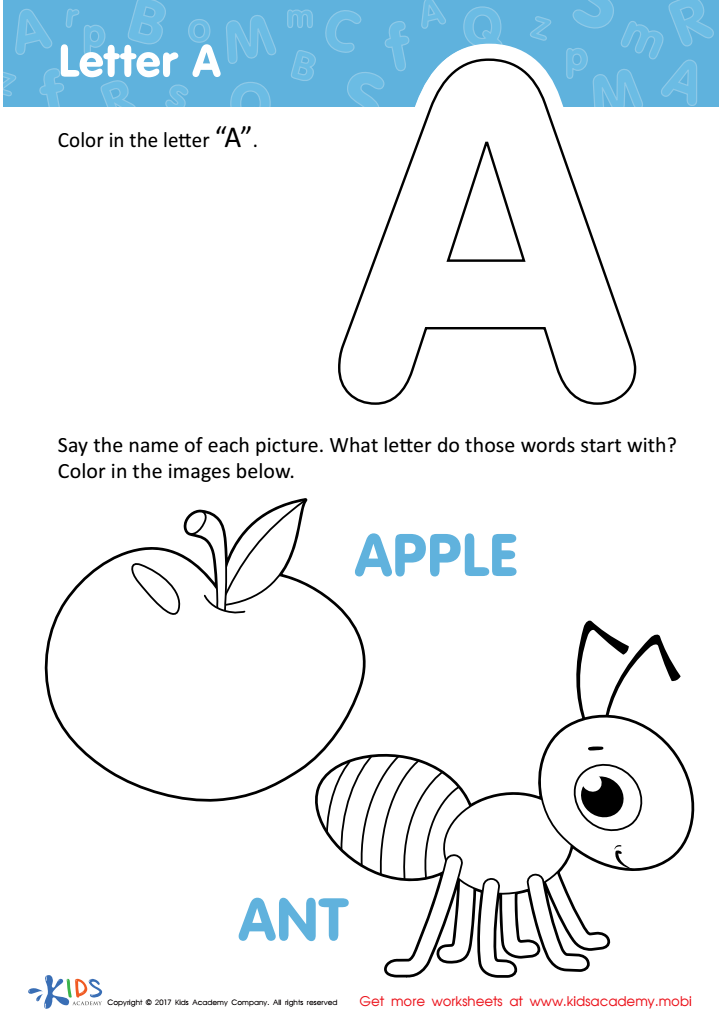
Letter A Coloring Sheet
Assign to My Students
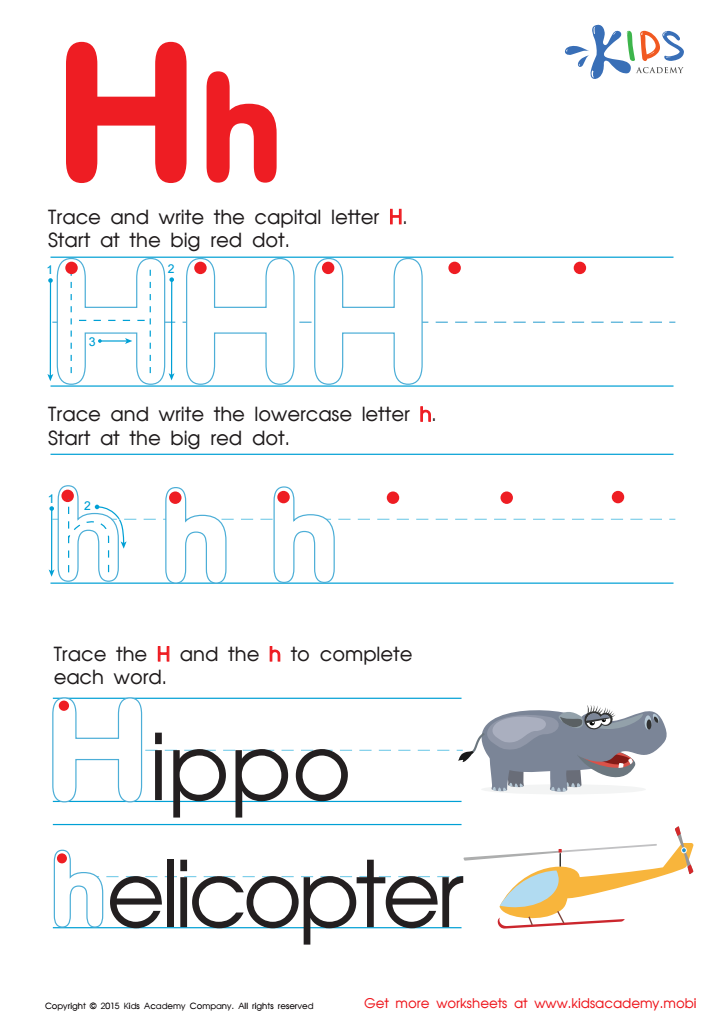
Letter H Tracing Page
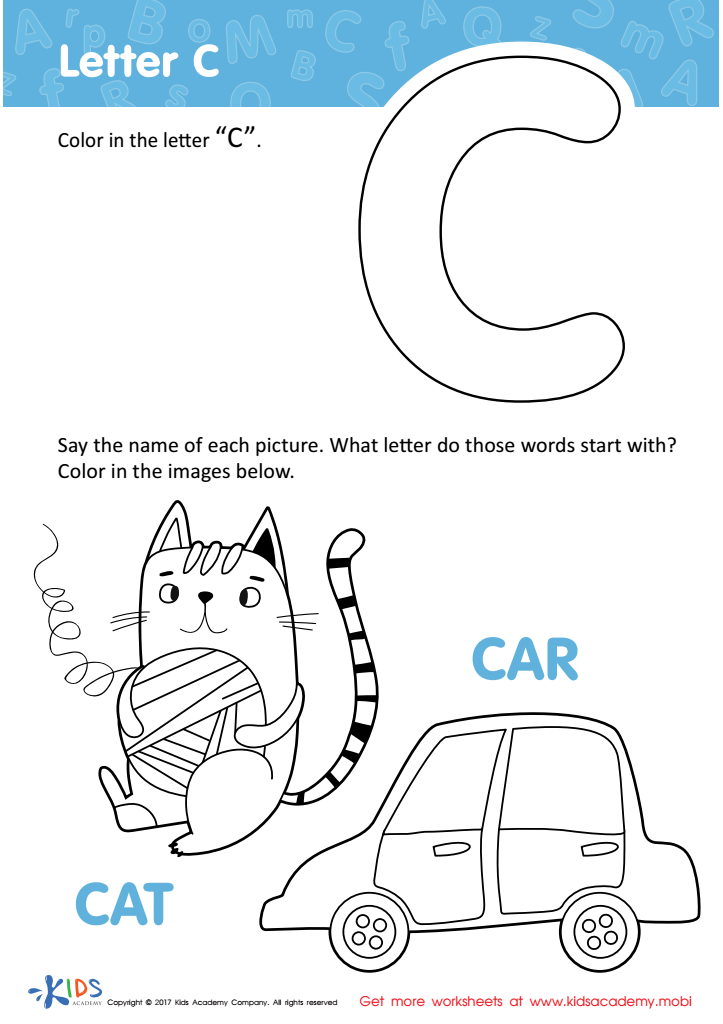
Letter C Coloring Sheet
Assign to My Students








Writing practice with the normal alphabet is crucial for 7-year-olds as it lays the foundation for their literacy skills and overall academic success. At this age, children are developing fine motor skills, which are essential for effective handwriting. Regular writing practice helps them improve their grip, control, and coordination, ultimately leading to more legible, fluent writing.
Additionally, practicing the alphabet reinforces phonics, spelling, and vocabulary acquisition. As children learn to associate letters with their sounds, they become better equipped to decode words, enhancing their reading abilities. This simultaneous development of writing and reading ensures a more holistic approach to literacy.
Moreover, writing encourages self-expression and creativity. When children engage in writing activities, they explore their thoughts and ideas, developing critical thinking skills that are foundational for academic and personal growth. Courage to express themselves verbally and on paper fosters confidence, which can positively influence their participation in school and social interactions.
Lastly, writing is an essential communication skill that children will rely on throughout their lives. By prioritizing writing practice now, parents and teachers can instill a sense of discipline, perseverance, and a love for learning in young learners, helping them navigate both academic challenges and everyday interactions in the future.







