
Analytical thinking Normal Worksheets for 7-Year-Olds
5 filtered results
Difficulty Level
Grade
Age
-
From - To
Subject
Activity
Standards
Enhance your child's cognitive development with our engaging Analytical Thinking Normal Worksheets designed specifically for 7-year-olds. These worksheets promote critical thinking and problem-solving skills through a variety of fun activities. Kids will explore patterns, classify items, and solve puzzles, all while developing their ability to analyze information. Tailored to meet educational standards, our worksheets provide a perfect blend of challenge and enjoyment, making learning a delightful experience. Help your child thrive academically and build a strong foundation for future learning with these creative resources. Visit our webpage to access printable worksheets and watch your child's analytical skills flourish!
Favorites
With answer key
Interactive
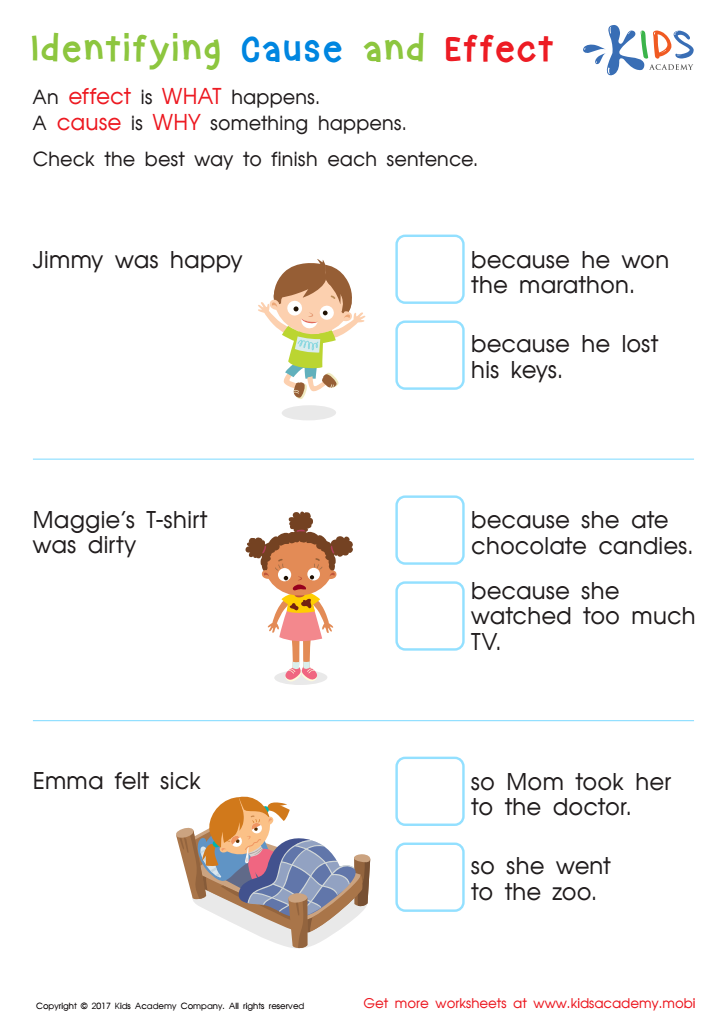
Indentifying Cause and Effect Worksheet
2nd grade cause & effect worksheets give your child practice making connections between events and their results. Fun activities help develop reading and critical thinking skills.
 Assign to My Students
Indentifying Cause and Effect Worksheet
Worksheet
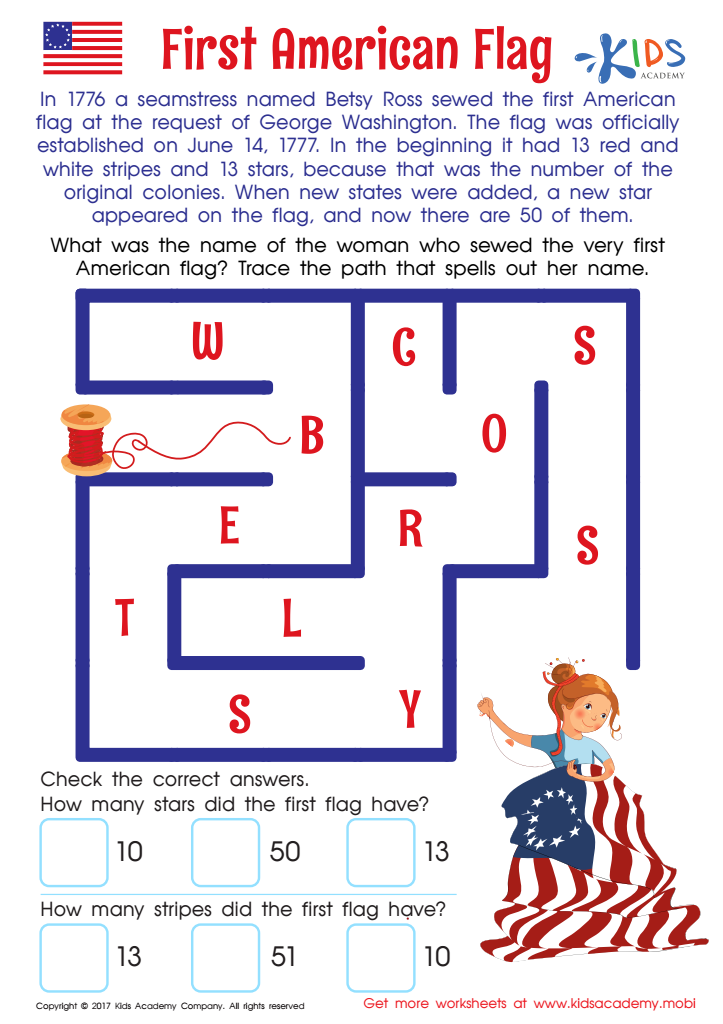
First American Flag Worksheet
Betsy Ross sewed the first American flag at the request of George Washington. This worksheet helps kids learn about this milestone in U.S. history, plus the design and origins of the flag.
First American Flag Worksheet
Worksheet
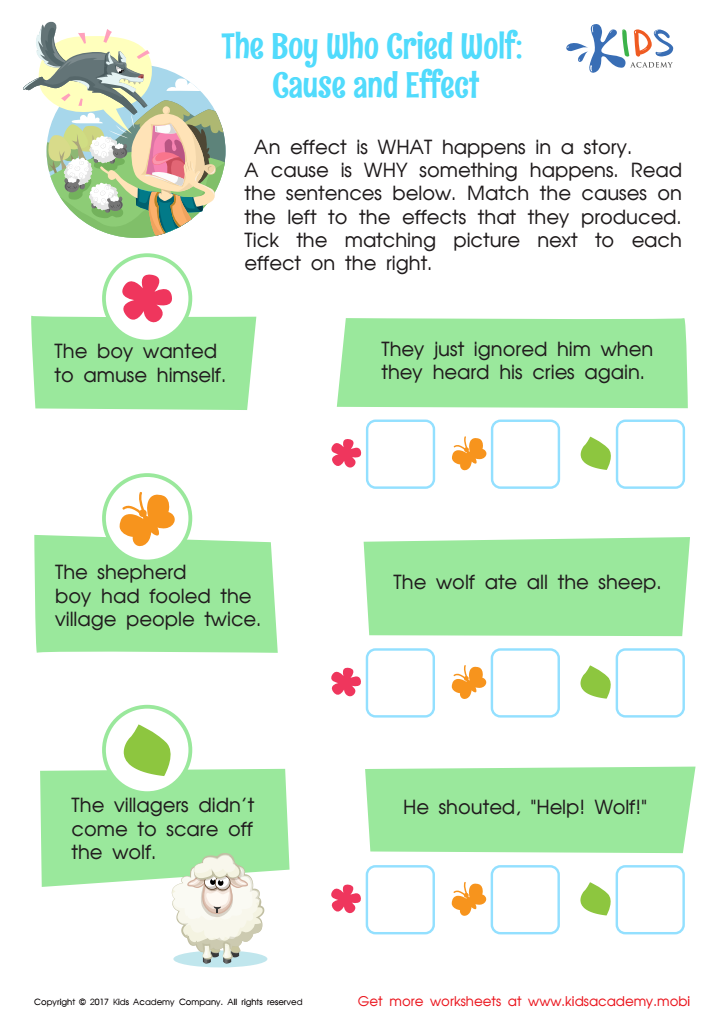
The Boy Who Cried Wolf: Cause and Effect Worksheet
With classic stories and fables, learning reading comprehension is easy - and fun!
The Boy Who Cried Wolf: Cause and Effect Worksheet
Worksheet
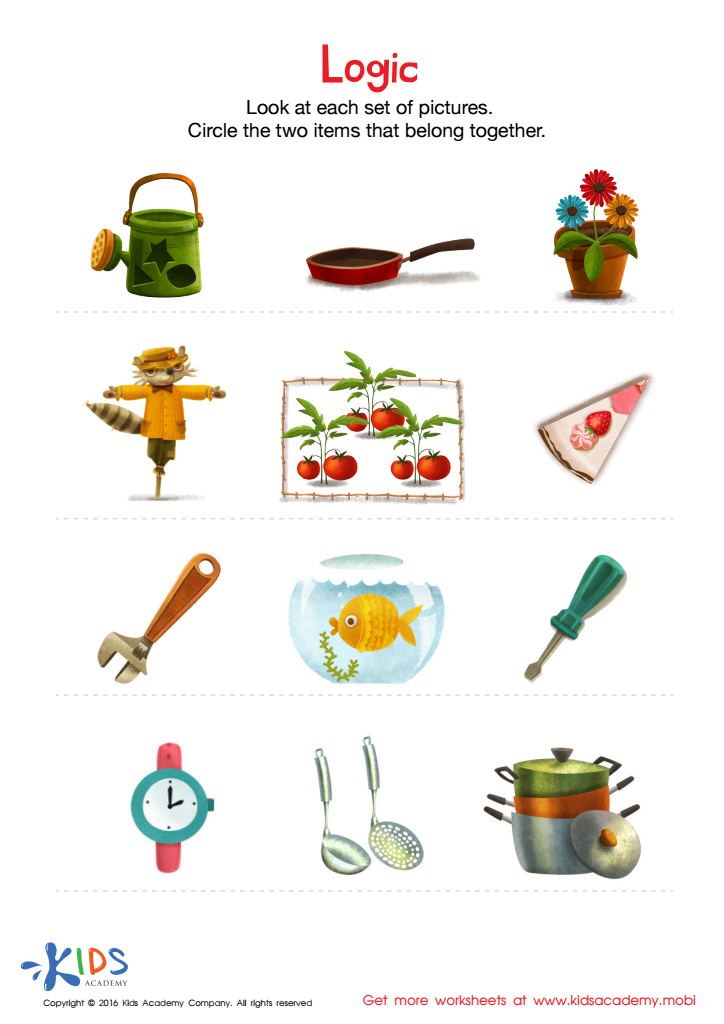
Logic Game Sorting Worksheet
Start your child's logic and reasoning development early with this fun matching worksheet! Through cute images and simple conversations, your little one can learn problem-solving, categorization, and matching skills. Plus, it's a great way for children to explore how items are used in real life. Try it and watch them boost skills with ease and fun!
Logic Game Sorting Worksheet
Worksheet
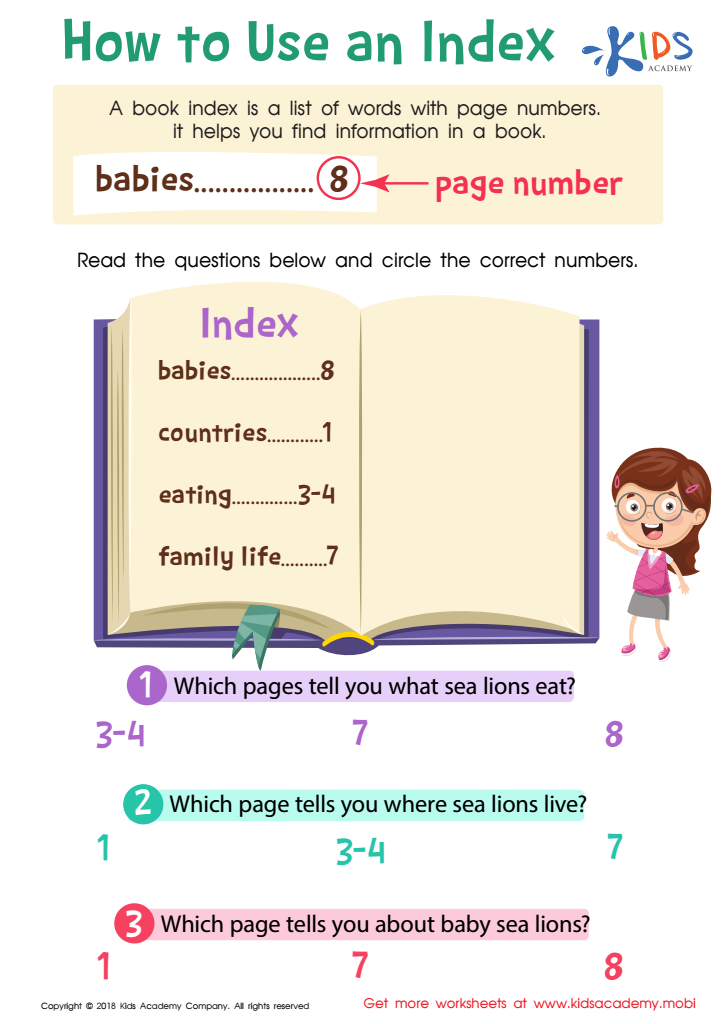
How Use Index Worksheet
Hand your kids a book, point out the index and explain that it's a list of words with page numbers. Ask them to look at the index in the worksheet and circle the correct number to the questions. Every book must have an index to help readers find chapters or information they need.
How Use Index Worksheet
Worksheet
Join Kids Academy for Free
Who is primarily going to use this learning content?








Analytical thinking is crucial for 7-year-olds as it lays the foundation for critical problem-solving skills essential in both academic and everyday contexts. At this age, children begin to encounter more complex concepts and challenges; fostering their analytical thinking helps them approach problems methodically. Parents and teachers should care about this developmental aspect because it enhances children's ability to ask questions, evaluate information, and distinguish between facts and opinions.
Encouraging analytical thinking also boosts children’s creativity, as they learn to explore various solutions to a problem rather than relying on predetermined answers. This skill is vital for fostering independence in learning, enabling children to take initiative and work through challenges on their own.
Furthermore, analytical thinking positively impacts various subjects, enhancing performance in areas like math, science, and reading comprehension. Equipping children with these skills early on prepares them for future academic pursuits and real-world scenarios. Ultimately, fostering analytical thinking in 7-year-olds promotes lifelong learning, resilience, and adaptability, empowering them to navigate future challenges confidently. Therefore, both parents and teachers must prioritize strategies that engage and stimulate analytical thinking for holistic child development.








