Fine Motor Skills Normal Worksheets for 7-Year-Olds - Page 4
75 filtered results
-
From - To
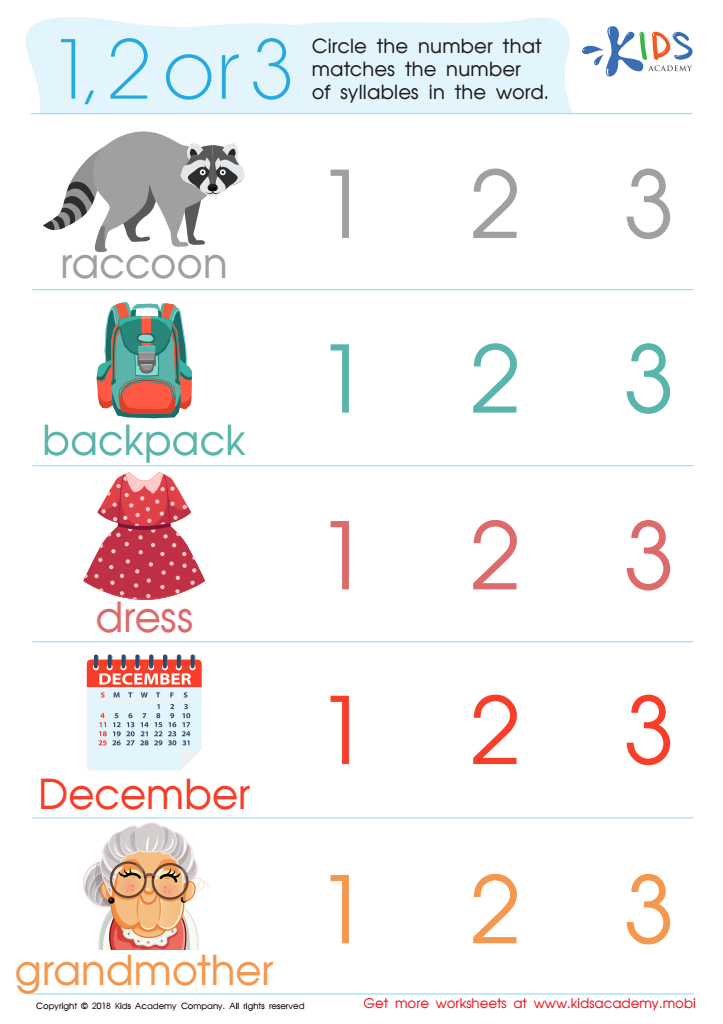
1, 2 or 3? Worksheet
 Assign to My Students

Letter D Tracing Page
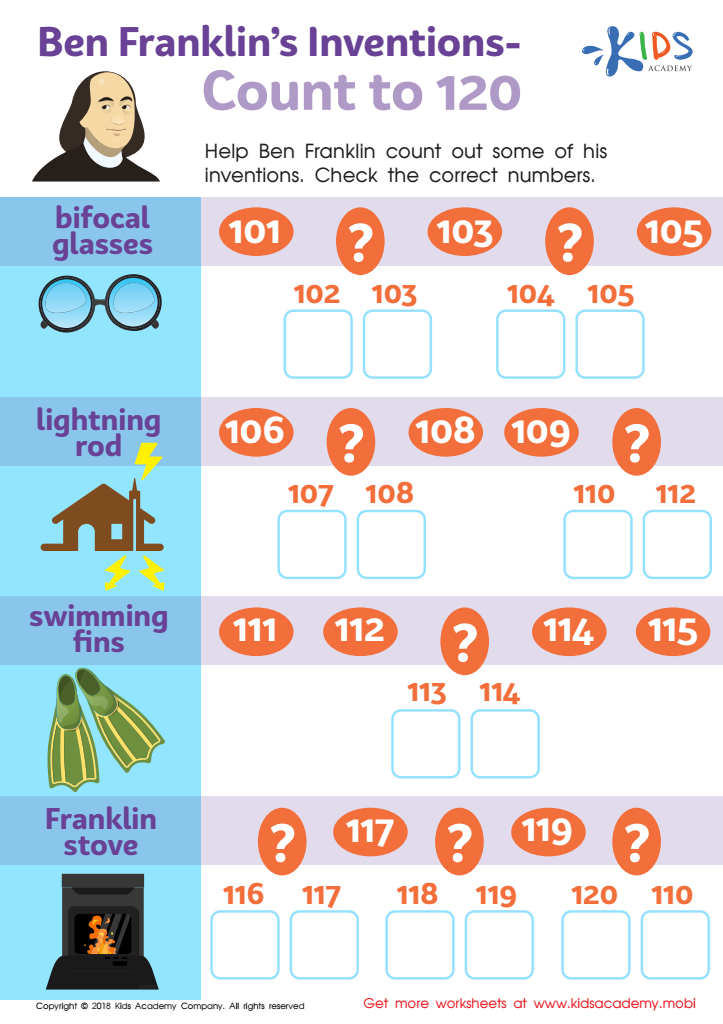
Ben Franklin’s Inventions – Count to 120 Worksheet



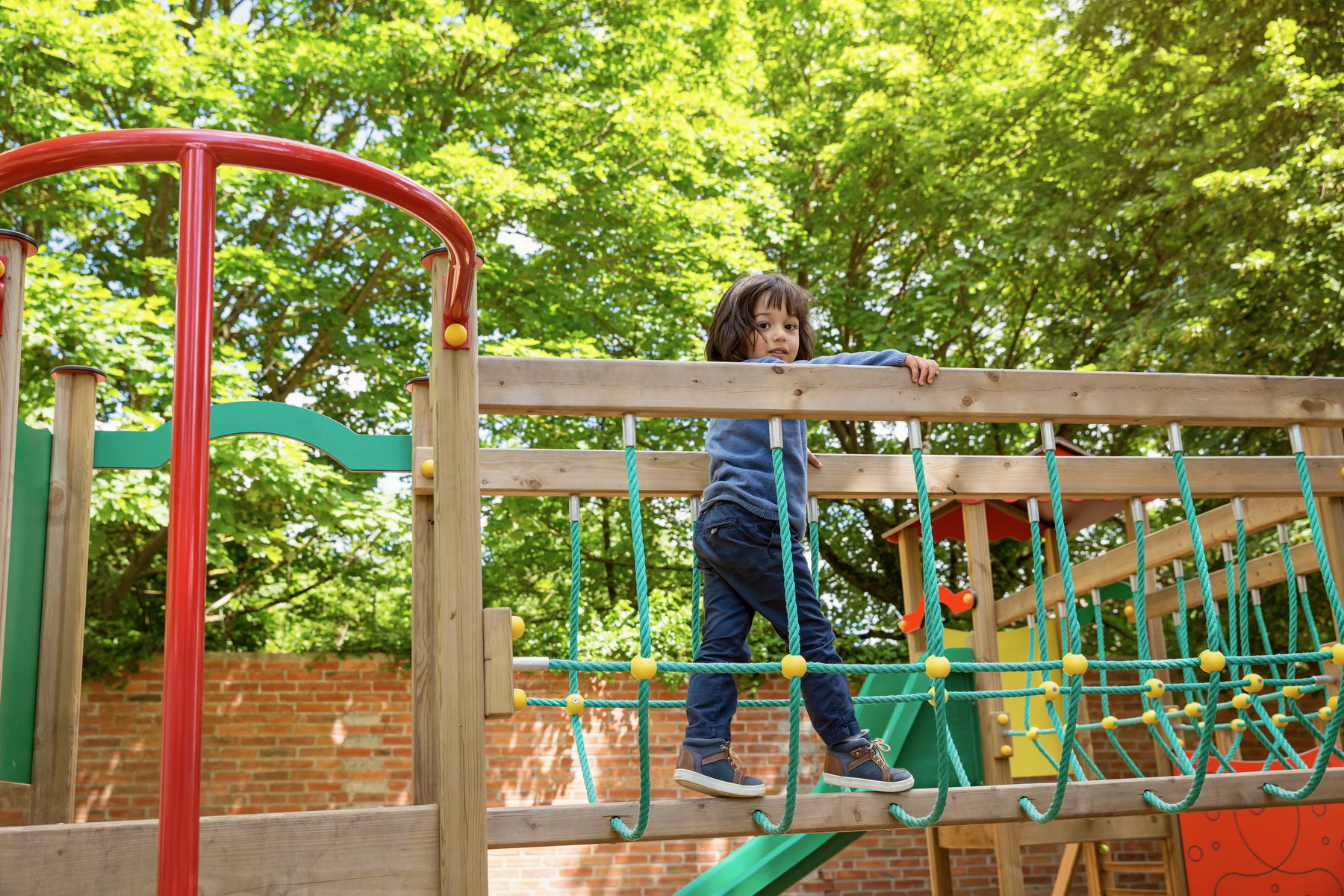


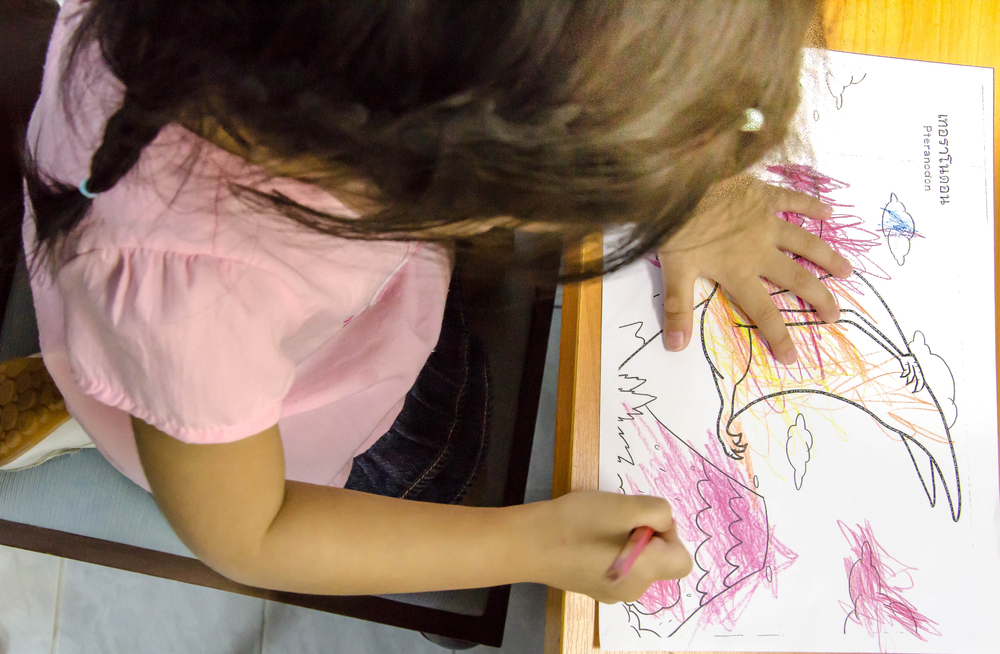

Fine motor skills are crucial for a child’s overall development, particularly by age 7, when children increasingly engage in complex tasks requiring precision and coordination. These skills involve the coordination of small muscles in the hands and fingers, necessary for activities like writing, drawing, buttoning clothes, and using scissors.
Parents and teachers should care about fine motor skills because they significantly impact a child's academic performance and daily life. Proficient fine motor skills enhance a child’s ability to perform classroom tasks, leading to greater confidence and independence. They also play a vital role in social development, as children with strong motor skills may find it easier to participate in cooperative games and art activities, fostering peer relationships.
Additionally, developing these skills can alleviate frustration and anxiety that arise from difficulties in performing tasks that peers may find easy. Recognizing and addressing challenges in fine motor skill development early can aid in implementing appropriate interventions, ensuring that children are supported both at home and in the classroom. This holistic approach underscores the importance of fine motor proficiency as a foundation for lifelong learning and self-sufficiency.








