Understanding history Normal Worksheets for 7-Year-Olds
3 filtered results
-
From - To
Explore our "Understanding History Normal Worksheets for 7-Year-Olds," thoughtfully designed to introduce young learners to the fascinating world of history. Our engaging worksheets encourage curiosity and critical thinking, featuring age-appropriate activities that cover timelines, historical events, and notable figures. These resources promote comprehension and help children make connections between the past and present. Ideal for classroom use or home learning, our printable worksheets foster a love for history while enhancing skills in reading, writing, and analysis. Perfect for budding historians, these worksheets ensure learning is not only educational but also fun and interactive!
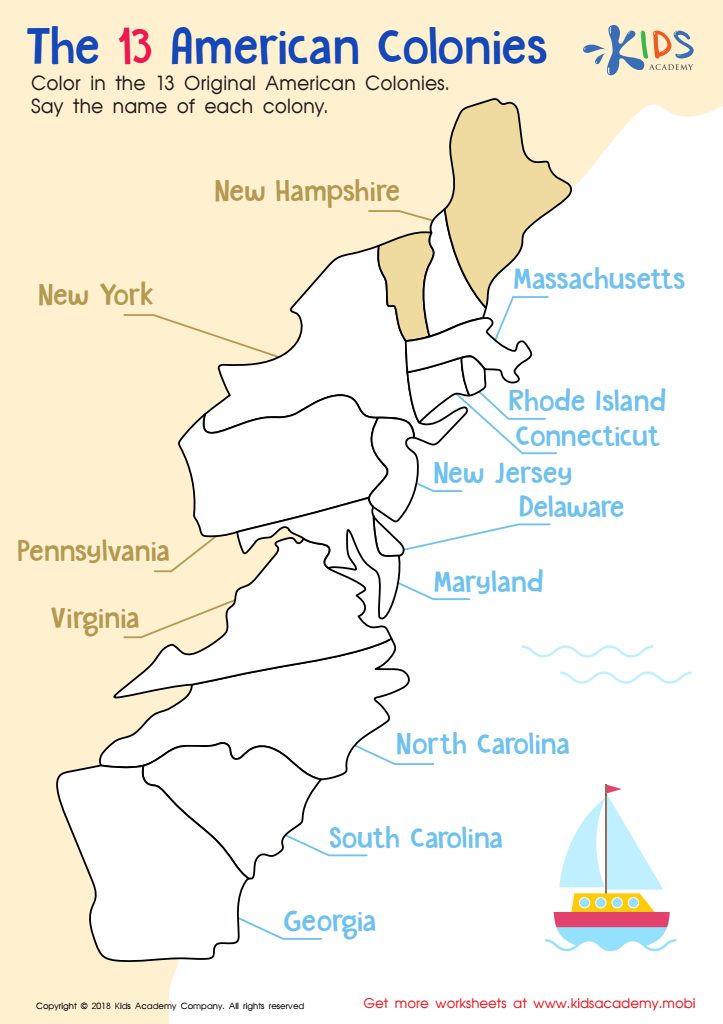
The 13 American Colonies Worksheet
 Assign to My Students
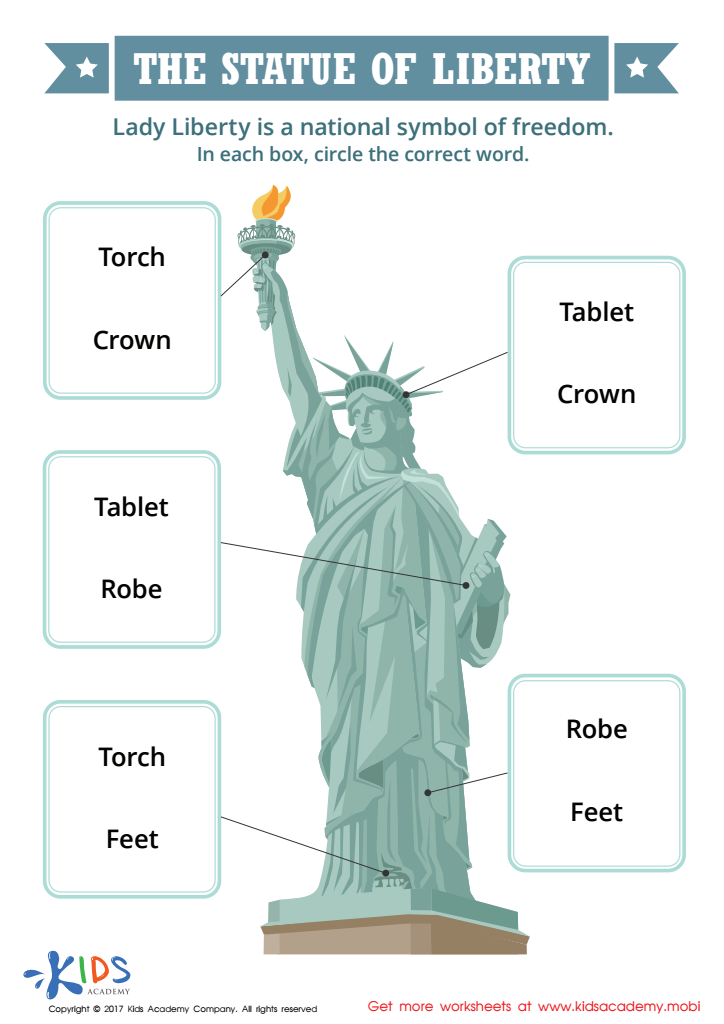
The Statue of Liberty Printable
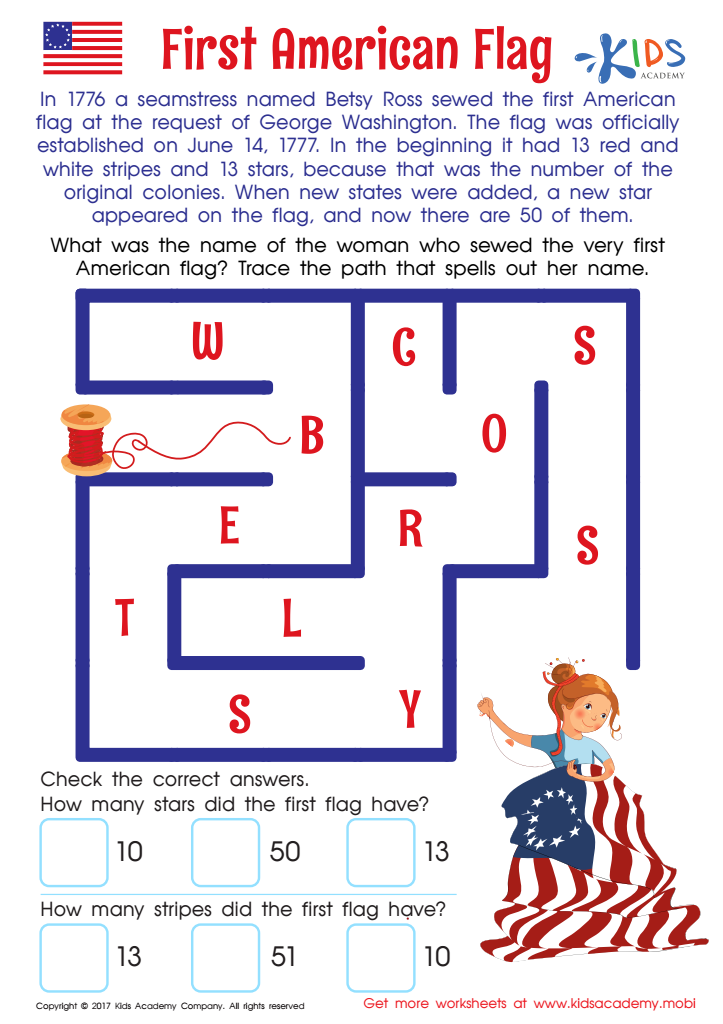
First American Flag Worksheet


.jpg)





Understanding history is crucial for 7-year-olds because it helps them make sense of the world around them. At this age, children are naturally curious about where they come from and how things have changed over time. By learning history, they can connect with their own heritage, developing a sense of identity and belonging.
History also teaches important lessons about people, events, and cultures, fostering empathy and understanding. When children learn about diverse historical figures and communities, they start to appreciate differences and similarities among people, promoting respect and inclusivity.
Additionally, history encourages critical thinking. Children learn to ask questions, analyze sources, and think about different perspectives. This skill is essential not only in understanding the past but also in navigating contemporary issues they might encounter.
For parents and teachers, fostering an understanding of history in young learners can spark imagination, inspire creativity, and enhance communication skills. It equips children with the tools to discuss topics openly and enables informed dialogue about current events as they grow. Ultimately, a foundation in history shapes responsible, engaged citizens, ensuring they appreciate the complexities of society and contribute positively to their communities.








