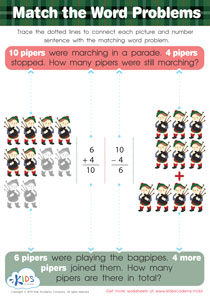
Addition Practice Normal Addition Worksheets for 7-Year-Olds
10 filtered results
-
From - To
Explore our engaging Addition Practice Normal Addition Worksheets designed specifically for 7-year-olds! These colorful and interactive worksheets provide essential practice to build foundational addition skills. Perfect for home or classroom use, our materials help children enhance their mathematical understanding and boost confidence through fun exercises. Each worksheet varies in difficulty, ensuring kids can progress at their own pace. With playful themes and relatable scenarios, learning addition becomes an enjoyable adventure. Watch as your child transforms into a skillful mathematician while mastering basic addition concepts! Visit us now for ready-to-print worksheets that make math fun and effective!
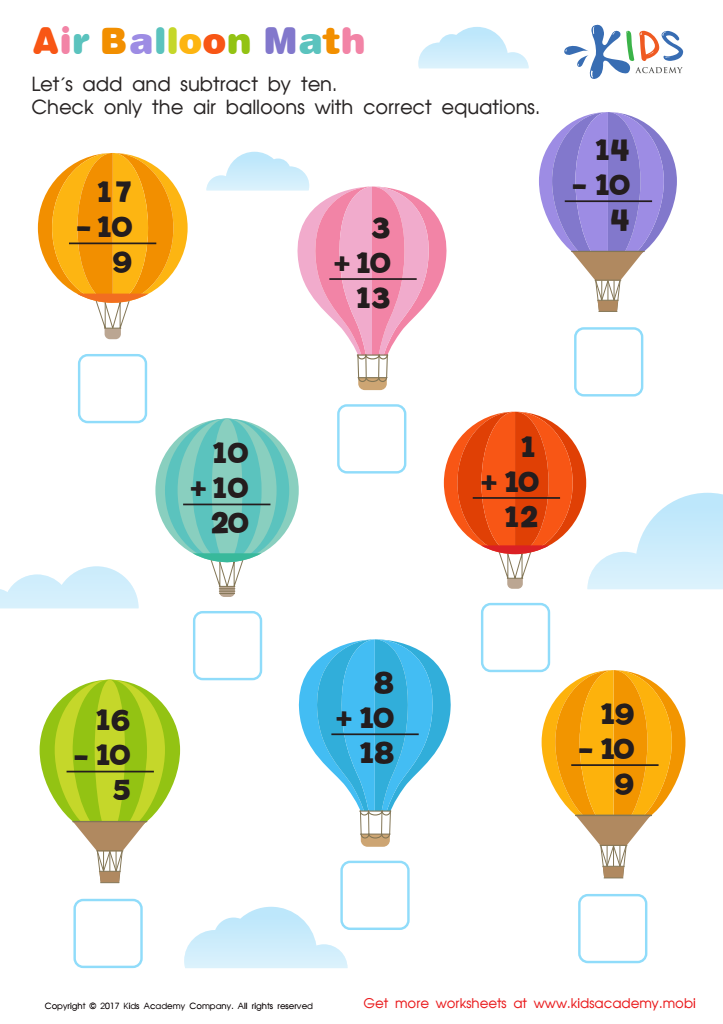
Air Balloon Math Worksheet
 Assign to My Students
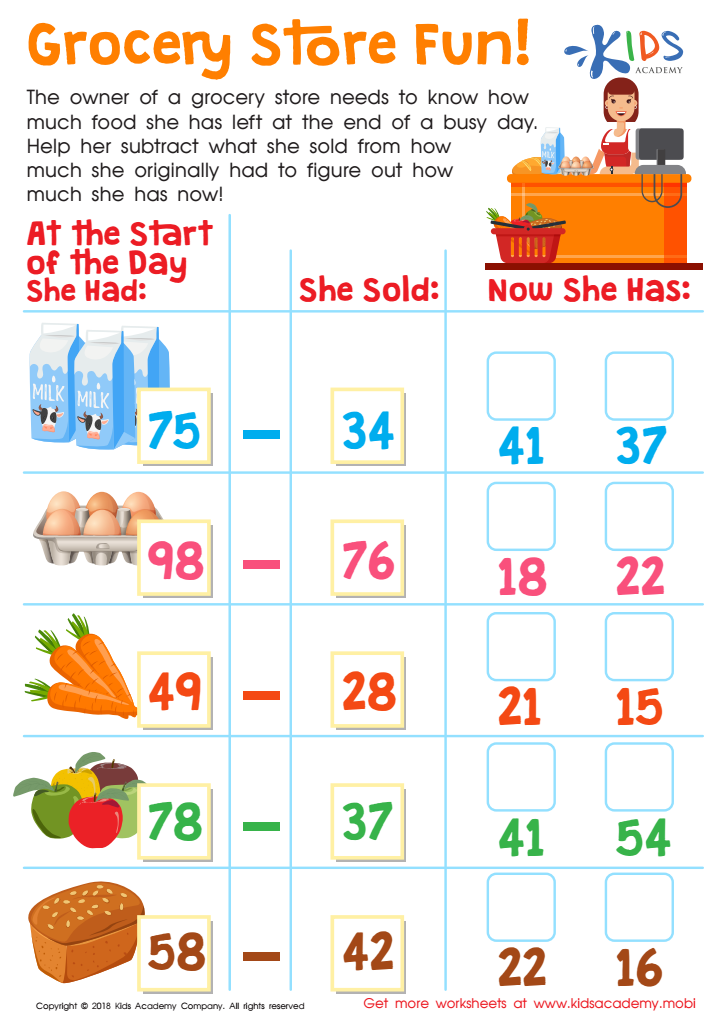
Grocery Store Fun! Worksheet
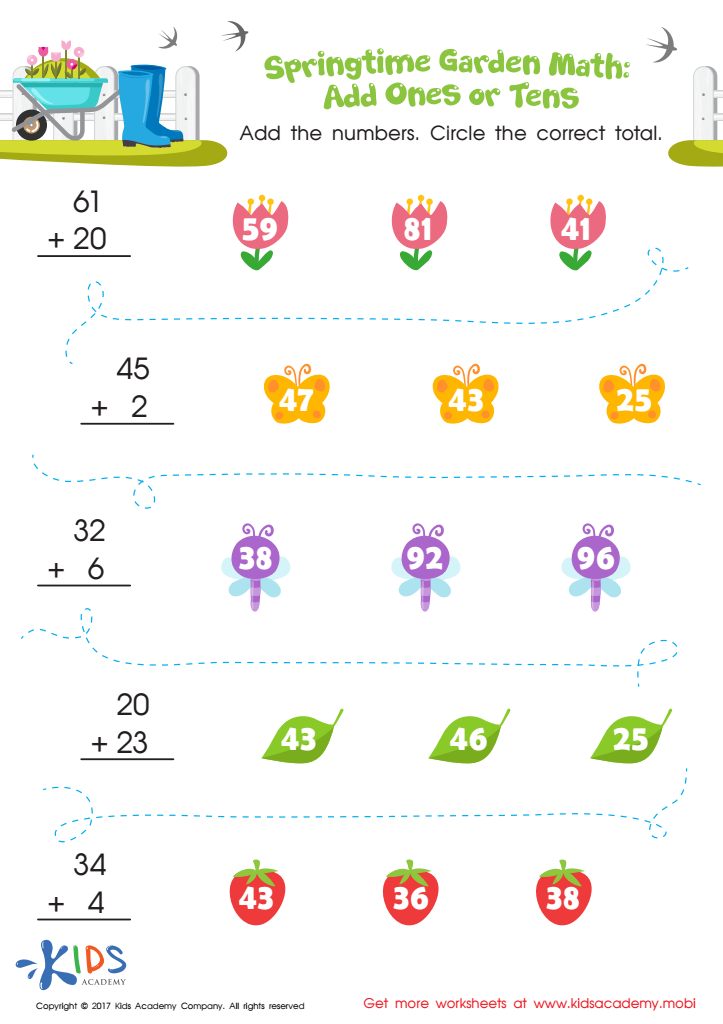
Springtime Garden Math Worksheet
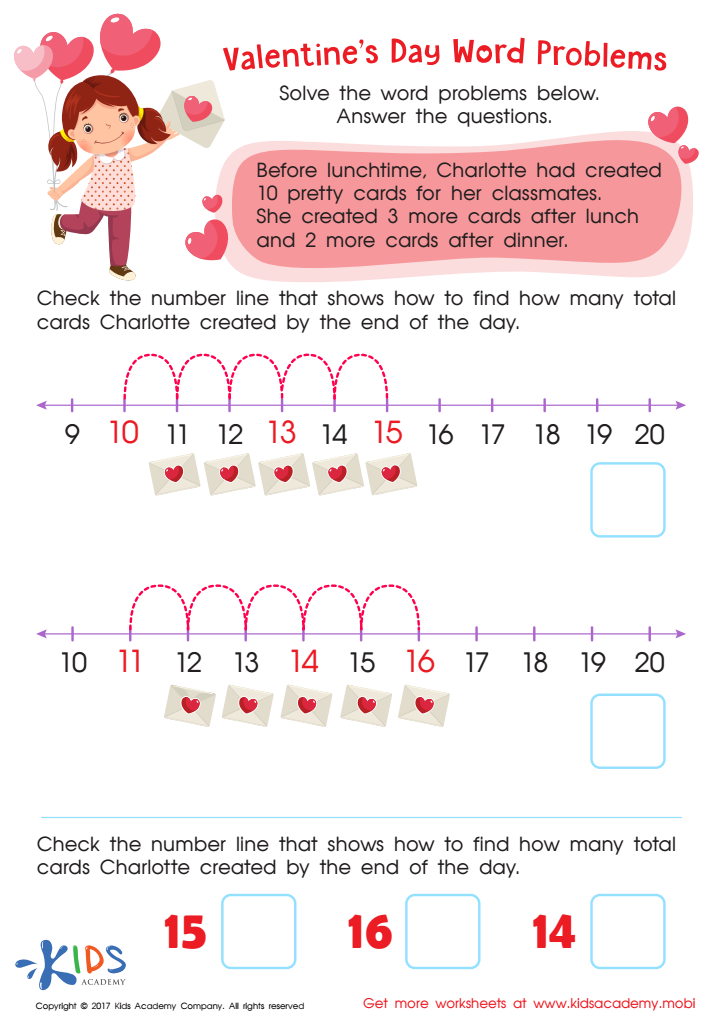
Valentines Day Word Problem Worksheet
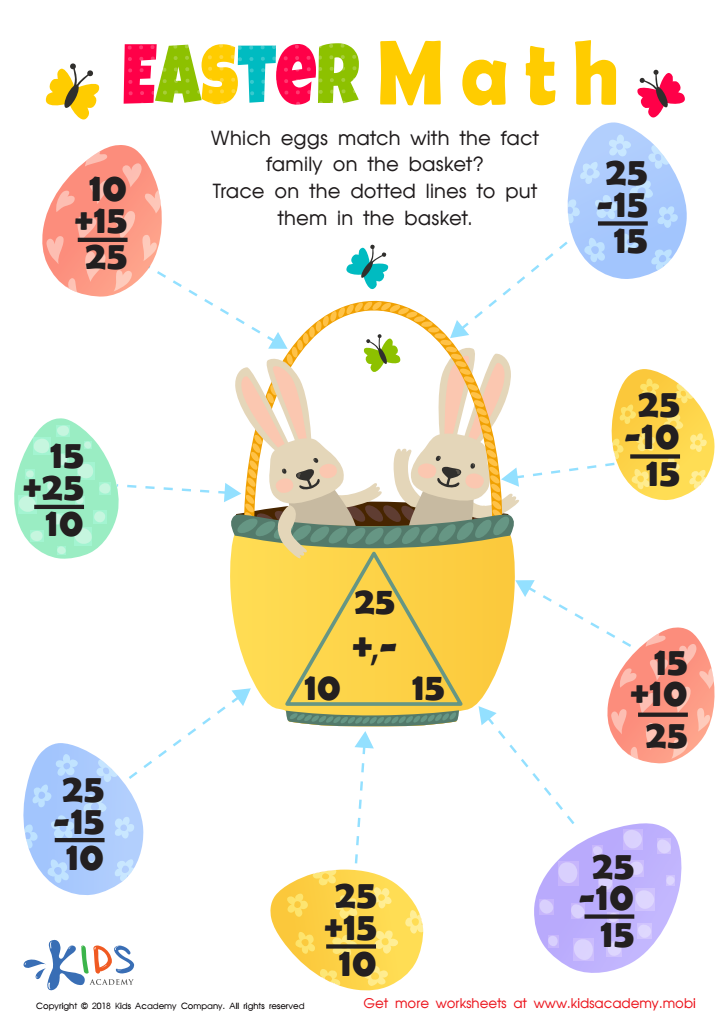
Fact Families: Easter Math Worksheet
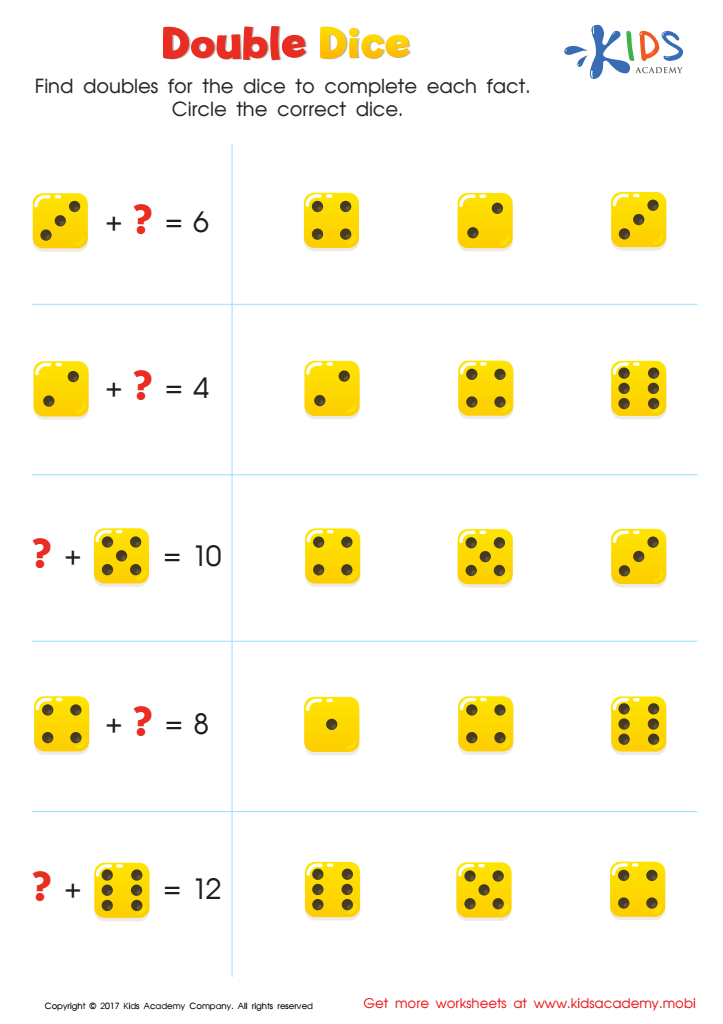
Addition Facts: Double Dice Worksheet
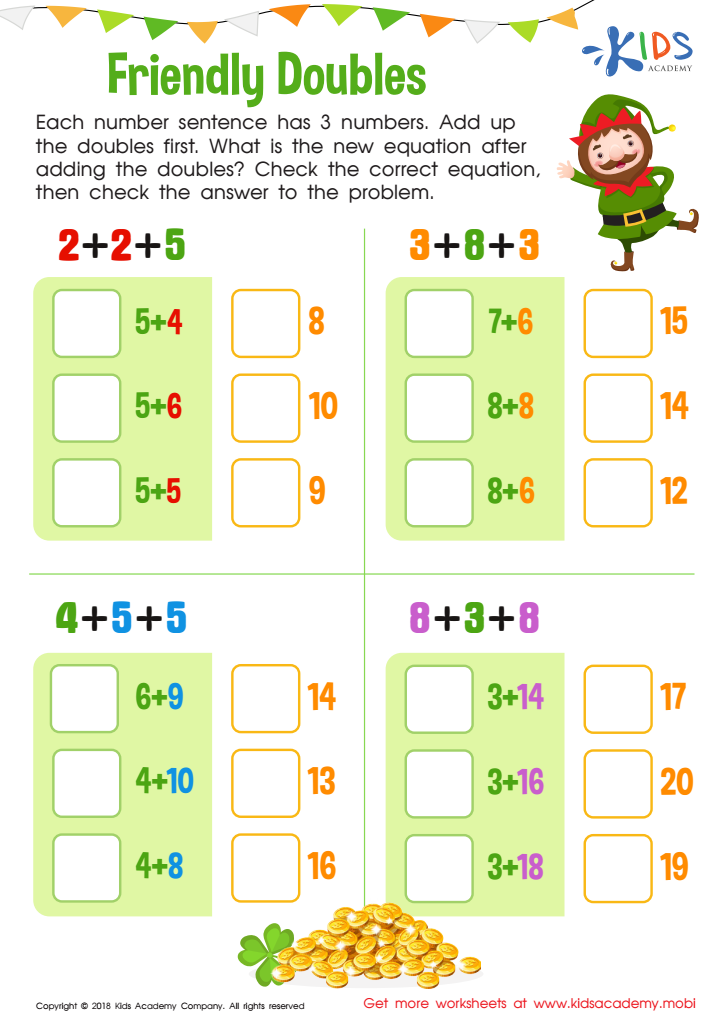
Friendly Doubles Worksheet
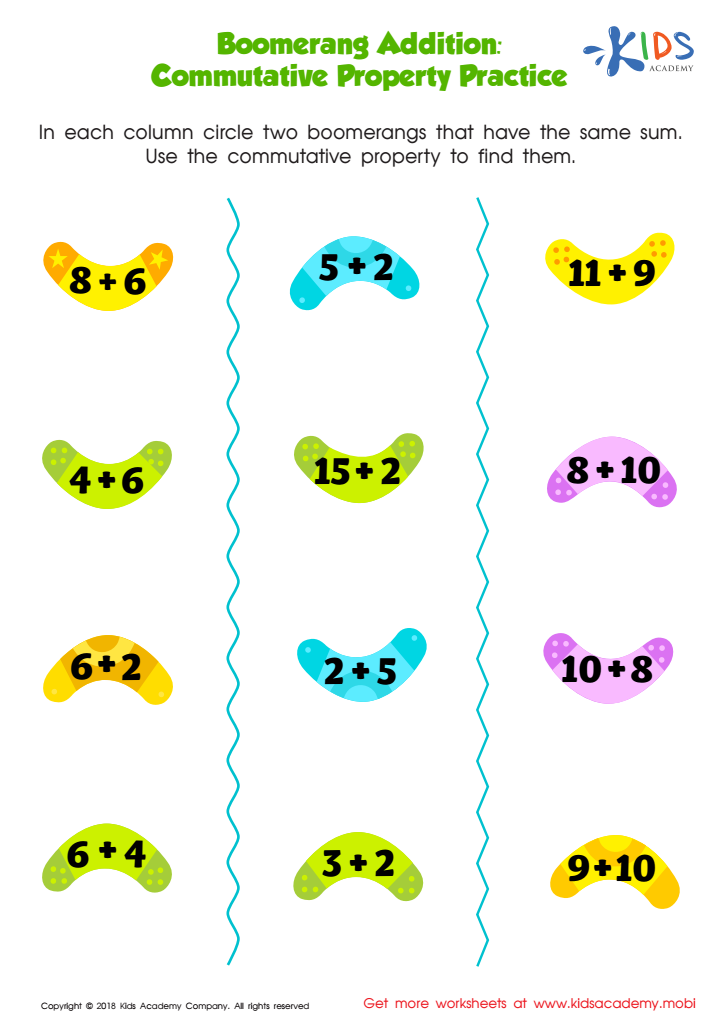
Boomerang Addition Worksheet
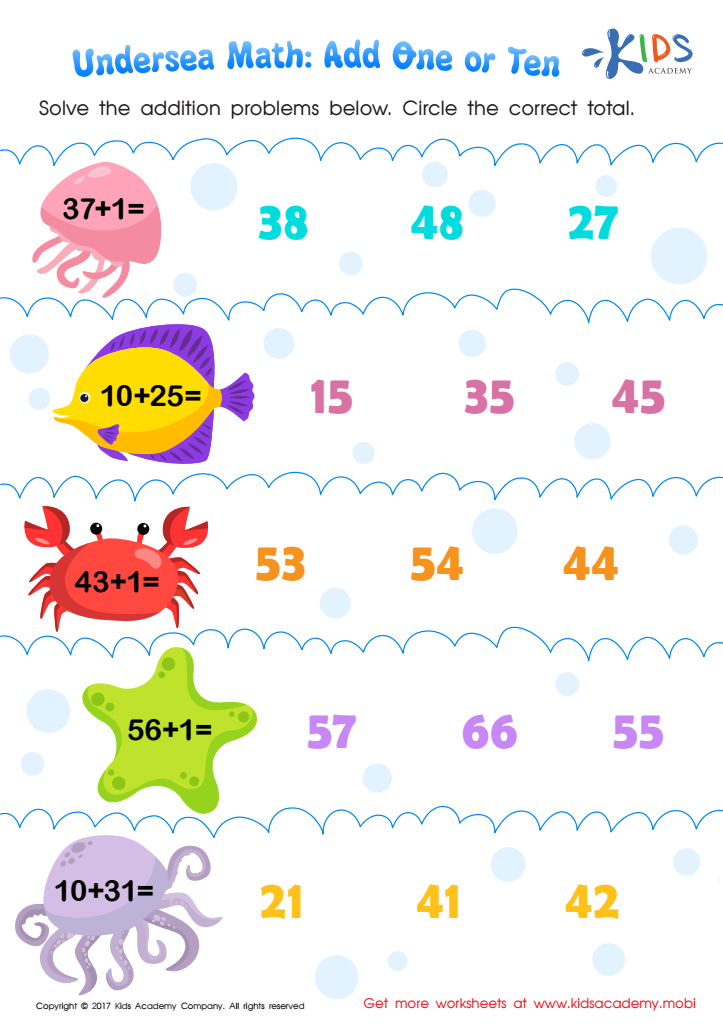
Undersea Math Worksheet
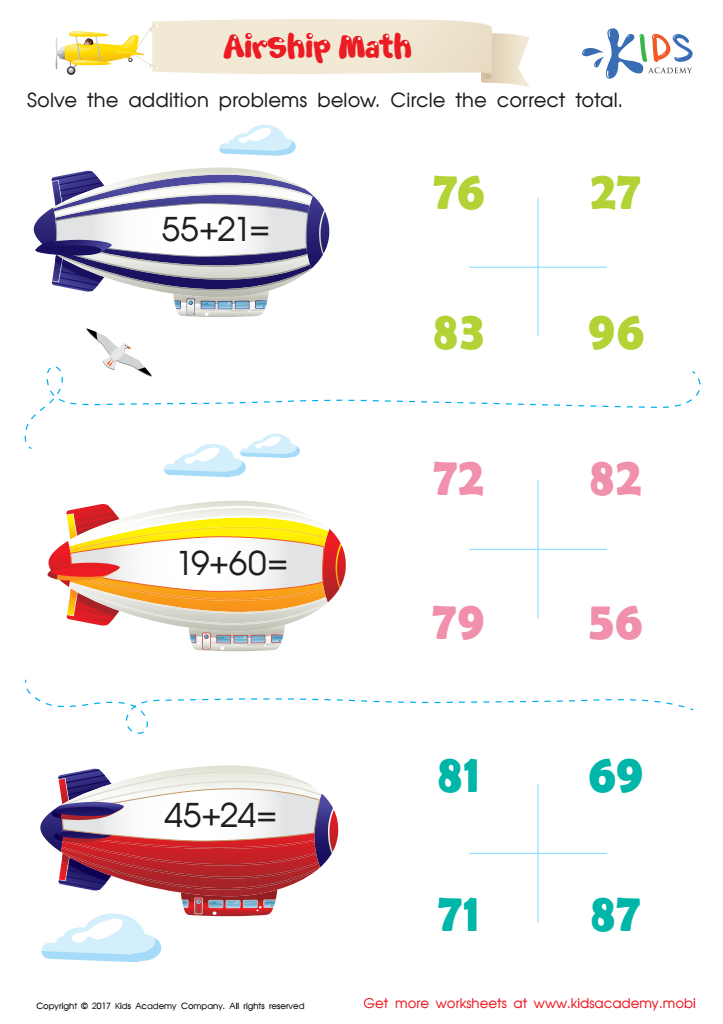
Airship Math Addition Printable






.jpg)

Addition practice is crucial for 7-year-olds as it forms the foundation for their overall mathematical understanding. At this stage, children are typically in second grade, where they encounter more complex math concepts. Regular practice helps solidify basic addition skills, enabling students to handle larger numbers and multi-digit addition with confidence.
Furthermore, strong addition skills enhance critical thinking and problem-solving abilities. When children can easily add numbers, they can focus on applying these skills in real-life situations, such as budgeting, shopping, or measuring ingredients in cooking. This practical application fosters a positive attitude towards math and encourages a lifelong love for learning.
Additionally, practicing addition can improve a child's cognitive skills, including memory and concentration. Repetition through various engaging methods—like games, worksheets, or interactive online resources—keeps practice enjoyable and helps retain knowledge.
It’s essential for parents and teachers to support this practice, as children often develop enduring attitudes towards math during this formative stage. By prioritizing addition practice, they can lay the groundwork for future success in math and academics while building their child's self-esteem and confidence in their abilities. Ultimately, this involvement leads to stronger educational outcomes and prepares children for increasingly challenging mathematical concepts.