Number Recognition Normal Counting Worksheets for 7-Year-Olds
3 filtered results
Difficulty Level
Grade
Age
-
From - To
Subject
Activity
Standards
Our Number Recognition Normal Counting Worksheets for 7-Year-Olds are tailored to make math fun and engaging. These worksheets help young learners develop essential counting skills and recognize numbers effortlessly. Designed by educational experts, each printable activity combines colorful illustrations with interactive exercises to boost your child's number fluency and confidence. Suitable for both classroom and at-home learning, these worksheets make mastering math both enjoyable and easy. Ensure your child achieves academic success and a strong mathematical foundation while having fun with our expertly crafted counting resources. Perfect for young, eager minds!
Favorites
With answer key
Interactive
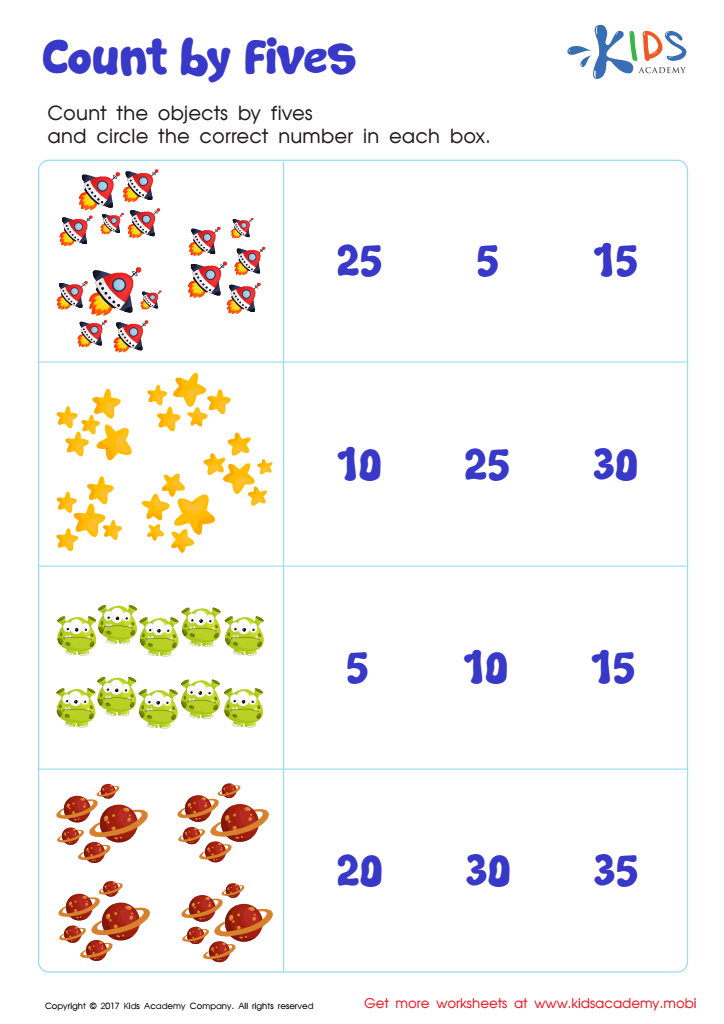
Skip Counting by 5s: Space Math Printable
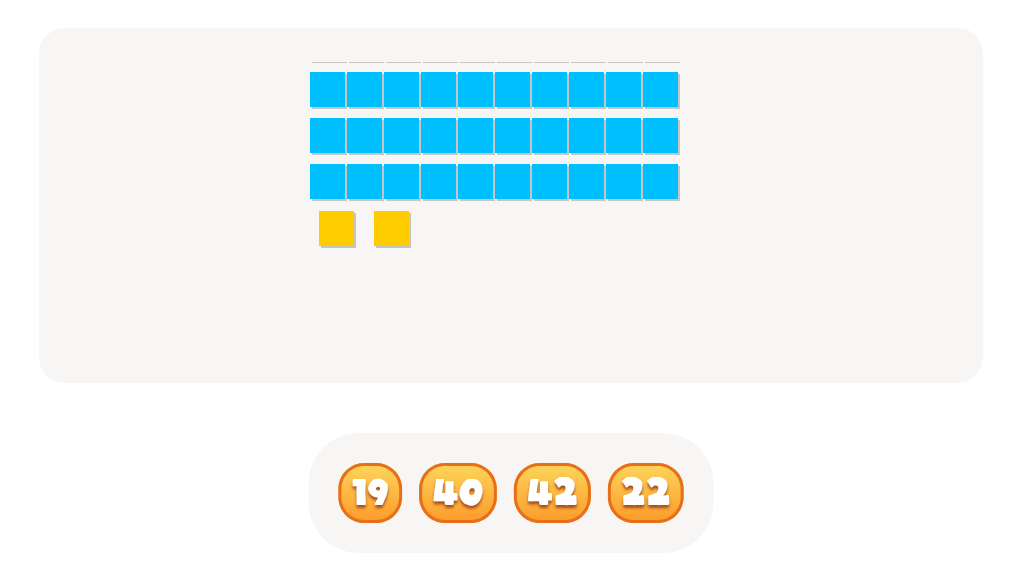
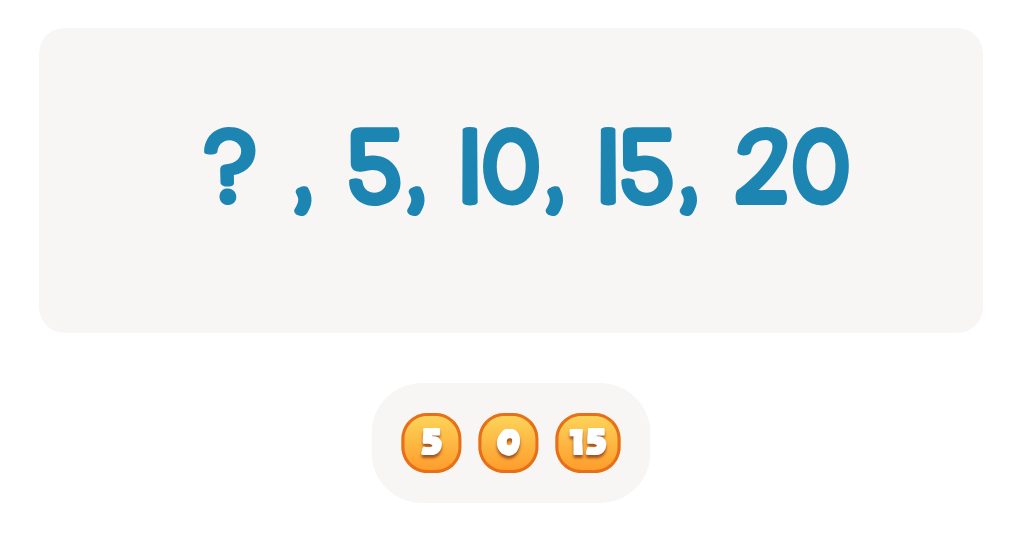
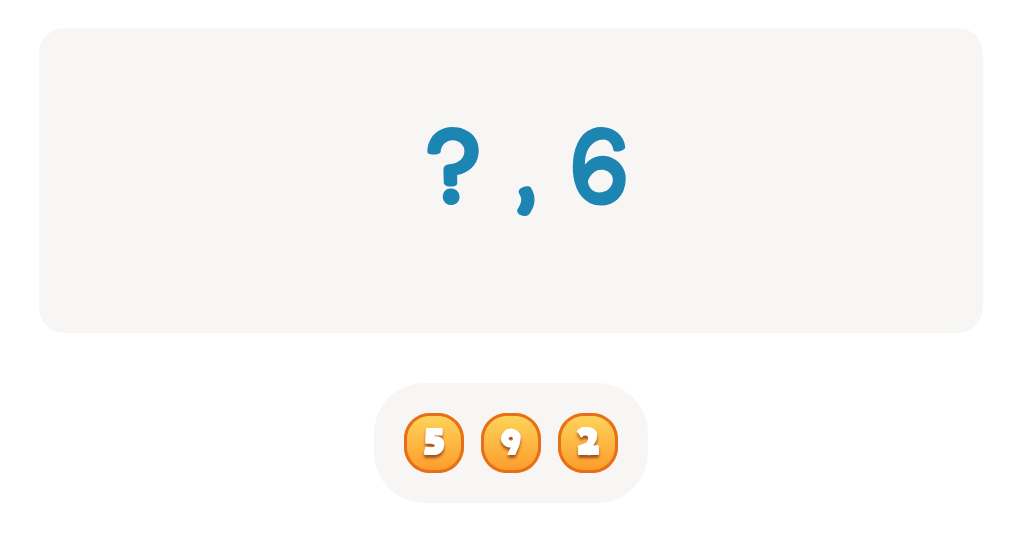
This worksheet will provide your child with fun and practice counting by 5's. It'll help them visually count numbers, use problem solving skills and make connections between individual and groups of numbers. Counting money and various math concepts will become easier with this invaluable skill. Blast off with this fun and educational worksheet featuring space graphics.
 Assign to My Students
Skip Counting by 5s: Space Math Printable
Worksheet


Count by 2's: Trains Worksheet
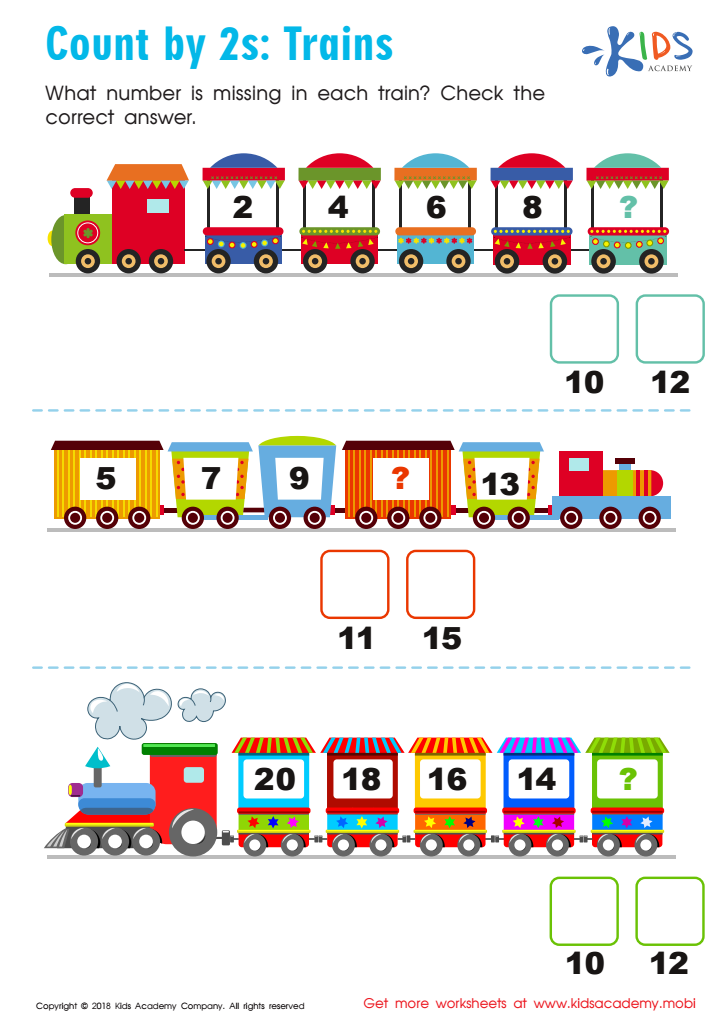
Teaching your kids quick computations? Get them skip-counting by 2s! They'll love filling in the colors of the train while counting, and it will help with 'counting up' or backward on paper or in their heads - essential for quick computations later.
Count by 2's: Trains Worksheet
Worksheet
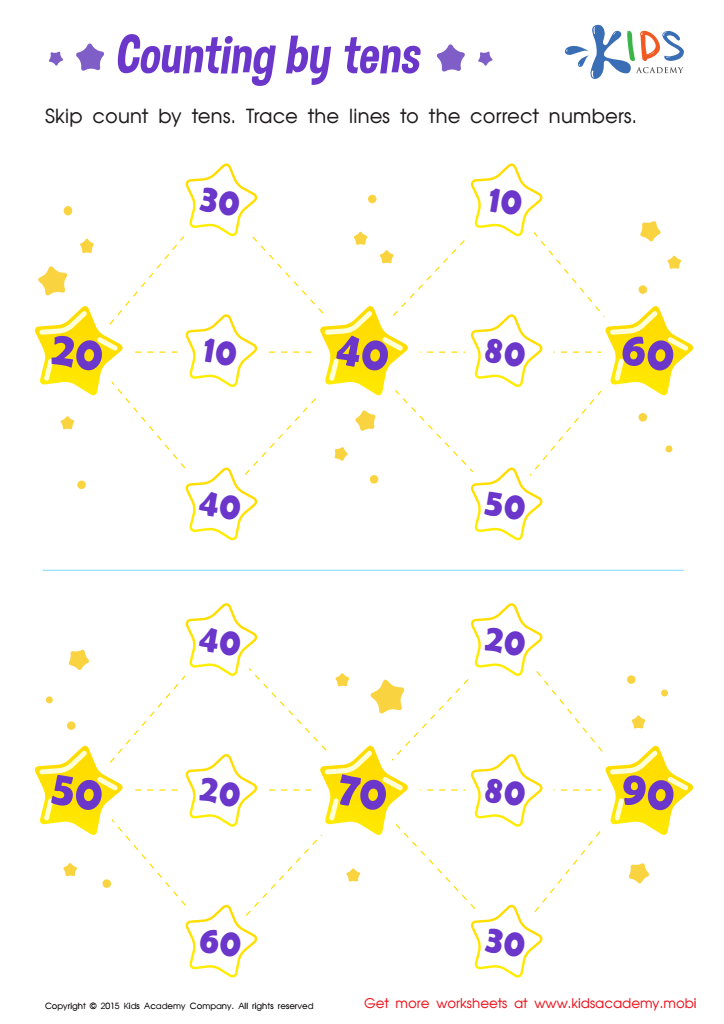
Learn Dozens: Counting by Tens Printable
Kindergartners need to learn skip counting - counting in number groups - to increase number sense and be ready for more advanced math. Our kindergarten worksheet featuring a starry trip to outer space will help your child practice this valuable skill. Your child will choose correct answers to trace the lines to the stars, building fluency in skip counting. They'll also strengthen problem solving and see the pattern it creates. Get your little learner to the next level with this skip counting worksheet!
Learn Dozens: Counting by Tens Printable
Worksheet
Join Kids Academy for Free
Who is primarily going to use this learning content?







Number recognition and normal counting are foundational skills critical for 7-year-olds, shaping their mathematical understanding and overall cognitive development. By this age, children traverse early mathematics concepts that pave the way for more complex problem-solving and logical reasoning.
First, strong number recognition skills enable children to identify, categorize, and understand the relationships between digits. This basic step is crucial for all upcoming mathematical operations they will learn, such as addition, subtraction, multiplication, and division. Recognizing numbers seamlessly equips children to tackle everyday tasks involving time, money, and measurement— essential life skills.
Normal counting, involving counting in sequences (by ones, twos, fives, tens, etc.), enhances a child's number sense. It allows them to grasp concepts of quantity, size, and order, fostering an intuitive understanding of how numbers operate within our real world. Proper counting is a gateway to comprehending the concept of 'more or less,' and equally important, enables children to estimate, a key skill in both academics and daily living.
Additionally, successful number recognition and counting boost a child's confidence in their abilities, fostering a positive attitude towards learning. This empowerment can lead to higher engagement and curiosity in other academic areas, continually propelling them towards cognitive growth and academic success. Parents and teachers laying substantial support in these areas therefore help build a sturdy educational foundation for their children’s future.