Comparative analysis Normal Math Worksheets for 7-Year-Olds
3 filtered results
-
From - To
Dive into the detailed comparative analysis of normal math worksheets for 7-year-olds provided by Kids Academy. Our expert-reviewed content evaluates various worksheets to identify their impact on young learners’ skills development. The analysis looks at elements like difficulty levels, types of problems, and engagement strategies. This resource is essential for parents and educators looking to enhance their educational tools, ensuring each worksheet fosters mathematical understanding effectively. By offering insights into what works best, we help you make informed decisions to boost your child's learning and confidence in math. Explore now to find the perfect worksheets tailored to young learners' needs!
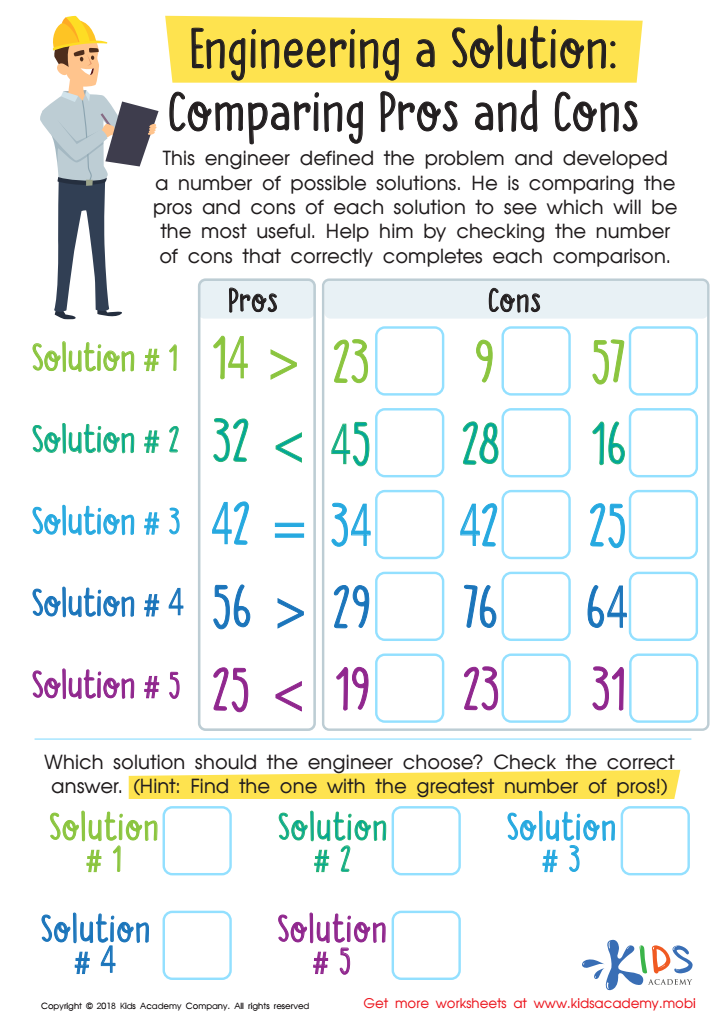
Engineering a Solution: Comparing Pros and Cons Worksheet
 Assign to My Students
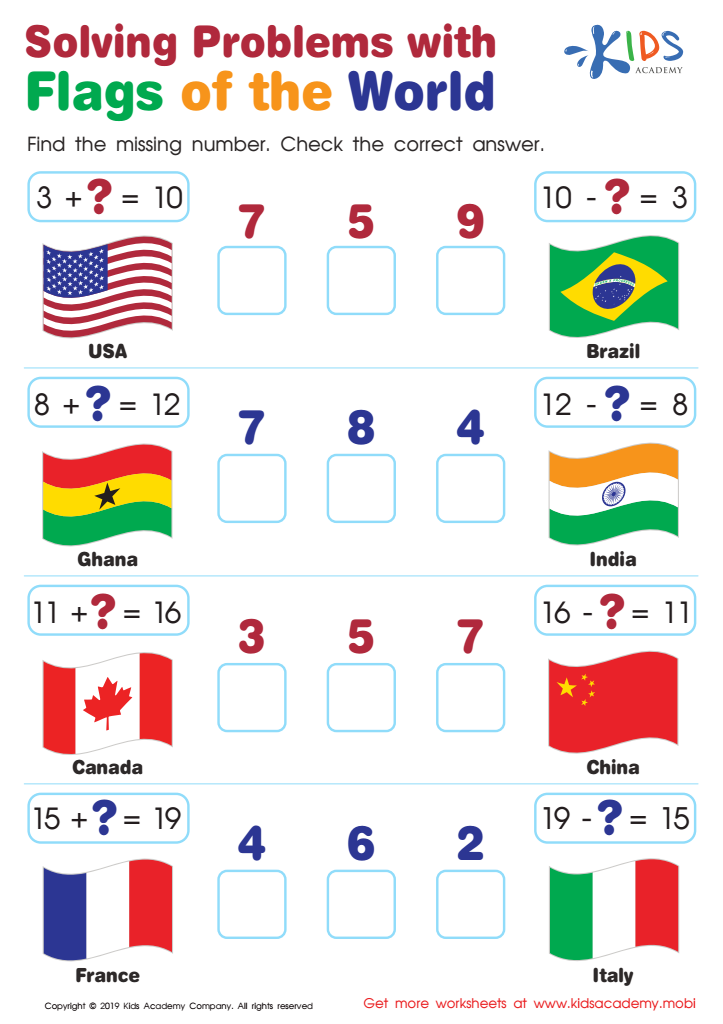
Solving Problems with Flags of the World Worksheet
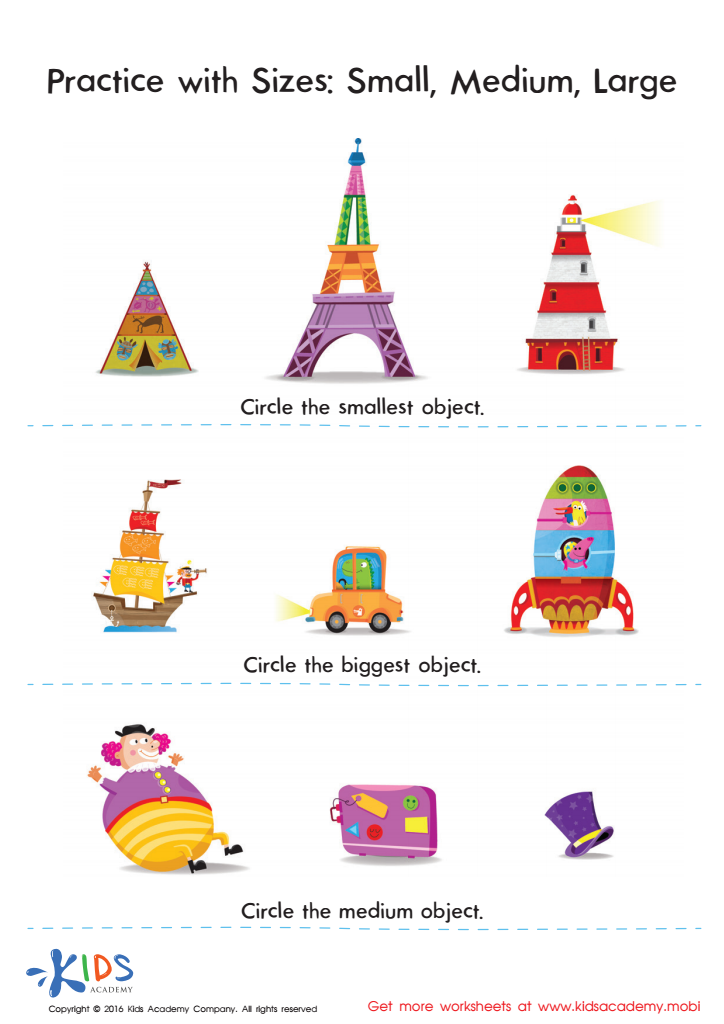



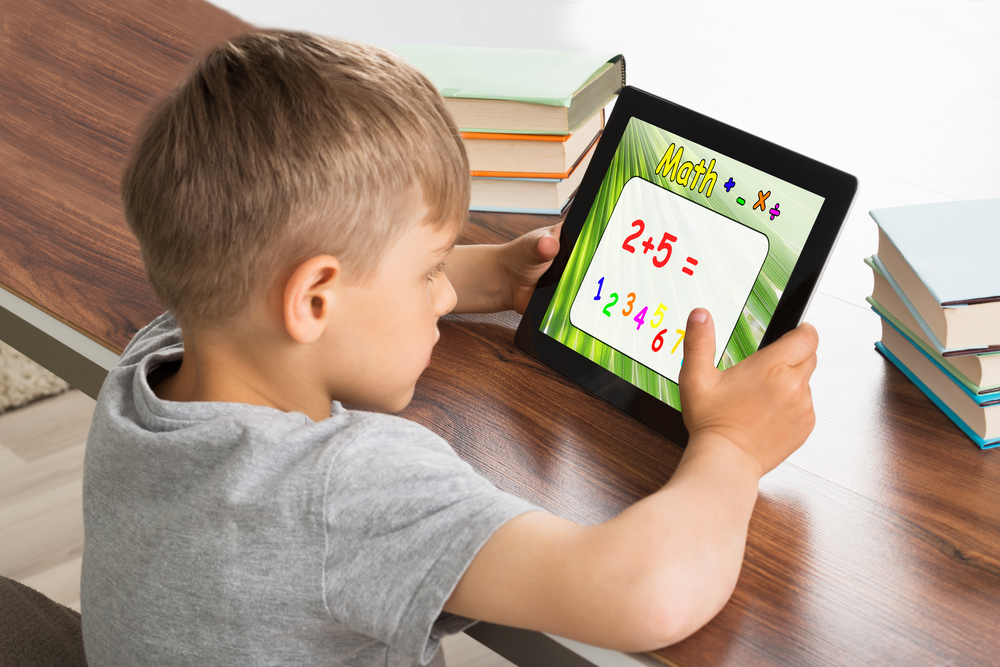




Comparative analysis in normal math for 7-year-olds is fundamental for both parents and teachers, as it provides critical insights into a child's mathematical development and proficiency compared to age-specific benchmarks and peers. Paying attention to this analysis can help identify early on any potential learning difficulties or advanced abilities. For teachers, these insights can shape instructional strategies and differentiate learning experiences tailored to each child's needs, promoting optimal learning and closing any gaps in understanding foundational math concepts.
Parents, on the other hand, can use this information to monitor and support their child's learning at home, ensuring they are neither falling behind nor unchallenged. Knowing how their child compares with typical developmental milestones means they can collaborate more effectively with teachers and make informed decisions, whether that stems from seeking additional help, resources, or enrichment activities.
Moreover, reaching early mathematical milestones is crucially linked to later academic achievement and everyday problem-solving skills, thus actively engaging with comparative analysis can foster a stronger foundation for future learning and academic confidence. Demonstrating care for this aspect reassures the child that their progress is important, motivating and instilling an early positive attitude toward learning math.








