Shape identification Normal Math Worksheets for 7-Year-Olds
3 filtered results
-
From - To
Our Shape Identification Normal Math Worksheets for 7-Year-Olds offer an engaging and educational way to enhance young learners' geometry skills. Designed specifically for 7-year-olds, these worksheets focus on recognizing and naming common shapes while improving spatial awareness. Each activity is crafted to make learning fun, supporting students as they identify shapes in various sizes and orientations. Ideal for classroom settings or at-home practice, these worksheets help kids build a strong foundation in geometry. Encourage your child's mathematical journey with our expertly designed materials, ensuring they develop confidence and competence in shape identification.
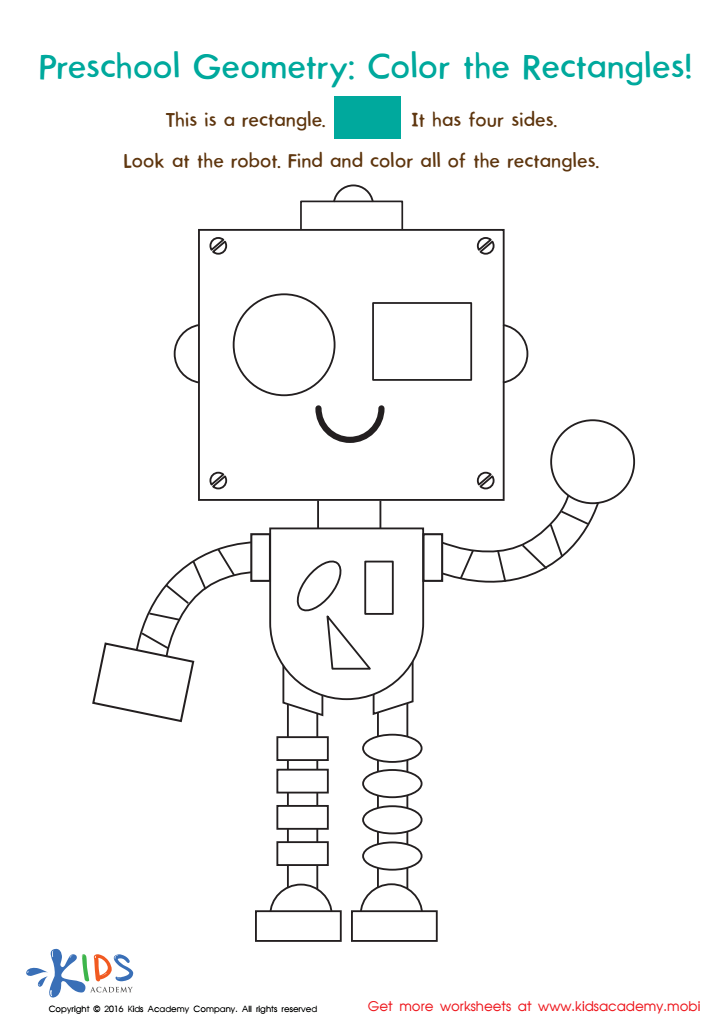
Geometry Worksheet
 Assign to My Students
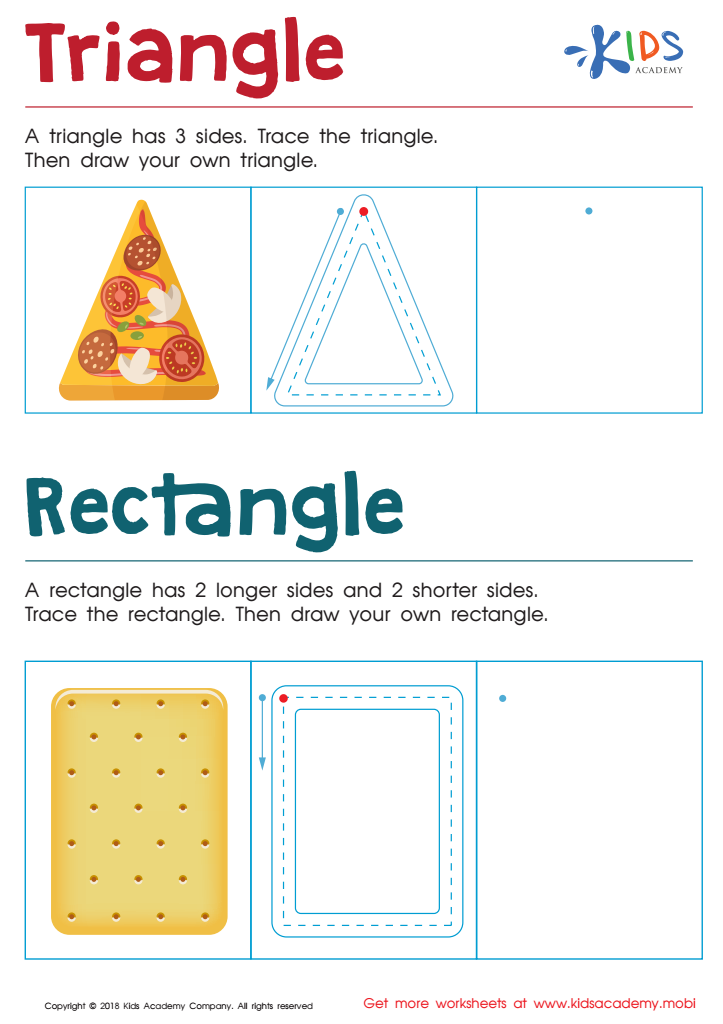
Triangle Rectangle Worksheet
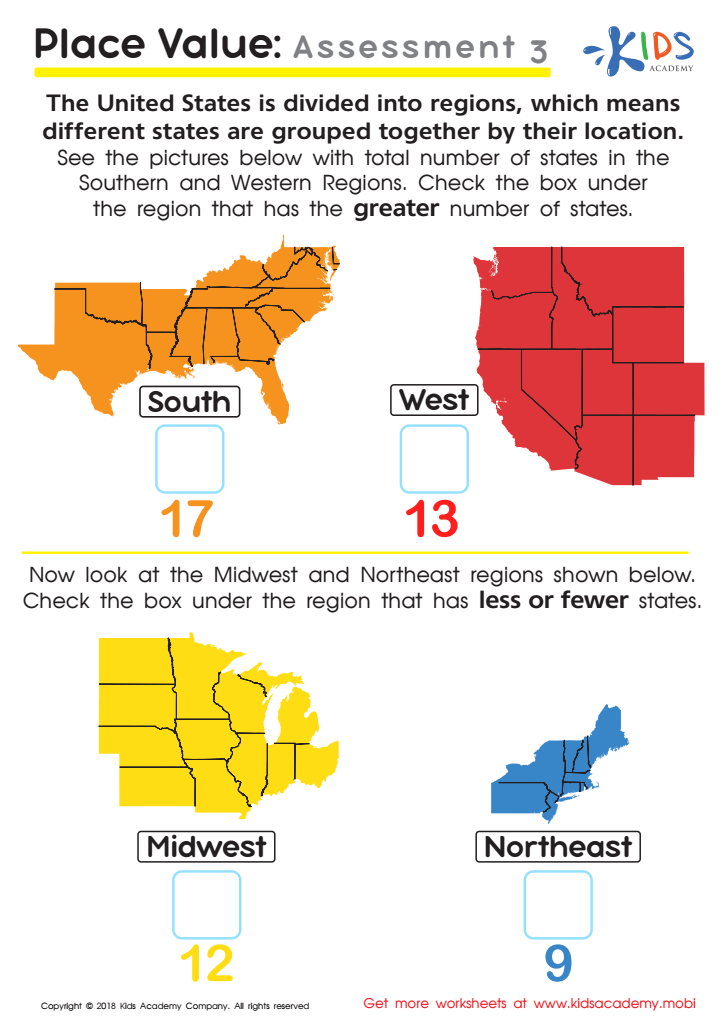
Place Value: Assessment 3 Worksheet



.jpg)



Understanding shape identification is crucial for 7-year-olds as it serves as a foundational skill for their overall cognitive development and mathematical proficiency. At this age, children are developing their spatial awareness, which is essential for everyday tasks and later academic success. Shapes are the building blocks of geometry; recognizing and understanding them allows children to make sense of the world around them.
Shape identification enhances critical thinking skills as children learn to categorize and differentiate objects based on their attributes such as sides, corners, and angles. This analytical skill translates to early problem-solving abilities, which are crucial in more advanced mathematical concepts and real-life situations.
Moreover, shape identification fosters visual learning and improves memory. For example, recognizing that a stop sign is an octagon not only helps in understanding traffic rules but also strengthens shape recall and recognition. Learning shapes also aids in other subjects like reading and writing; for instance, a triangle's emphasis on lines can help in letter formation, and rectangle recognition can aid in understanding paragraph structures.
Teachers and parents play a pivotal role in fostering these skills through engaging activities and consistent practice. By emphasizing shape identification, adults help children build a robust mathematical foundation, confidence, and curiosity about the world, setting them up for future academic success.








