Sound recognition Normal Reading Worksheets for 7-Year-Olds
4 filtered results
-
From - To
Our Sound Recognition Normal Reading Worksheets for 7-Year-Olds are designed to enhance auditory discrimination and phonemic awareness, essential skills for early readers. Curated by education experts, these worksheets help children recognize and differentiate between various sounds, fostering better reading fluency and comprehension. Engaging activities and vibrant graphics make learning enjoyable, while structured exercises ensure progressive skill building. Ideal for both classroom and home use, these worksheets support children in developing a strong foundation in reading through sound recognition. Get started today and watch your child's reading abilities flourish! Visit Kids Academy to download and explore more now.
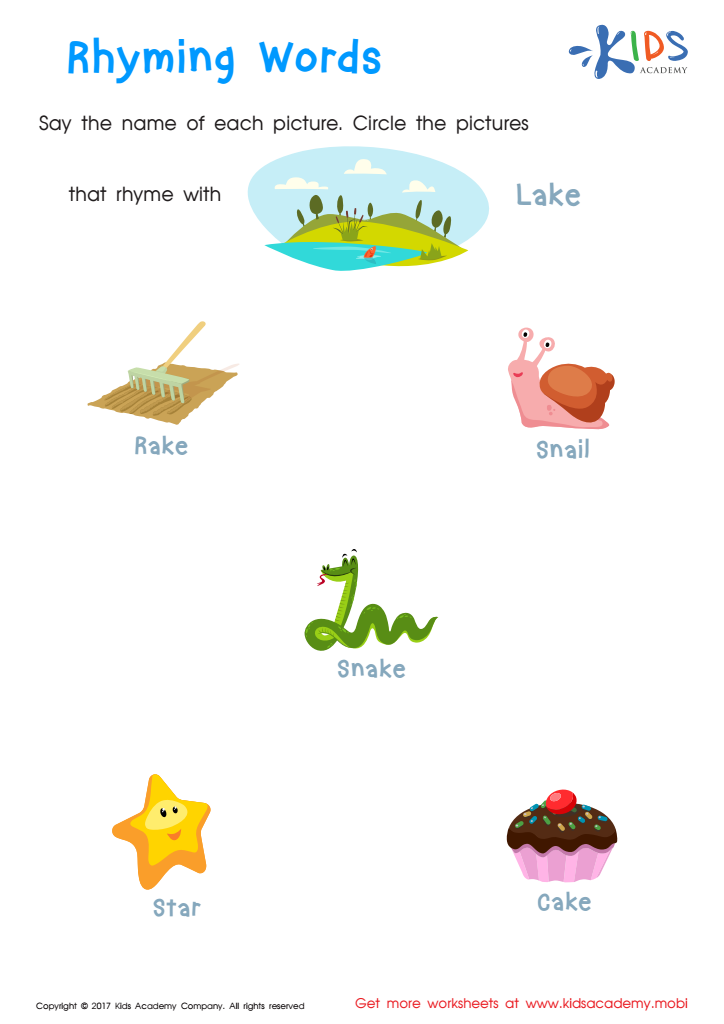
Rhyming Words Rhyming Worksheet

Long and Short U Worksheet
 Assign to My Students
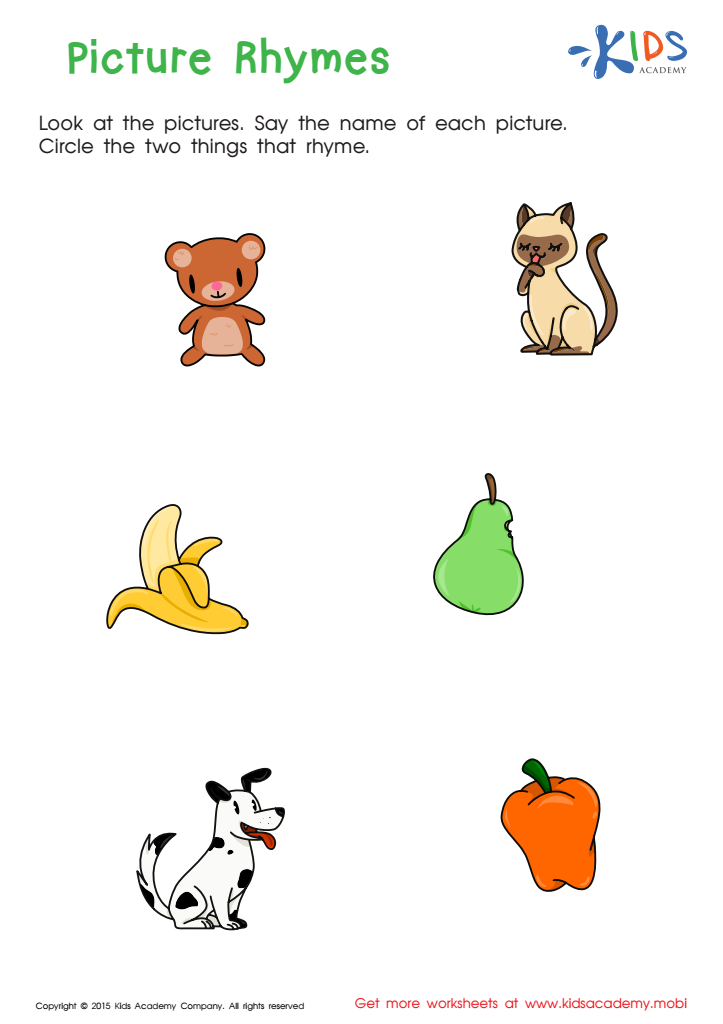
First Words: Picture Rhymes Worksheet
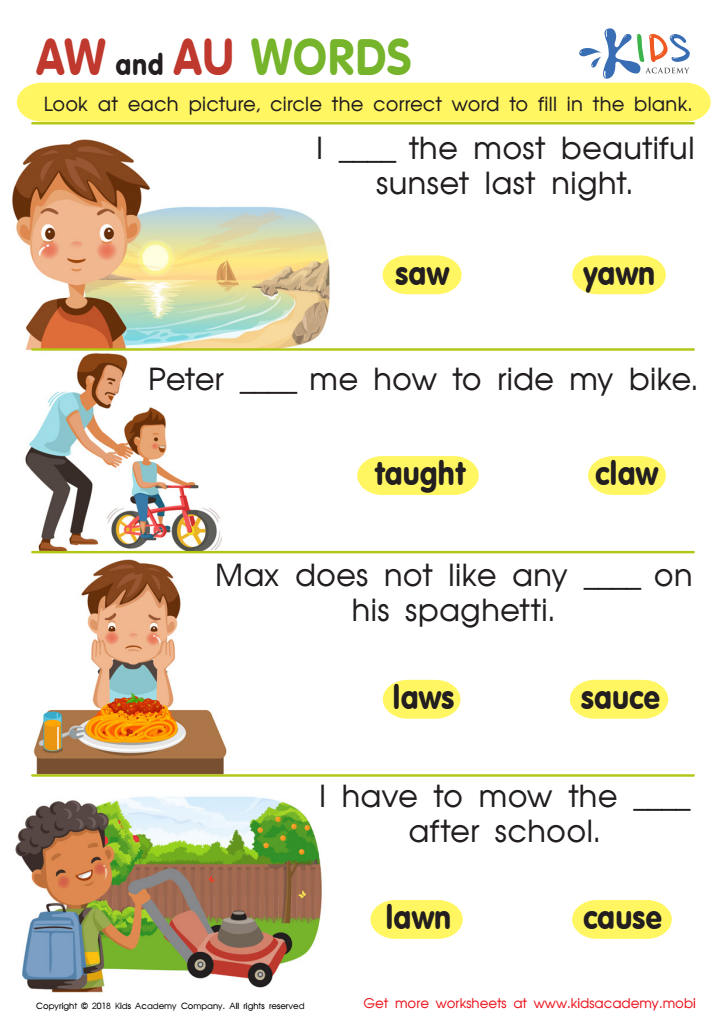
Reading: AW and AU Words Worksheet








Sound recognition, often called phonemic awareness, is a cornerstone of reading development for 7-year-olds. At this age, children are typically in the early stages of primary education, where they transition from learning to recognize individual letters to reading whole words and sentences. Parents and teachers should prioritize sound recognition for several reasons.
Firstly, phonemic awareness helps children understand the relationship between sounds (phonemes) and their corresponding letters (graphemes), an essential skill for decoding words while reading. Children proficient in sound recognition can more easily break down words into their component sounds, making it easier for them to read unfamiliar words independently. This leads to improved reading fluency and confidence.
Secondly, sound recognition is closely tied to spelling and writing skills. Children who can identify and manipulate sounds within words are better able to spell them correctly, fostering their overall literacy and communication skills.
Furthermore, early reading success has long-term academic and cognitive benefits, impacting overall academic performance and fostering a love for learning. Students who struggle with basic reading skills are more likely to experience frustration and disengagement in school.
In summary, emphasizing sound recognition in early grade reading instruction equips children with the foundational tools they need for literacy, paving the way for academic success and a lifelong love of reading.








