Reading comprehension Normal Science Worksheets for 7-Year-Olds - Page 2
42 filtered results
-
From - To
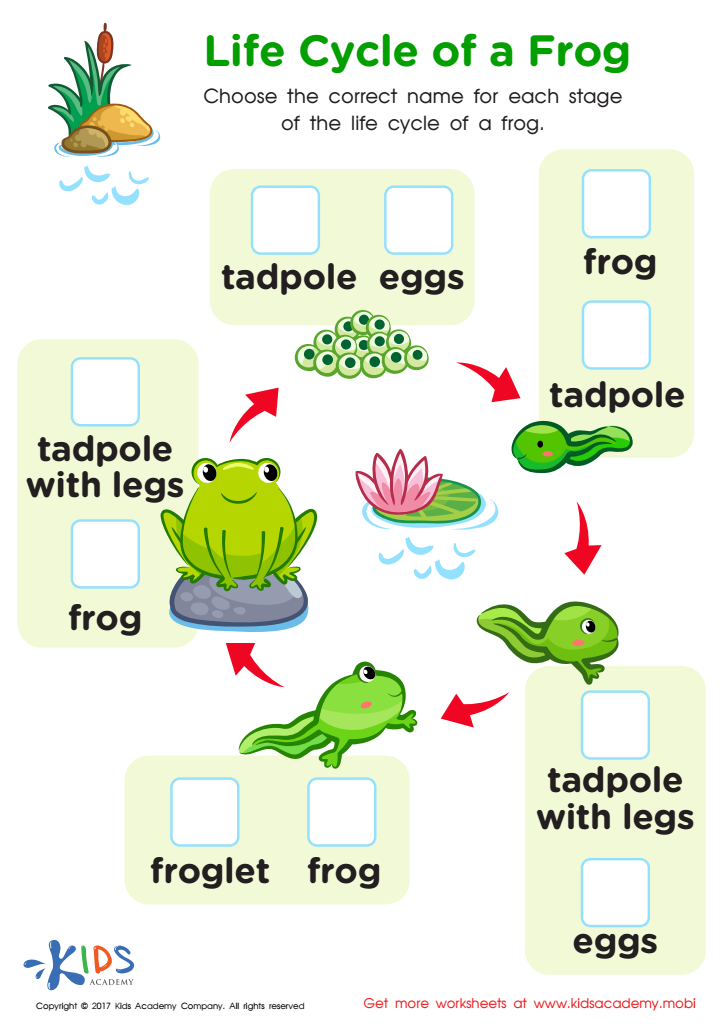
Life Cycle Frog Printable
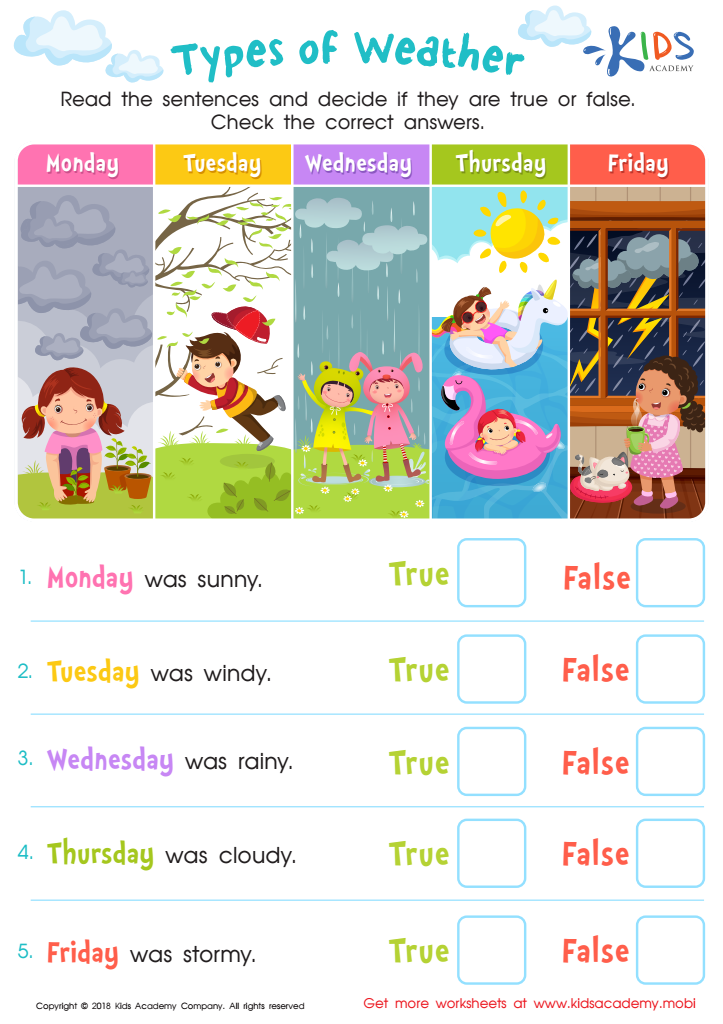
Types of Weather Worksheet
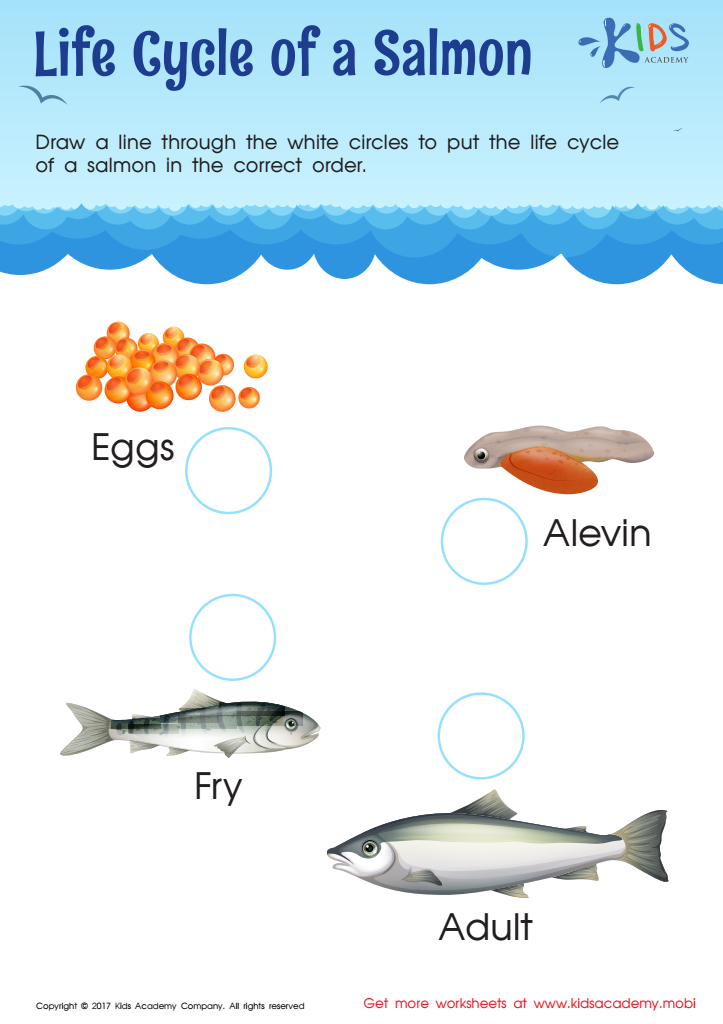
Cycle Of Salmon Worksheet
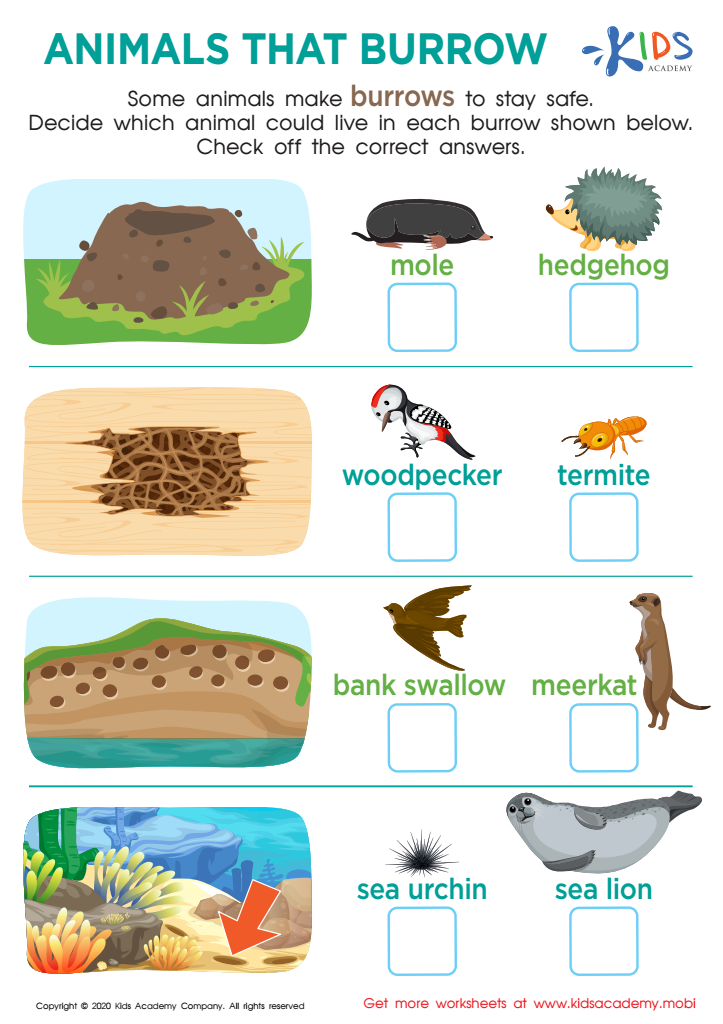
Animals That Burrow Worksheet
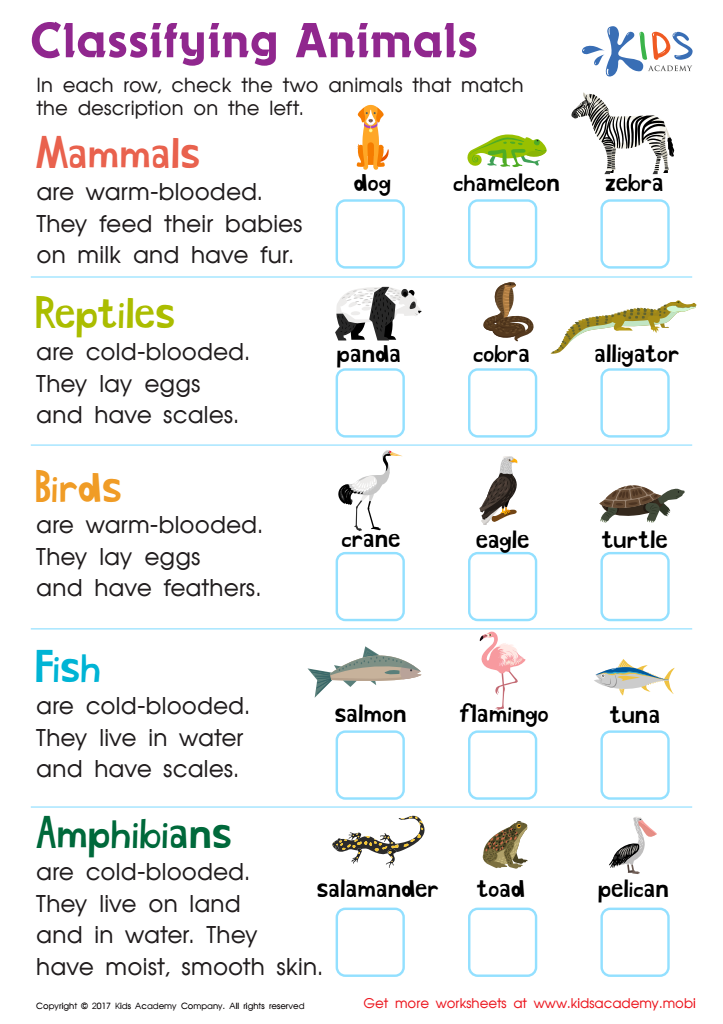
Classifying Animals Worksheet
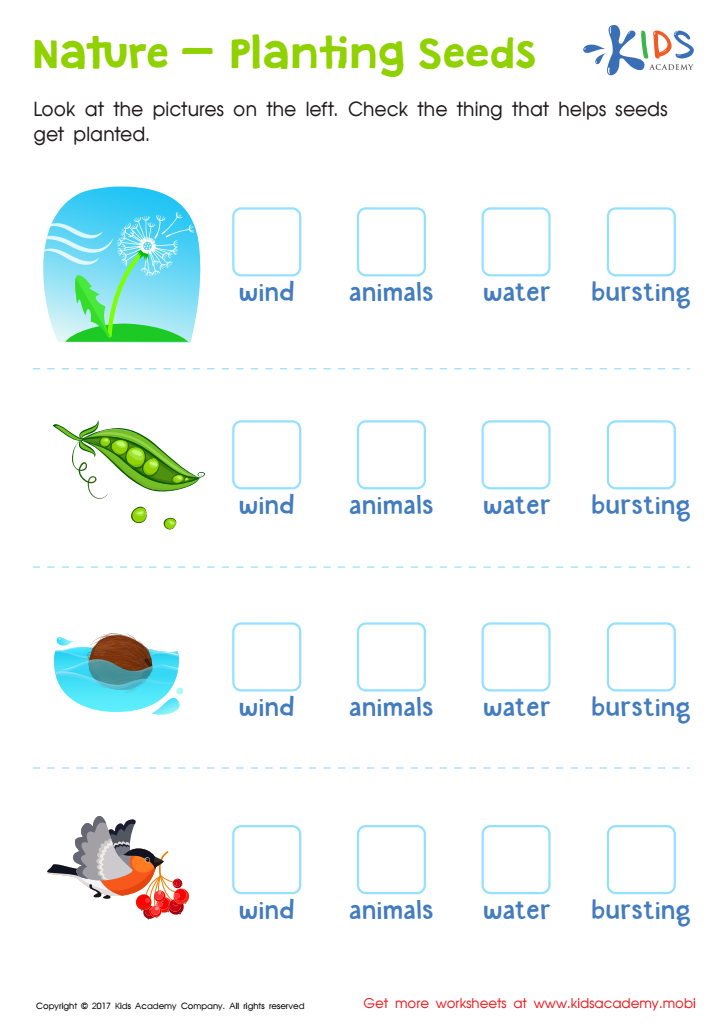
Nature Planting Seeds Worksheet
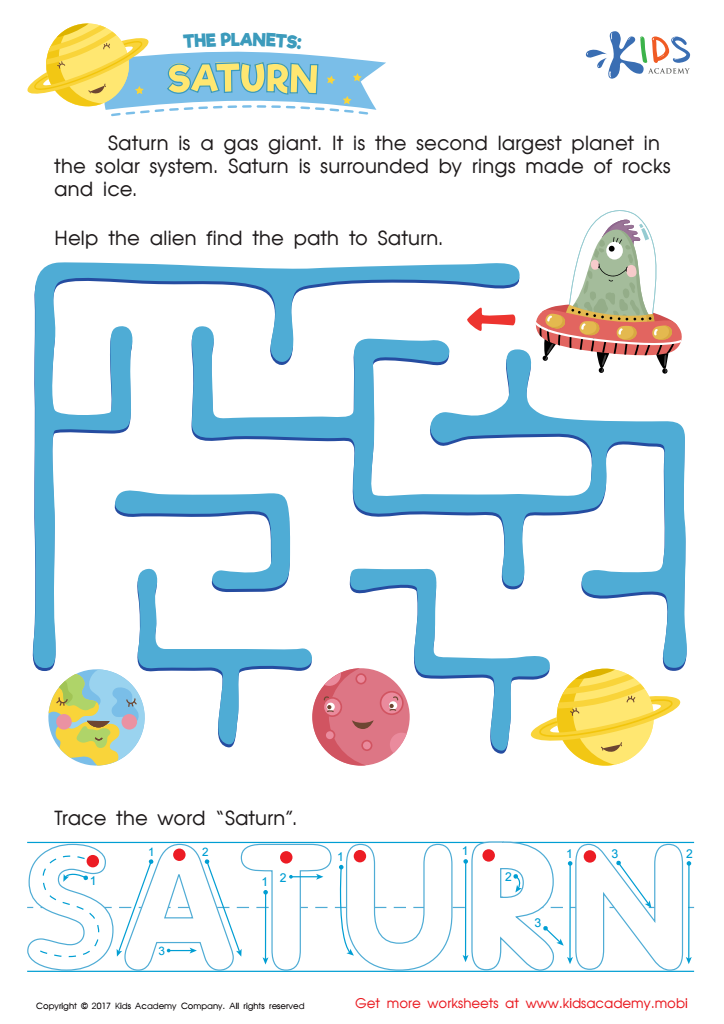
The Planets: Saturn Printable
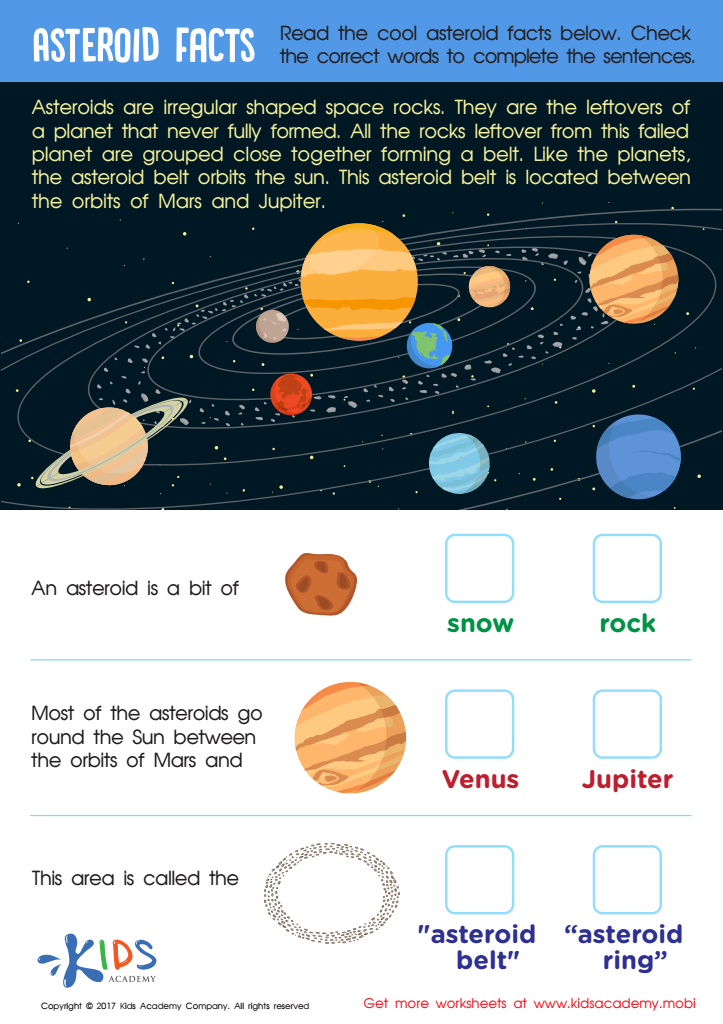
Asteroid Facts Worksheet
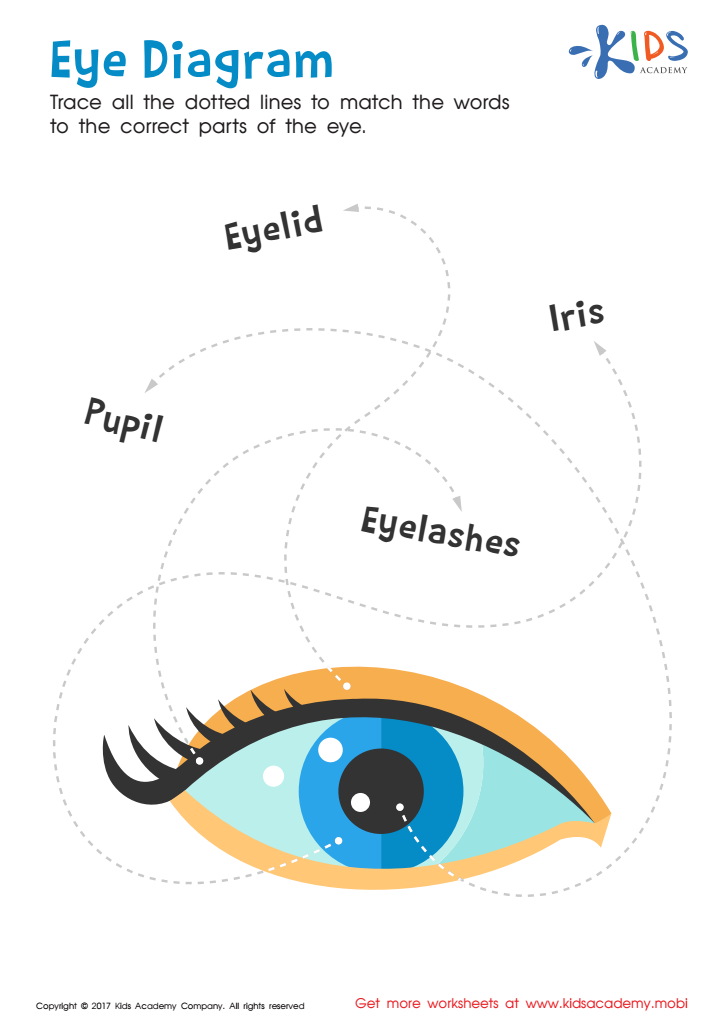
Eye Diagram Printable
Different Kinds of Weather: Windy and Snowy Worksheet
 Assign to My Students
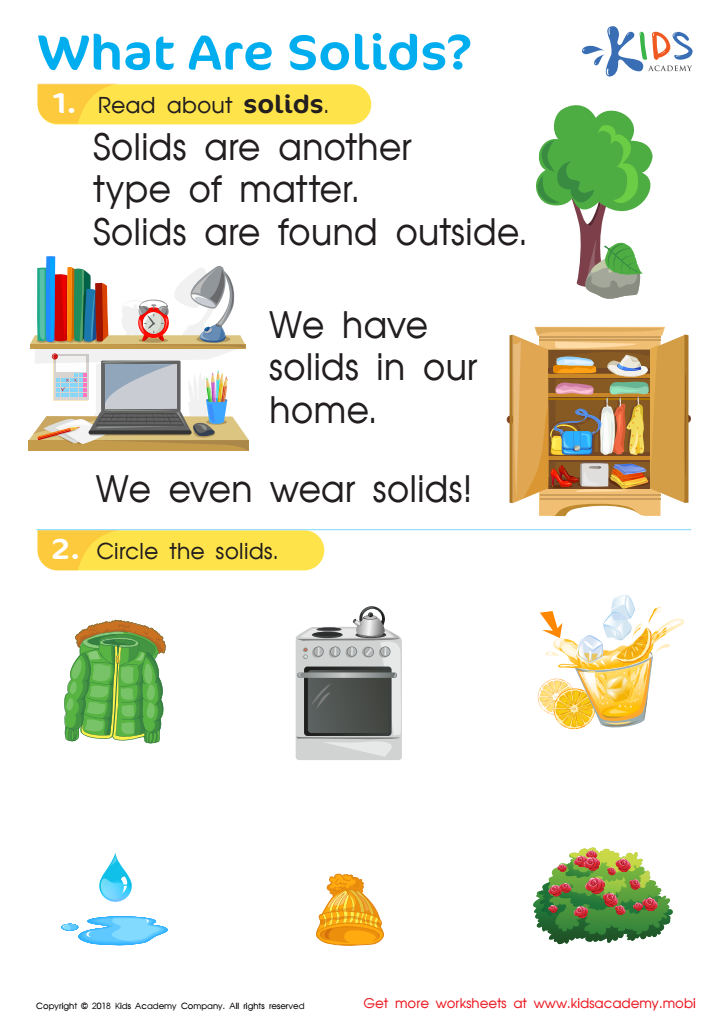
What Are Solids? Worksheet
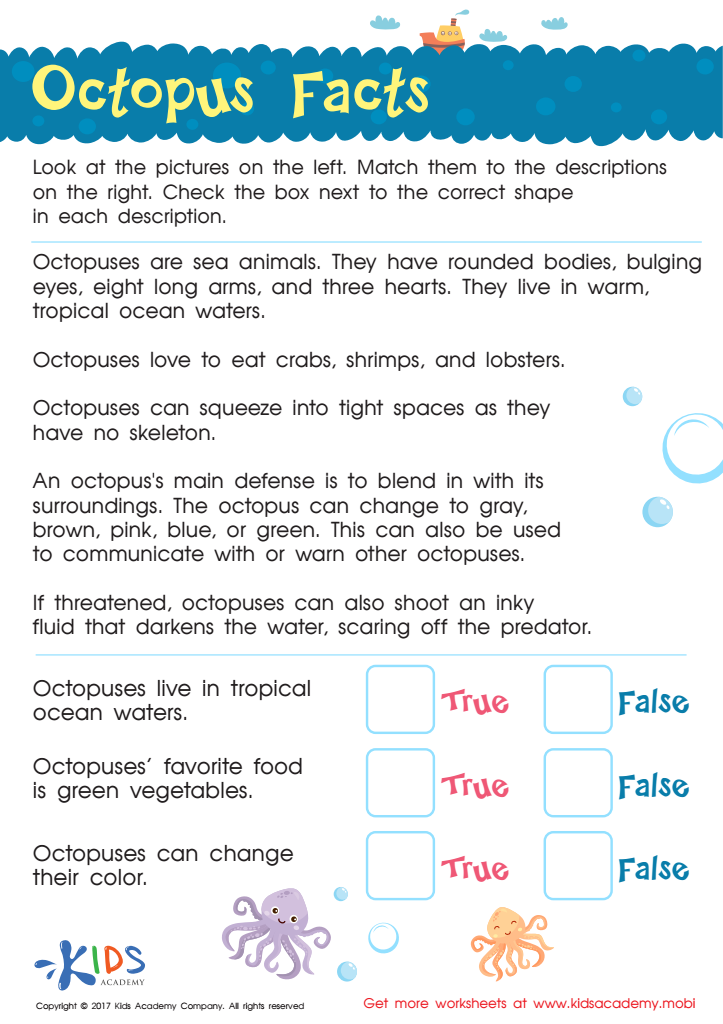
Octopus Facts Worksheet For Kids
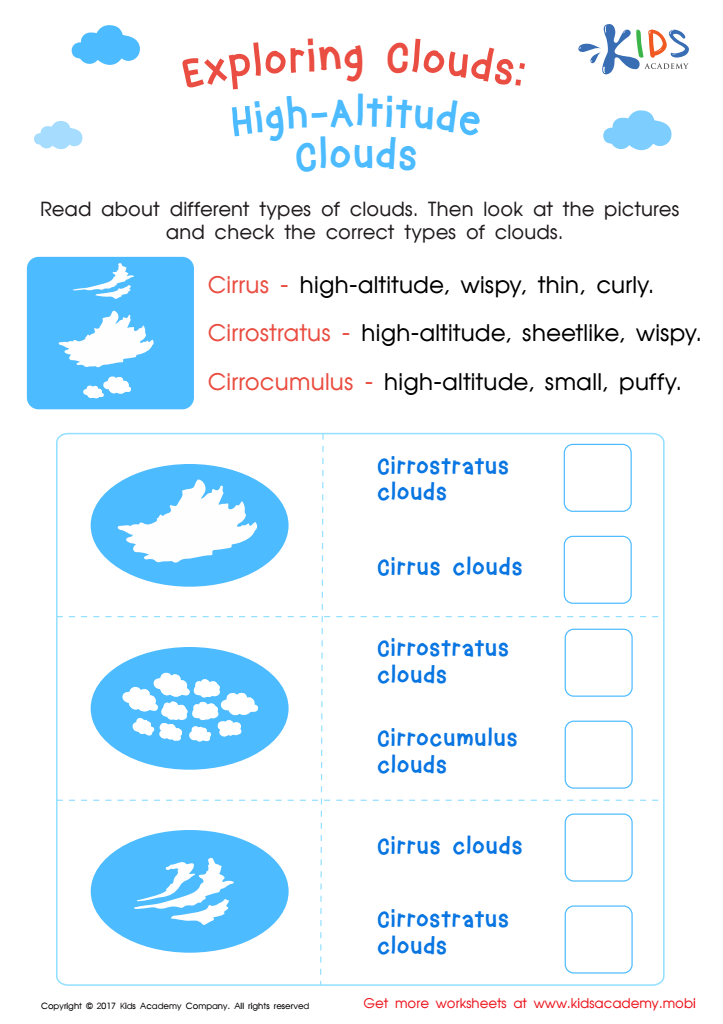
Exploring Clouds: High Altitude Clouds Worksheet
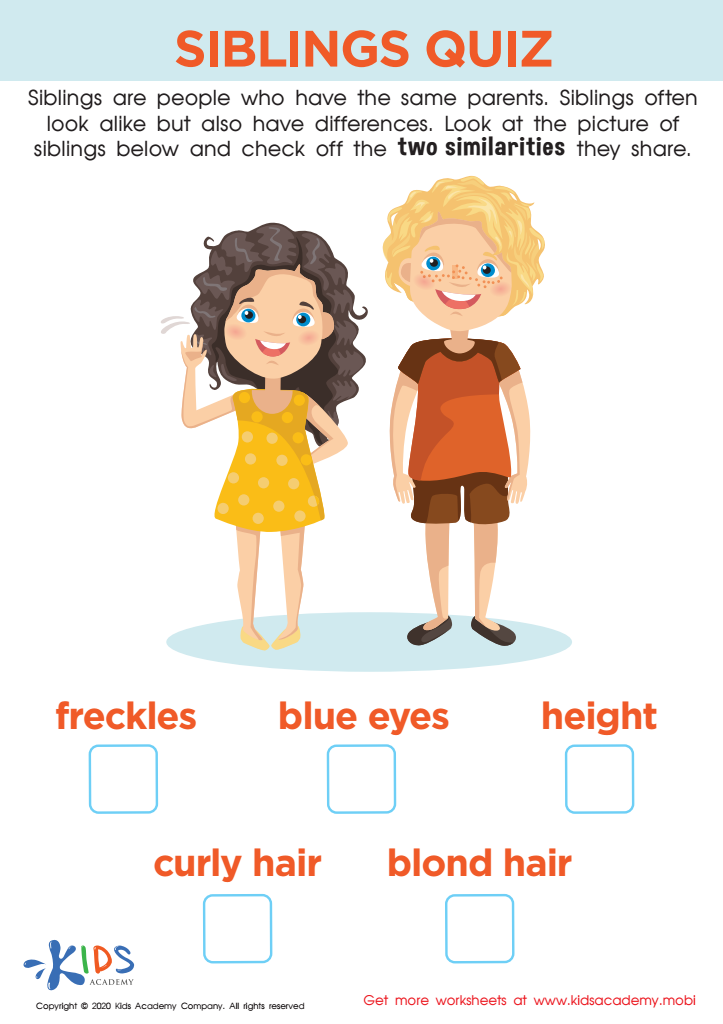
Siblings Quiz Worksheet
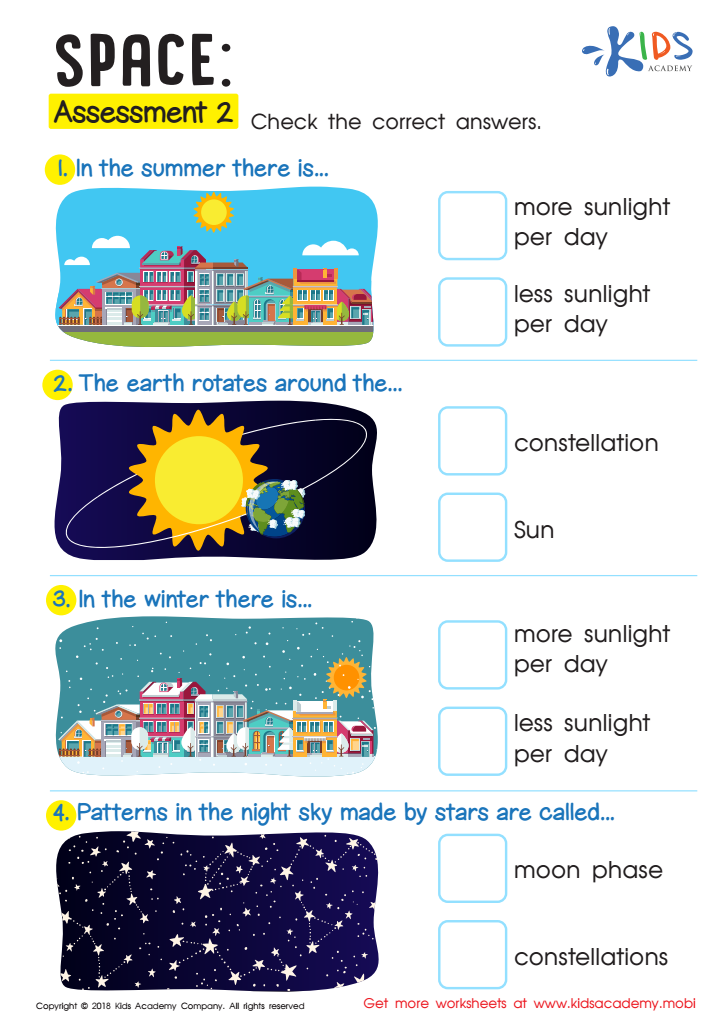
Space: Assessment 2 Worksheet
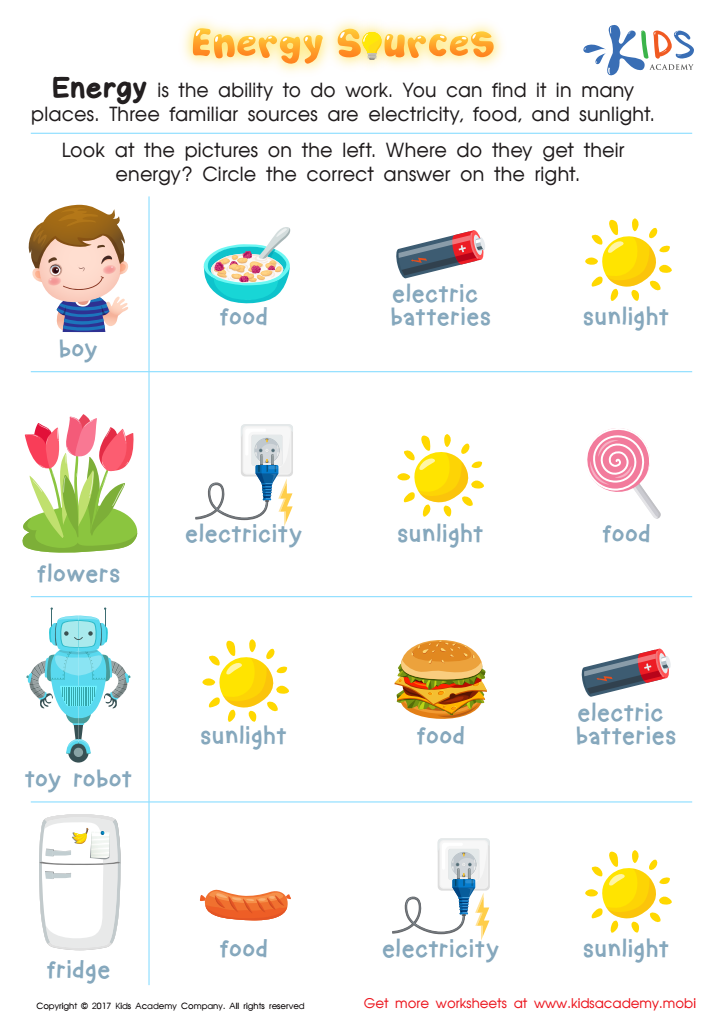
Energy Sources Printable
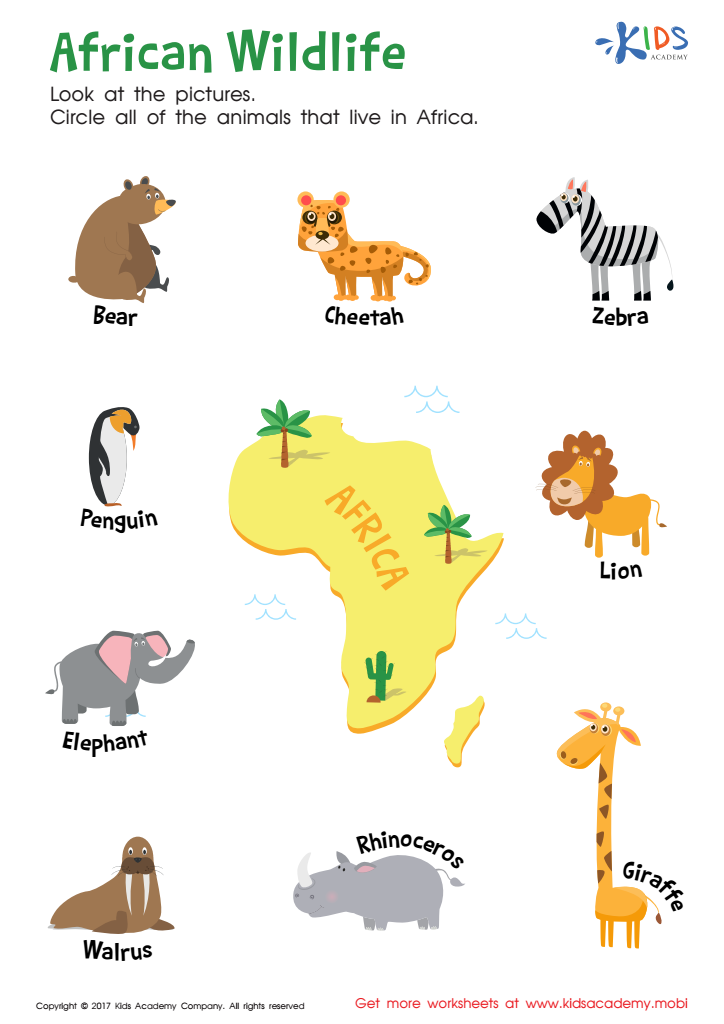
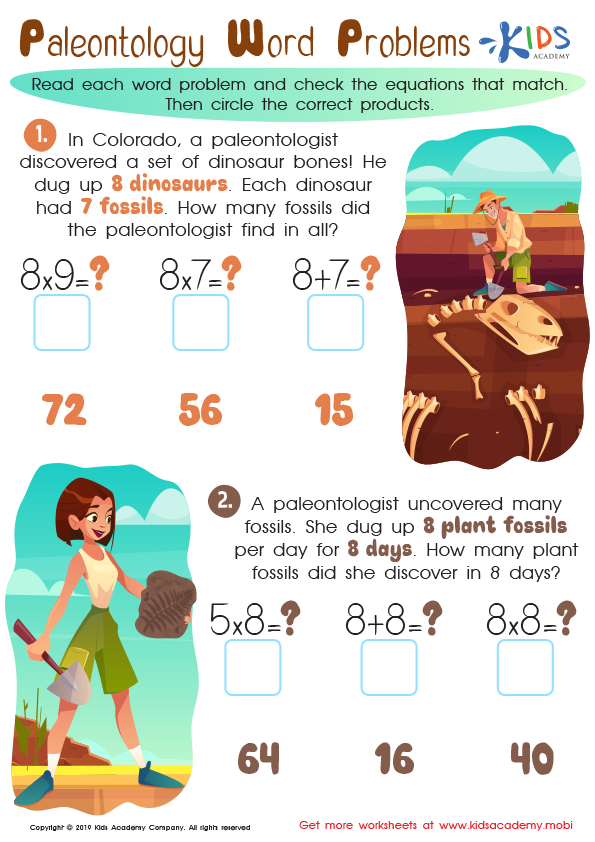
Archeology Word Problems Worksheet






Reading comprehension is crucial for 7-year-olds as it lays the foundation for academic success and lifelong learning. At this age, children transition from learning to read to reading to learn, making it vital for parents and teachers to foster their understanding of texts. Normal science concepts, such as basic physical principles, the scientific method, and environmental observations, often arise in educational materials, thus integrating comprehension with important subject matter.
When children grasp reading comprehension, they not only improve their ability to understand narratives but also to interpret informational texts, which are common in science education. This skill enhances critical thinking, allowing children to ask questions, make predictions, and draw conclusions based on what they read.
Moreover, strong reading and comprehension skills promote confidence and encourage a positive attitude towards learning. Inconsistent comprehension can lead to feelings of frustration, disengagement, and ultimately hinder academic performance.
Parents and teachers who prioritize reading comprehension not only support literacy development but also prepare young learners for future educational challenges, including more complex subjects in higher grades. Engaging children in discussions about what they read further strengthens their analytical and communication abilities, fostering a generation of thoughtful and informed individuals.







