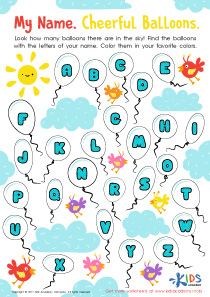
Handwriting practice Normal ABC Order Worksheets for Ages 8-9
4 filtered results
-
From - To
Enhance your child's handwriting skills with our engaging Normal ABC Order Worksheets, designed specifically for ages 8-9. These worksheets offer an interactive way to practice writing the alphabet in sequence, promoting letter recognition and reinforcing fine motor skills. Each sheet features fun activities that combine handwriting practice with essential learning concepts. Ideal for classroom settings or at-home learning, these worksheets help boost confidence in young writers while making learning enjoyable. Explore our collection to provide your child with the tools they need to excel in handwriting and foster a love for writing. Start their literacy journey today!
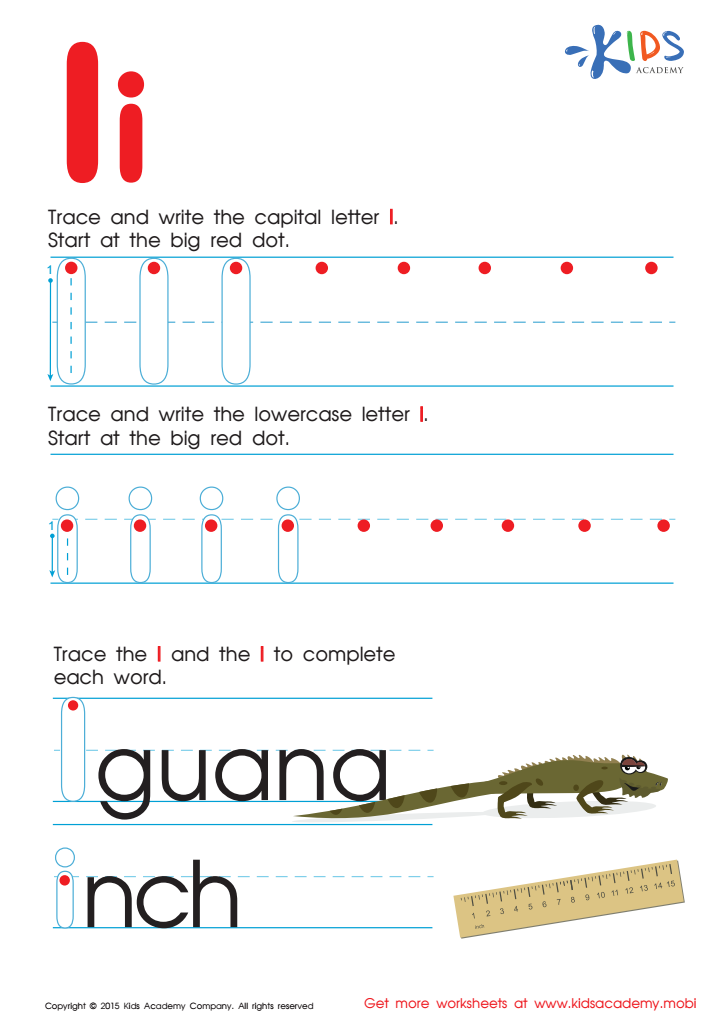
Letter I Tracing Page
 Assign to My Students







Letter C Tracing Page
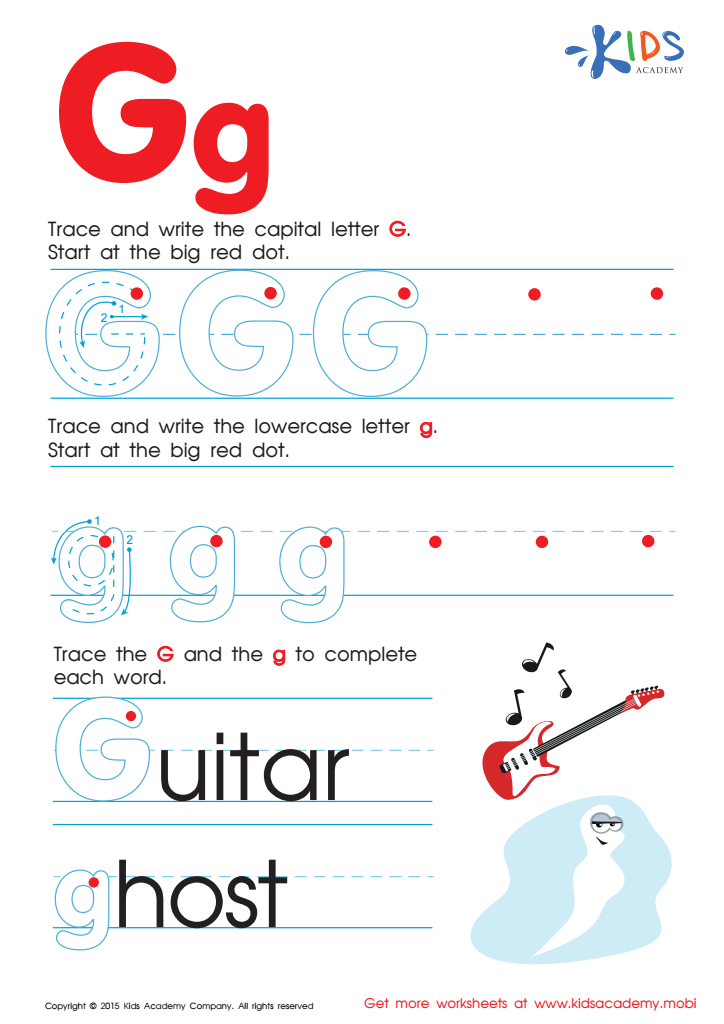
Letter G Tracing Page
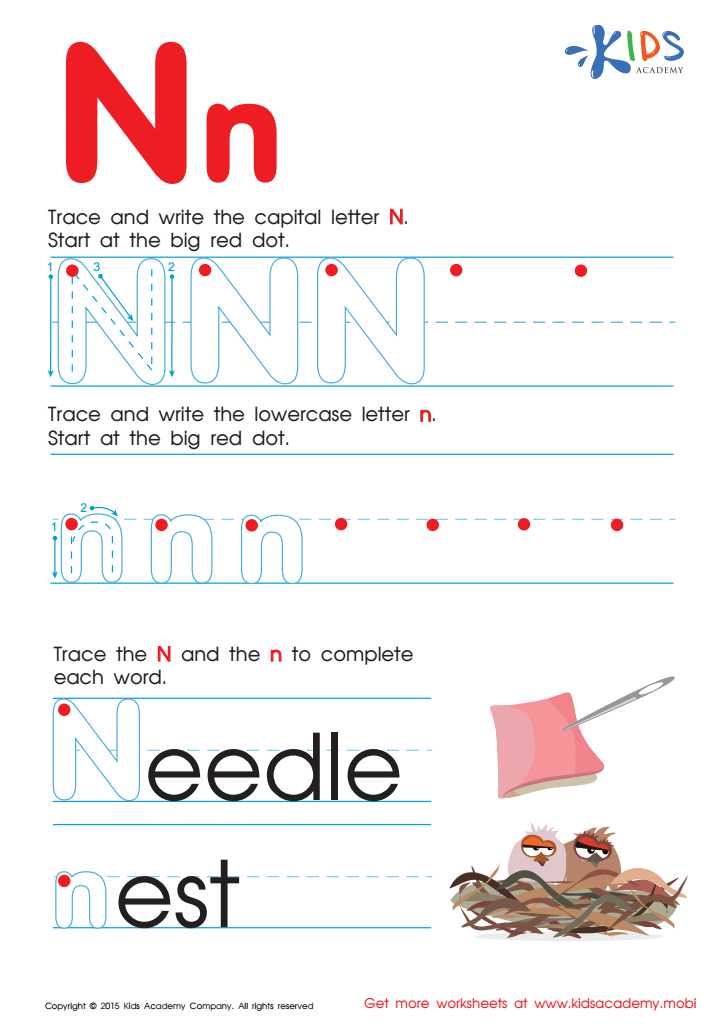
Letter N Tracing Page







Parents and teachers should prioritize handwriting practice in normal ABC order for children aged 8-9, as it plays a crucial role in their cognitive and motor skill development. At this age, children are refining their fine motor skills, and handwriting practice enhances dexterity and coordination. Consistently writing letters in ABC order familiarizes them with letter shapes, reinforces alphabet recognition, and supports spelling skills, laying groundwork for their literacy development.
Additionally, practicing handwriting helps children develop their own writing styles and boosts their confidence when composing written work. As writing demands become more rigorous in school, maintaining legible handwriting is essential for effective communication. It allows children to express their thoughts clearly and reduces frustration during assessments and written assignments.
Furthermore, handwriting complements digital skills, promoting a balance in their mode of expression. Engaging parents in this practice encourages a supportive learning environment, strengthening the parent-child bond as they explore letters together. Additionally, developing good handwriting habits early on can lead to more successful academic outcomes, making it an invaluable part of early education. Investing time in handwriting practice fosters lifelong skills that extend beyond the classroom, preparing children for future educational challenges.