Fine Motor Skills Normal Alphabet Worksheets for Ages 8-9
27 filtered results
-
From - To
Enhance fine motor skills in children ages 8-9 with our engaging alphabet worksheets! Designed to support crucial developmental milestones, these worksheets provide fun activities that improve hand-eye coordination, dexterity, and letter recognition. With creative exercises like tracing, coloring, and letter formation, students will refine their handwriting and boost their confidence in writing. The structured activities promote sustained focus and enjoyment in learning. Perfect for teachers and parents seeking to enrich their children's educational experience, these normal alphabet worksheets combine essential skill-building with imaginative practice, nurturing young minds while making learning a delightful adventure. Download and explore today!
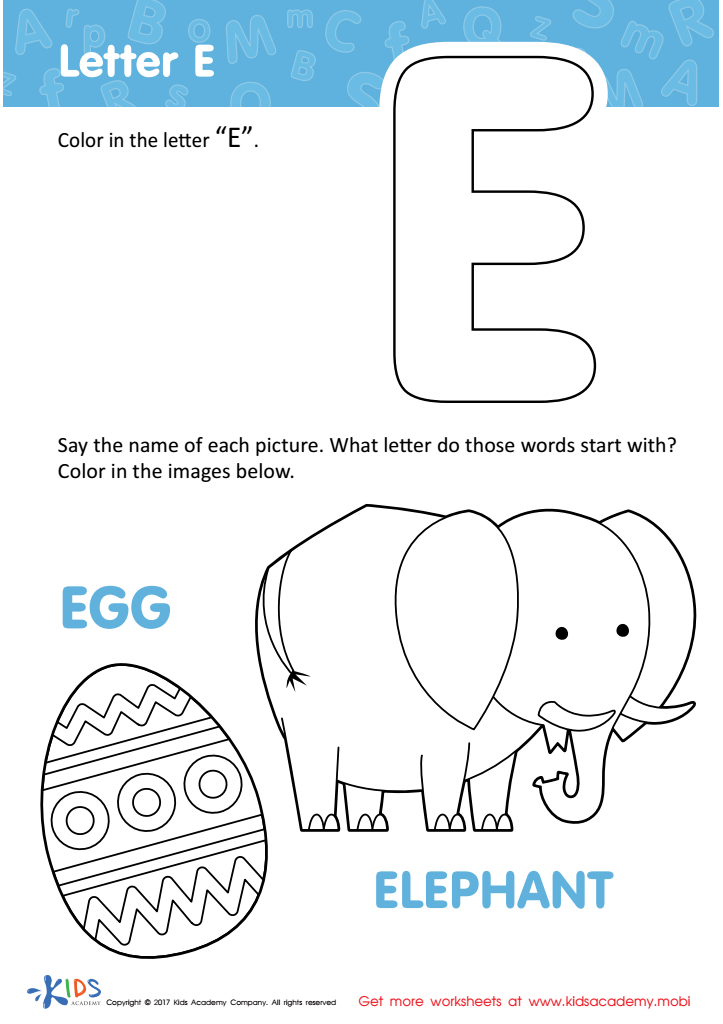
Letter E Coloring Sheet
 Assign to My Students
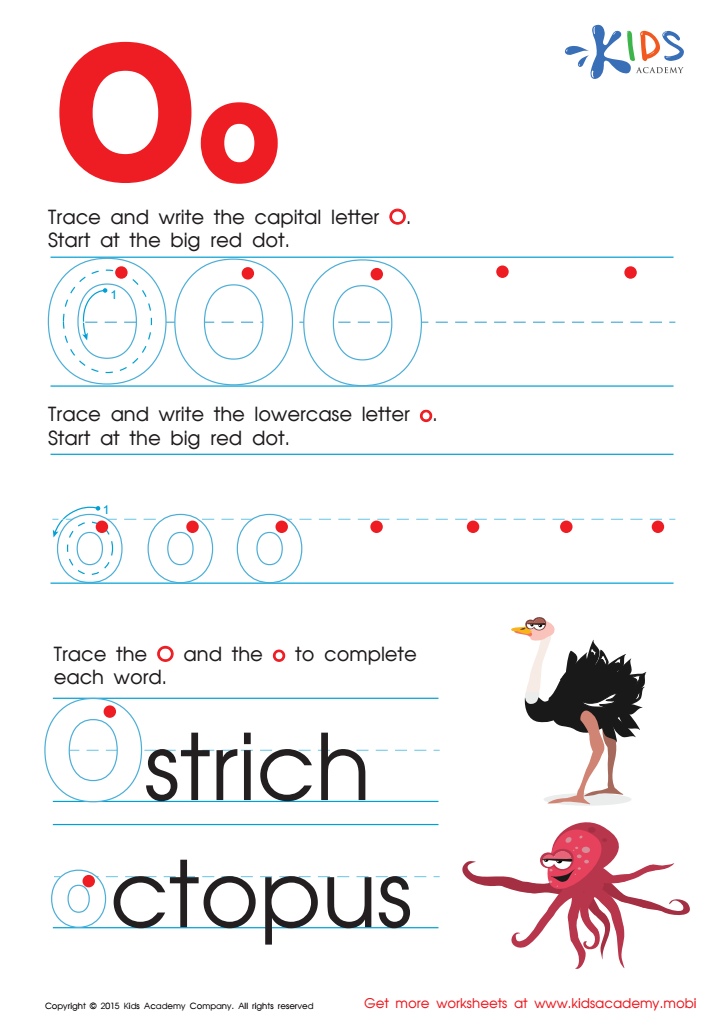
Letter O Tracing Page
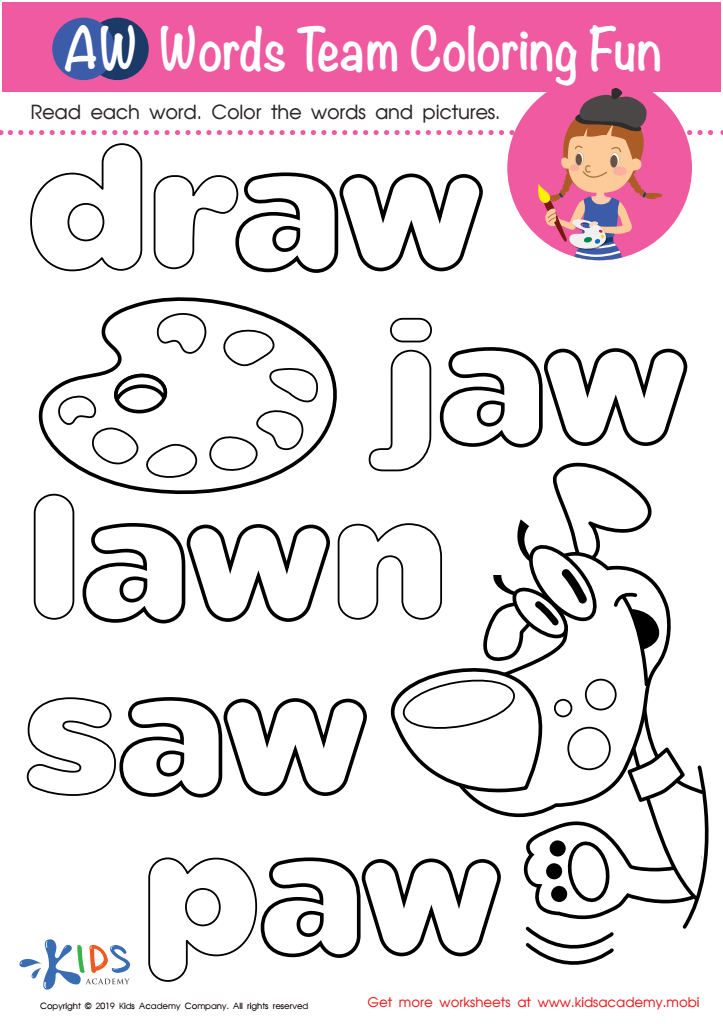
AW Words Team Coloring Fun Worksheet
Assign to My Students
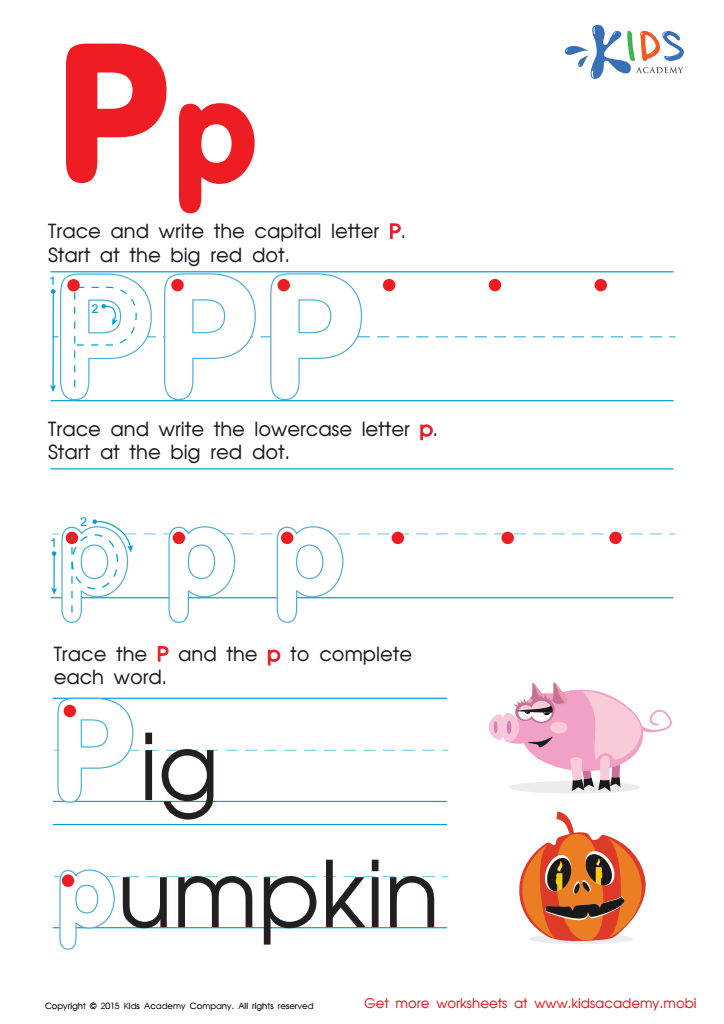
Letter P Tracing Page
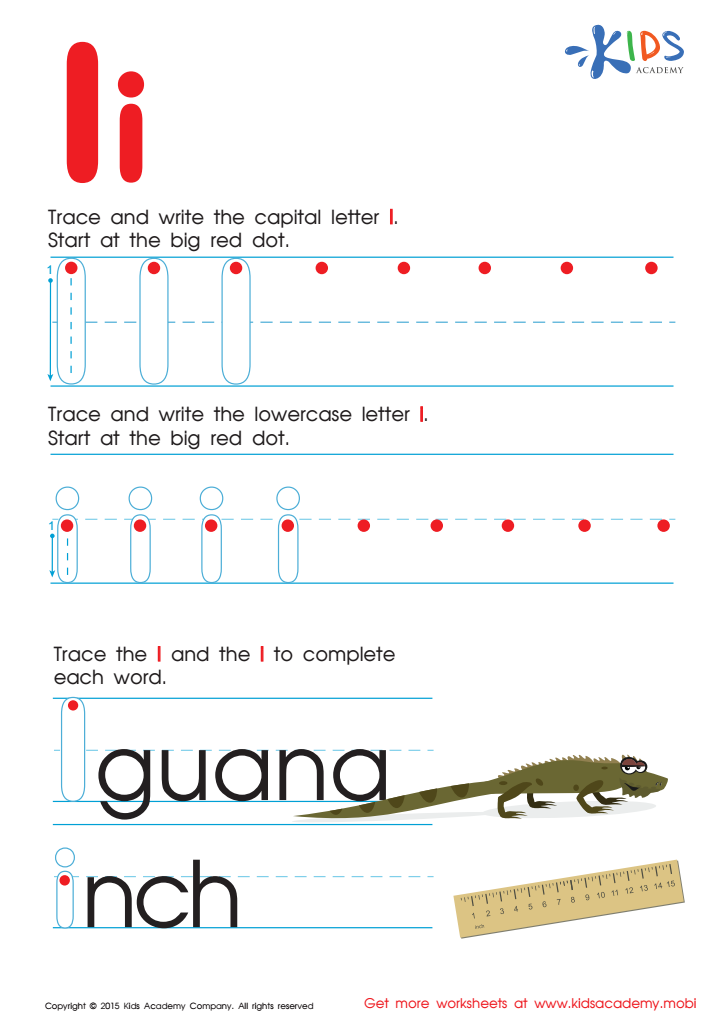
Letter I Tracing Page
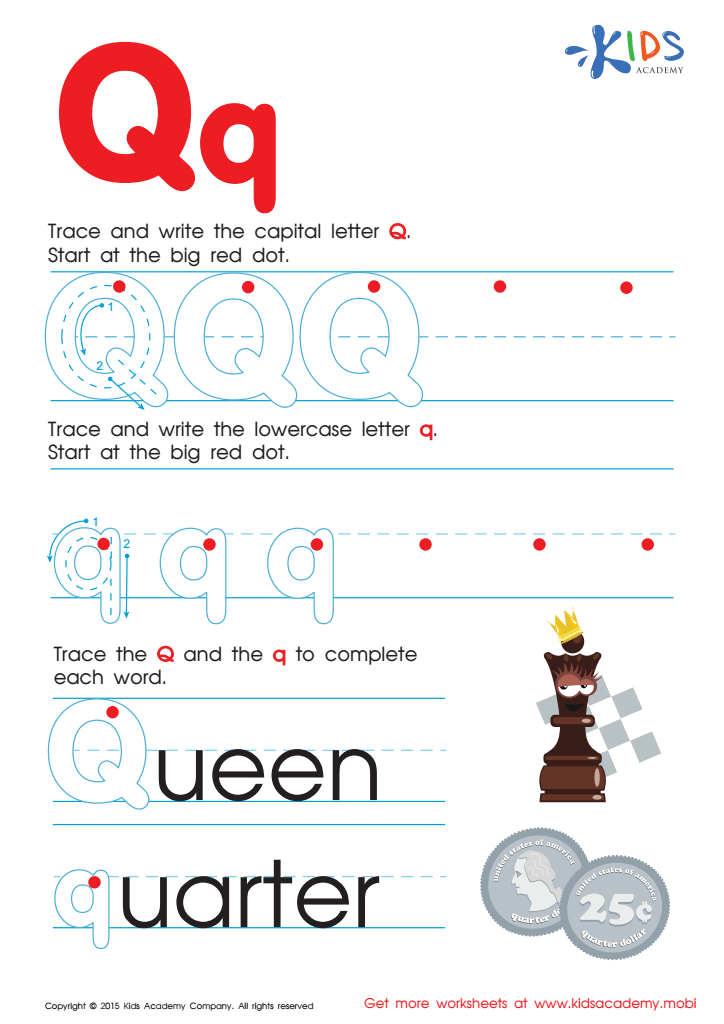
Letter Q Tracing Page
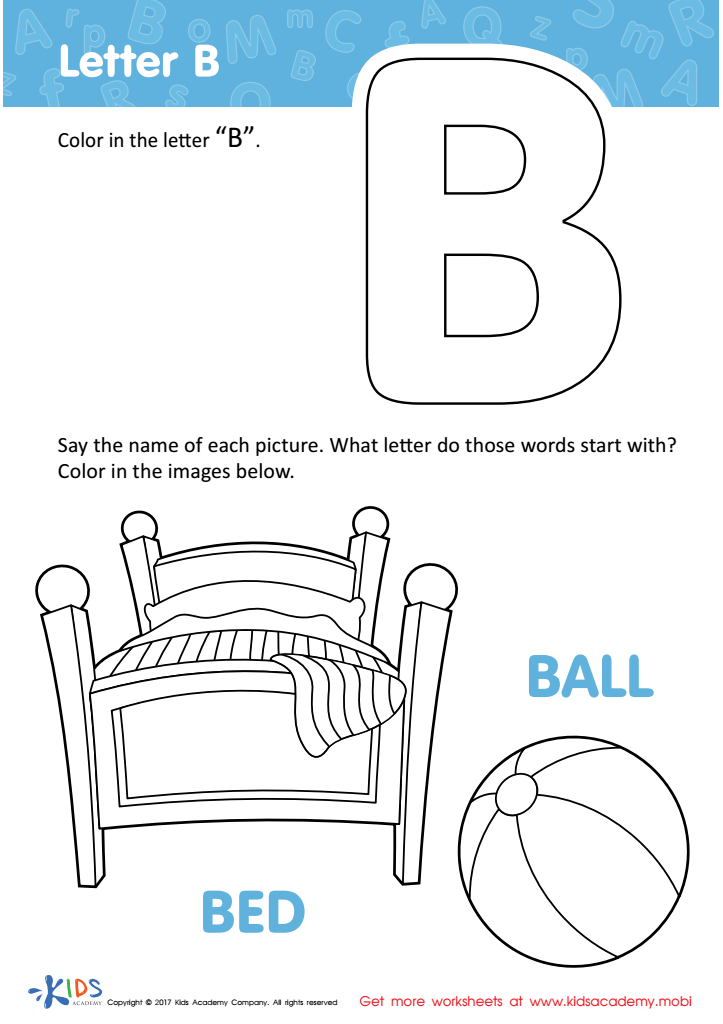
Letter B Coloring Sheet
Assign to My Students
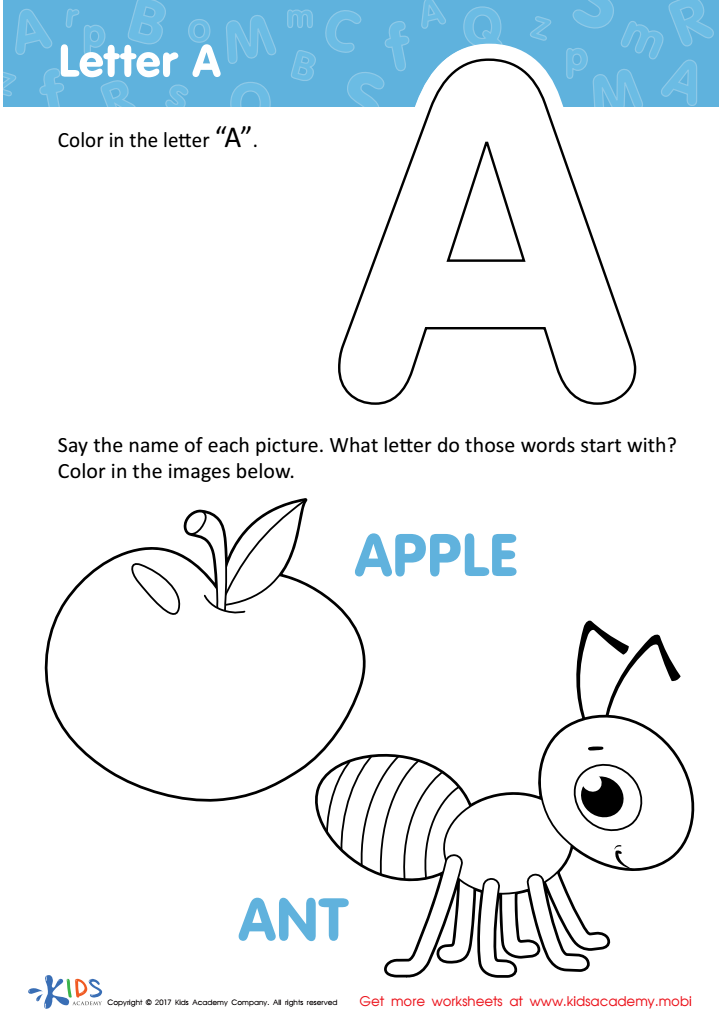
Letter A Coloring Sheet
Assign to My Students
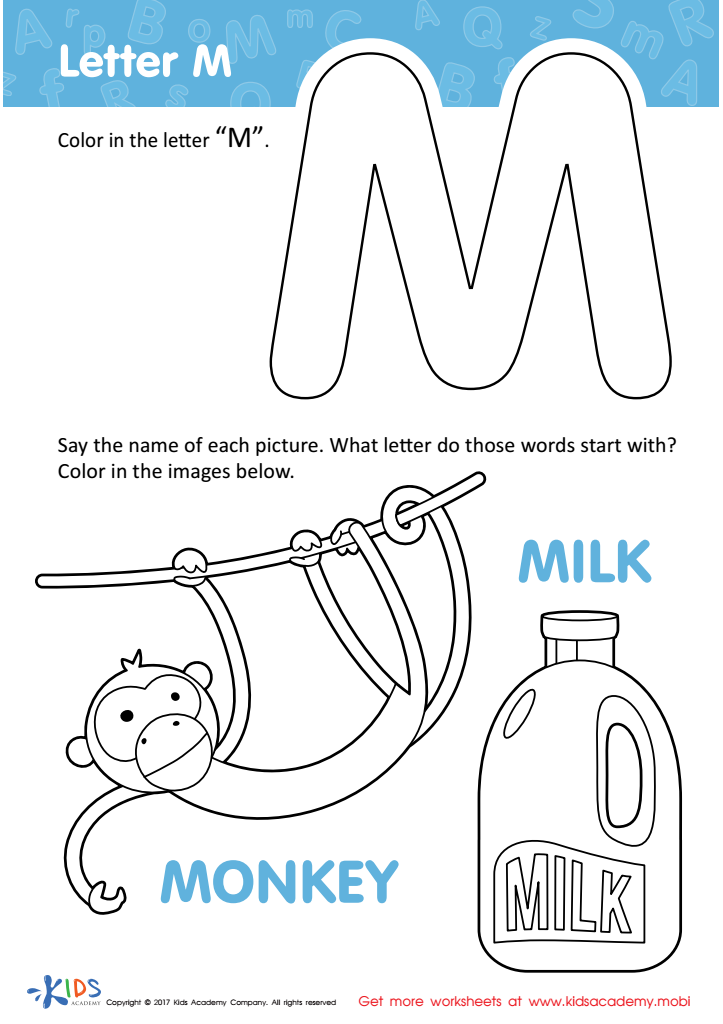
Letter M Coloring Sheet
Assign to My Students
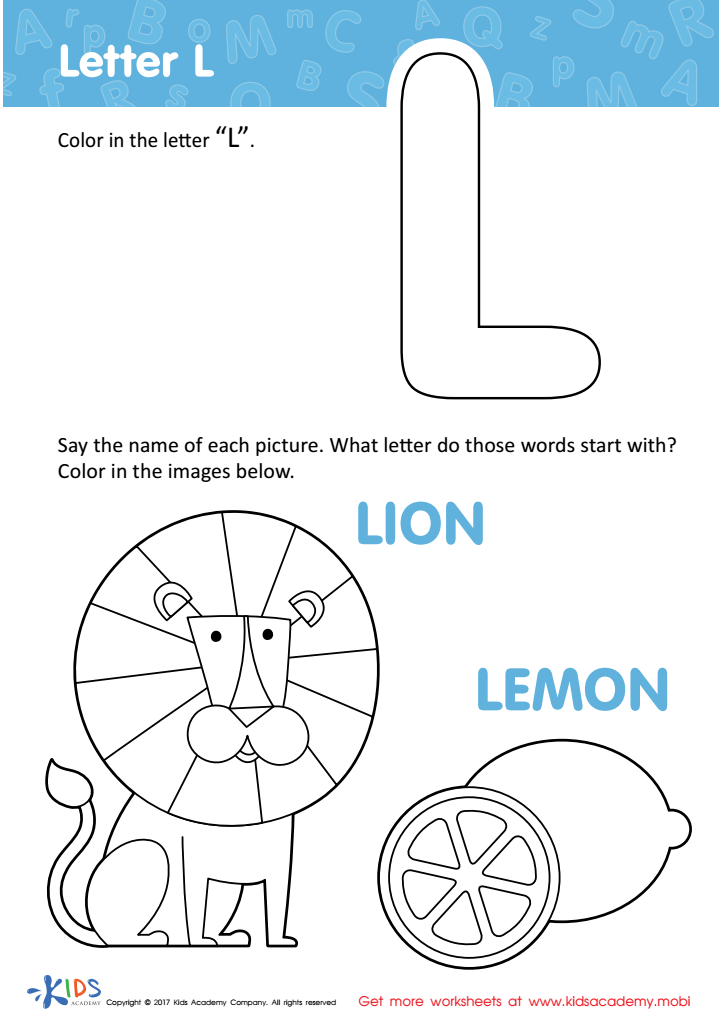
Letter L Coloring Sheet
Assign to My Students
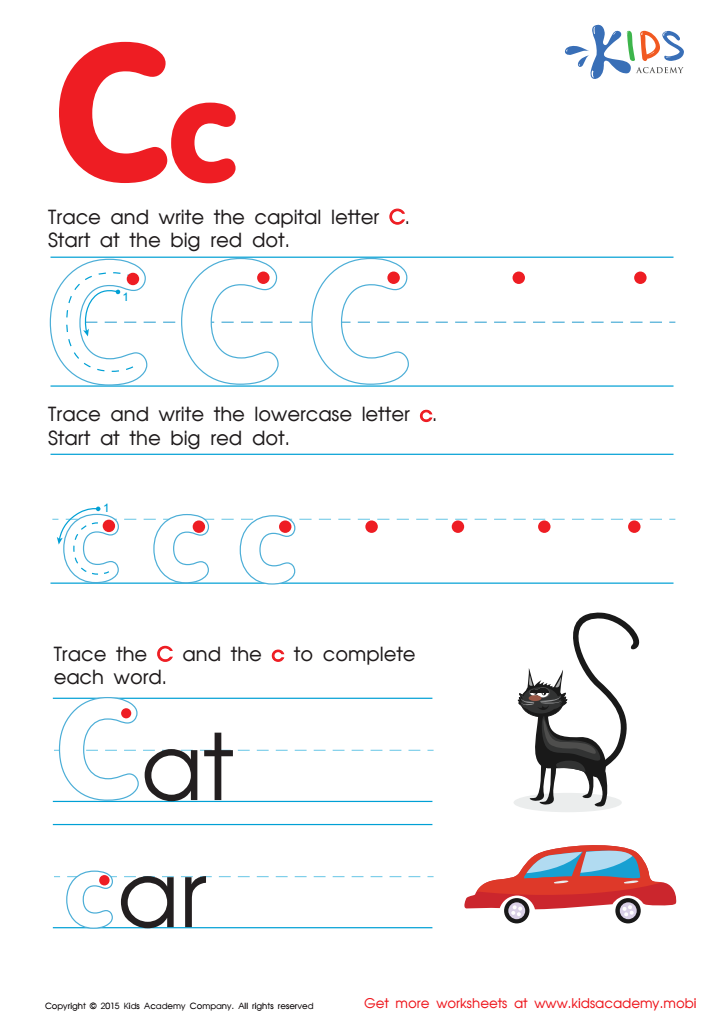
Letter C Tracing Page
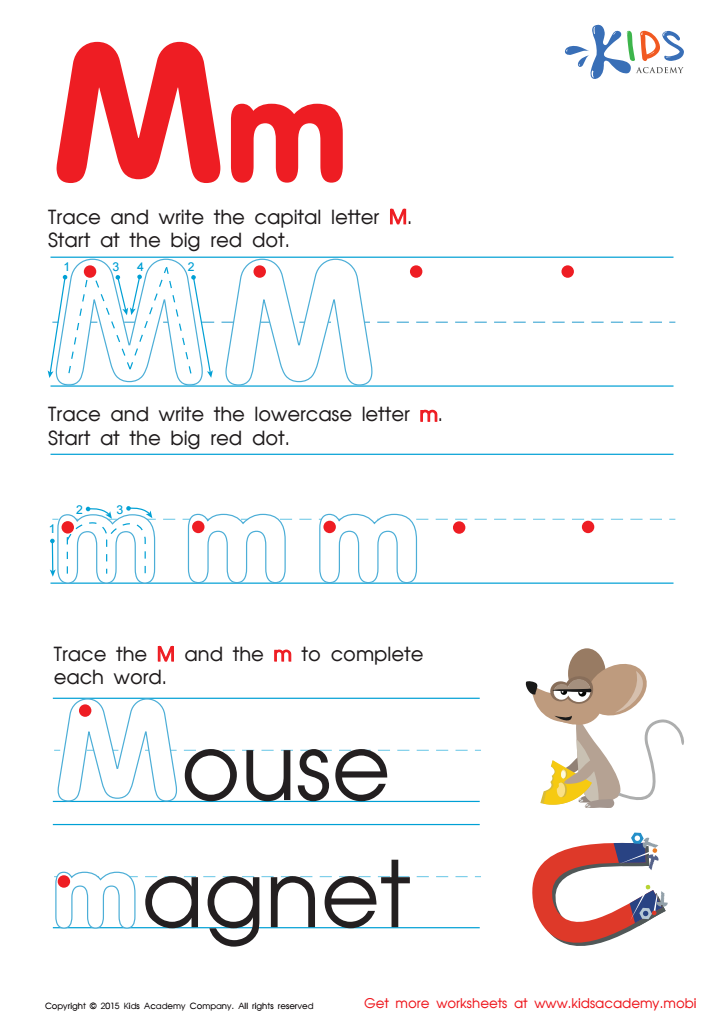
Letter M Tracing Page

Letter G Tracing Page
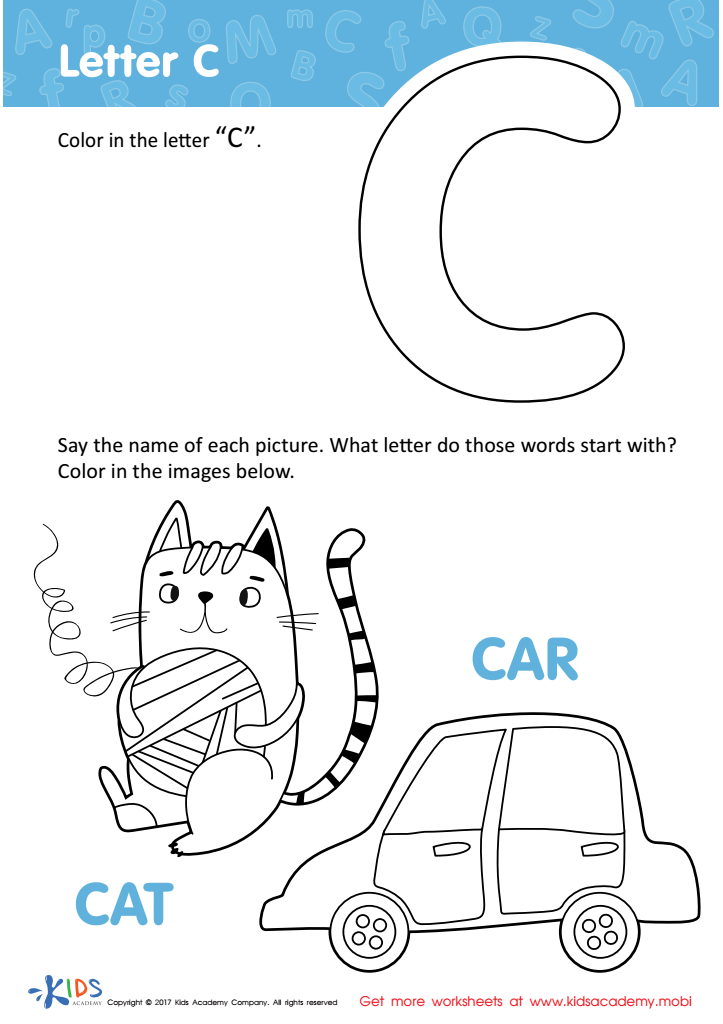
Letter C Coloring Sheet
Assign to My Students
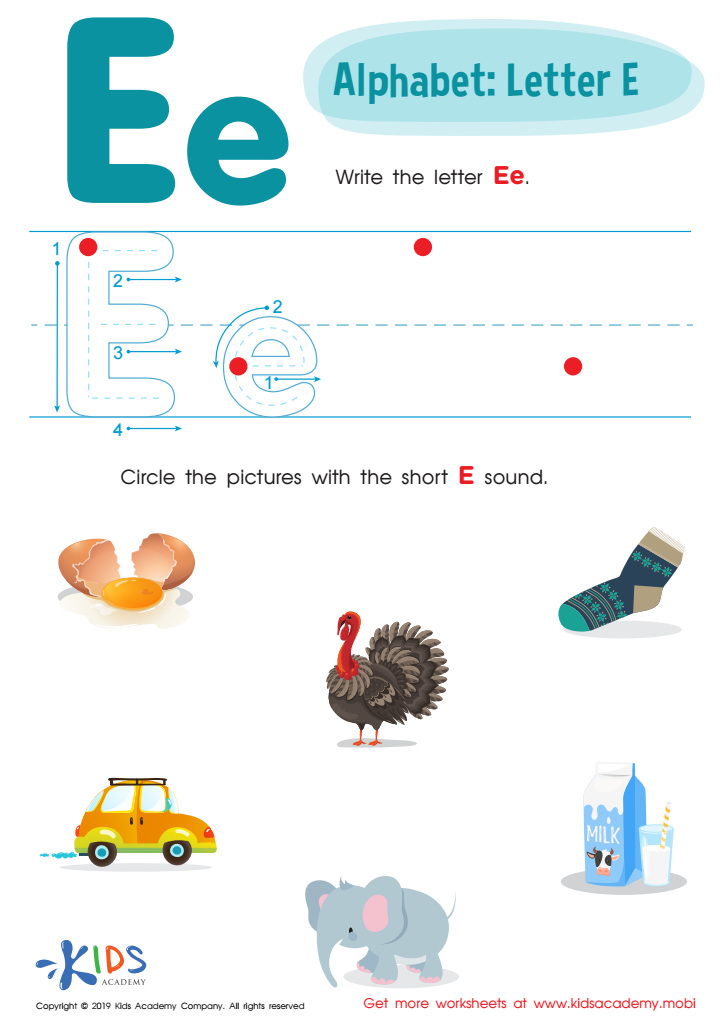
Letter E Tracing Worksheet
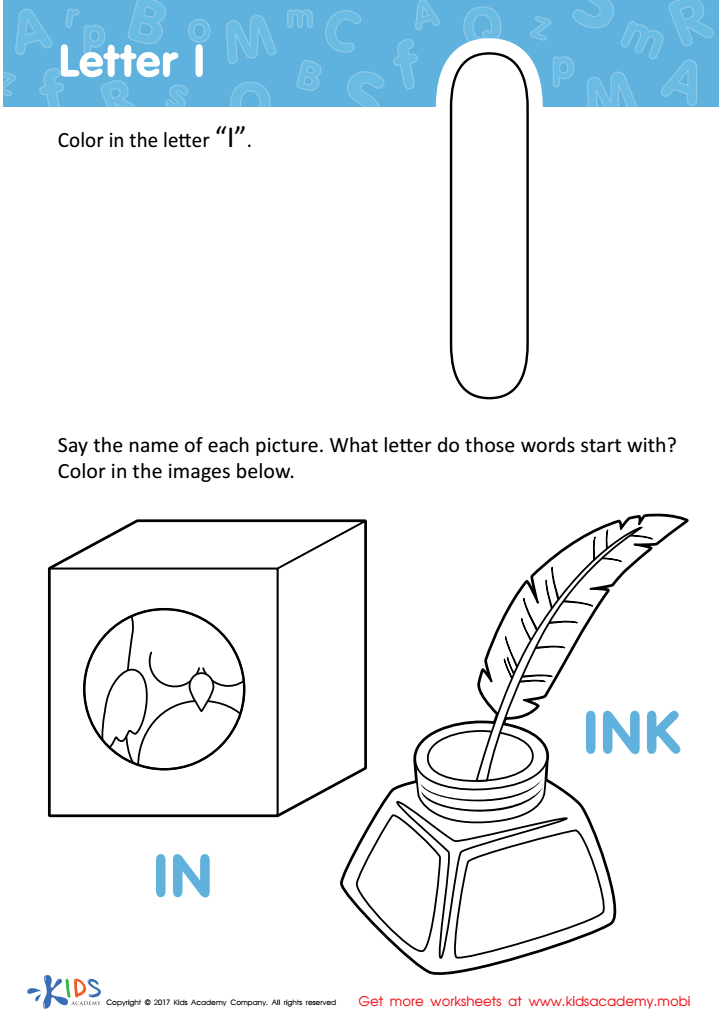
Letter I Coloring Sheet
Assign to My Students
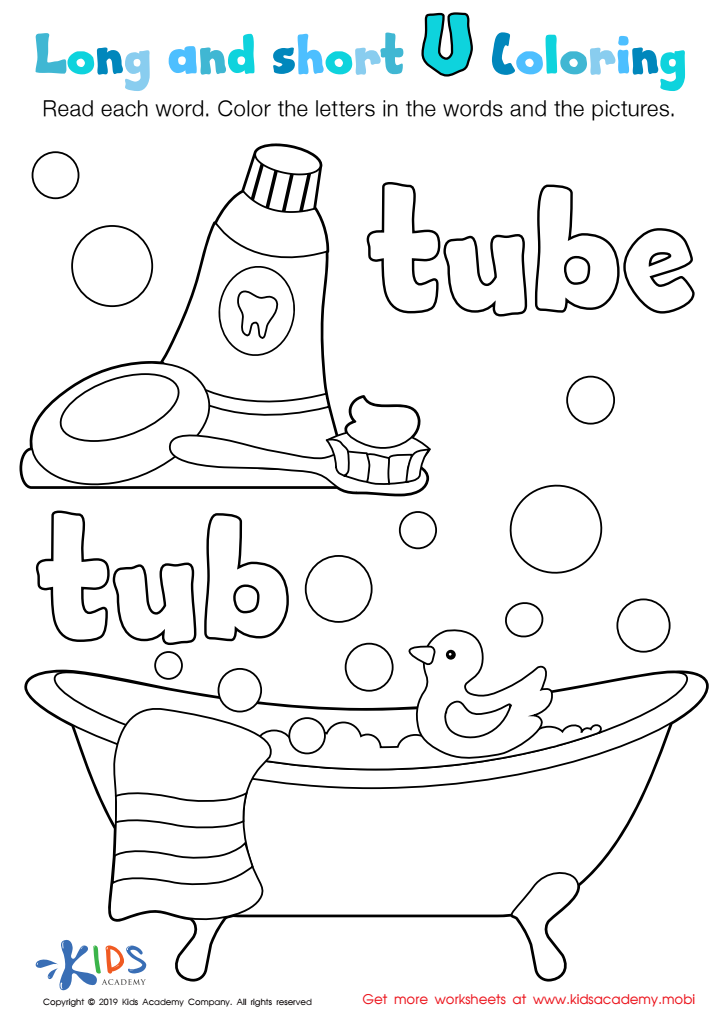
Long and Short U Worksheet
Assign to My Students
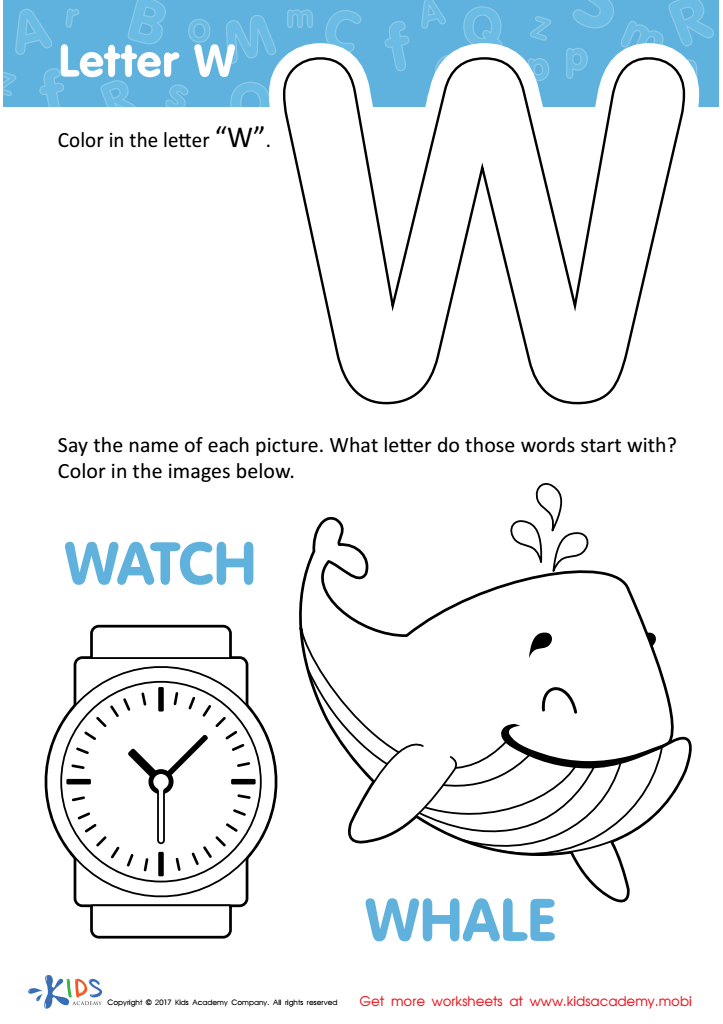
Letter W Coloring Sheet
Assign to My Students
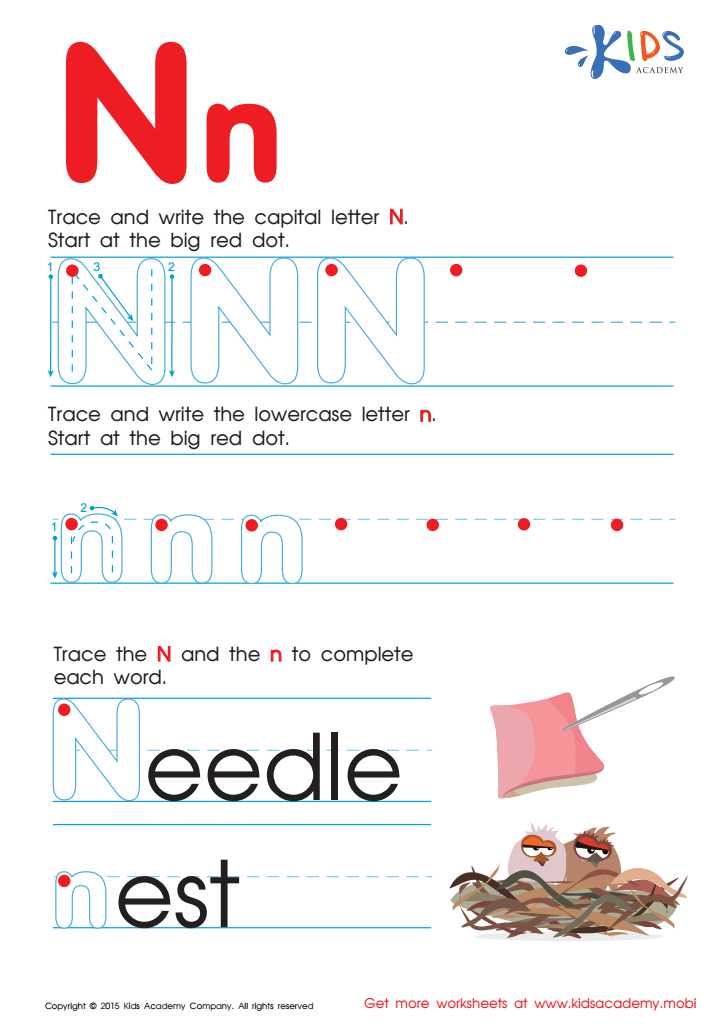
Letter N Tracing Page
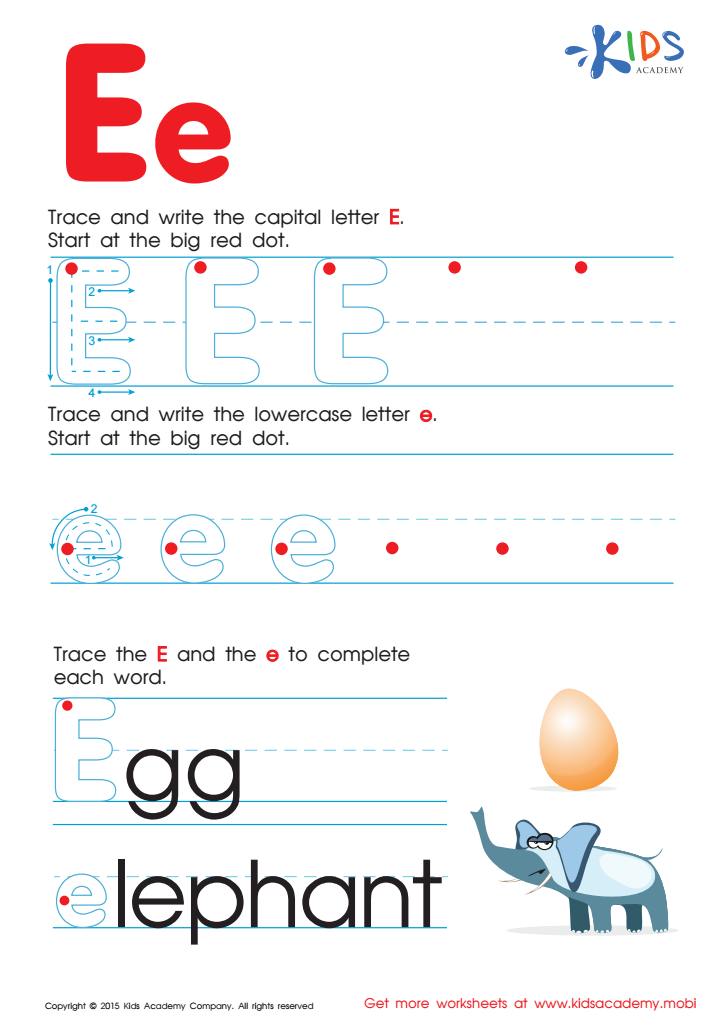
Letter E Tracing Page
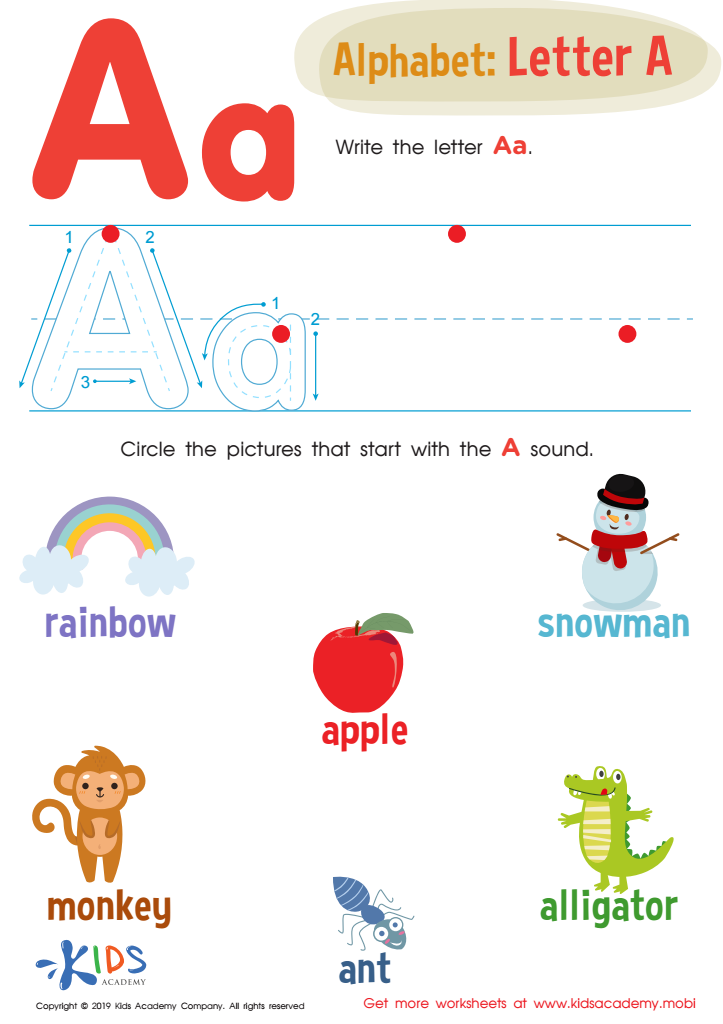
Letter A Tracing Worksheet
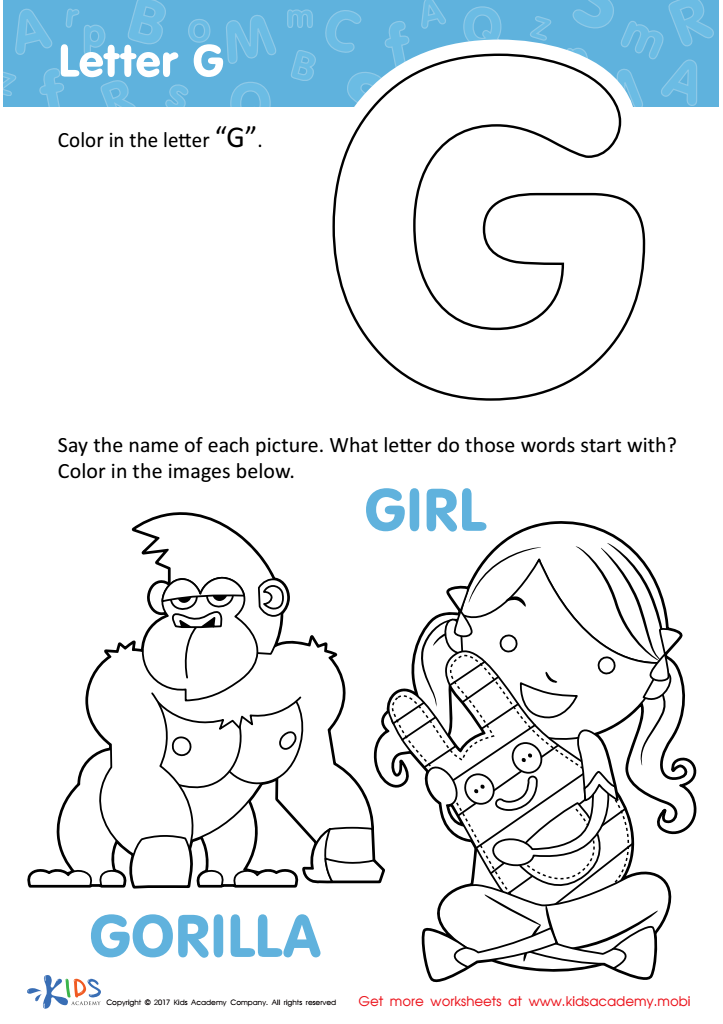
Letter G Coloring Sheet
Assign to My Students
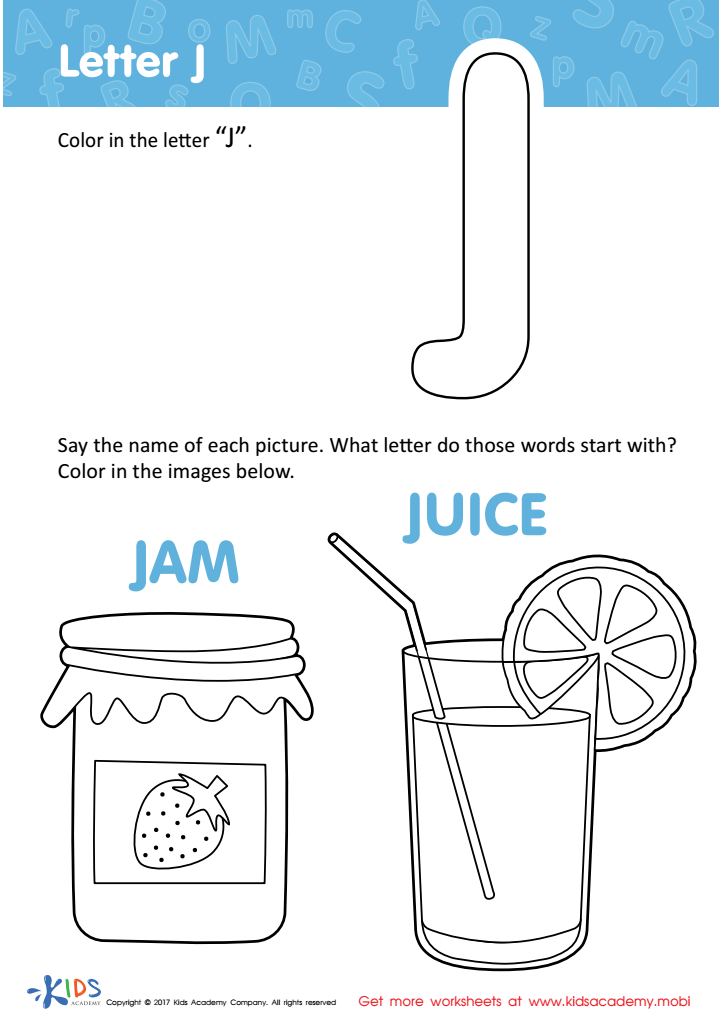
Letter J Coloring Sheet
Assign to My Students
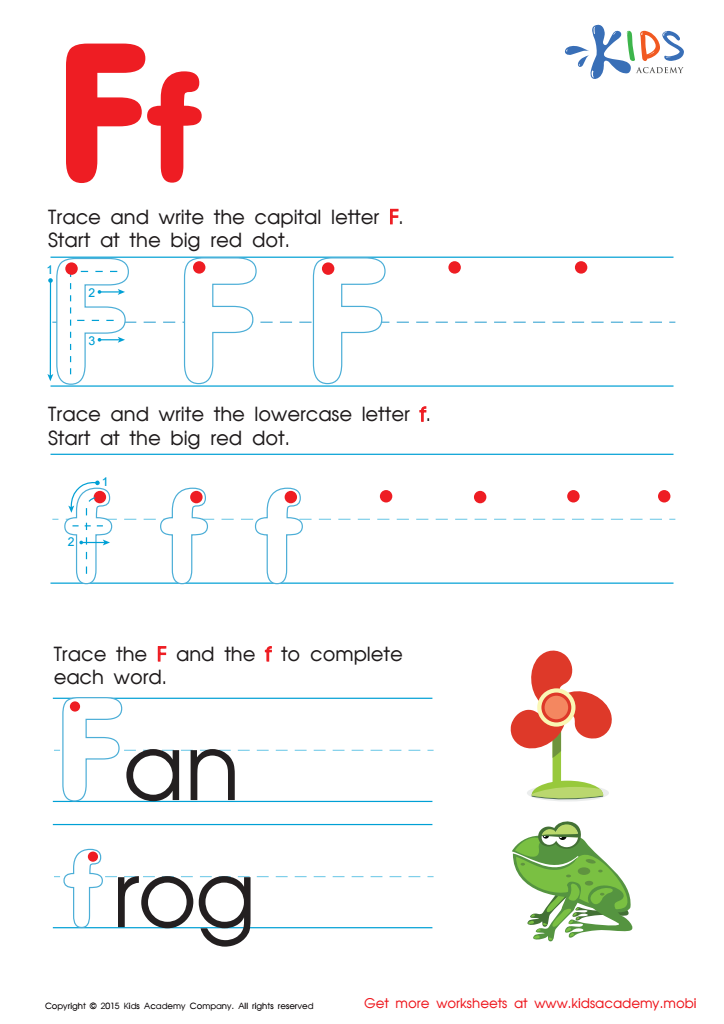
Letter F Tracing Page







Fine motor skills are essential for children's overall development, particularly for children aged 8-9, who are refining their writing abilities and engaging in more complex tasks. These skills include the coordination of small muscles in the hands and fingers, which play a vital role in activities such as handwriting, drawing, and using tools like scissors.
Understanding and monitoring children's fine motor skills is crucial for parents and teachers because it directly impacts academic performance. Proper writing techniques foster clearer communication and enhance learning experiences. As students progress through school, they encounter challenges that require precise motor skills, such as organizing notes, completing art projects, and undertaking practical tasks in science experiments.
Moreover, fine motor skills influence self-confidence. Children who struggle with these skills may experience frustration, impacting their attitude towards learning. By supporting the development of fine motor skills through targeted activities, parents and teachers can facilitate improved concentration, creativity, and independence in children, setting a foundation for lifelong learning. Thus, nurturing these skills at this age is essential for both academic success and emotional well-being, making it a priority for caregivers and educators alike.







