Vowel Recognition Normal Alphabet Worksheets for Ages 8-9
4 filtered results
-
From - To
Boost your child's reading skills with our Vowel Recognition Normal Alphabet Worksheets designed specifically for ages 8-9! These engaging printables make learning fun, allowing young learners to identify and practice vowels within the context of normal alphabet exercises. Each worksheet focuses on enhancing recognition of short and long vowel sounds through interactive activities, puzzles, and games. Ideal for classroom use or home learning, these worksheets help reinforce essential literacy skills, setting a solid foundation for future reading success. Encourage your child’s confidence and proficiency in language with our thoughtfully crafted vowel recognition resources! Start their learning journey today!
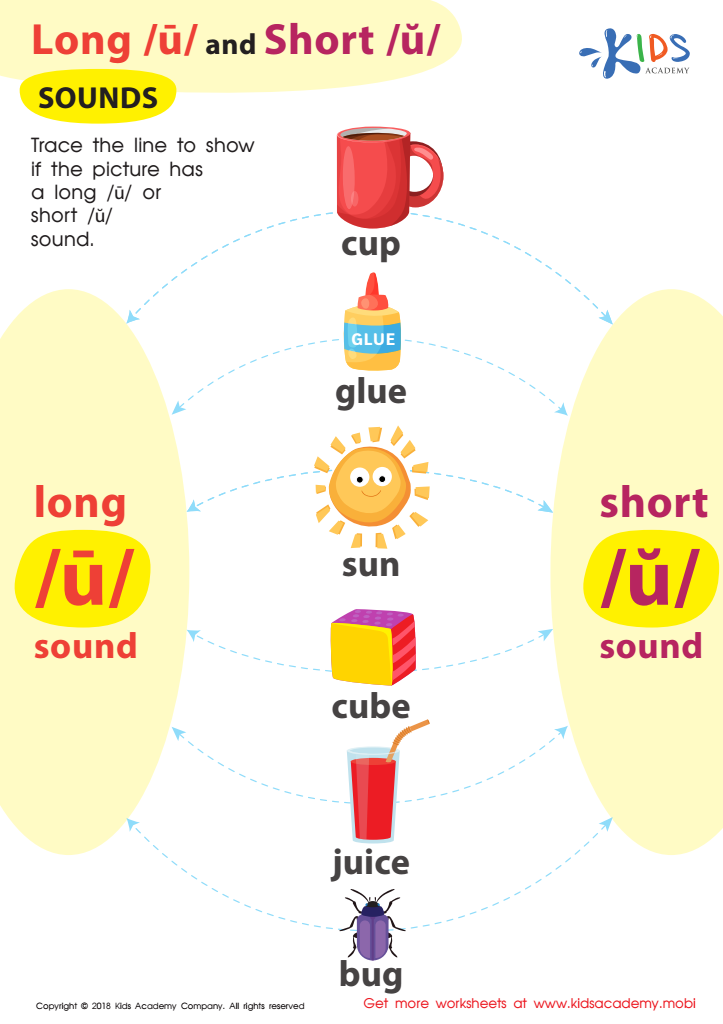
Reading: Long U and Short U Sounds Worksheet
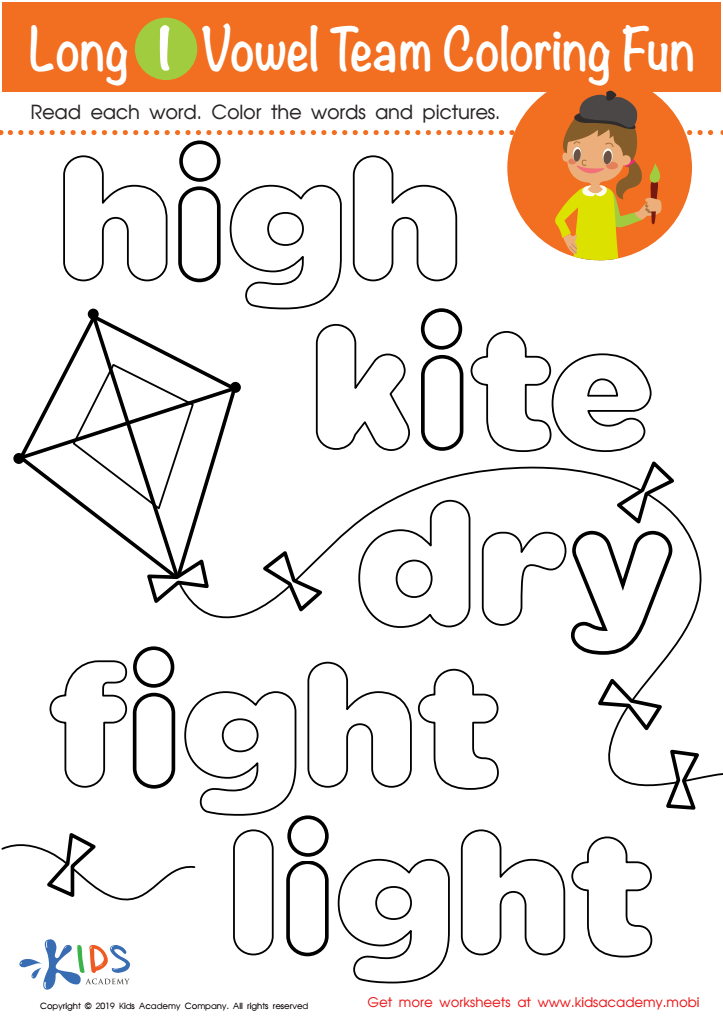
Long I Vowel Team Coloring Worksheet
 Assign to My Students
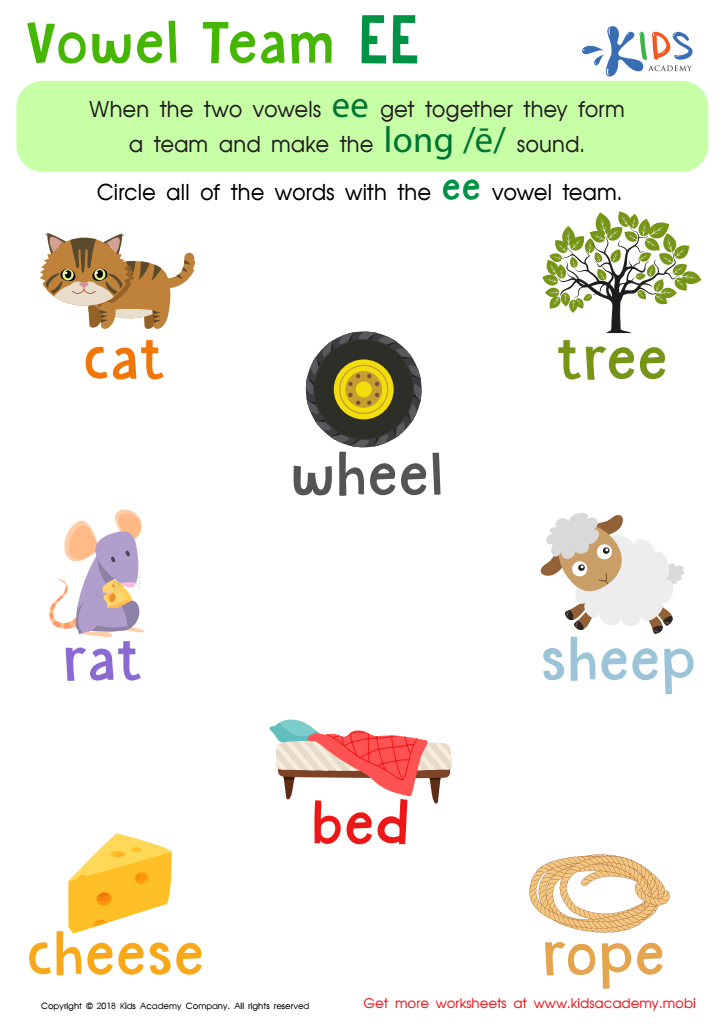
Reading: Vowel Team EE Worksheet
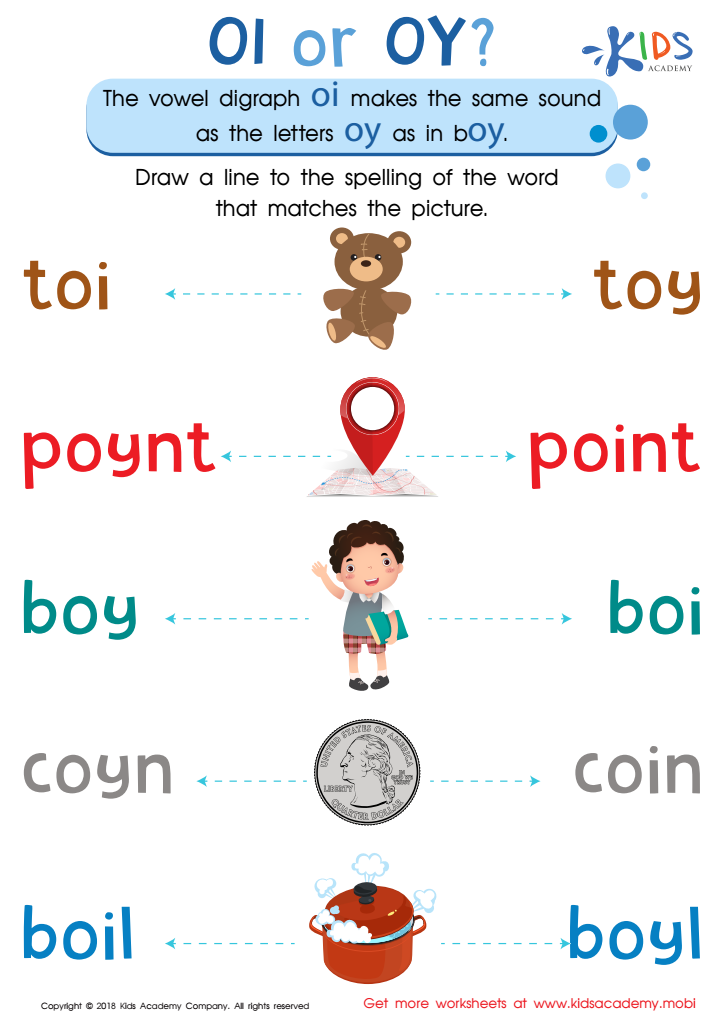
Reading: OI and OY Worksheet








Vowel recognition is a crucial aspect of literacy development, particularly for children aged 8-9. At this stage, students are transitioning from learning to read to reading to learn. A strong foundation in vowel recognition supports their ability to decode words, which is essential for fluency and comprehension. Vowel sounds can vary widely in English, and being proficient in identifying them aids children in mastering phonetic patterns, aiding their spelling and pronunciation.
Moreover, understanding vowels enriches vocabulary acquisition. As children discover how different vowels can change the meaning of words, they become more analytical readers and writers. This recognition fosters confidence, encouraging them to engage more with texts and expand their knowledge across subjects.
For teachers and parents, emphasizing vowel recognition in this age group not only helps in literacy development but also supports broader academic success. Students equipped with strong vowel recognition skills can tackle diverse content areas, improving their overall communication capabilities and cognitive skills. Furthermore, it creates a foundation for lifelong learning, setting the stage for more advanced reading and writing skills as they progress in school. Therefore, prioritizing vowel recognition is vital for nurturing proficient, confident learners.







