Reading comprehension Normal Letter Recognition Worksheets for Ages 8-9
4 filtered results
-
From - To
Enhance your child's reading skills with our engaging Reading Comprehension Normal Letter Recognition Worksheets designed specifically for ages 8-9. These interactive worksheets focus on developing essential letter recognition and comprehension skills through fun and age-appropriate activities. By combining visual aids and thoughtful questions, children will learn to recognize letters and build meaningful connections with words. Our resources promote critical thinking and help instill a love for reading. Perfect for use at home or in the classroom, these worksheets cater to diverse learning styles, ensuring that every child has the opportunity to strengthen their literacy skills. Explore our collection and watch your child thrive!
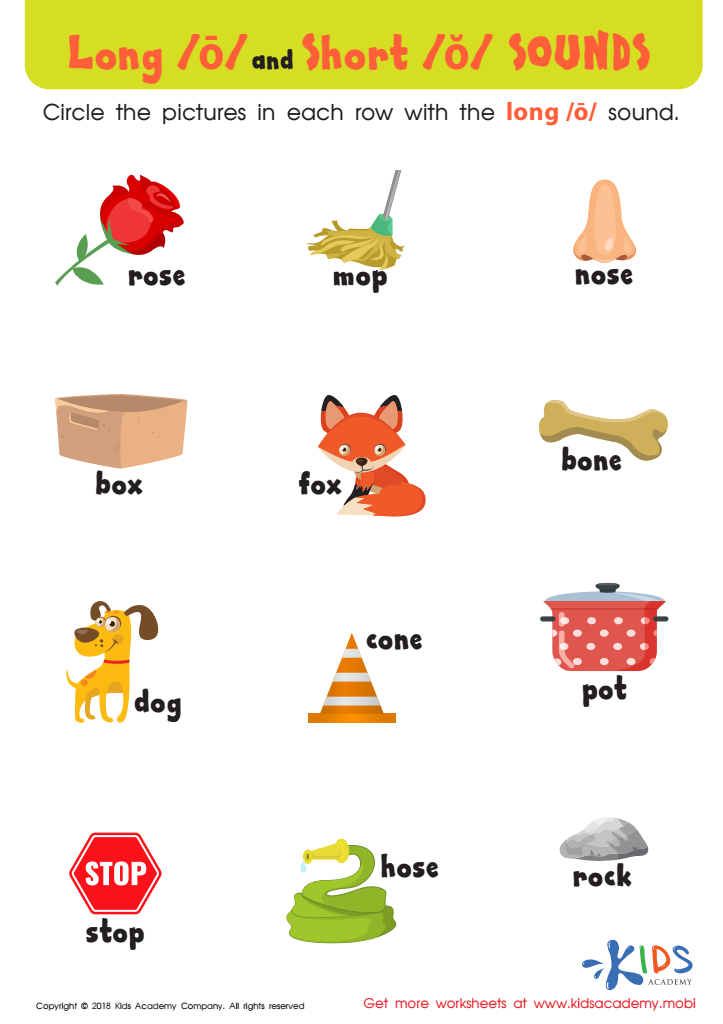
Reading: Long O and Short O Sounds Worksheet
 Assign to My Students
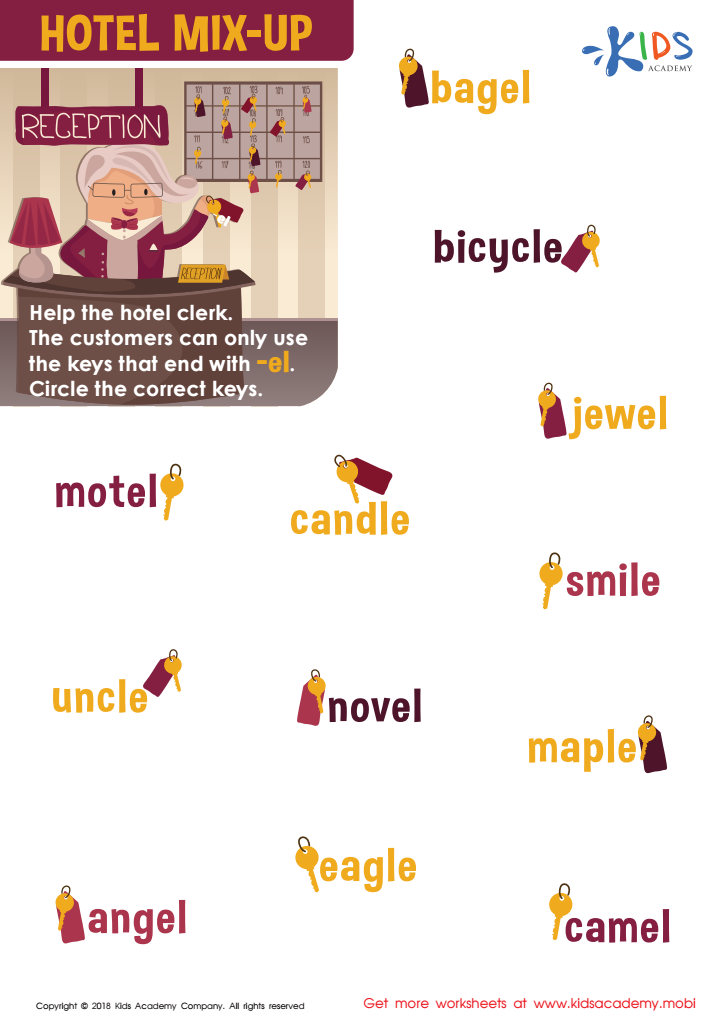
Hotel Mix-up Worksheet
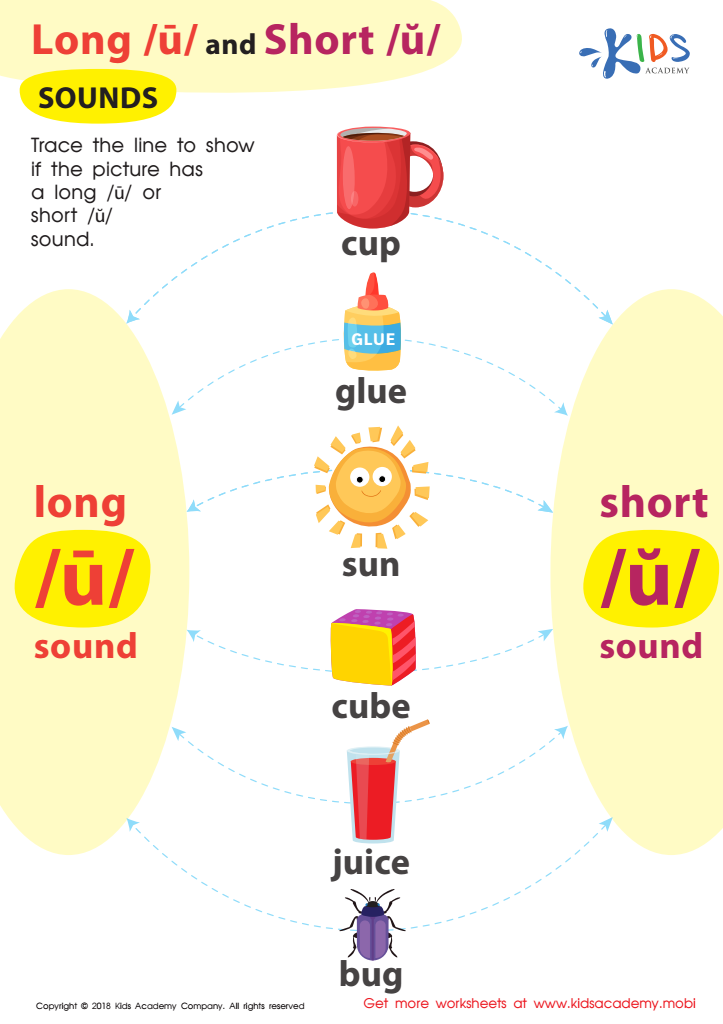
Reading: Long U and Short U Sounds Worksheet
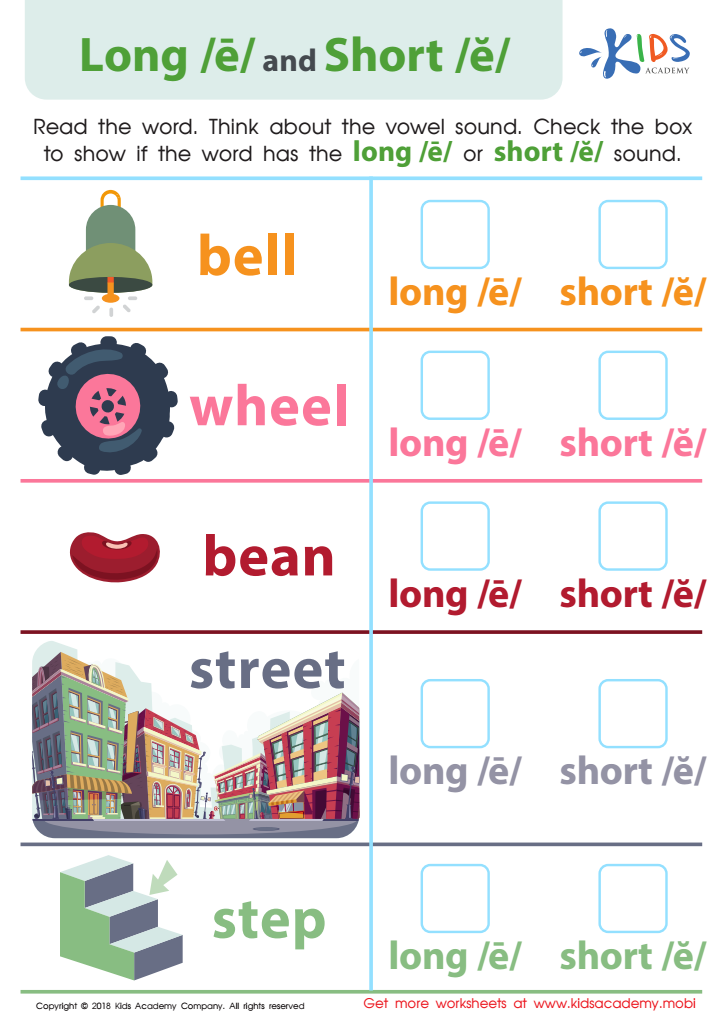
Reading: Long E and Short E Worksheet








Reading comprehension and normal letter recognition are crucial skills for children aged 8-9, as they serve as the foundation for all future learning. At this age, children are transitioning from learning to read to reading to learn, making it imperative that they understand the text they encounter in various subjects. Mastering letter recognition, which involves identifying and understanding the forms and sounds of letters, is a vital precursor to effective reading comprehension. When children can recognize letters effortlessly, they can focus their cognitive energy on grasping vocabulary, sentence structure, and overarching themes in what they read.
Moreover, reading comprehension promotes critical thinking and enhances overall academic success. Children who understand what they read are better equipped to draw conclusions, make inferences, and express their thoughts in writing. Additionally, strong reading skills are linked to improved self-esteem and enjoyment in learning, which can lead to a lifelong love for reading.
Ultimately, parents and teachers should care about these skills because they directly influence children's academic outcomes, shaping their future educational journeys and instilling essential life skills critical for success in an increasingly complex world. Investing time and resources in developing these skills today will yield significant benefits for children in the years to come.








