Phonics Skills Normal Coloring Pages Worksheets for Ages 8-9
3 filtered results
-
From - To
Explore our Phonics Skills Normal Coloring Pages Worksheets for Ages 8-9, designed to make learning phonics fun and engaging! These delightful worksheets combine coloring with essential phonics practice, helping children strengthen their reading and writing skills through interactive activities. Each page features vibrant illustrations and targeted exercises focused on letter sounds, word formation, and reading comprehension. Tailored for young learners, these worksheets support both classroom instruction and at-home practice. Give your child the phonics boost they need while they enjoy the creative process of coloring! Access a variety of our fun and educational resources to enhance their learning journey today.
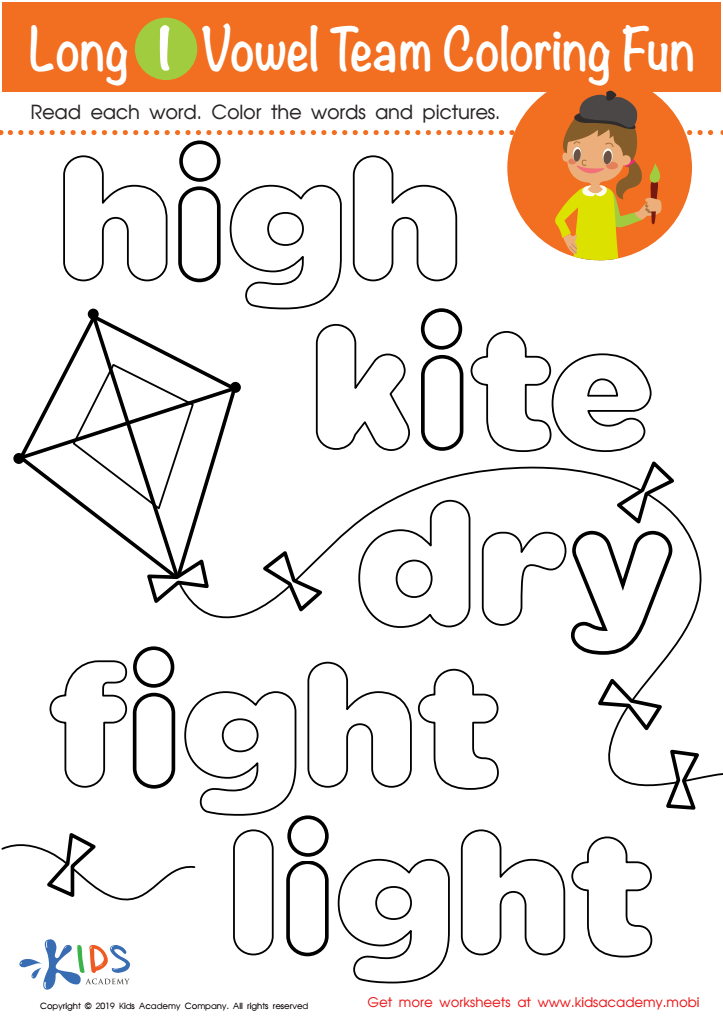
Long I Vowel Team Coloring Worksheet
 Assign to My Students
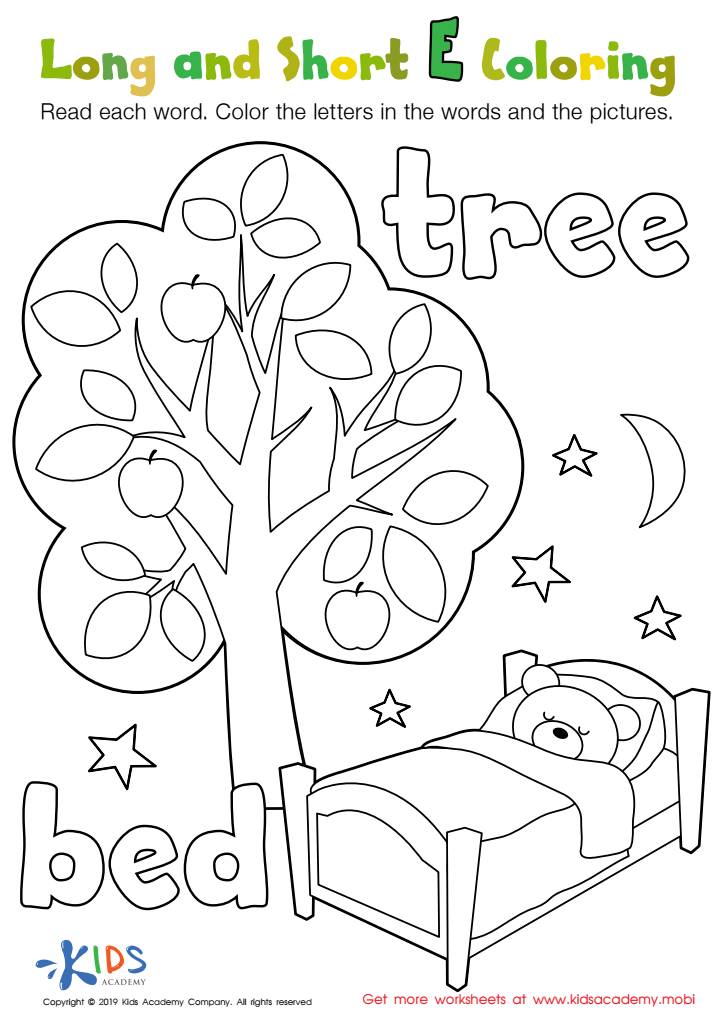
Long and Short E Worksheet
Assign to My Students
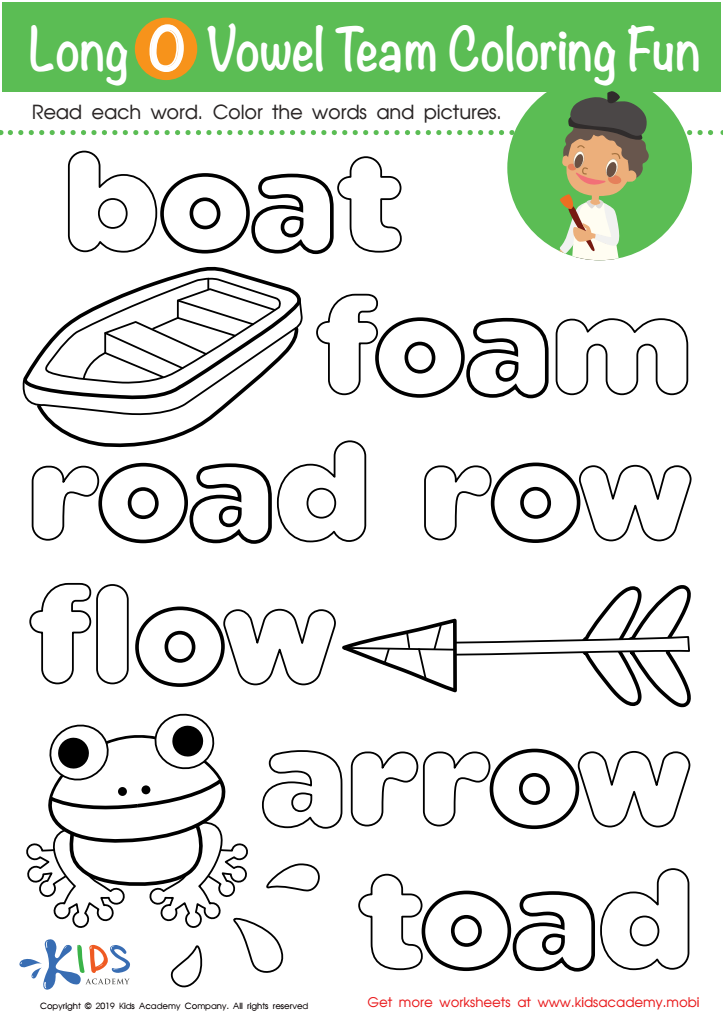
Long O Vowel Team Coloring Worksheet
Assign to My Students




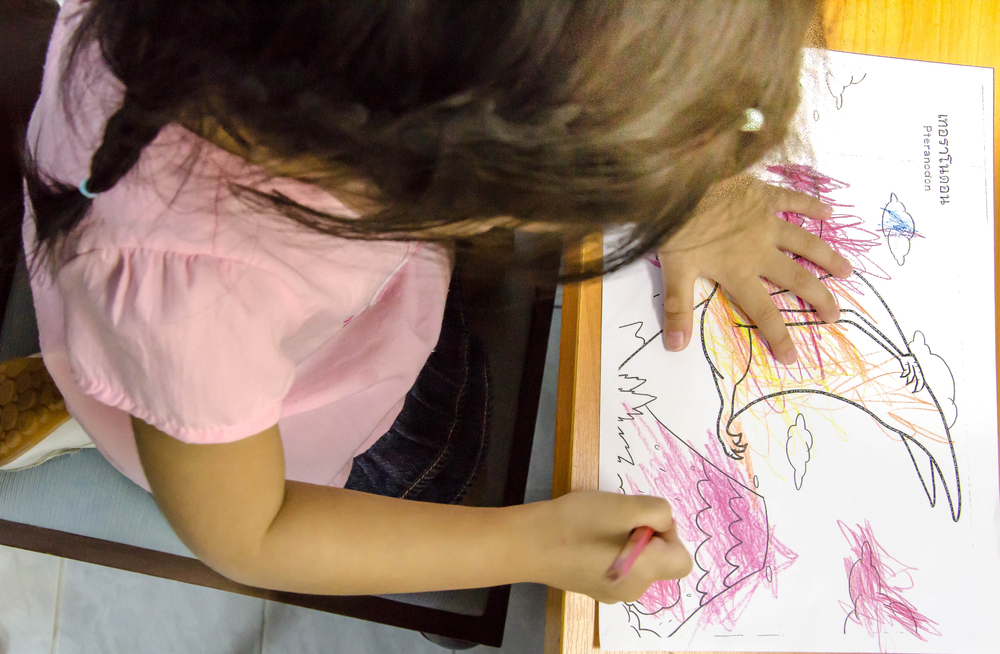



Phonics skills are fundamental building blocks for reading success, and using tools such as Phonics Skills Normal Coloring Pages can make learning engaging and effective for children aged 8-9. At this crucial developmental stage, kids transition from basic decoding to more fluent reading, requiring strong phonics foundations. These coloring pages integrate fun and education, encouraging children to practice phonics rules such as blending sounds and recognizing patterns.
For parents and teachers, providing such tools means addressing the learning needs of visual and tactile learners who benefit from combining artistic expression with literacy skills. Coloring activities enhance fine motor skills and help in maintaining a child's interest and motivation, making repetitive practice more enjoyable. Moreover, children can work at their own pace, reinforcing their phonics knowledge through interactive and hands-on experiences.
Additionally, consistent practice with Phonics Skills Normal Coloring Pages aids in retaining information. Visual association with phonetics encourages better memory retention as children frequently reference the visual elements of the letters and words they are coloring. This holistic learning approach ensures that children are not only recognizing but also comprehending and retaining what they learn, contributing to their overall reading proficiency and future academic success. Caring about these developmental tools ultimately supports a child’s journey in becoming confident and proficient readers.