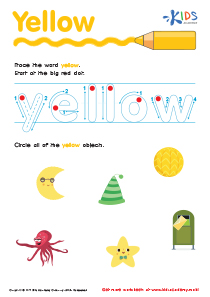
Word Recognition Normal English for Beginners Worksheets for Ages 8-9
3 filtered results
-
From - To
Enhance your child's vocabulary skills with our "Word Recognition Normal English for Beginners Worksheets" designed specifically for ages 8-9. These engaging worksheets help young learners identify words, improve reading comprehension, and build their confidence in English language usage. Featuring a variety of interactive activities, our resources facilitate learning through fun exercises tailored to beginners. Each worksheet encourages kids to practice recognition and usage of essential words, paving the way for a solid foundation in English. Unlock your child's potential in language learning with our thoughtfully crafted worksheets that make mastering word recognition an exciting adventure! Perfect for home and classroom use.
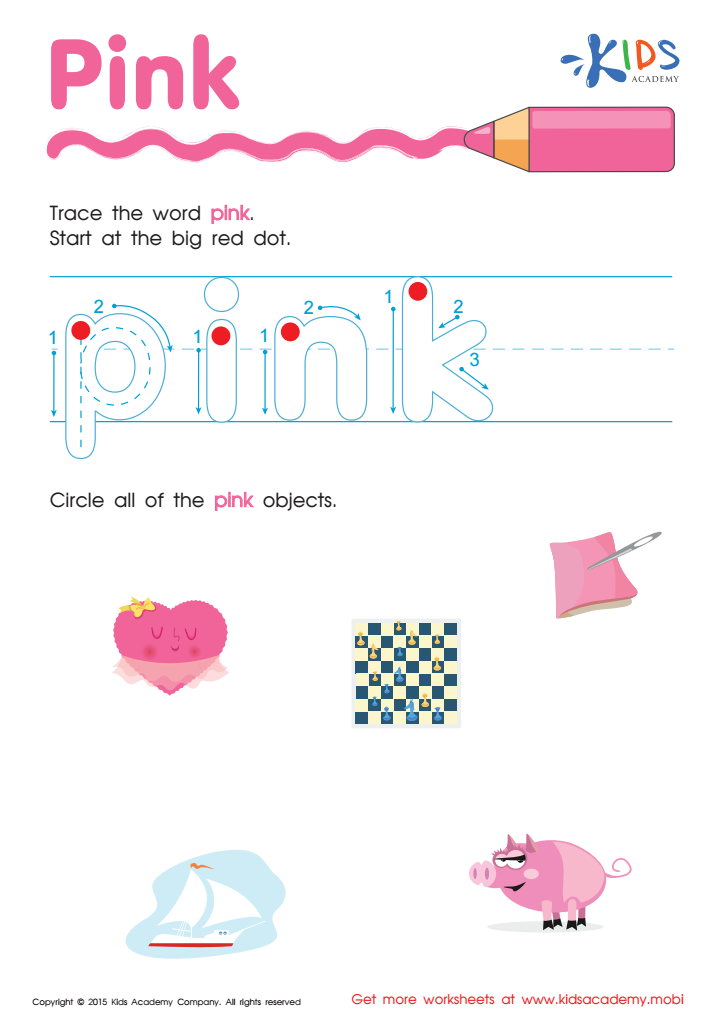
Pink Tracing Color Words Worksheet
 Assign to My Students
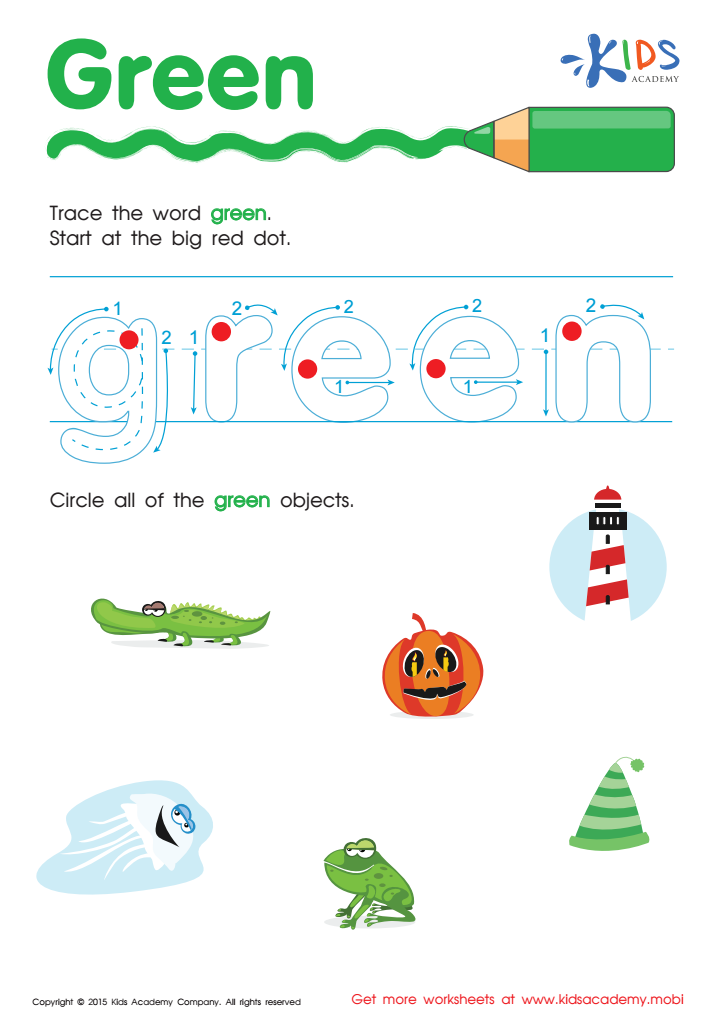
Green Tracing Color Words Worksheet
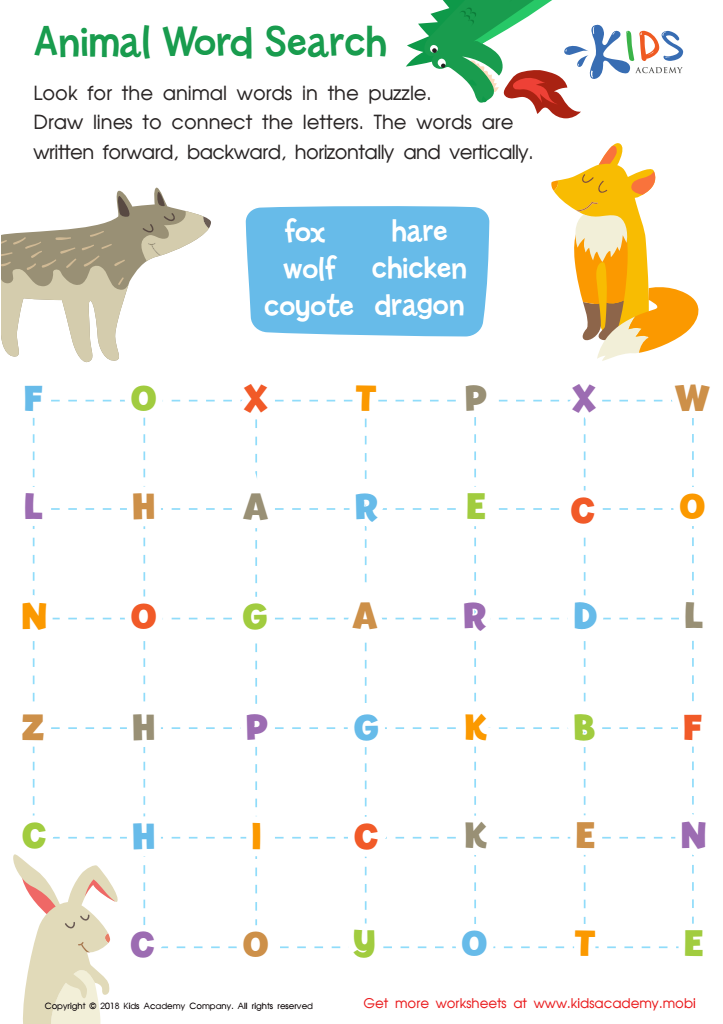
Animal Word Search Worksheet





Word recognition is a critical component of literacy development, especially for learners aged 8-9 who are transitioning from learning to read to reading to learn. At this age, children begin to encounter more complex texts, making it essential for them to develop automaticity in word recognition to enhance comprehension and fluency.
Parents and teachers should care about this aspect of literacy for several reasons. Firstly, efficient word recognition allows students to focus on understanding the content rather than decoding individual words, leading to increased engagement and enjoyment in reading. Secondly, strong word recognition skills are foundational for broader language skills, fostering vocabulary growth and grammar understanding that are crucial for effective communication.
Moreover, proficiency in word recognition supports academic success across subjects, not just in language arts. Children who struggle with word recognition may experience frustration, impacting their motivation and self-esteem. Therefore, investing time and resources in teaching and reinforcing word recognition can equip children with the tools they need to become confident, independent readers.
In conclusion, cultivating strong word recognition skills in early-grade learners lays the groundwork for lifelong literacy and learning, making it a priority for both parents and educators.