Alphabetical order understanding Normal Worksheets for Ages 8-9
3 filtered results
-
From - To
Unlock the power of alphabetical order with our engaging worksheets designed specifically for children ages 8-9! These normal worksheets enhance students' understanding of alphabetization, enabling them to organize words and develop essential literacy skills. Through a variety of fun activities, including sorting, matching, and labeling exercises, kids will enhance their vocabulary while honing their critical thinking. Our user-friendly format makes learning enjoyable, encouraging practice at home or in the classroom. Perfect for reinforcing language arts concepts, our Alphabetical Order Understanding Worksheets prepare young learners for future reading and writing success. Start your child’s alphabetical journey today!

Letter G Tracing Page

Letter J Coloring Sheet
 Assign to My Students
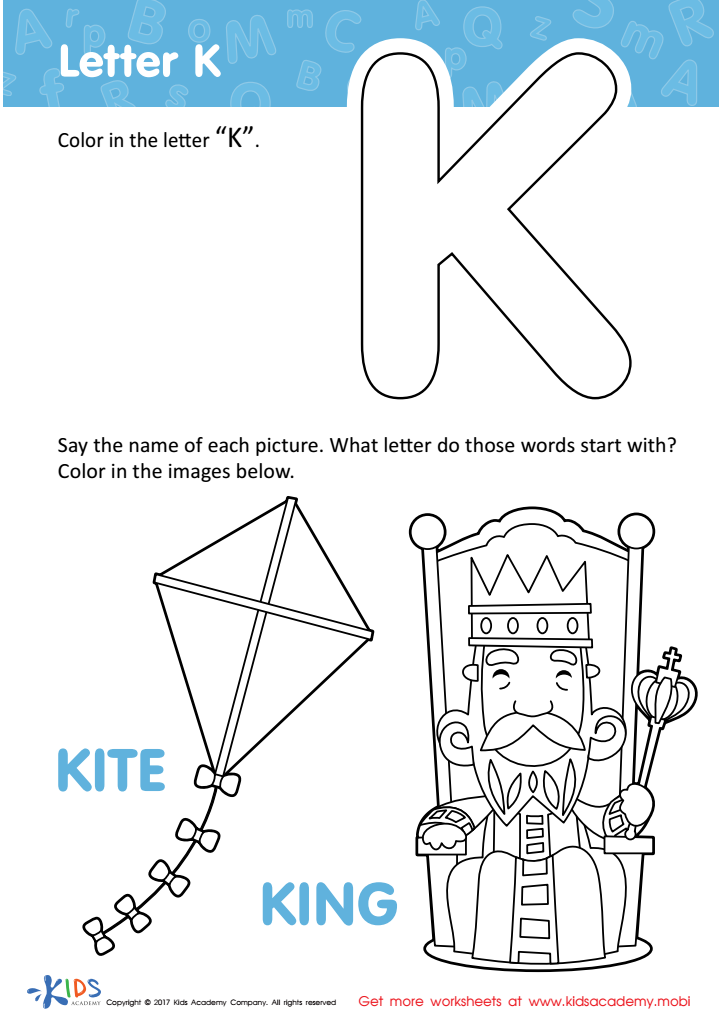
Letter K Coloring Sheet
Assign to My Students



.jpg)



Understanding alphabetical order is crucial for children aged 8-9 because it lays the foundation for crucial literacy and organizational skills. At this age, children are transitioning from learning to read to reading to learn; thus, a firm grasp of alphabetical order enables them to efficiently locate information in various texts, such as dictionaries, encyclopedias, or even online resources.
By mastering alphabetical order, children enhance their vocabulary and spelling skills as they become more familiar with word structures and phonetics. Additionally, this skill promotes cognitive development by sharpening their ability to classify and organize information, a necessary skill not just in language arts but in subjects like science and social studies as well.
Moreover, understanding alphabetical order aids in developing good study habits. Children can organize their notes, books, and resources systematically, which reduces frustration and leads to improved academic performance. As they grow, these organizational skills will benefit them in higher grades and beyond. In an age increasingly reliant on information literacy and digital navigation, teaching children this skill empowers them to become self-sufficient learners and confident navigators of the vast world of knowledge.








