Enhancing critical thinking Normal Worksheets for Ages 8-9
5 filtered results
-
From - To
Unlock your child's potential with our "Enhancing Critical Thinking Normal Worksheets" designed specifically for ages 8-9. These engaging worksheets are crafted to strengthen analytical skills through fun activities, promoting problem-solving and decision-making abilities. Each worksheet offers age-appropriate challenges that stimulate curiosity and encourage independent thinking. From puzzles and logic games to scenarios that require thoughtful responses, your child will develop essential skills in a captivating way. Whether in the classroom or at home, these worksheets align with educational standards, making learning enjoyable and effective. Help your child build a strong foundation for critical thinking today!
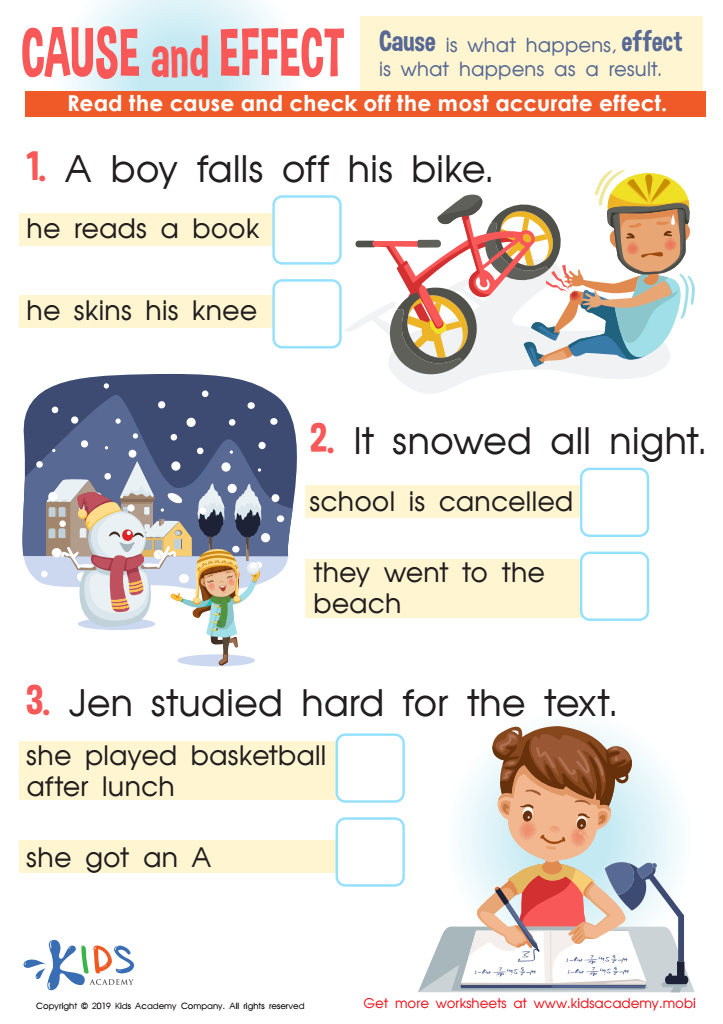
Cause And Effect Worksheet
 Assign to My Students
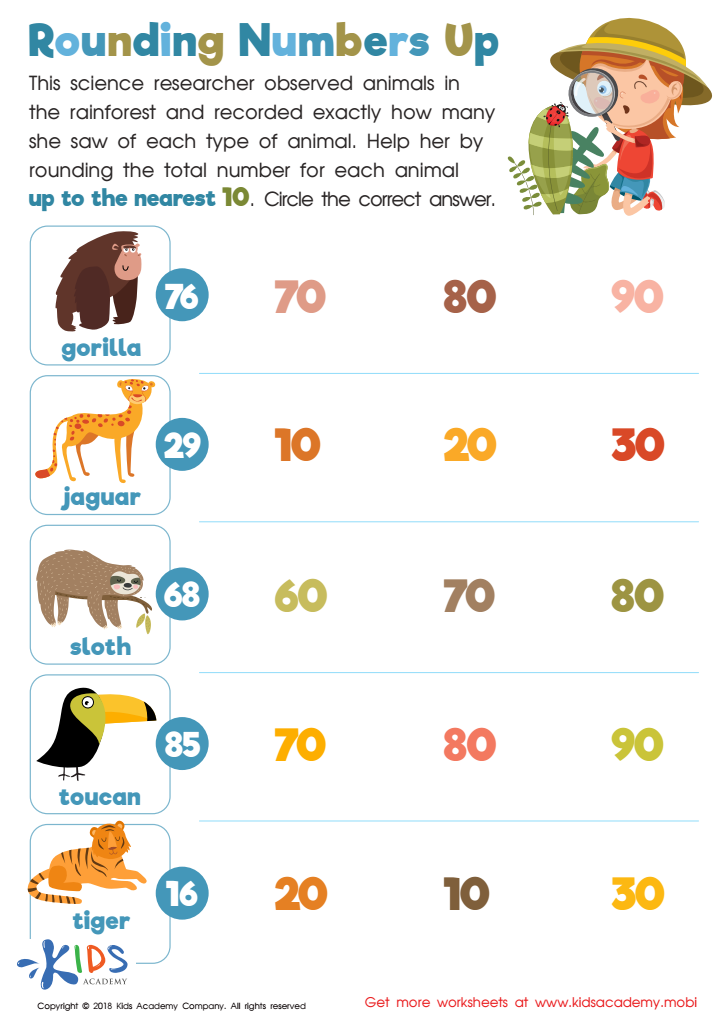
Rounding Numbers Up Worksheet
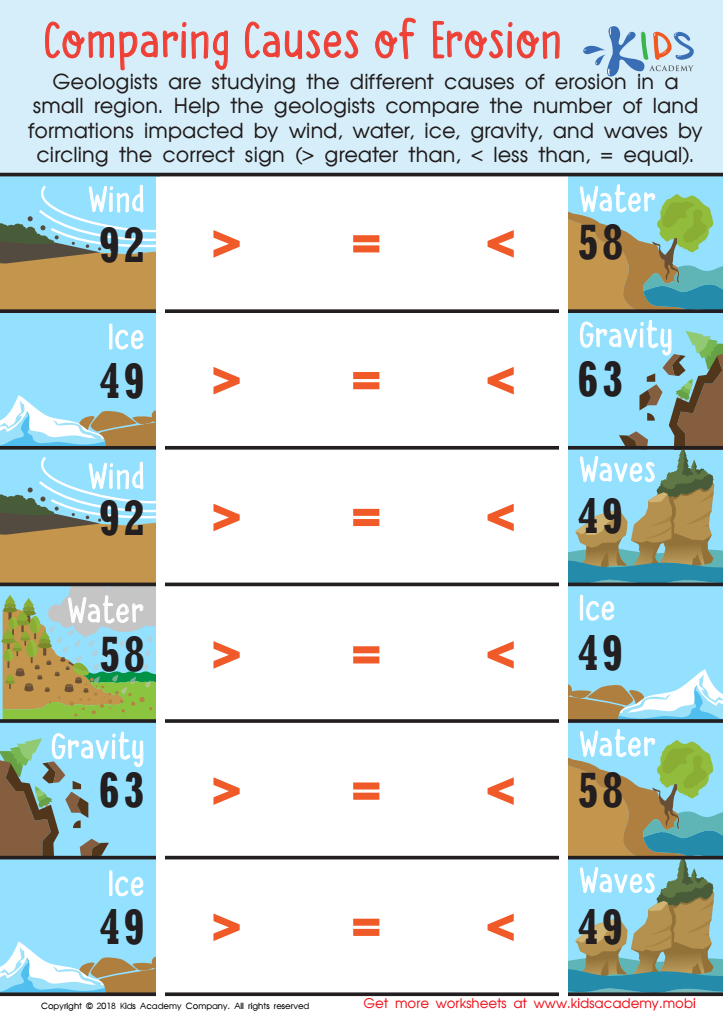
Comparing Causes of Erosion Worksheet
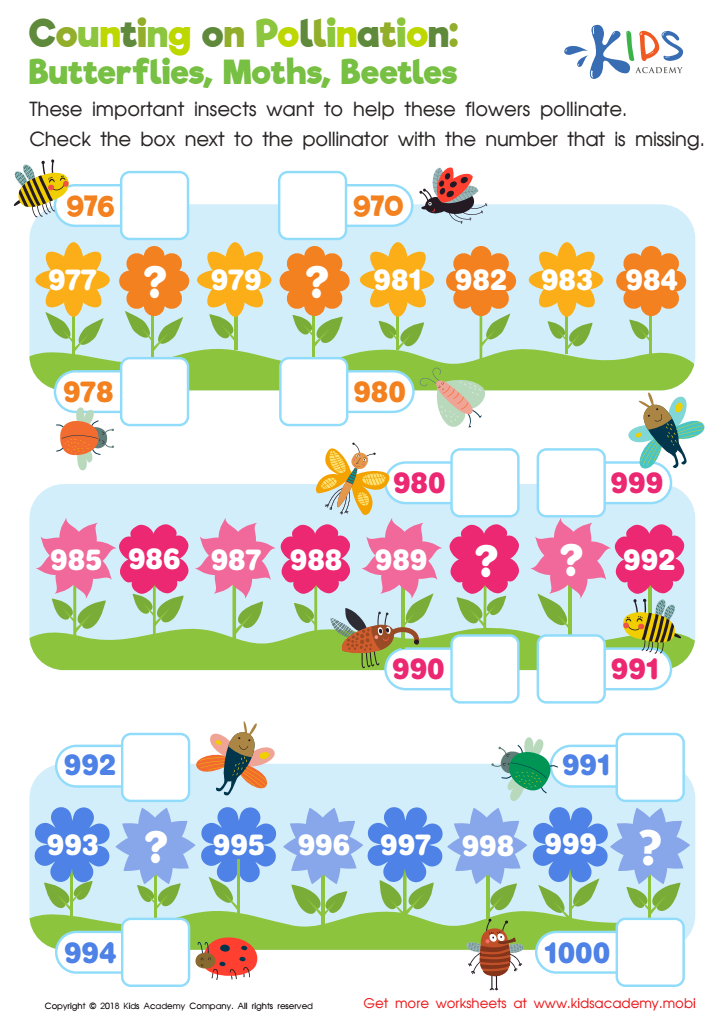
Counting on Pollination: Butterflies, Moths, Beetles Worksheet
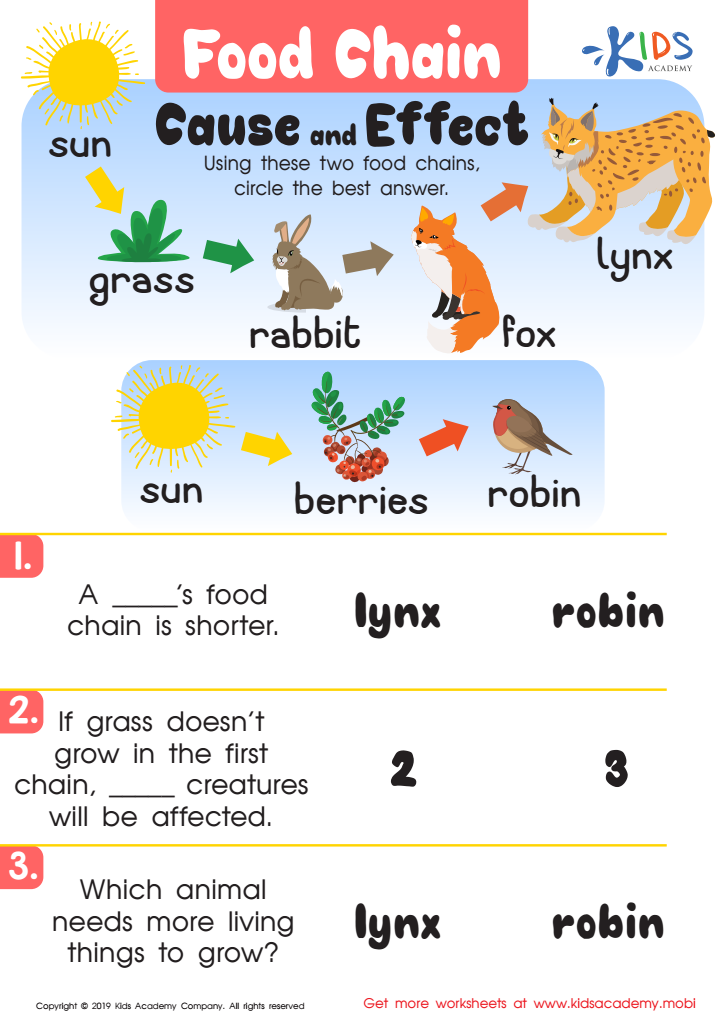
Food Chain Cause Worksheet


.jpg)


.jpg)


Enhancing critical thinking in children ages 8-9 is vital for several reasons. At this developmental stage, kids are beginning to think more abstractly and question the world around them. Developing critical thinking skills enables them to analyze information, make connections, and form reasoned judgments. This is essential not only for academic success but also for lifelong learning.
Parents and teachers can play a significant role by fostering an environment that encourages curiosity and inquiry. Children who can think critically are better equipped to solve problems, make informed decisions, and navigate social interactions effectively. These skills contribute to their ability to assess situations objectively and consider multiple perspectives, which is crucial in an increasingly complex world.
Moreover, critical thinking fosters independence and resilience, empowering children to approach challenges confidently. Engaging in discussions, asking open-ended questions, and promoting hands-on learning experiences in the classroom and at home help nurture these skills. By prioritizing critical thinking, parents and teachers can aid in shaping well-rounded individuals who will be prepared to tackle the challenges of the future, fostering not just academic growth, but also emotional intelligence and social responsibility.








