Reading comprehension improvement Normal Worksheets for Ages 8-9
6 filtered results
-
From - To
Boost your child's reading skills with our carefully crafted reading comprehension improvement worksheets for ages 8-9, available at Kids Academy. These engaging and interactive worksheets are designed to enhance your child's understanding and retention through a variety of activities. With a focus on vocabulary, critical thinking, and contextual understanding, our worksheets provide the perfect balance of challenge and enjoyment. Each worksheet is developed by educational experts to align with school standards, ensuring your child builds a solid foundation in reading. Explore our collection of printable worksheets and support your child's educational journey today!
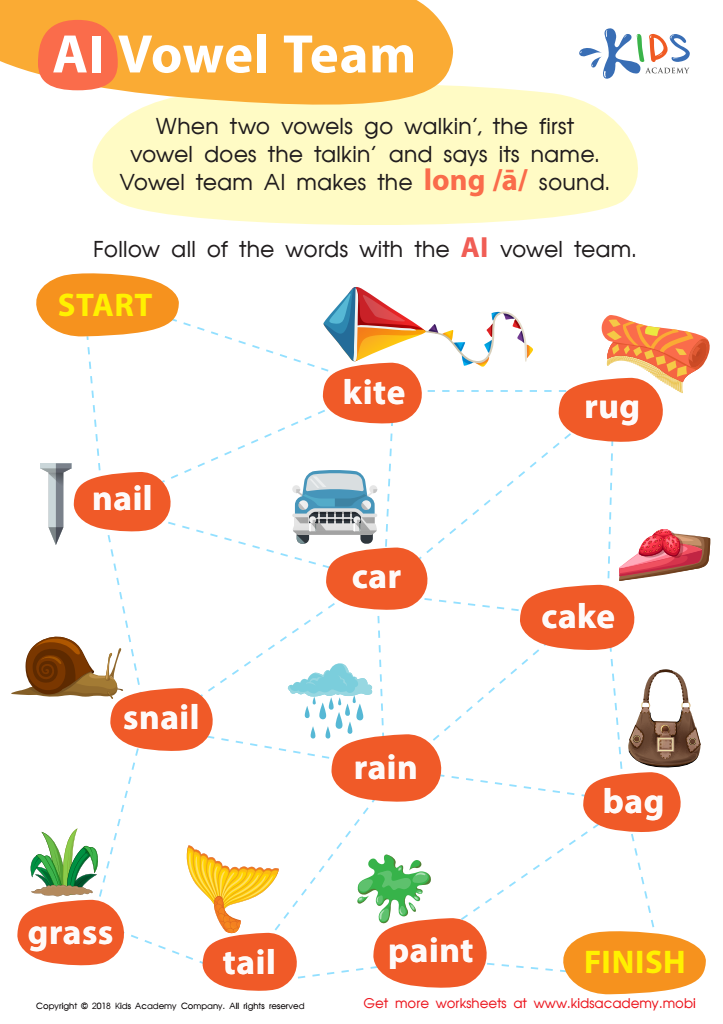
Reading: AI Vowel Team Worksheet
 Assign to My Students
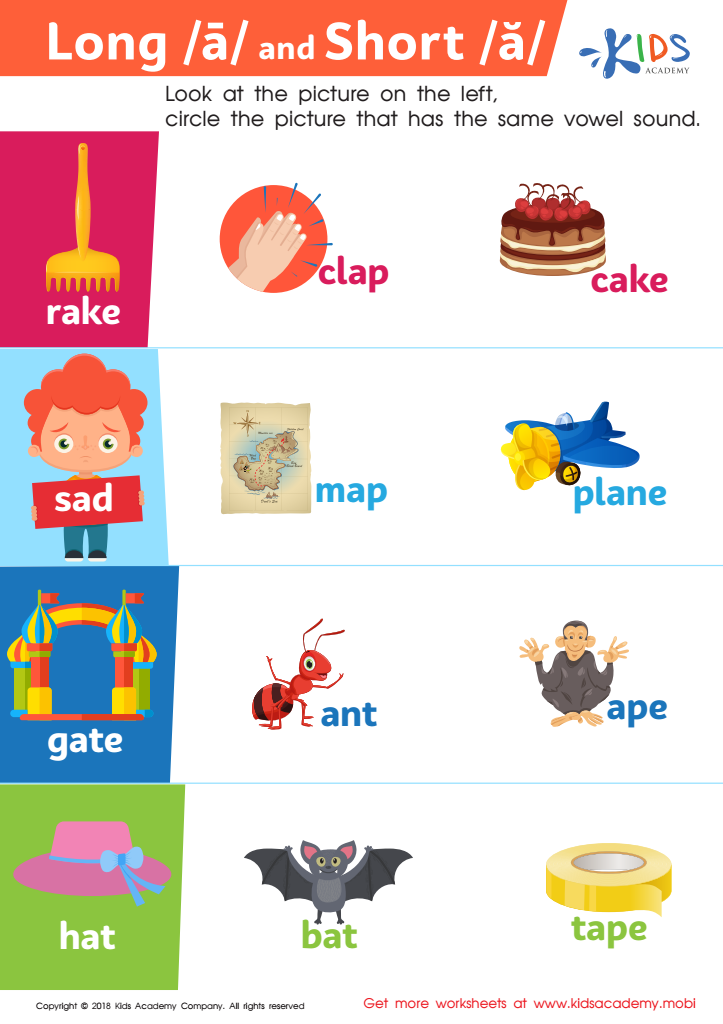
Reading: Long a and Short a Worksheet
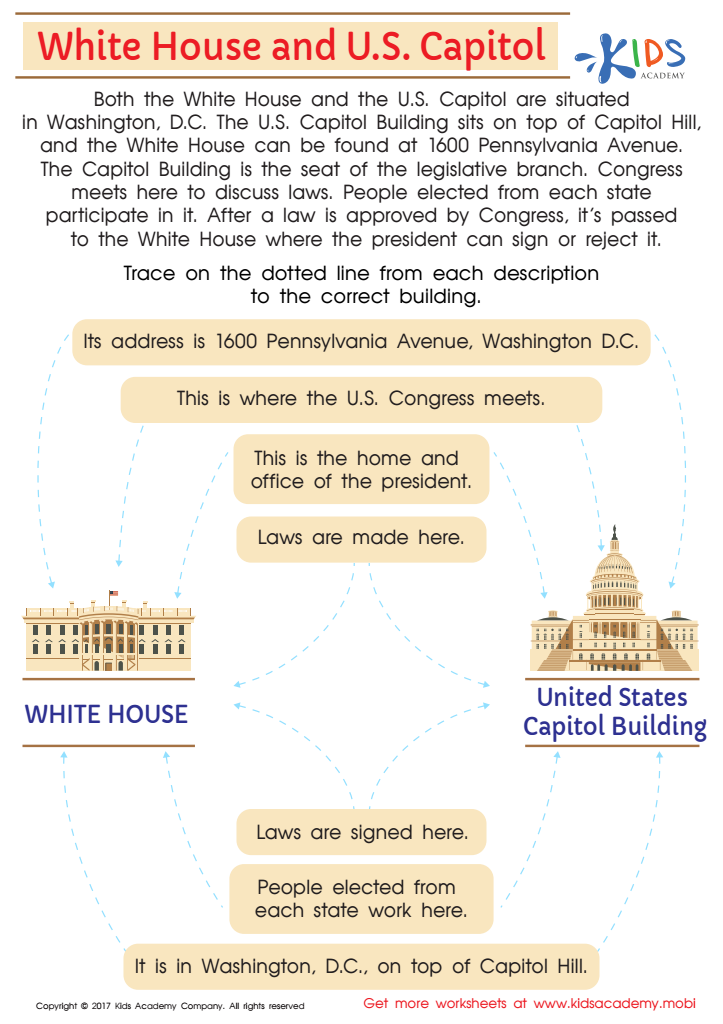
White House and US Capitol Worksheet
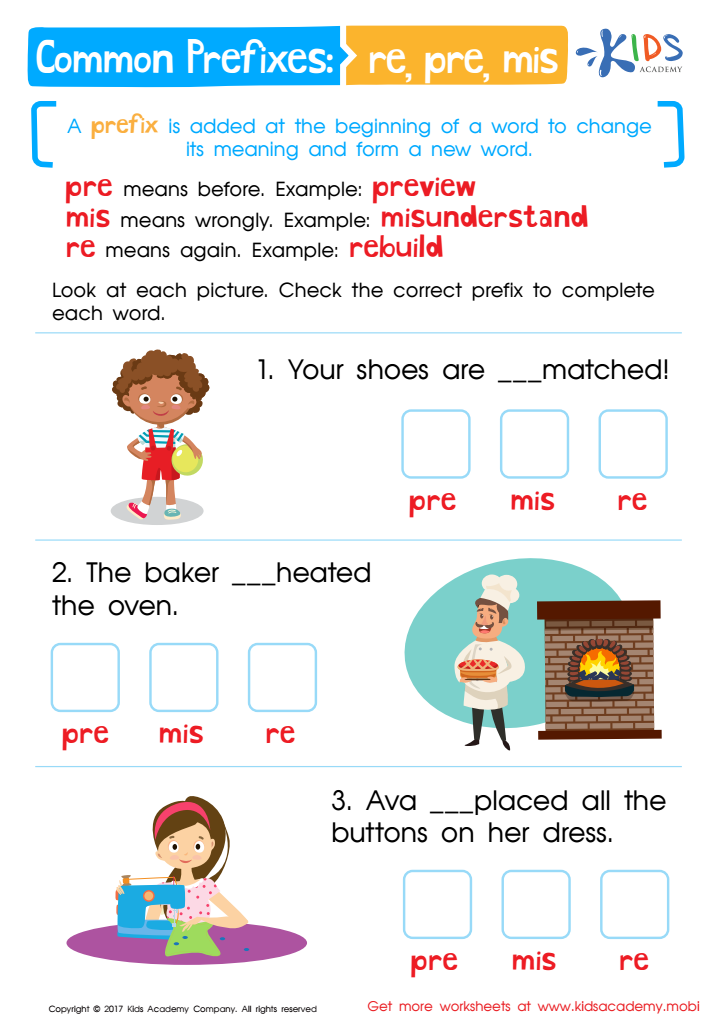
Common Prefixes Worksheet: RE, PRE, MIS
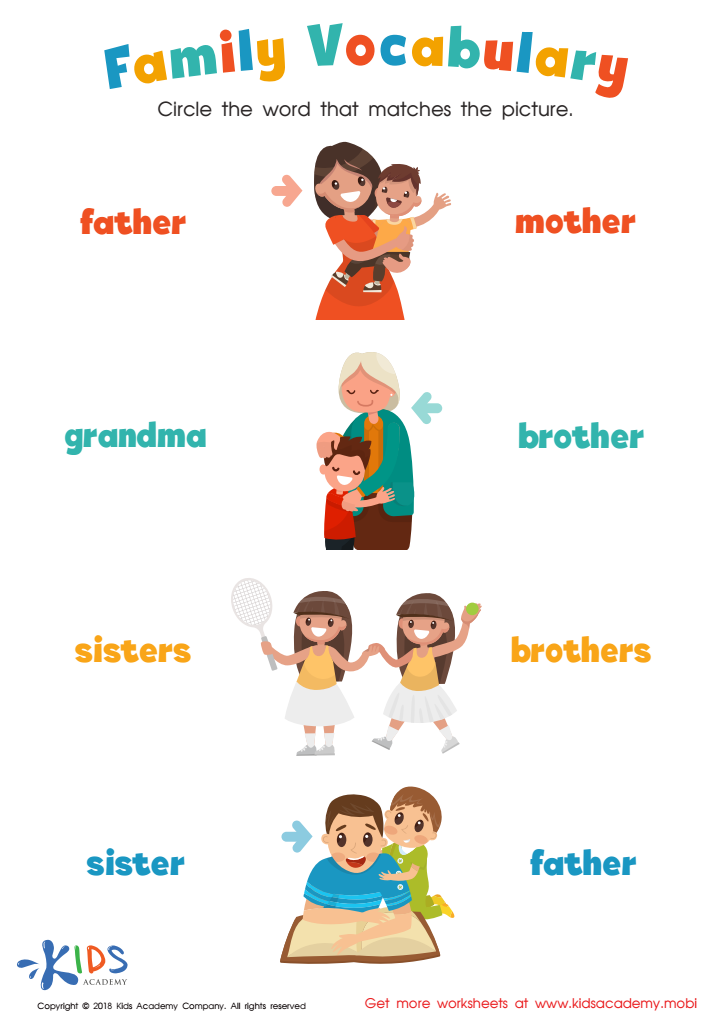
Family Vocabulary Worksheet
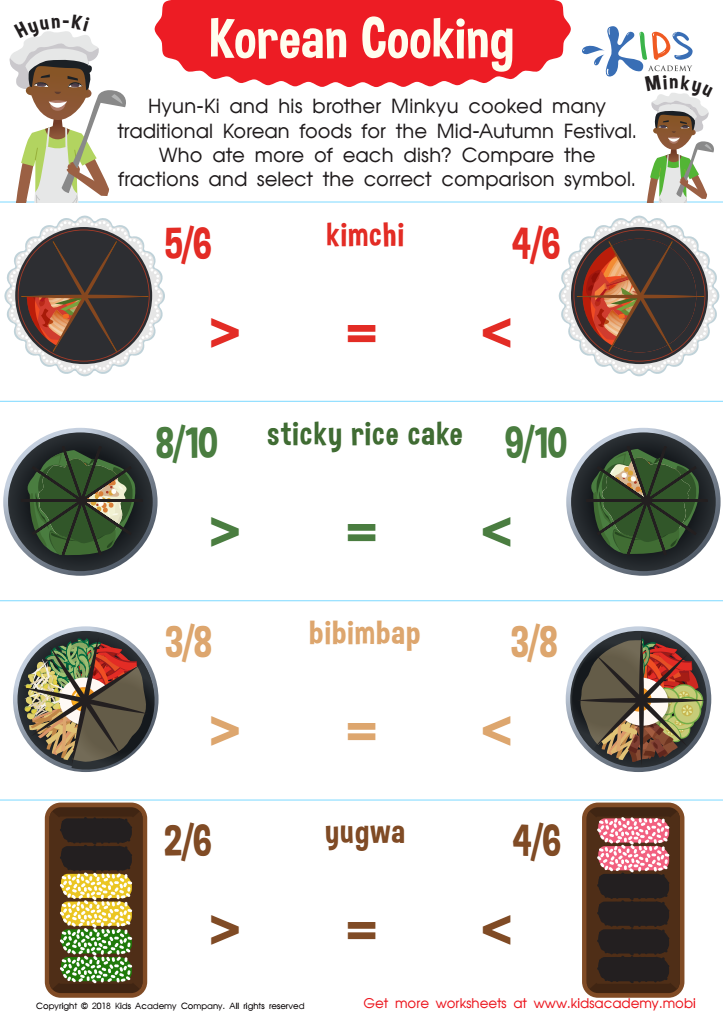
Korean Cooking Worksheet








Reading comprehension is a cornerstone of academic success for children aged 8-9, and it's crucial for both parents and teachers to actively support its development. At this age, kids transition from learning to read to reading to learn. Good comprehension skills enable them to grasp the meaning of the text, follow narratives, and understand complex instructions, which are essential for achieving excellence in various subjects, including math, science, and social studies.
Moreover, strong reading comprehension aids in the development of critical thinking and problem-solving skills. When children understand what they are reading, they can analyze information, draw inferences, and evaluate content, all of which contribute to greater cognitive development.
Social-emotional growth is another key reason to prioritize reading comprehension. Literature exposes kids to different perspectives and cultures, helping them develop empathy and social awareness. Comprehending stories about characters and situations can teach valuable life lessons that go beyond the classroom.
Neglecting reading comprehension can lead to academic struggles, decreased self-confidence, and reduced enthusiasm for learning, creating a lasting impact on a child's educational trajectory. Therefore, parents and teachers should encourage reading practices, discuss stories, and ask questions to cultivate comprehensive reading skills, setting children up for a successful, fulfilling education.








