Reading Improvement Normal Worksheets for Ages 8-9
10 filtered results
-
From - To
Boost your child's reading skills with our Reading Improvement Worksheets designed specifically for ages 8-9. Our comprehensive resources focus on enhancing comprehension, vocabulary, and fluency through engaging activities and exercises. These thoughtfully crafted worksheets provide diverse topics to spark curiosity and challenge young readers. Perfect for classroom use or at-home practice, our materials cater to various learning styles, ensuring that every child can thrive. Watch as they develop confidence in their reading abilities while having fun! Explore our collection today to support your child's educational journey and lay the foundation for lifelong learning. Let’s make reading exciting!
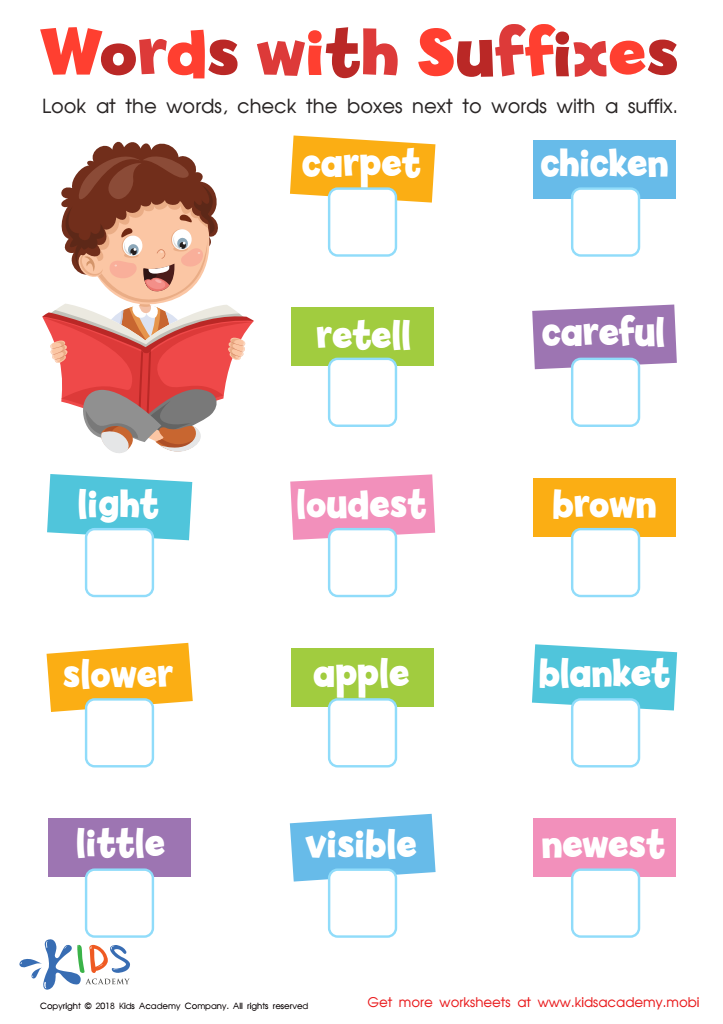
Reading: Words With Suffixes Worksheet
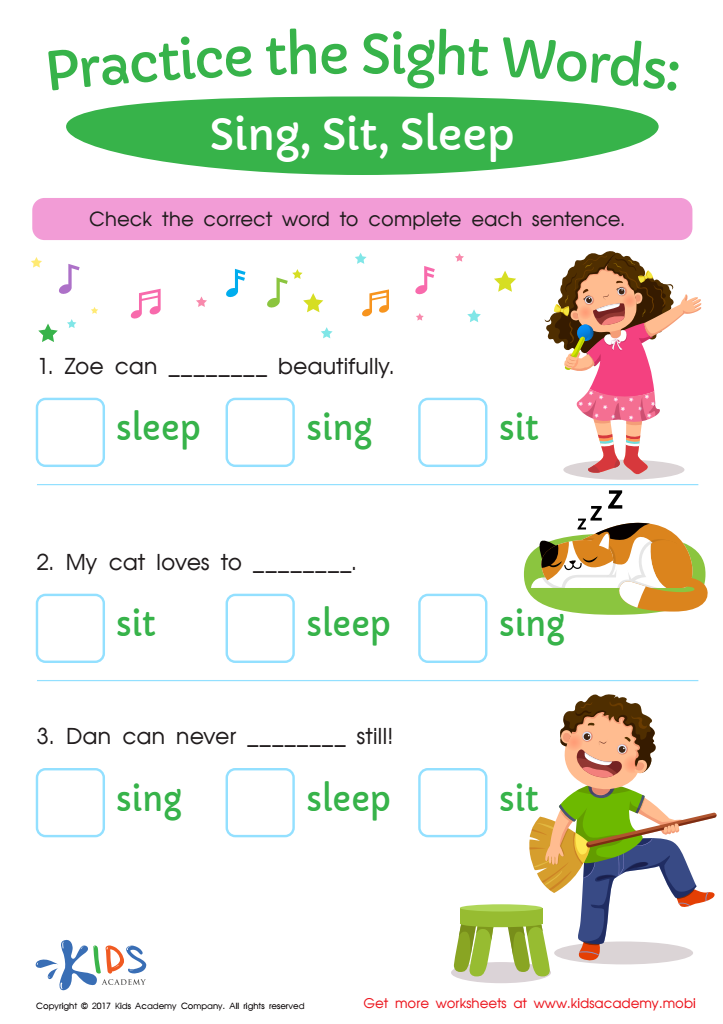
Sing, Sit, Sleep Sight Words Worksheet
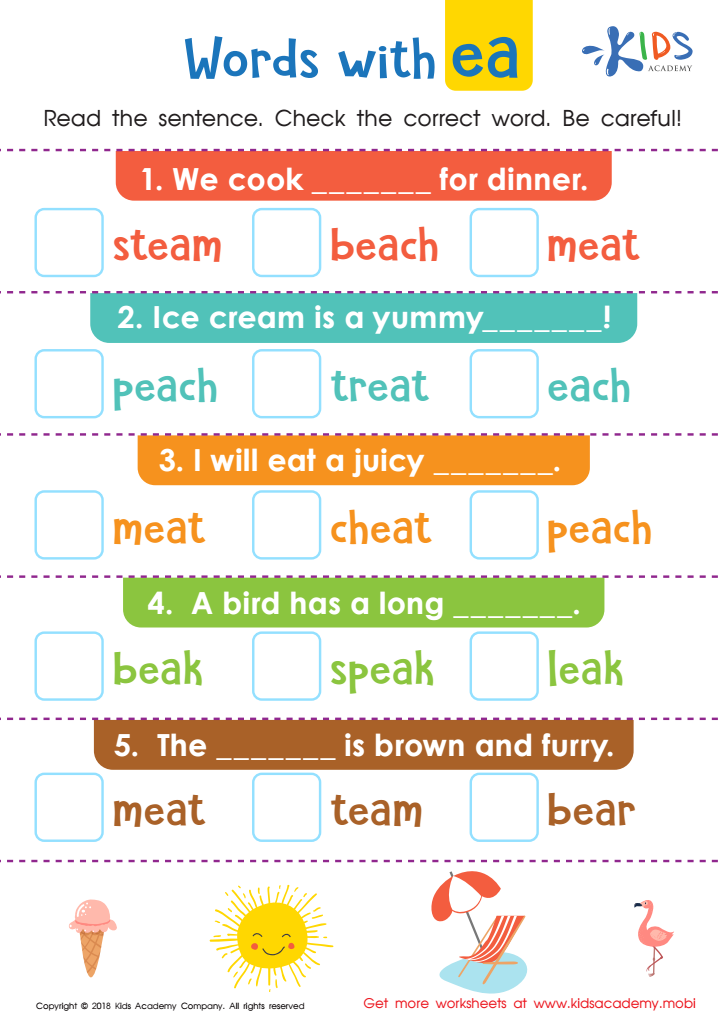
Words with ea Worksheet
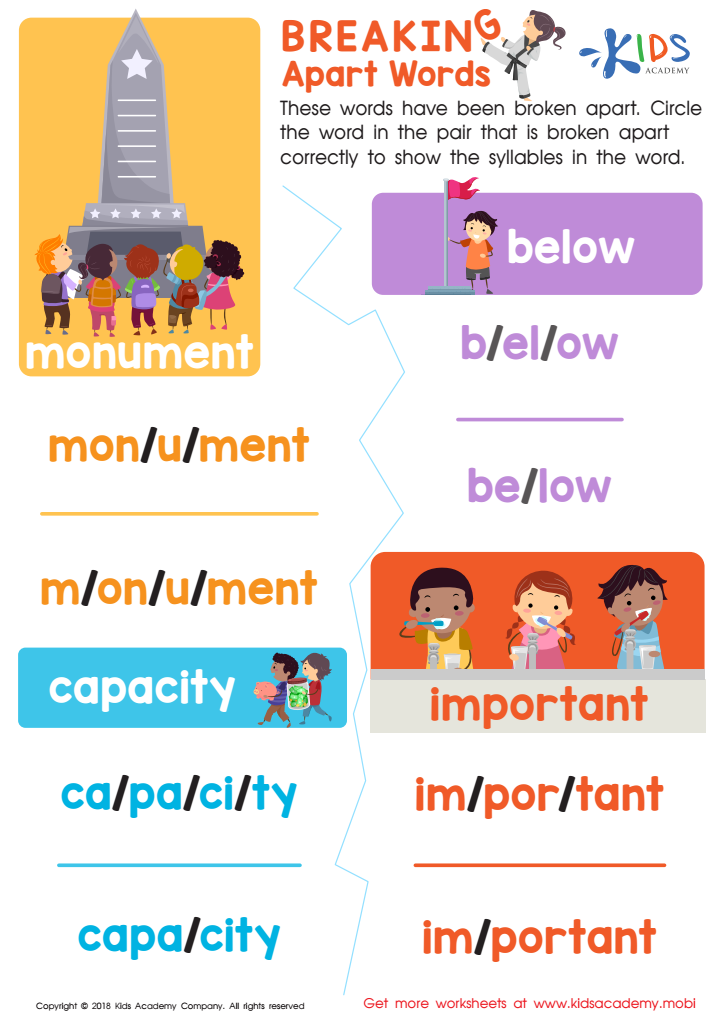
Breaking Apart Words Worksheet
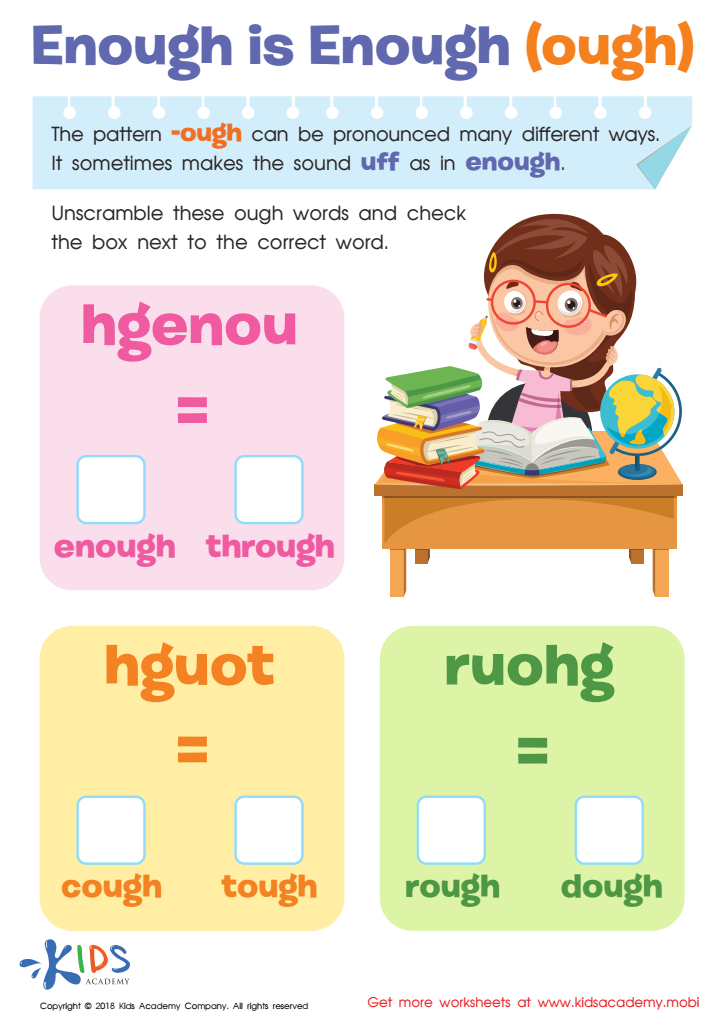
Enough Is Enough (ough) Worksheet
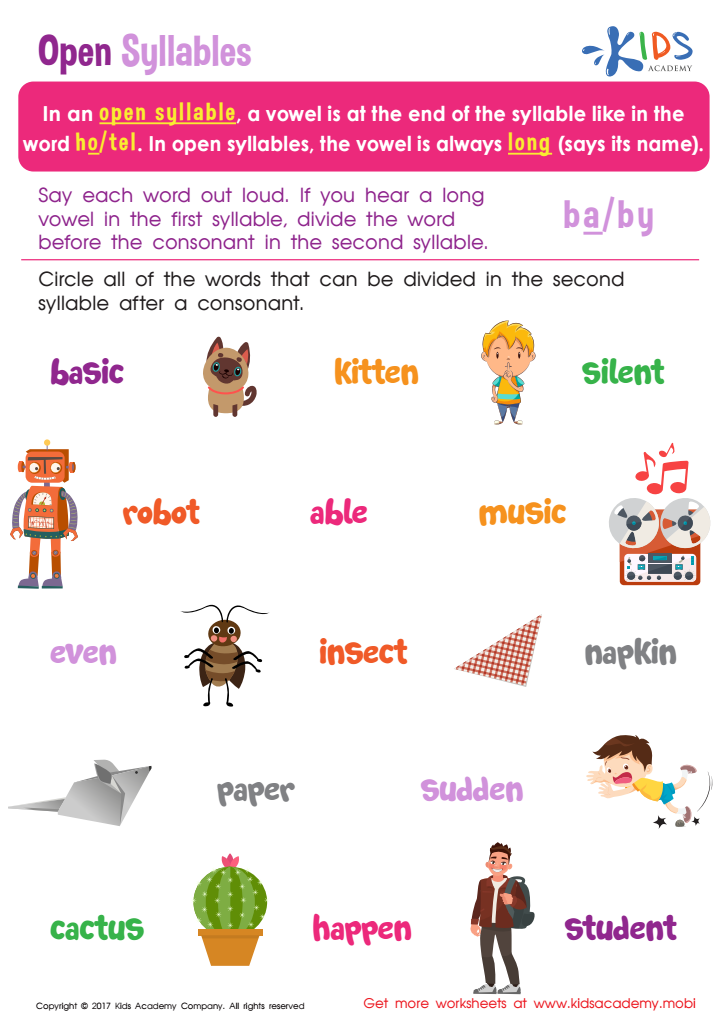
Open Syllable Printable Worksheet
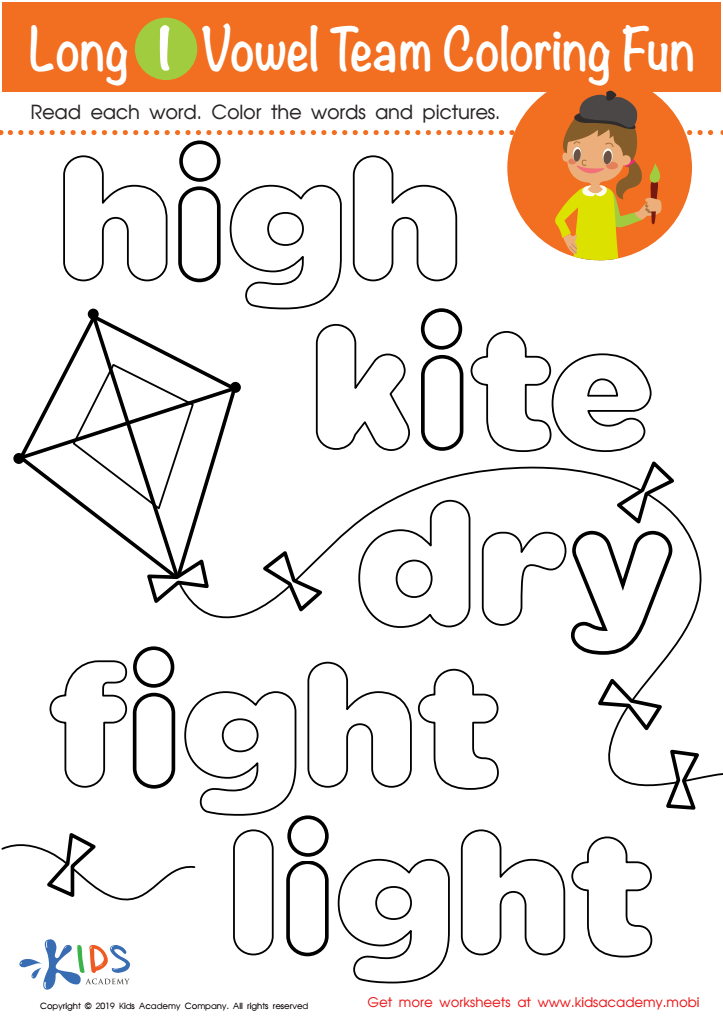
Long I Vowel Team Coloring Worksheet
 Assign to My Students
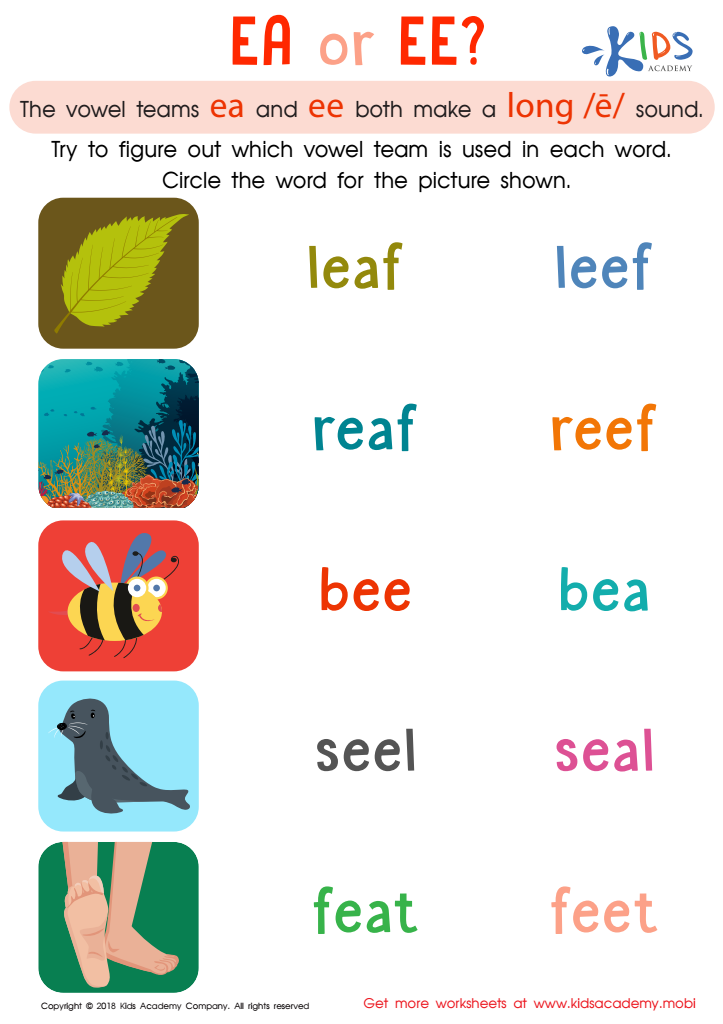
Reading: EA and EE Worksheet
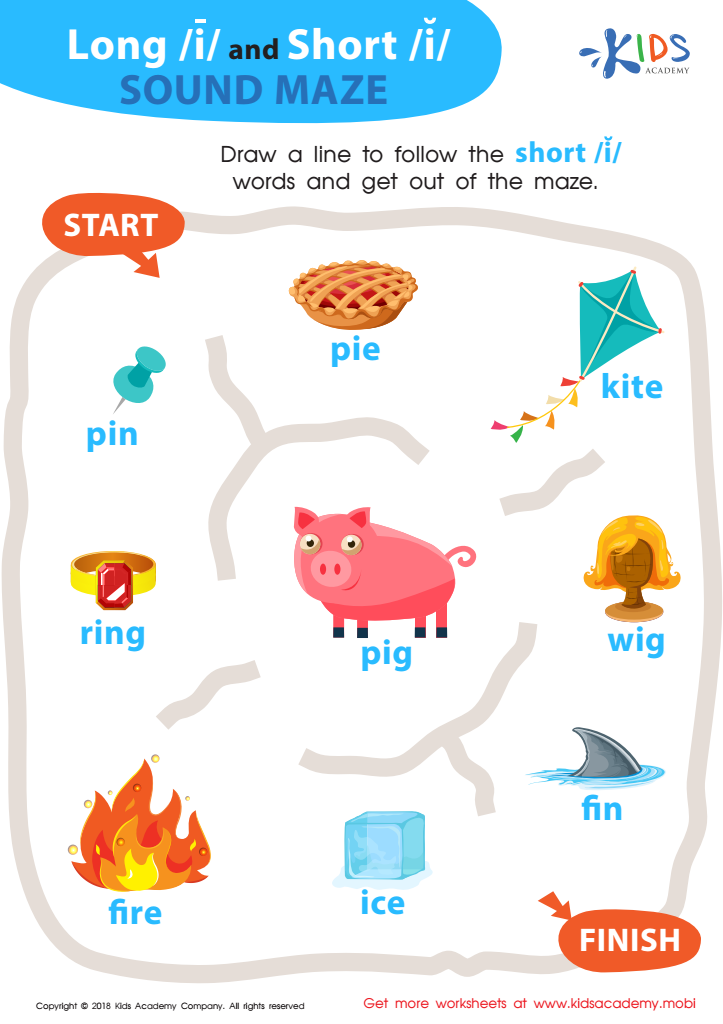
Reading: Long I and Short I Sound Maze Worksheet
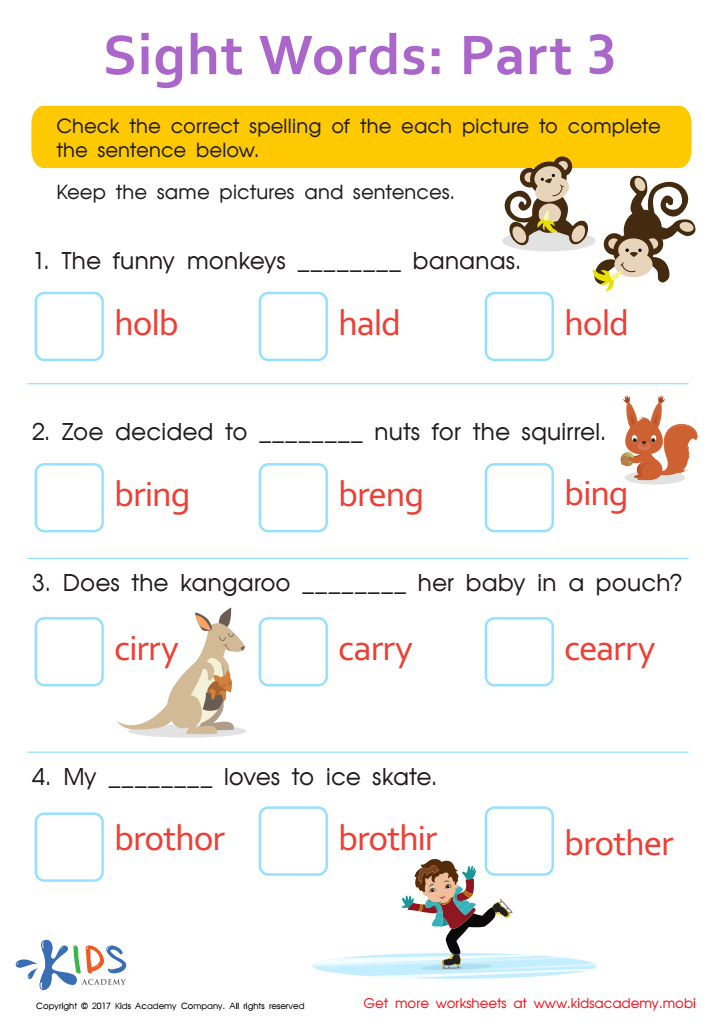
Hold, Bring, Carry, Brother Sight Words Worksheet








Reading improvement for children aged 8-9 is crucial for their academic and social development. At this age, children are transitioning from learning to read to reading to learn, making proficiency in reading essential for understanding new concepts across subjects. Parents and teachers should care about this phase because strong reading skills correlate with academic success, allowing children to grasp complex topics in science, math, and social studies easily.
Furthermore, reading enhances vocabulary and comprehension, vital for effective communication. As children engage with varied texts, they develop critical thinking skills, enabling them to analyze, evaluate, and synthesize information. This cognitive development fosters greater confidence and creativity, empowering children to articulate their thoughts.
Additionally, nurturing a love for reading can positively impact a child's emotional and social well-being. Storytelling can spark imagination, foster empathy, and build connections to diverse perspectives, enriching their personal experiences.
Involving parents in reading improvement initiatives fosters a supportive home environment that encourages daily reading and discussions about literature. Teachers, on the other hand, can employ targeted interventions and interactive strategies to address individual needs in the classroom. Together, parents and teachers play a pivotal role in shaping a child's literacy journey, ultimately laying the groundwork for lifelong learning.








