Reading practice Normal Worksheets for Ages 8-9
6 filtered results
-
From - To
Boost your child's reading skills with our engaging Reading Practice Normal Worksheets tailored for ages 8-9. These worksheets feature fun, age-appropriate activities designed to enhance comprehension, vocabulary, and fluency. Each resource is crafted to promote critical thinking and foster a love for reading while keeping kids entertained. From story comprehension questions to vocabulary exercises, our printables cater to diverse learning styles, ensuring every young reader can thrive. Ideal for both classroom and home use, these worksheets are the perfect tool for parents and educators aiming to support literacy development. Explore our collection today and watch your child's reading skills flourish!
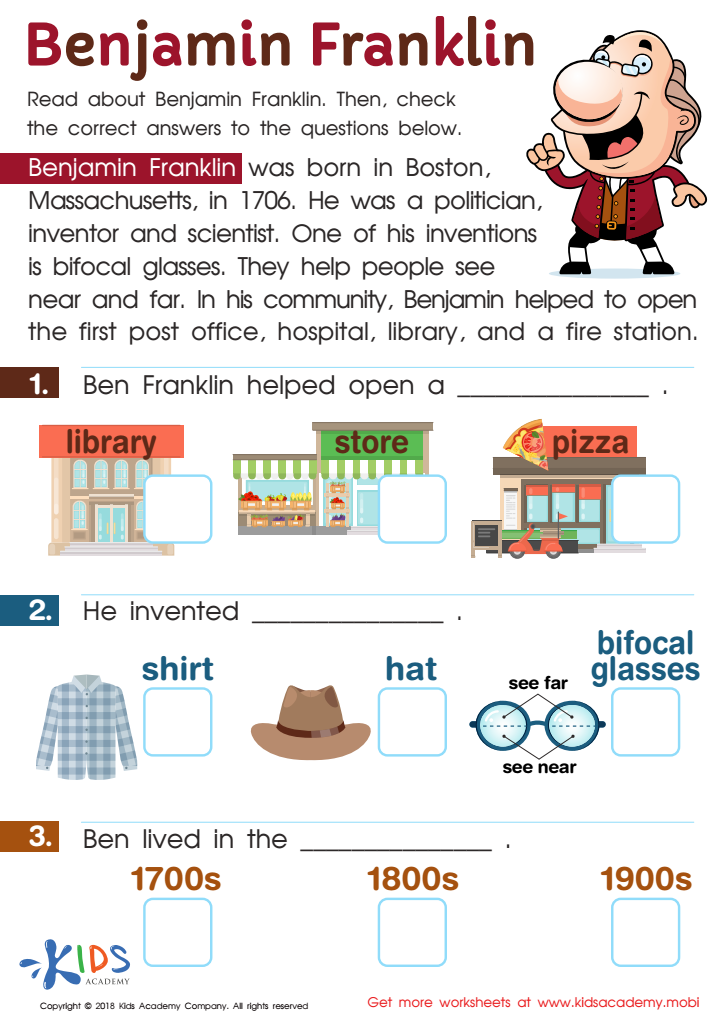
Benjamin Franklin Worksheet
 Assign to My Students
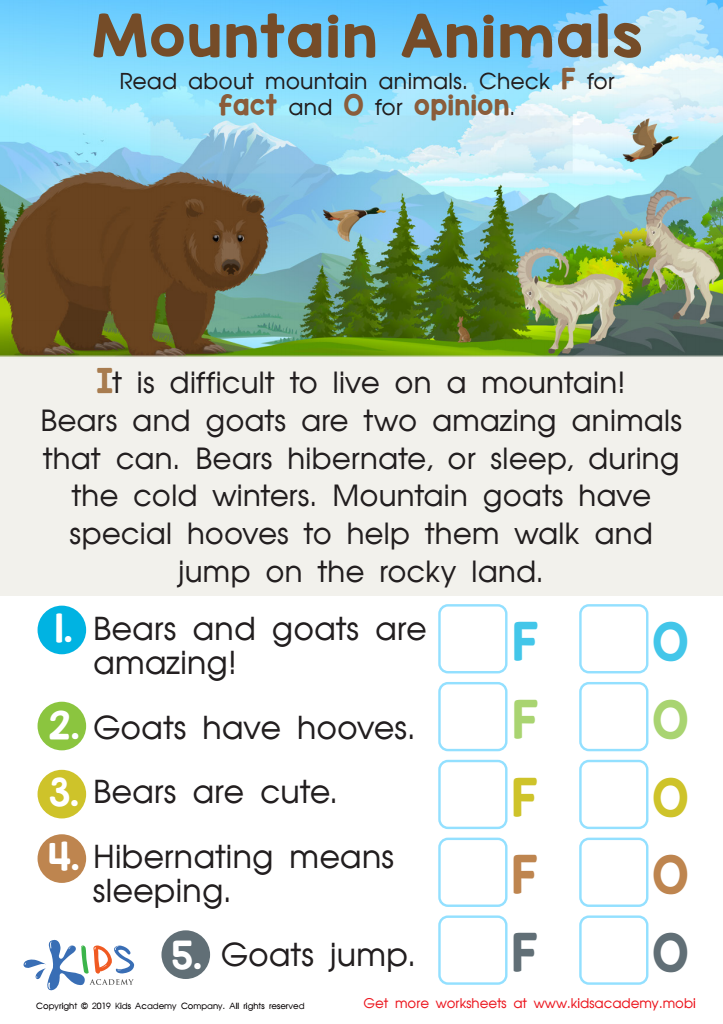
Mountain Animals Worksheet
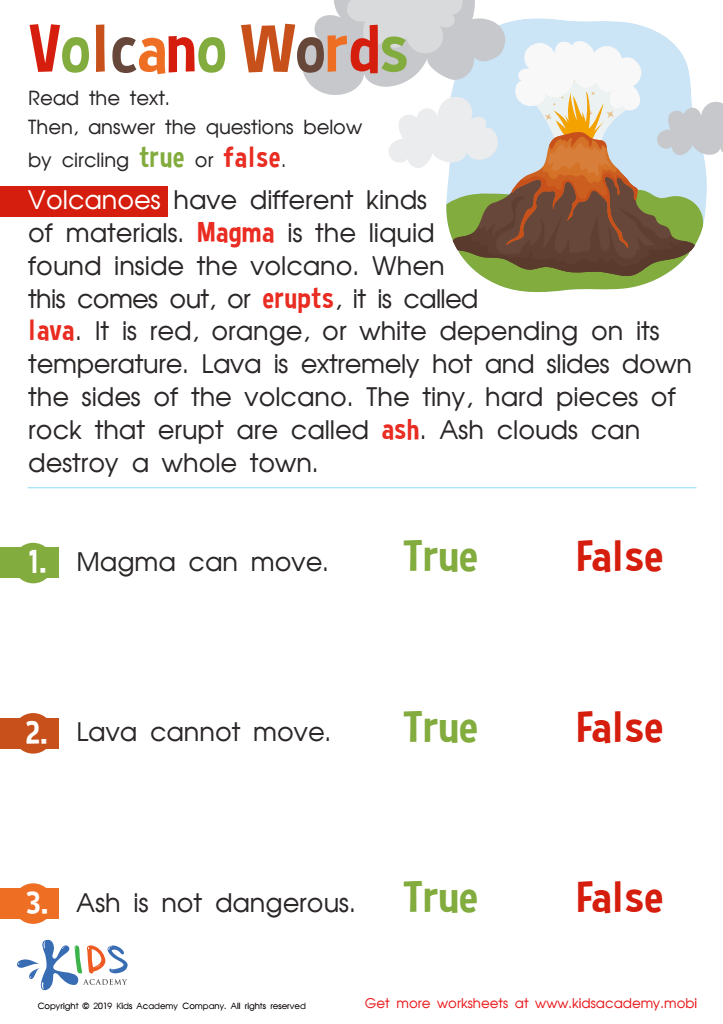
Volcano Words Worksheet
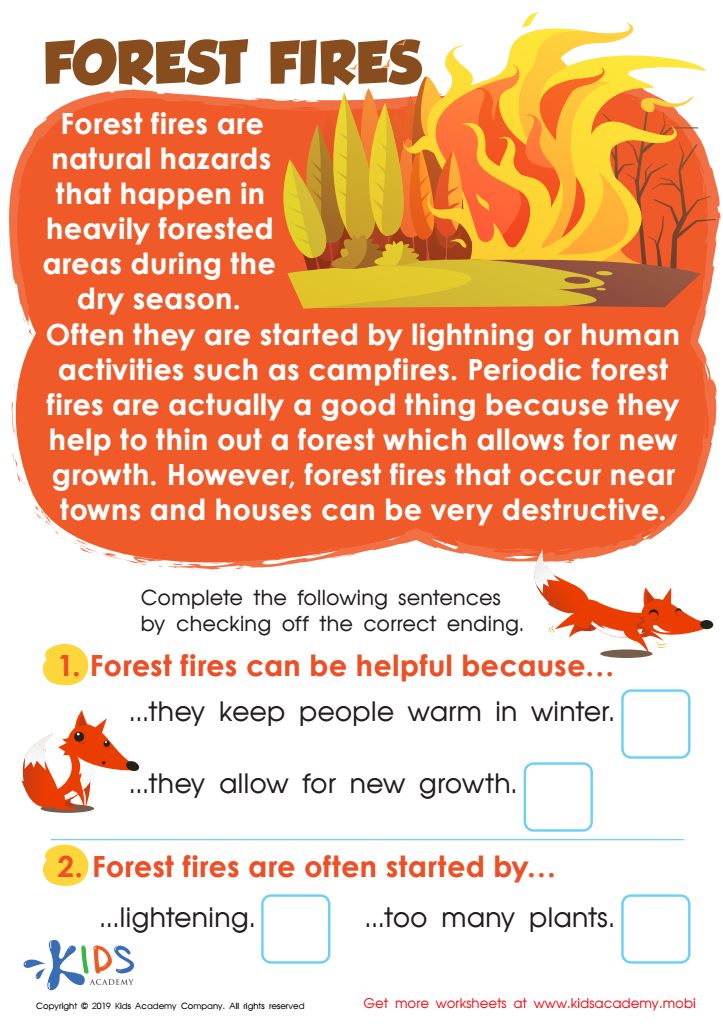
Forest Fires Worksheet
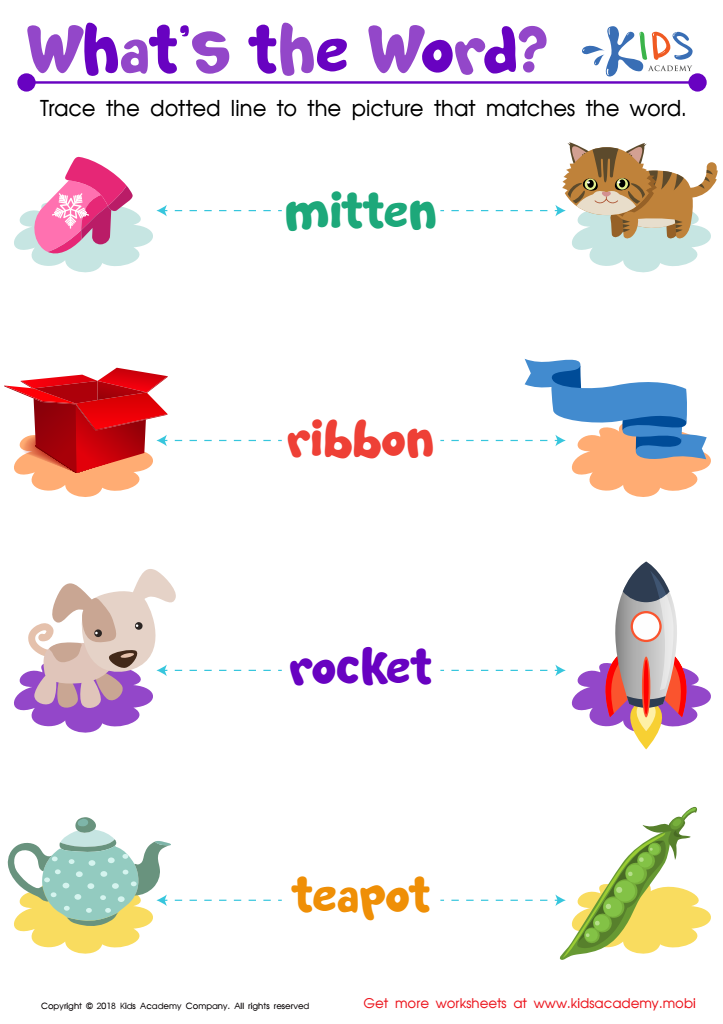
Reading: What's Word Worksheet
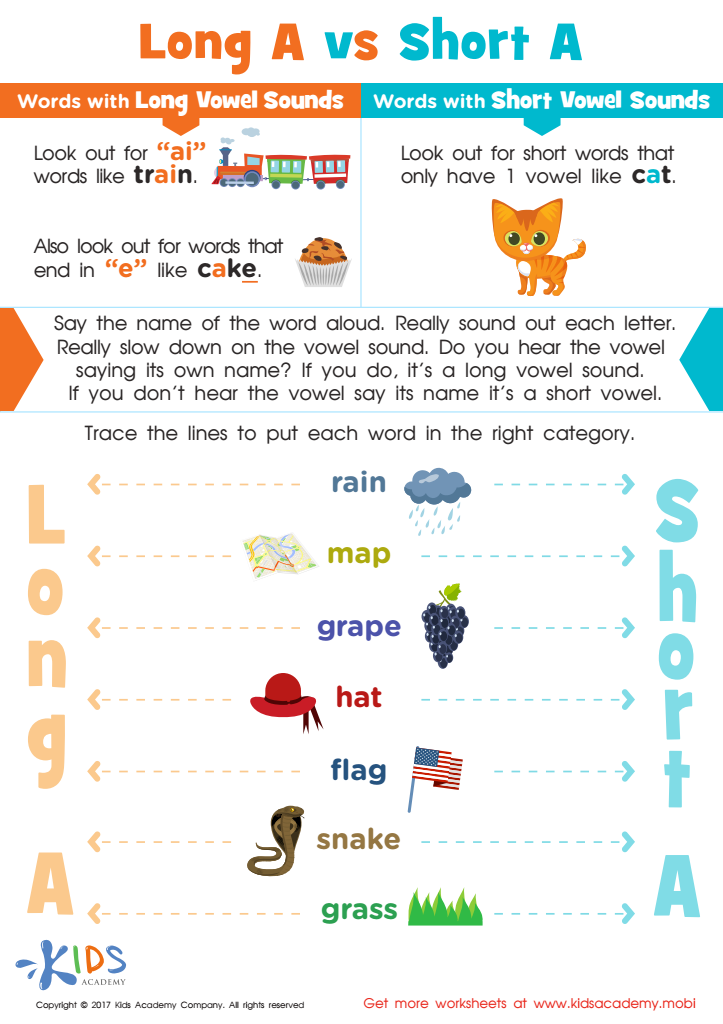
Long and Short Vowel A Spelling Worksheet



.jpg)




Reading practice is crucial for children aged 8-9, marking a pivotal stage in their literacy development. At this age, children begin to transition from learning to read to reading to learn. This shift makes reading proficiency essential for understanding other subjects, such as math and science, where comprehension of textbooks and problem-solving instructions is required.
Consistent reading practice enhances vocabulary, improves grammar, and fosters critical thinking skills. Children who read regularly also develop a greater appreciation for literature and storytelling, encouraging creativity and imagination. Additionally, strong reading skills contribute to increased self-confidence as children become more adept at expressing their thoughts and ideas.
For parents and teachers, supporting reading practice is an investment in a child's academic achievement and future opportunities. Engaging children with diverse reading materials helps to cultivate their interests and keeps them motivated. It’s also an excellent way to bond; reading together creates shared experiences and opens discussions about various topics.
Overall, prioritizing reading practice in early grade education forms the foundation for lifelong learning and helps children navigate the information-rich world they will face in the future. This is why both parents and educators should actively encourage and support regular reading habits.








