Sequencing events Normal Worksheets for Ages 8-9
4 filtered results
-
From - To
Enhance your child's understanding of sequencing with our engaging "Sequencing Events Normal Worksheets" designed specifically for ages 8-9. These printable worksheets provide fun and interactive activities that help young learners identify the order of events in stories, boost their comprehension skills, and improve critical thinking. By practicing sequencing, children develop essential narrative skills that contribute to their overall literacy growth. Each worksheet encourages creativity and promotes independence while offering age-appropriate challenges. Utilize these resources to support your child's learning at home or in the classroom, ensuring they gain confidence in organizing information and telling compelling stories! Download now and watch them thrive!
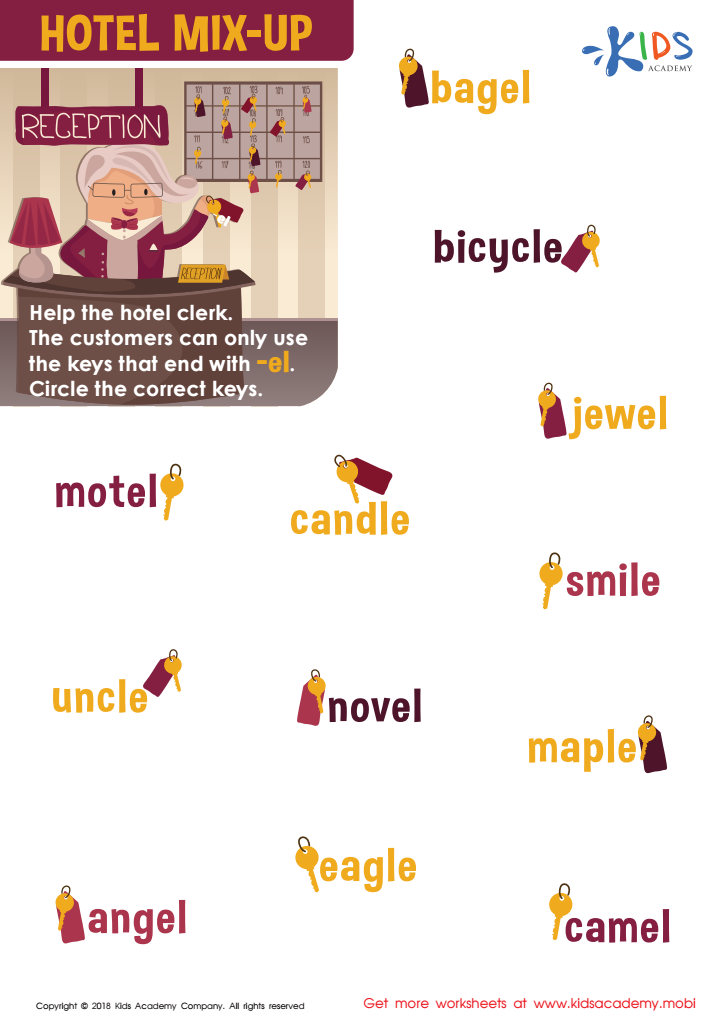
Hotel Mix-up Worksheet
 Assign to My Students
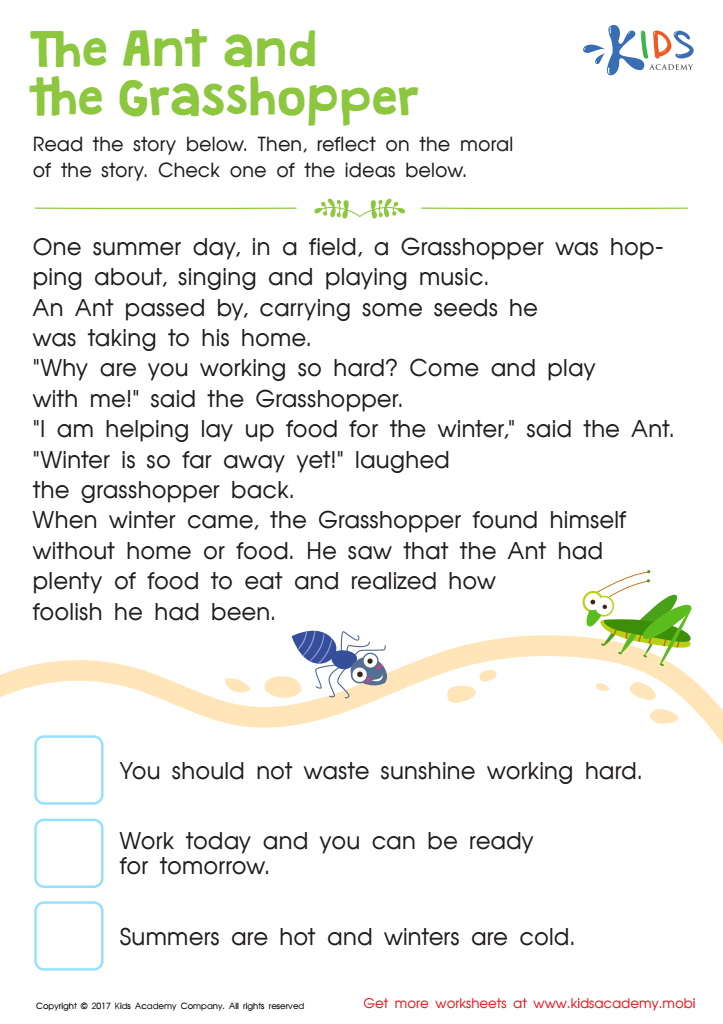
The Ant and The Grasshopper Printable
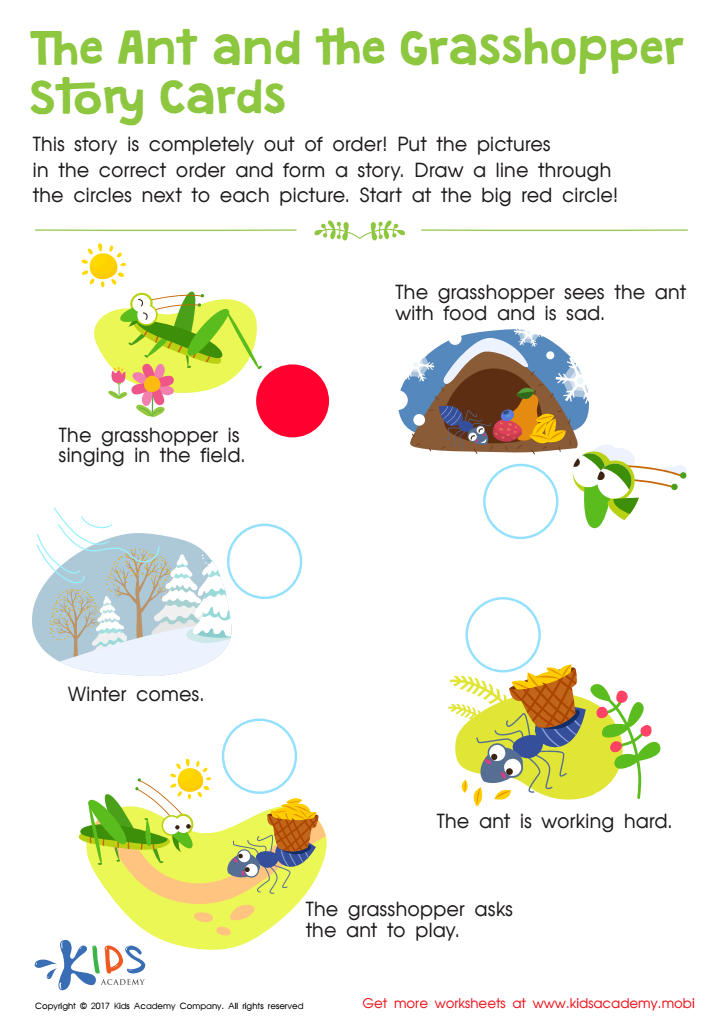
The Ant and The Grasshopper Worksheet
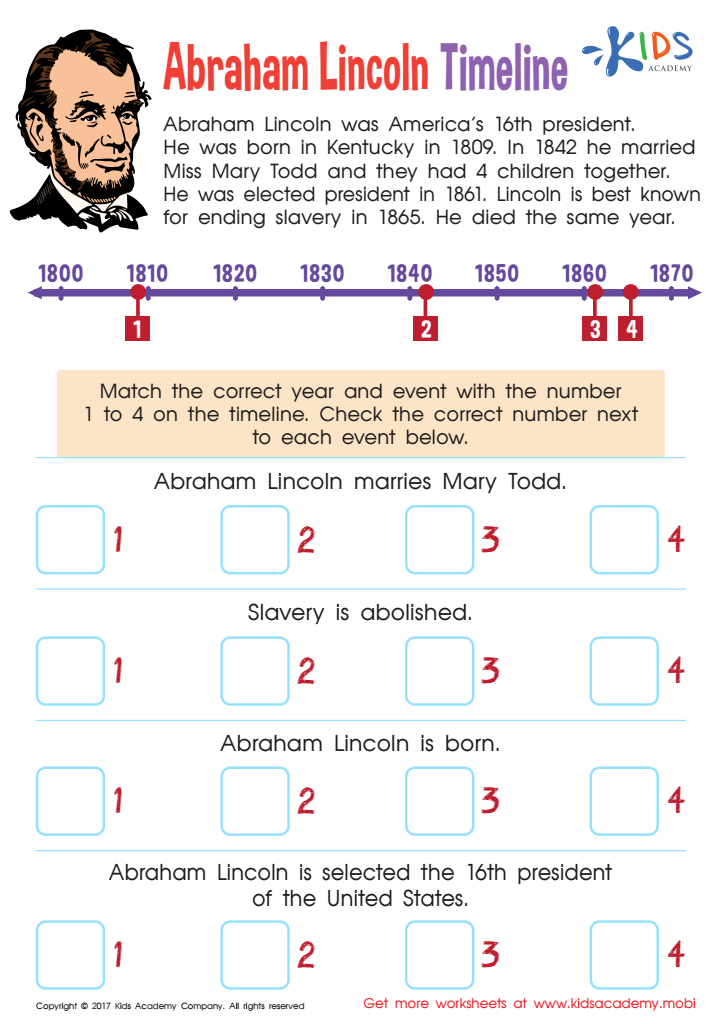
Abraham Lincoln Timeline Worksheet





Understanding sequencing events is critical for children, particularly those aged 8-9, as it lays the foundation for essential reading comprehension and critical thinking skills. At this age, children are increasingly expected to navigate more complex texts and narratives. Sequencing helps them connect ideas, understand cause and effect, and retell stories in a coherent manner. This skill not only fosters improved literacy but also strengthens their ability to follow instructions, solve problems, and develop logical reasoning.
Parents and teachers should prioritize event sequencing to support children's overall cognitive development. When children can successfully translate the order of events into retellings or written responses, they gain a clearer understanding of story structures and can identify key elements such as main ideas and supporting details. This directly translates to better academic performance across subjects.
Moreover, sequencing events provides children with 21st-century skills such as organization and structured communication. As they engage in group projects or collaborative discussions, these skills encourage teamwork and enhance their ability to convey ideas effectively. Ultimately, by emphasizing sequencing at this developmental stage, parents and teachers equip children with vital tools they will use in academics and life beyond the classroom.








