Subtraction practice Normal Addition and Subtraction Word Problems Worksheets for Ages 8-9
3 filtered results
-
From - To
Boost your child’s subtraction skills with our engaging Subtraction Practice worksheets tailored for ages 8-9. Each worksheet provides a variety of normal addition and subtraction word problems designed to challenge young learners and strengthen their mathematical abilities. Our fun and educational activities enhance problem-solving skills and build a strong foundation in math. Perfect for classroom or at-home practice, these worksheets make learning subtraction enjoyable. Help your child master subtraction with colorful, printable exercises offered at Kids Academy and watch their confidence and competence soar! Visit our webpage to explore more educational resources aimed at developing essential math skills.
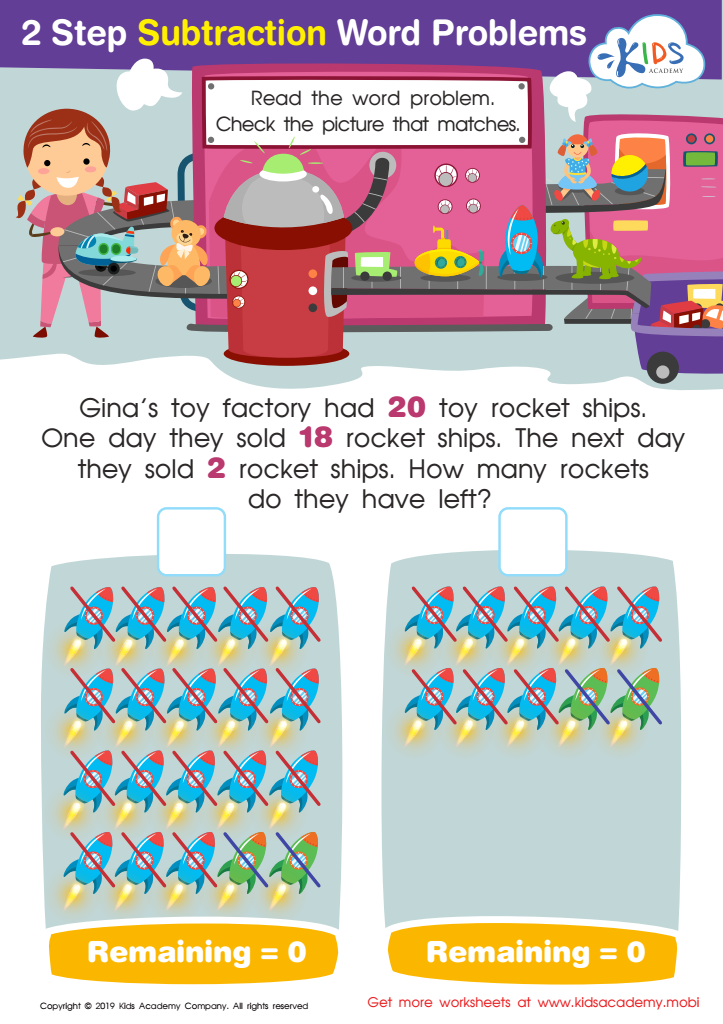
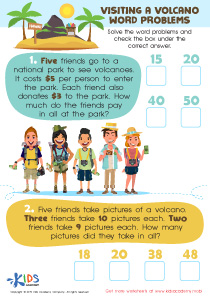
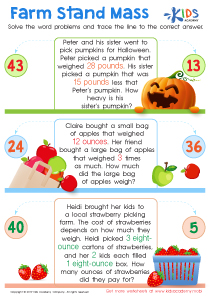
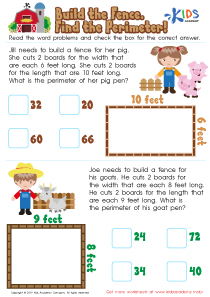
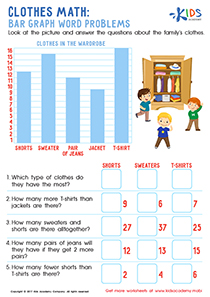
Step Subtraction Word Problems Worksheet
 Assign to My Students
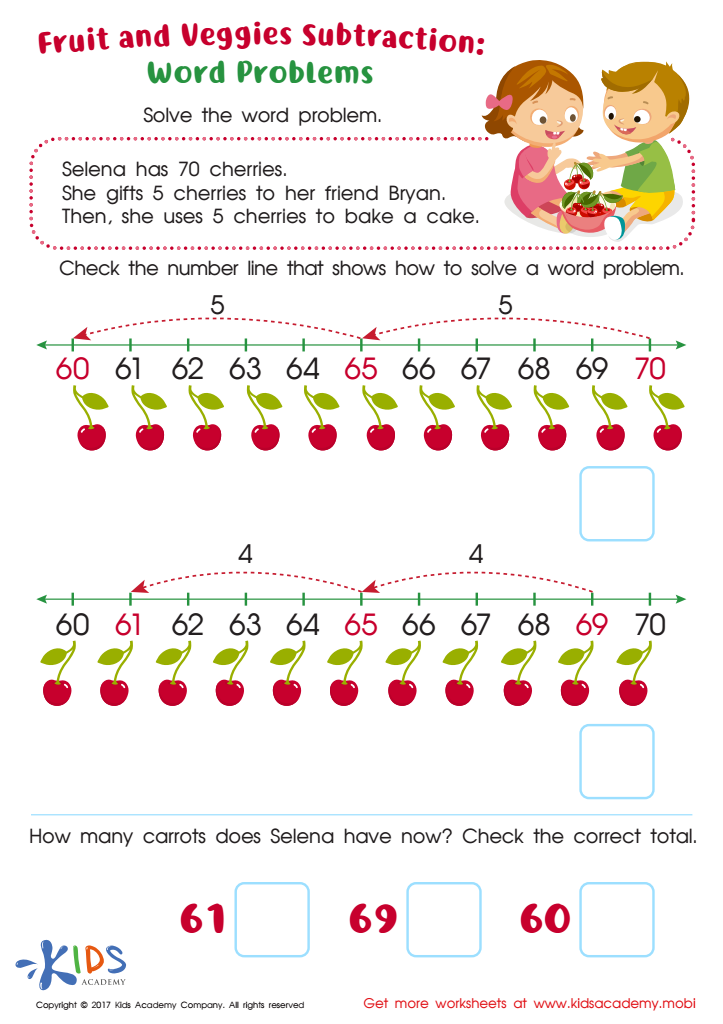
Subtraction Word Problems Free Printable
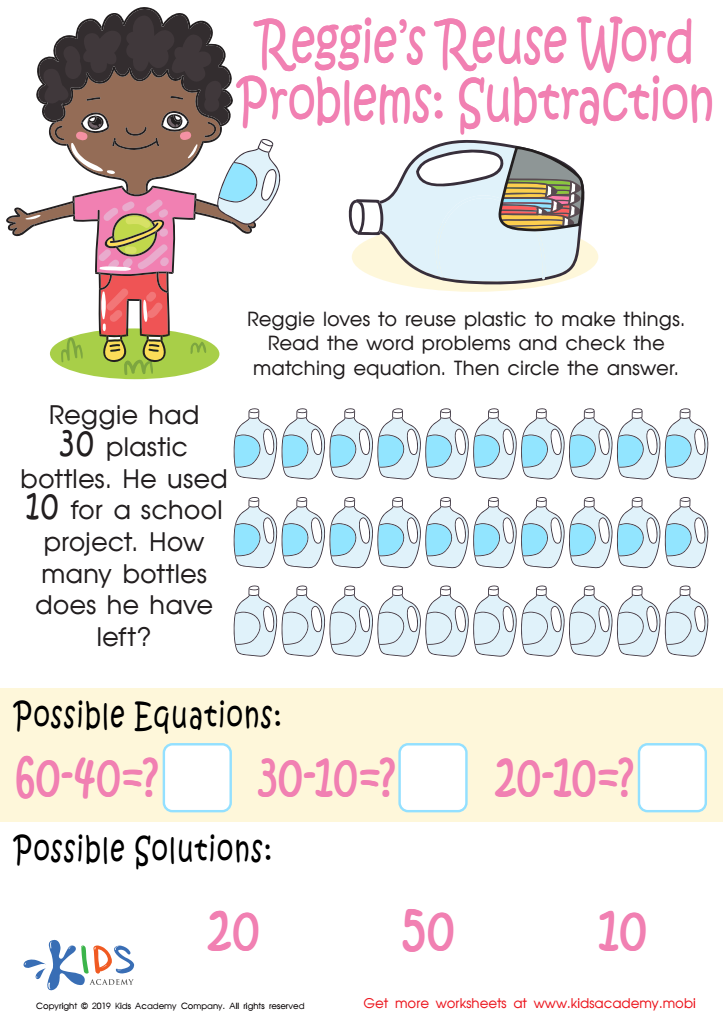
Reggie's Reuse Word Problems: Subtraction Worksheet








At ages 8-9, children are at a critical stage in their cognitive and mathematical development, and focusing on subtraction practice, as well as addition and subtraction word problems, offers multiple benefits. Parents and teachers should take a keen interest in these areas to build a strong arithmetic foundation.
First, subtraction practice is vital as it reinforces number sense and teaches children how to "take away" or "find the difference", which are crucial concepts in everyday life and more advanced math. Mastering subtraction boosts a child's confidence and prepares them for complex operations like multiplication and division.
Moreover, engaging with word problems helps children learn to apply math in real-world contexts. This not only solidifies their understanding of the mathematical concepts but also improves problem-solving skills and logical reasoning. Word problems encourage comprehension, critical thinking, and the ability to parse irrelevant information—skills essential both in academics and in life.
Finally, integrating addition and subtraction problems enhances versatility and adaptability. As children solve various problem types, they become more fluent and flexible in their thinking, aiding their overall academic growth. The focus on these exercises supports long-term educational success and cultivates a positive attitude towards mathematics.
In summary, prioritizing these math practices fosters foundational skills, promotes critical thinking, and builds confidence, making them indispensable in the development of children aged 8-9.