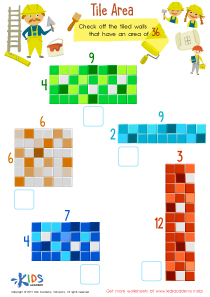
Cognitive Development Normal Numbers Worksheets for Ages 8-9
5 filtered results
-
From - To
Enhance your child's cognitive development with our engaging Normal Numbers Worksheets designed specifically for ages 8-9. These worksheets offer a fun and interactive way to master number recognition, sequence, and basic mathematical operations while building critical thinking skills. Our resources are tailored to challenge young minds, helping them to problem-solve and reason effectively. Whether it’s counting, comparing, or recognizing patterns, these worksheets support essential number concepts that form the foundation for future math success. Join our community and empower your child with the skills they need to excel in mathematics while enjoying the learning process! Discover the joy of learning today!
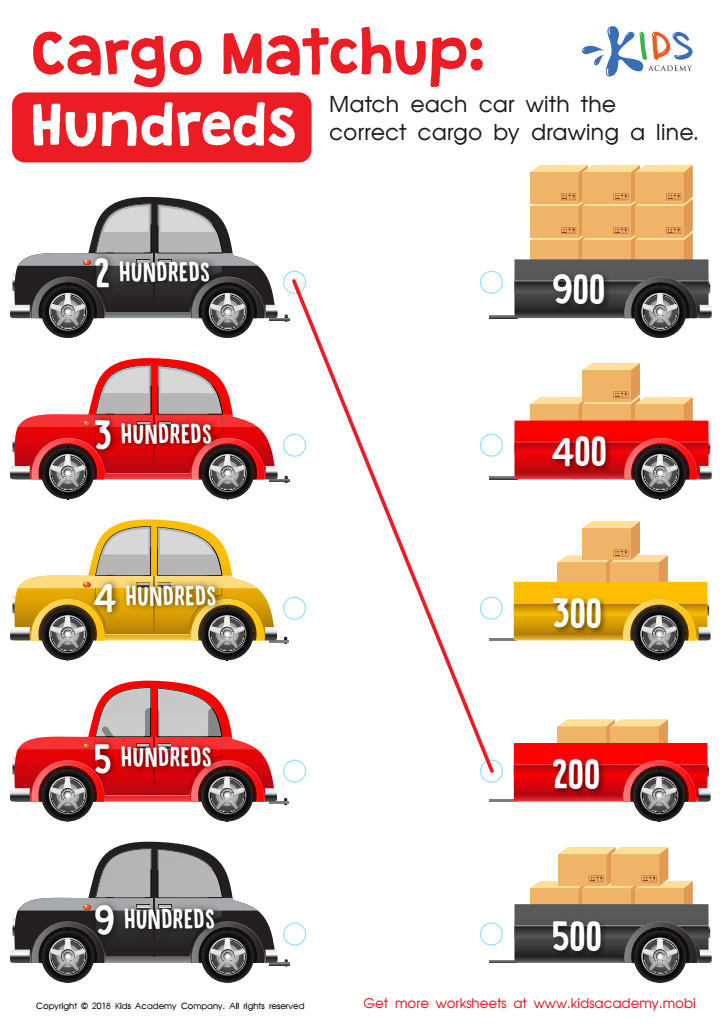
Cargo Matchup: Hundreds Worksheet
 Assign to My Students

Trace And Write Number 7 with Fun Worksheet
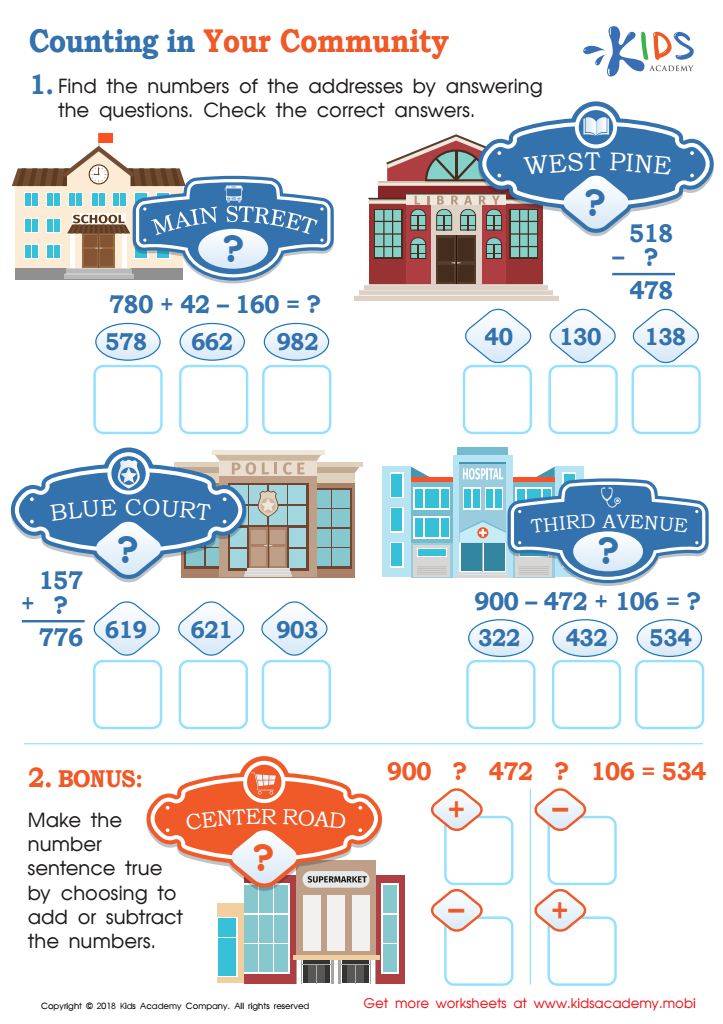
Counting in Your Community Worksheet
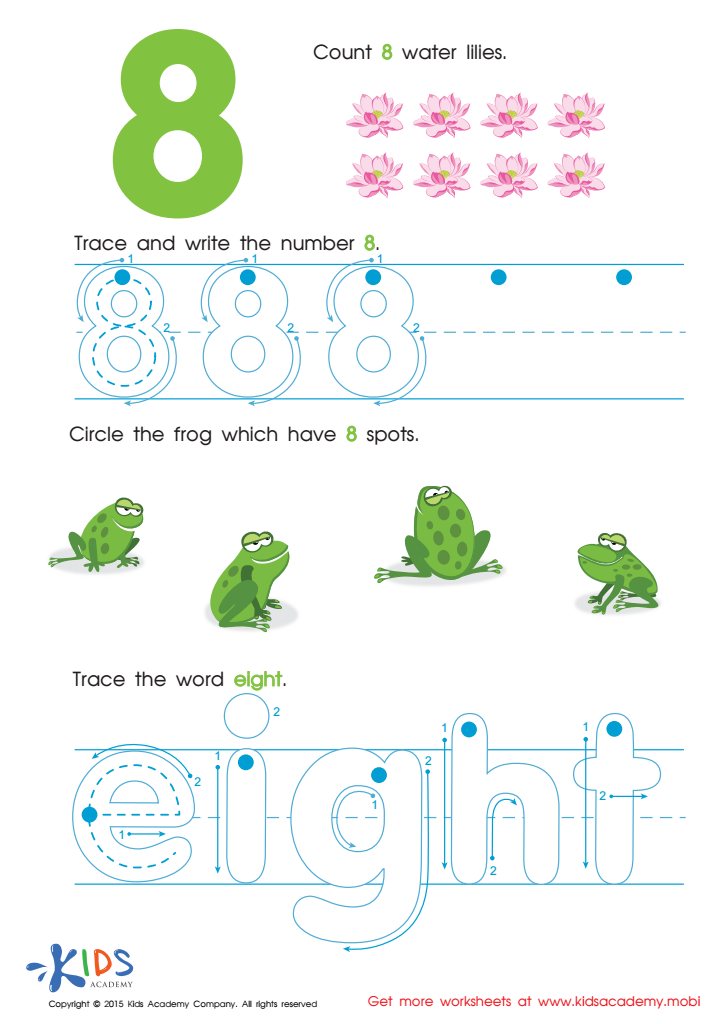
Learn Number 8 Easily Worksheet
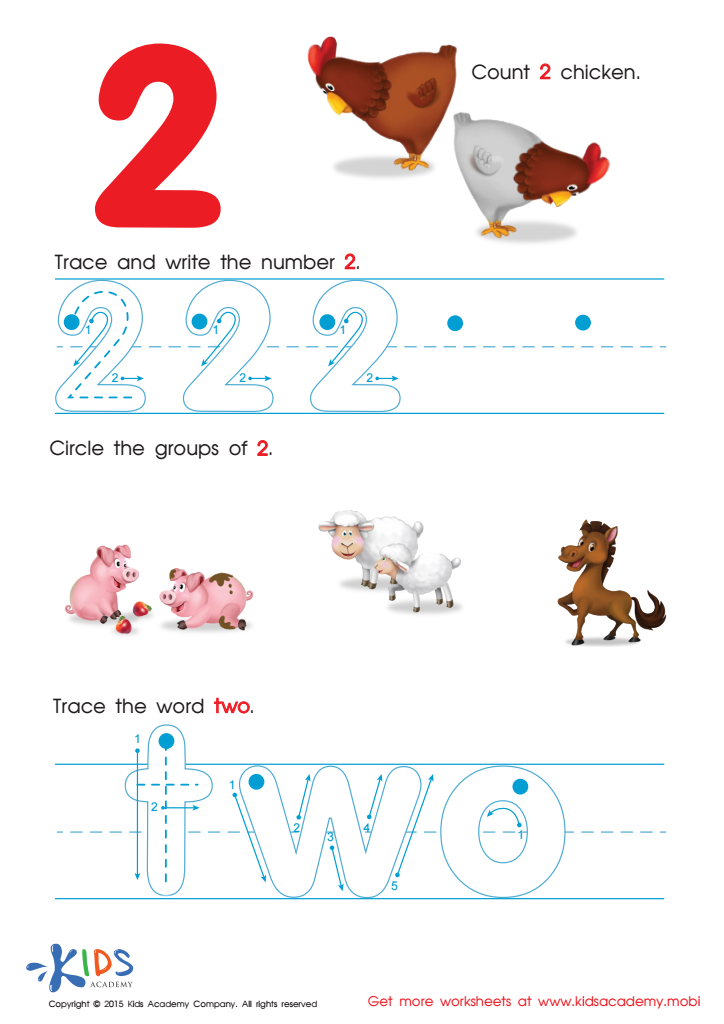
Learn to Write the Number 2 Worksheet








Cognitive development in children aged 8-9 is crucial as it marks a significant period of intellectual growth, characterized by strategic thinking, problem-solving, and advanced reasoning skills. During this stage, children begin to understand concepts like logic, planning, and time management. Understanding normal cognitive development metrics helps parents and teachers identify whether a child is on track or may need additional support.
By being aware of expected cognitive abilities, parents and teachers can foster an environment conducive to exploration and learning. For instance, they can introduce age-appropriate challenges that encourage critical thinking and creativity. Early recognition of cognitive delays or discrepancies prompts timely intervention, which can substantially benefit long-term educational outcomes.
Moreover, gauging cognitive development can help in tailoring instructional strategies, ensuring the educational content meets the children's varying intellectual capacities. Supporting cognitive milestones nurtures self-confidence and independence, making children more engaged learners.
Ultimately, a solid foundation in cognitive skills at this age prepares children for more complex subjects in later grades, impacting their academic performance and overall development. Thus, parents and teachers play an essential role in fostering and monitoring these developments to ensure children reach their full potential.