Color Identification Normal Math Worksheets for Ages 8-9
3 filtered results
-
From - To
Introduce your child to our "Color Identification Normal Math Worksheets for Ages 8-9" designed to enhance both math and color recognition skills in an engaging way. These worksheets seamlessly blend fun and learning, making math practice enjoyable and visually stimulating. Perfect for young learners, these activities help strengthen their understanding of concepts like addition, subtraction, multiplication, and division, all while identifying various colors. Ideal for kids ages 8-9, our worksheets support cognitive development and foster problem-solving abilities. Give your child the tools they need to succeed in math with this unique, colorful approach to learning.
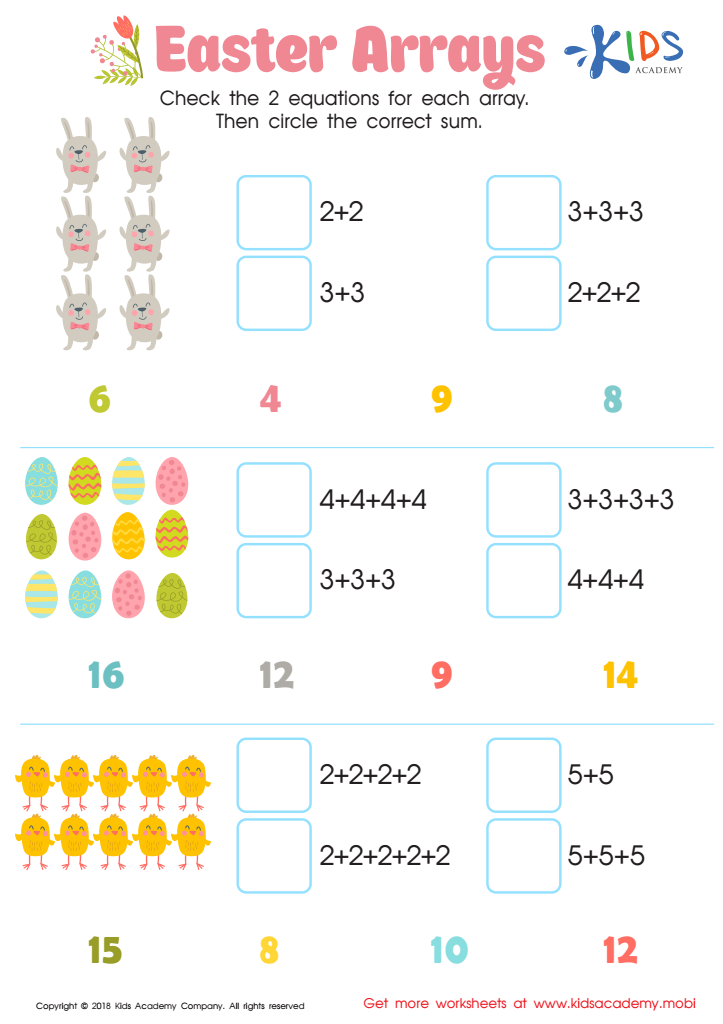
Easter Arrays Worksheet
 Assign to My Students
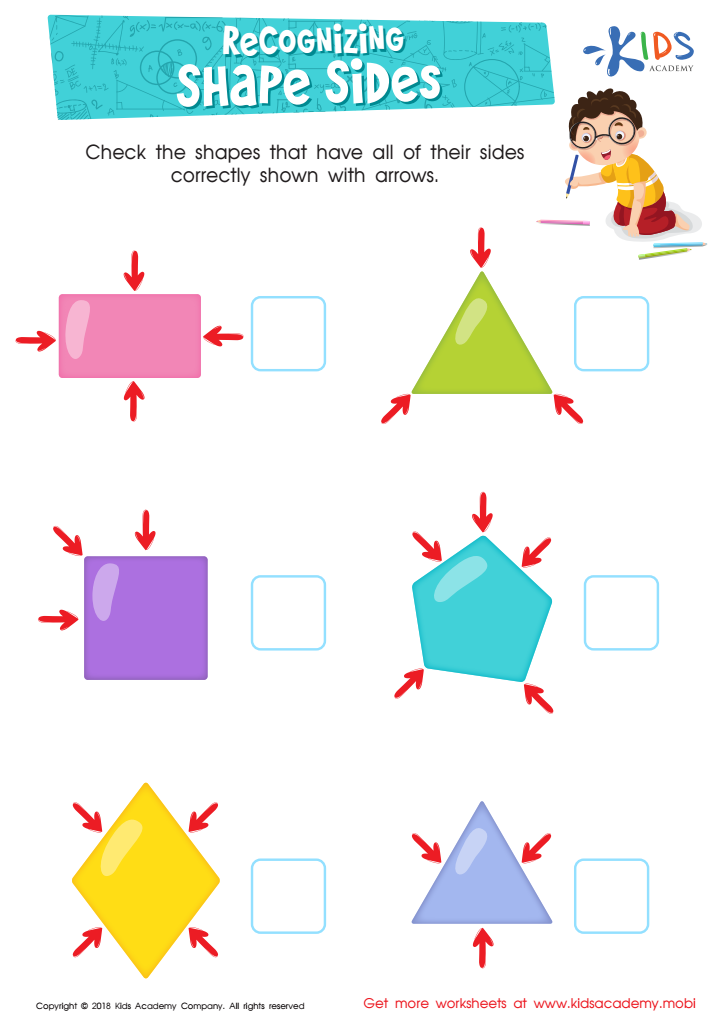
Recognizing Shape Sides Worksheet
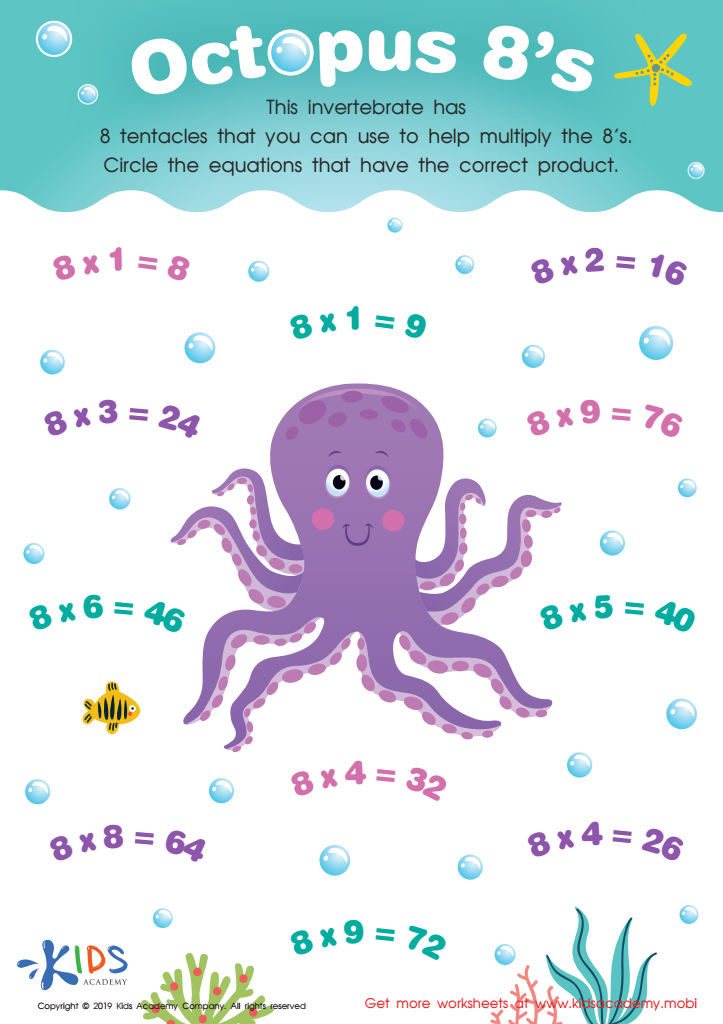
Octopus 8’s Worksheet



%20(1).jpg)


.jpg)

Color Identification and Normal Math proficiency are essential areas of development for children aged 8-9, forming a significant part of their educational journey. Understanding colors and basic mathematical concepts not only reinforces cognitive development but also lays the groundwork for more advanced learning.
First, color identification is critical for visual learning. It enhances a child's ability to classify and differentiate objects, increasing their observational skills. Knowing colors also aids in daily life and in understanding and following instructions. In creativity and art, color knowledge expands a child's ability to express themselves effectively through various mediums.
Normal Math at this age introduces children to fundamental arithmetic skills such as addition, subtraction, multiplication, and division, which are essential for their further education. Proficiency in math boosts logical thinking, problem-solving skills, and the ability to handle practical tasks like managing time and money.
A combined focus on colors and math creates a holistic educational experience. Experts have noted that integrating these can make learning more engaging. For instance, color-coded math activities can help in memorization and comprehension, making abstract concepts tangible.
Caring about these skills ensures children are developing the cognitive and analytical abilities that will support their academic achievements and practical everyday applications, fostering both academic success and personal confidence.








