
Color recognition Normal Reading Worksheets for Ages 8-9
3 filtered results
Difficulty Level
Grade
Age
-
From - To
Subject
Activity
Standards
Enhance your child's reading skills with our engaging Color Recognition Normal Reading Worksheets for Ages 8-9! Designed to promote literacy while fostering visual discrimination, these worksheets provide fun activities that categorize and identify colors in various contexts. As children explore colorful illustrations, they will develop their vocabulary and comprehension abilities, making learning enjoyable. Ideal for independent practice or guided sessions, our versatile worksheets can easily integrate into any curriculum. Support your child’s growth in reading and color identification—transforming a foundational skill into a playful and enriching experience. Access these valuable resources today to inspire a love of learning through color!
Favorites
With answer key
Interactive
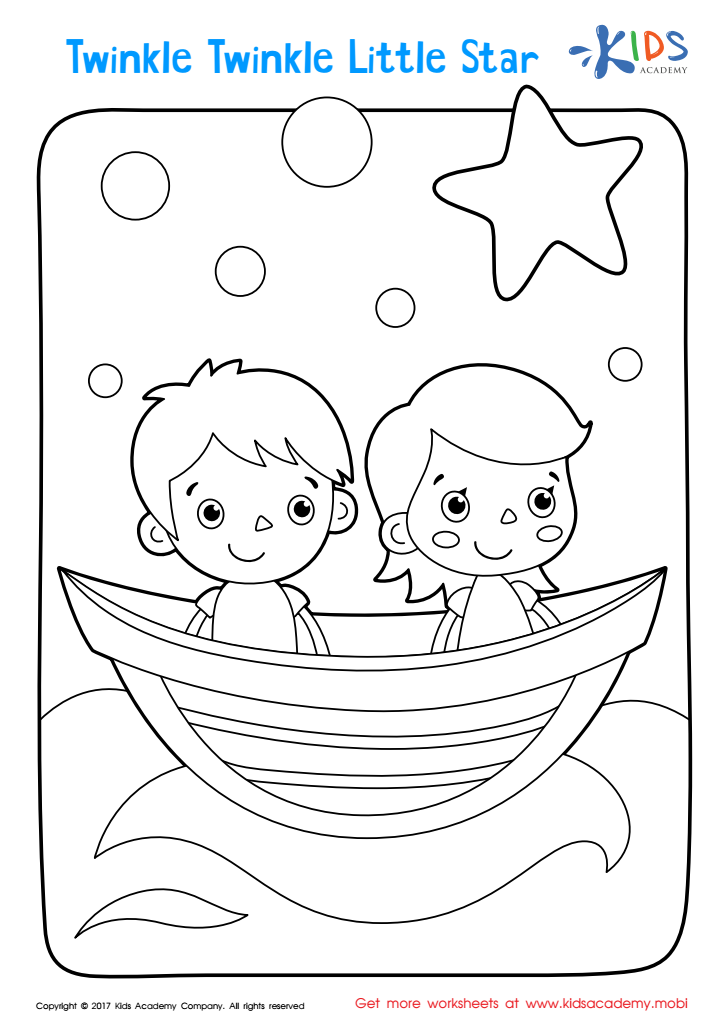
Twinkle Twinkle Little Star Coloring Page
Let your child wish upon a star as they color this scene of boy and girl stargazing. Sing Twinkle Twinkle Little Star while they choose colors to show the star twinkling in the night sky.
Download (PDF)
 Assign to My Students
Assign to My Students
Twinkle Twinkle Little Star Coloring Page
Worksheet
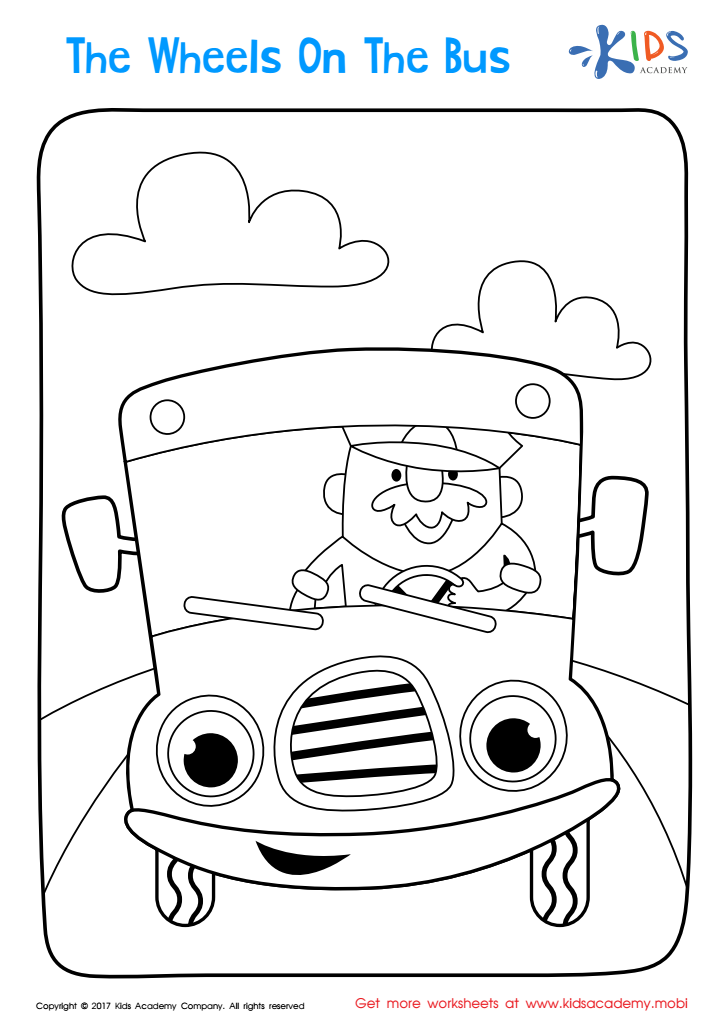
The Wheels on the Bus Coloring Page
Colour and sing with this printable Wheels on the Bus page! Let your child have fun singing the song with you as they colour. It'll make the activity even more entertaining and memorable.
Download (PDF)
Assign to My Students
Assign to My Students
The Wheels on the Bus Coloring Page
Worksheet
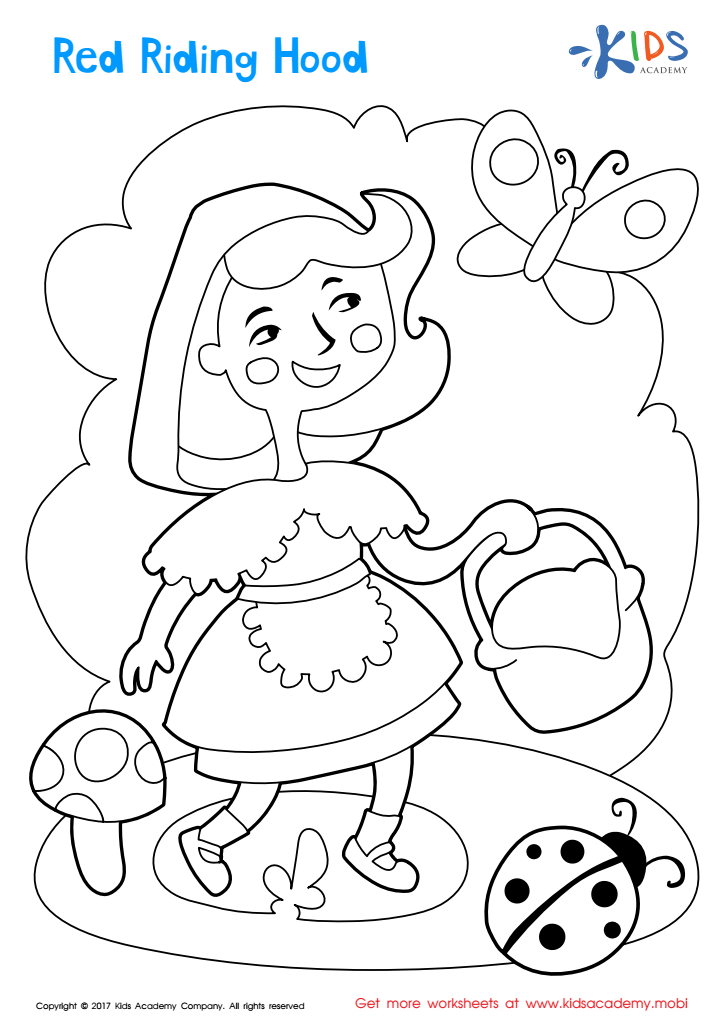
Red Riding Hood Coloring Page
Red Riding Hood awaits in the woods, with a butterfly, mushroom, and ladybug around her. Let your child bring the story to life with this magical printable coloring page. Fairytale fun for all!
Download (PDF)
Assign to My Students
Assign to My Students
Red Riding Hood Coloring Page
Worksheet
Join Kids Academy for Free
Who is primarily going to use this learning content?






Color recognition is a critical aspect of early childhood development that extends beyond basic education. For children aged 8-9, mastering color recognition plays a significant role in their cognitive and language development. By integrating color identification into normal reading activities, parents and teachers can enhance a child's ability to make connections between words, images, and concepts.
At this age, children are beginning to read more complex texts, and understanding color can help them comprehend descriptive language and narratives. Recognizing colors enriches their vocabulary, enabling them to express themselves more vividly. Moreover, incorporating color recognition activities during reading can significantly improve a child's engagement and motivation, making learning enjoyable and interactive.
Furthermore, color understanding is vital for developing critical thinking and observational skills. As children encounter different colors in various contexts—art, nature, or everyday objects—they cultivate an appreciation for diversity and aesthetics. This foundational skill can support their later academic pursuits, particularly in subjects like art and science.
In summary, color recognition not only contributes to literacy skills but also enhances creativity, critical thinking, and self-expression in children, making it an essential focus for parents and teachers alike.








