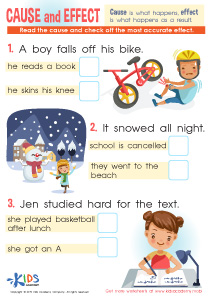
Reading comprehension Normal Reading Non-Fiction Worksheets for Ages 8-9
14 filtered results
-
From - To
Enhance your child's critical thinking and analytical skills with our "Reading Comprehension Non-Fiction Worksheets for Ages 8-9." These expertly crafted resources offer engaging, age-appropriate content designed to improve your child's ability to understand and interpret factual information. Featuring a variety of interesting non-fiction topics, our worksheets are perfect for developing vocabulary, honing summarization skills, and fostering a love for reading. Each activity is tailored to challenge young minds while making learning fun and effective. Help your child excel in reading comprehension with our dependable and educational worksheets, ensuring they build a strong foundation for lifelong learning.
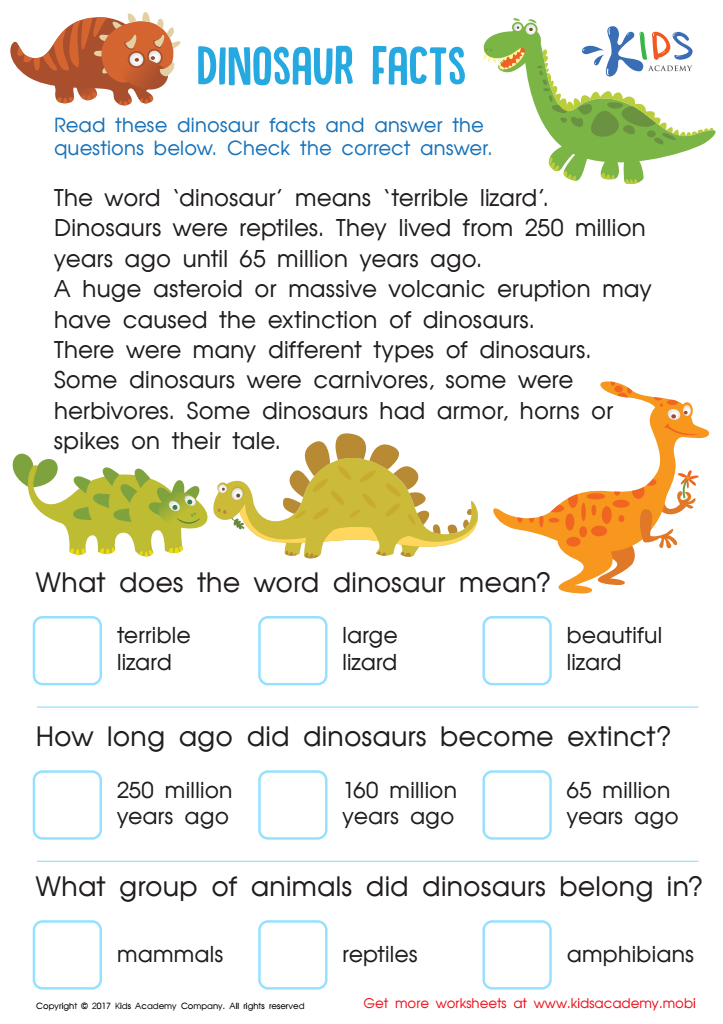
Dinosaur Facts Worksheet
 Assign to My Students
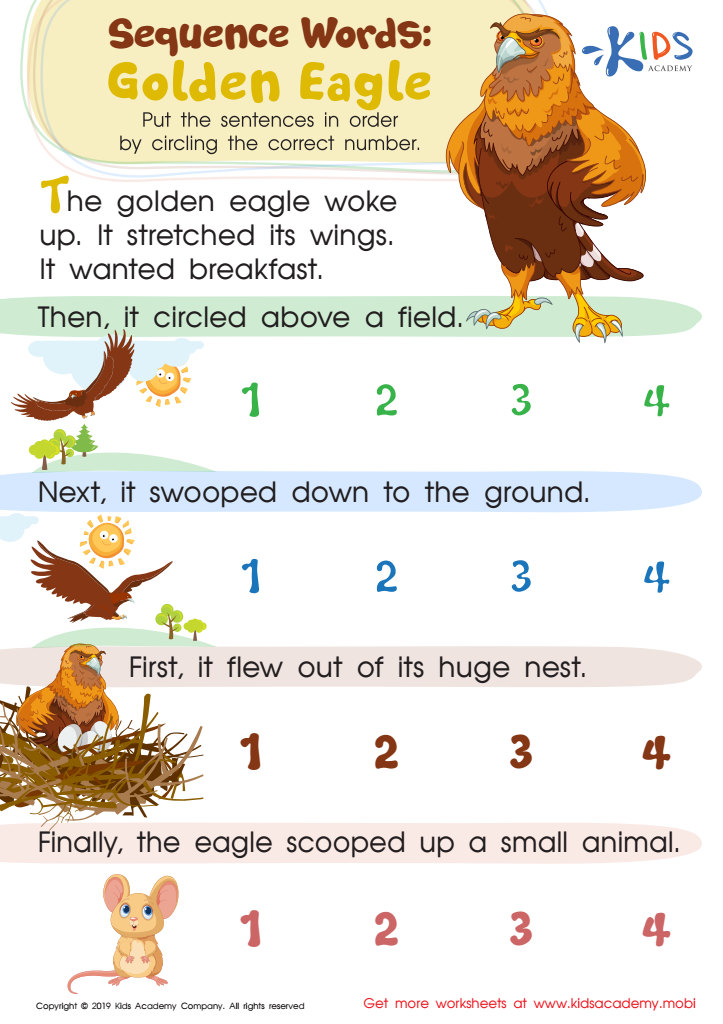
Sequence Word Eagle Worksheet
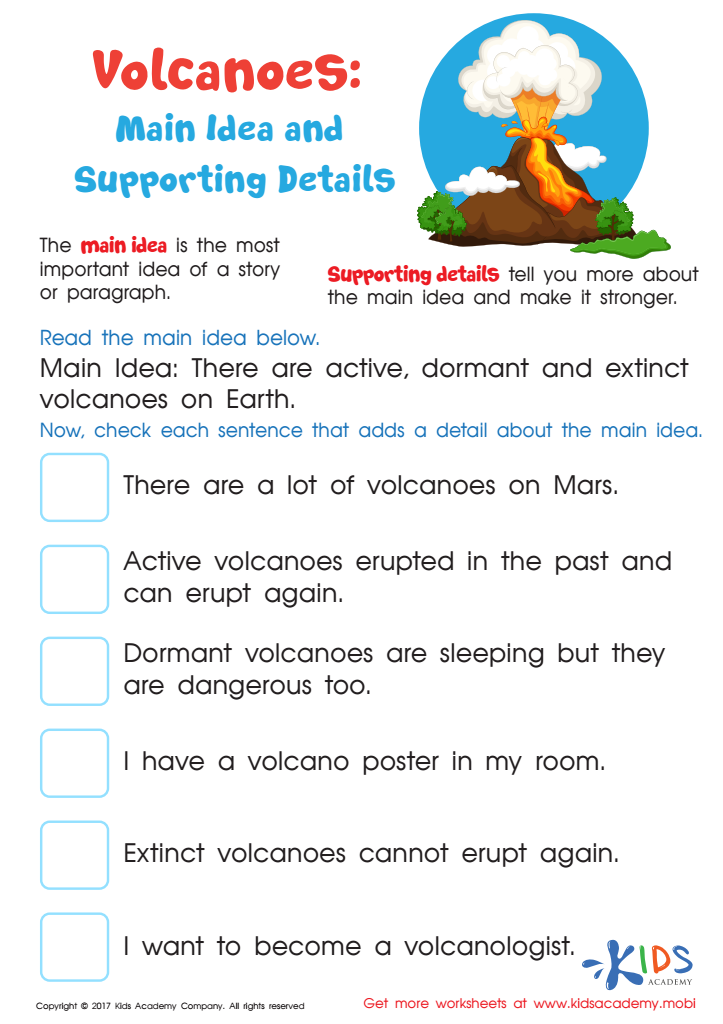
Volcano Facts Worksheet
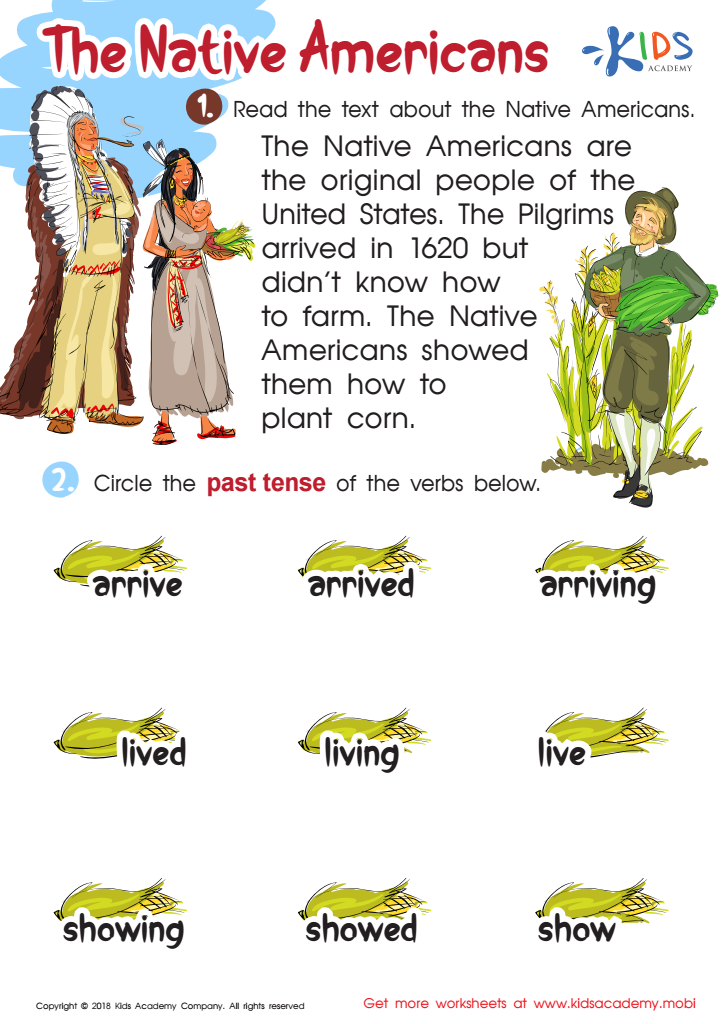
The Native Americans Worksheet
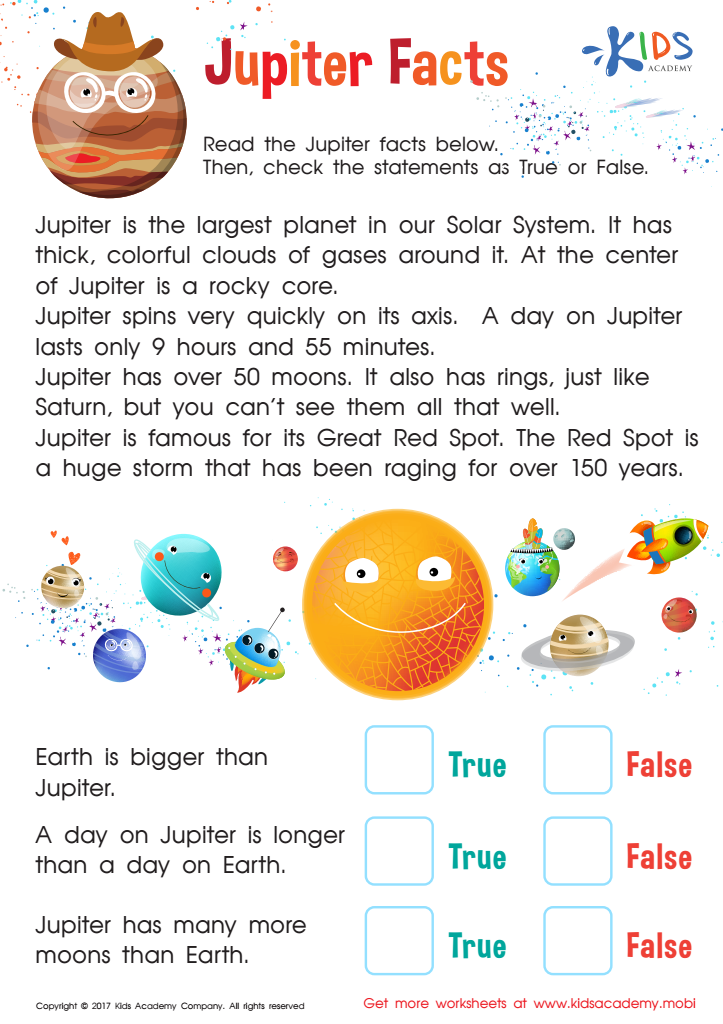
Jupiter Facts Worksheet
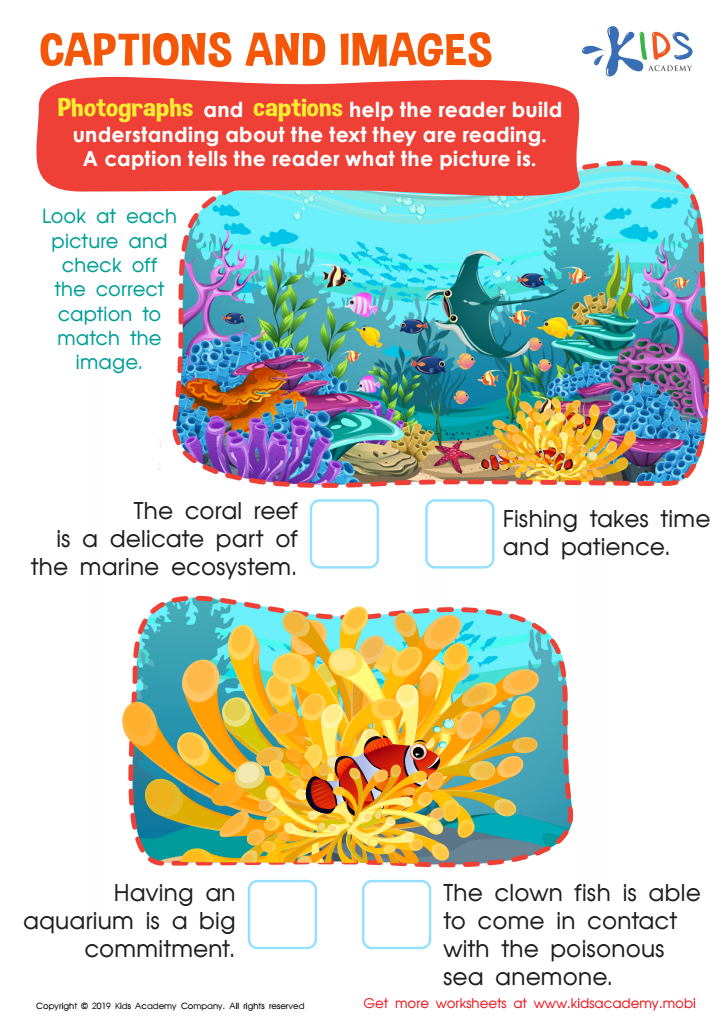
Captions and Images Worksheet
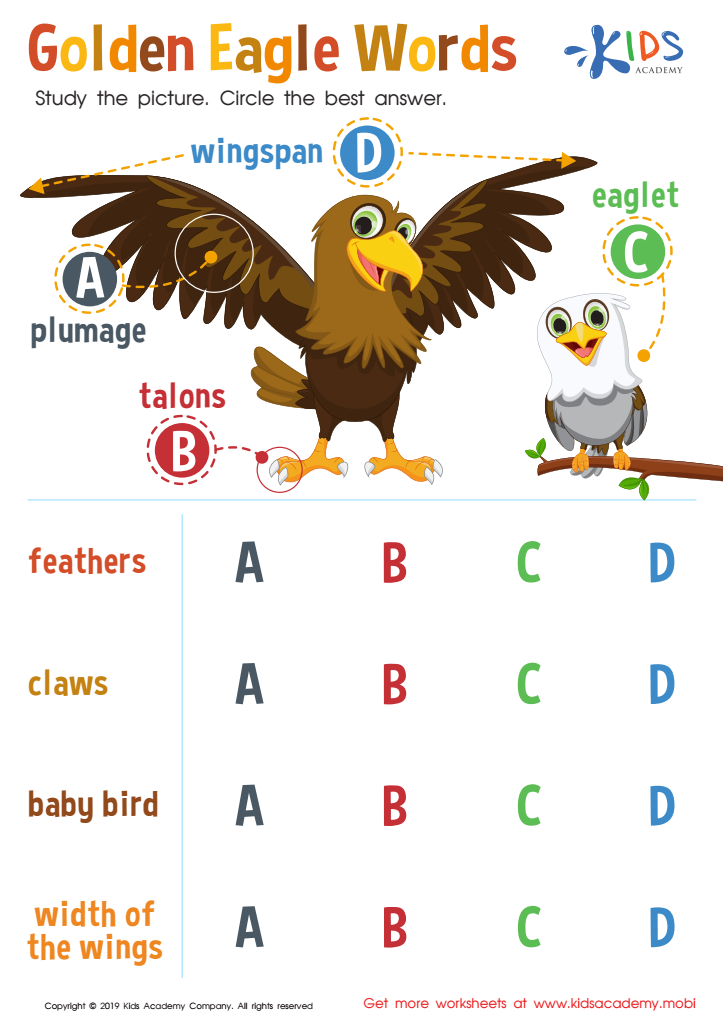
Golden Eagle Words Worksheet
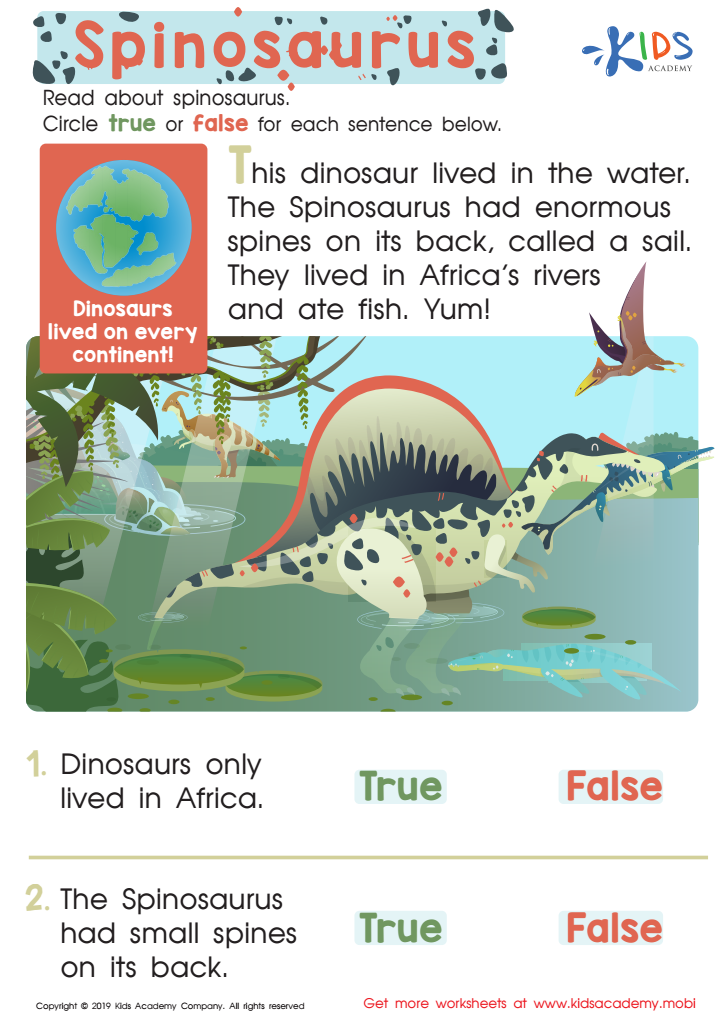
Spinosaurus Assessment Worksheet
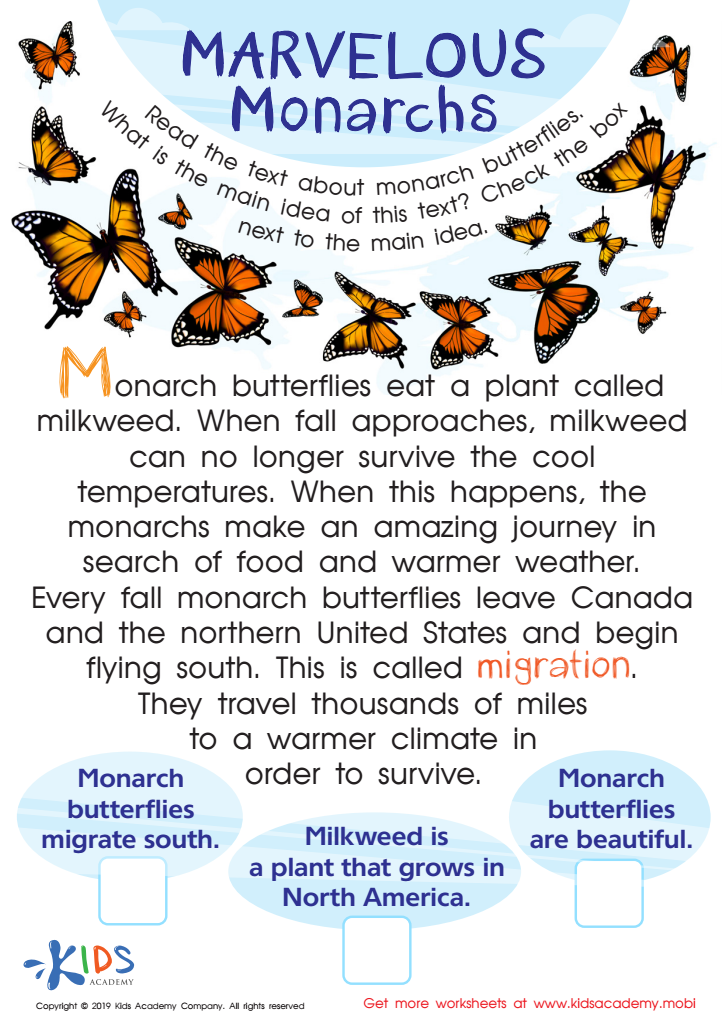
Marvelous Monarchs Worksheet
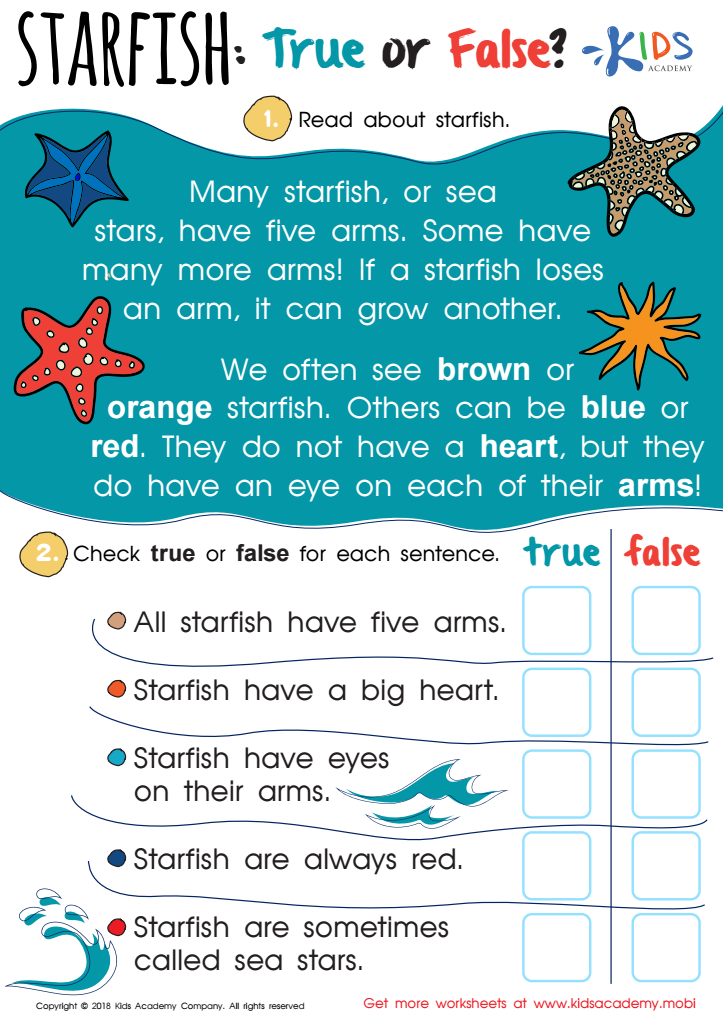
Starfish: True or False Worksheet
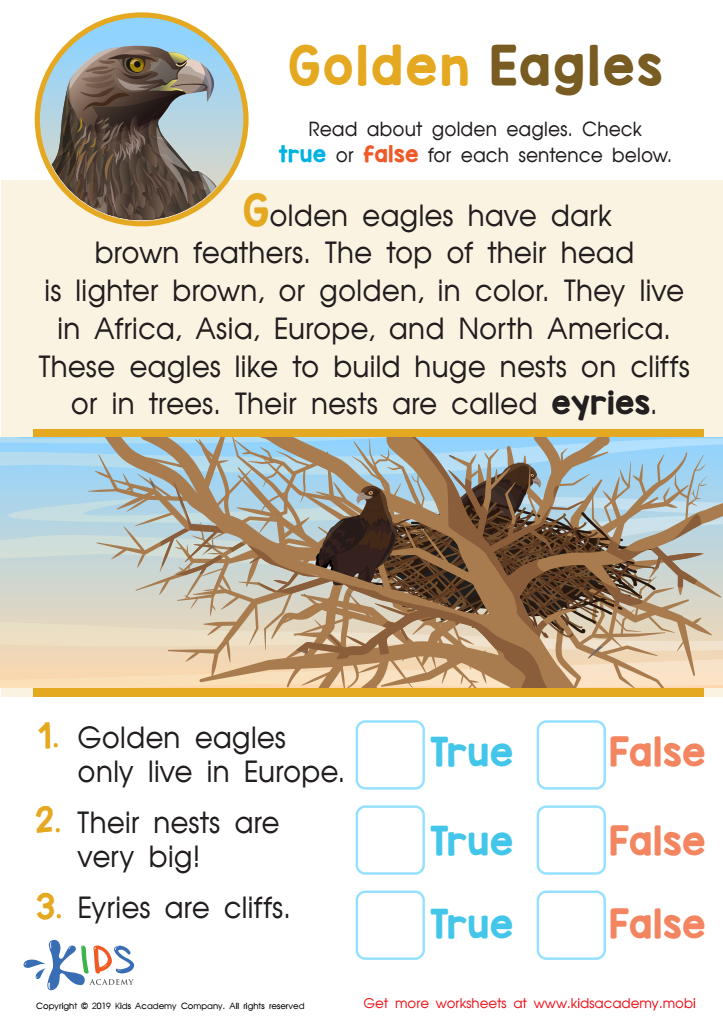
Golden Eagles Worksheet
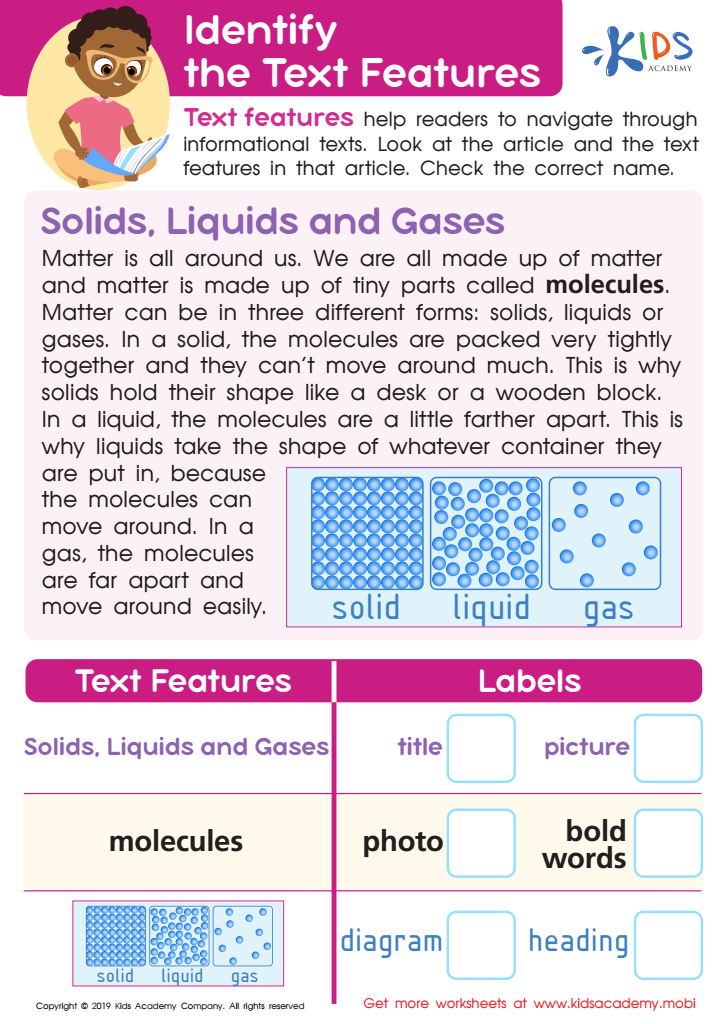
Identify the Text Features Worksheet
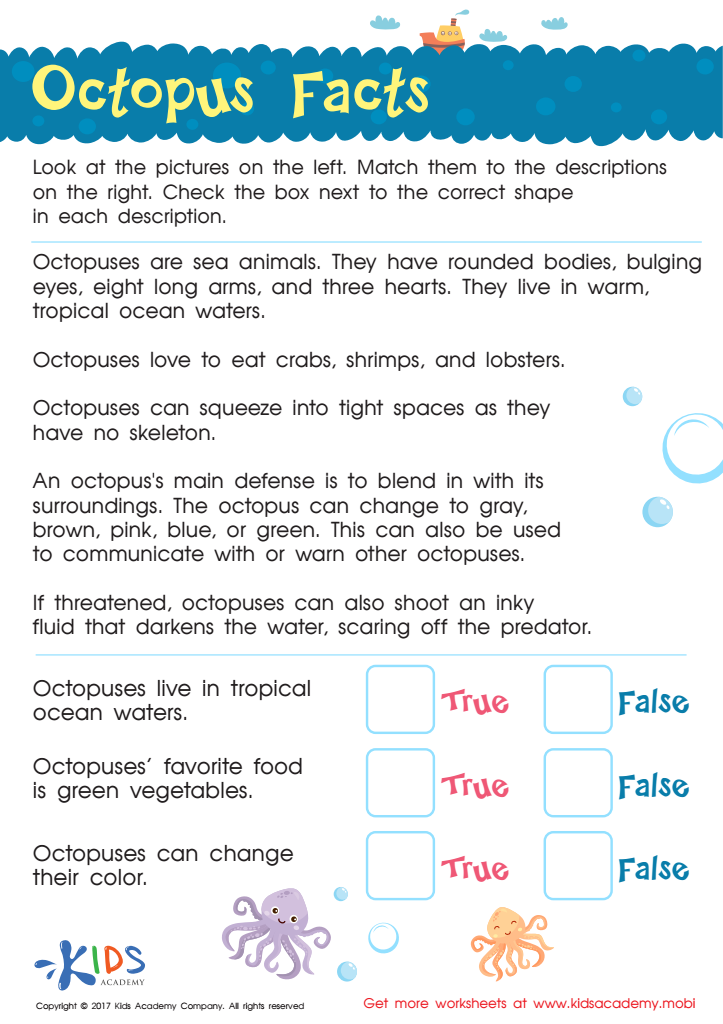
Octopus Facts Worksheet For Kids
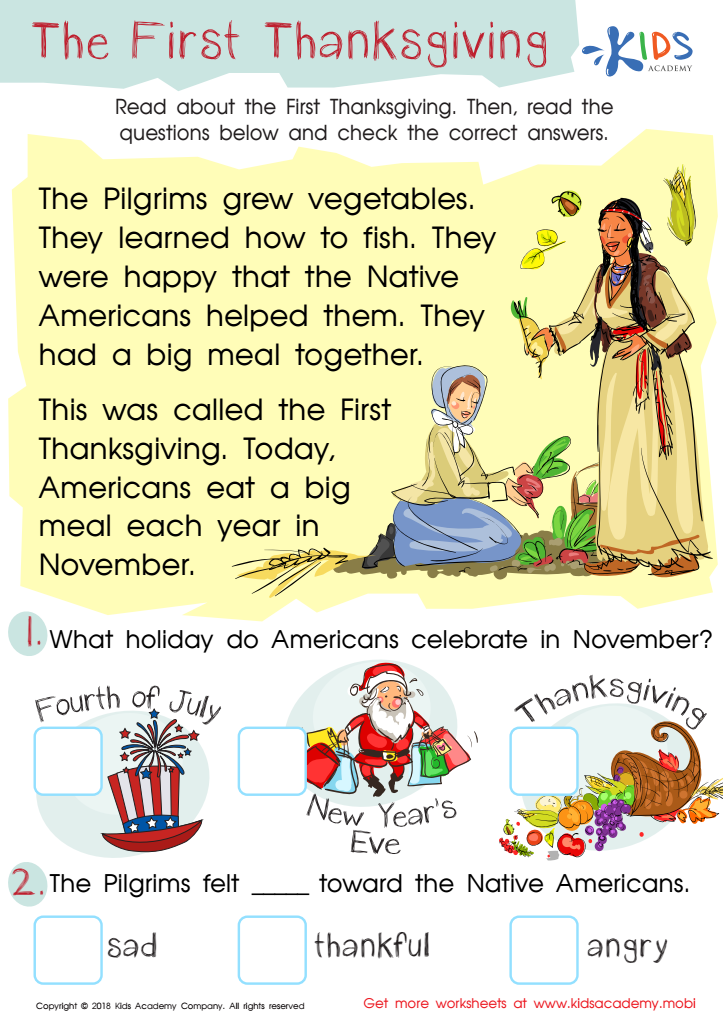
Assessment: First Thanksgiving Worksheet








Reading comprehension, especially in non-fiction texts, is essential for children aged 8-9 because it lays the foundation for academic success and lifelong learning. At this age, children's brains are developing rapidly, and their ability to understand and process information is expanding. Non-fiction reading helps them develop critical thinking skills, enhances their vocabulary, and builds their knowledge base on various subjects such as science, history, and the natural world.
A strong grasp of reading comprehension aids in making connections between prior knowledge and new information, which is crucial for deeper understanding and retention. It also encourages curiosity and a love of learning, empowering children to become independent learners. As they learn to extract key points, identify main ideas, and understand complex texts, they become better equipped to tackle more challenging material in later grades.
Furthermore, when teachers and parents invest time in nurturing these skills, they are advocating for better communication abilities in children. Comprehension is not just about reading; it extends to understanding instructions, performing tasks accurately, and expressing ideas clearly. By focusing on non-fiction texts, educators and parents ensure that young learners are exposed to real-world knowledge and practical information, preparing them for a future where they can actively participate and contribute to society.