
Vocabulary Building Normal Animals Worksheets for Ages 8-9
3 filtered results
Difficulty Level
Grade
Age
-
From - To
Subject
Activity
Standards
Discover our engaging "Vocabulary Building Normal Animals Worksheets for Ages 8-9." These fun and educational worksheets are tailored to expand your child's vocabulary while delving into the fascinating world of animals. Perfect for third graders, each worksheet combines captivating animal facts with key vocabulary exercises to enhance language skills. Your child will enjoy learning about diverse animals and their characteristics, boosting their reading and comprehension abilities. With easy-to-follow instructions and playful activities, our worksheets make learning enjoyable and effective. Equip your child with the words they need to describe the wonders of the animal kingdom confidently!
Favorites
With answer key
Interactive
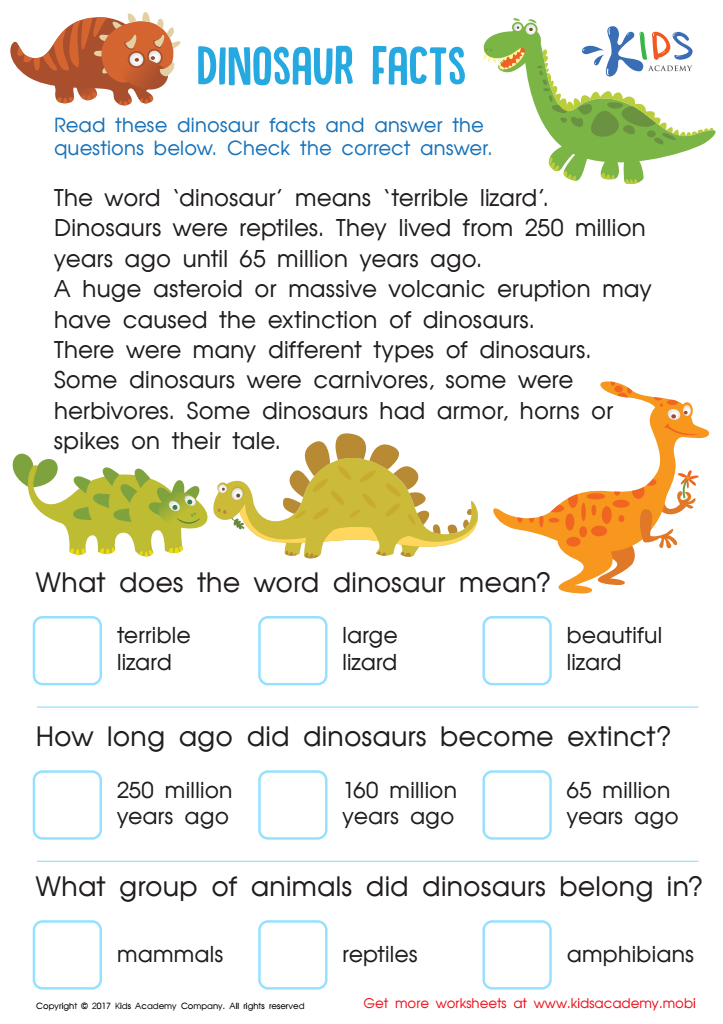
Dinosaur Facts Worksheet
Help your child improve reading skills with engaging nonfiction texts! This dinosaur facts worksheet will teach fun information and test kids on the key details. It'll keep them motivated and ready to learn!
 Assign to My Students
Dinosaur Facts Worksheet
Worksheet
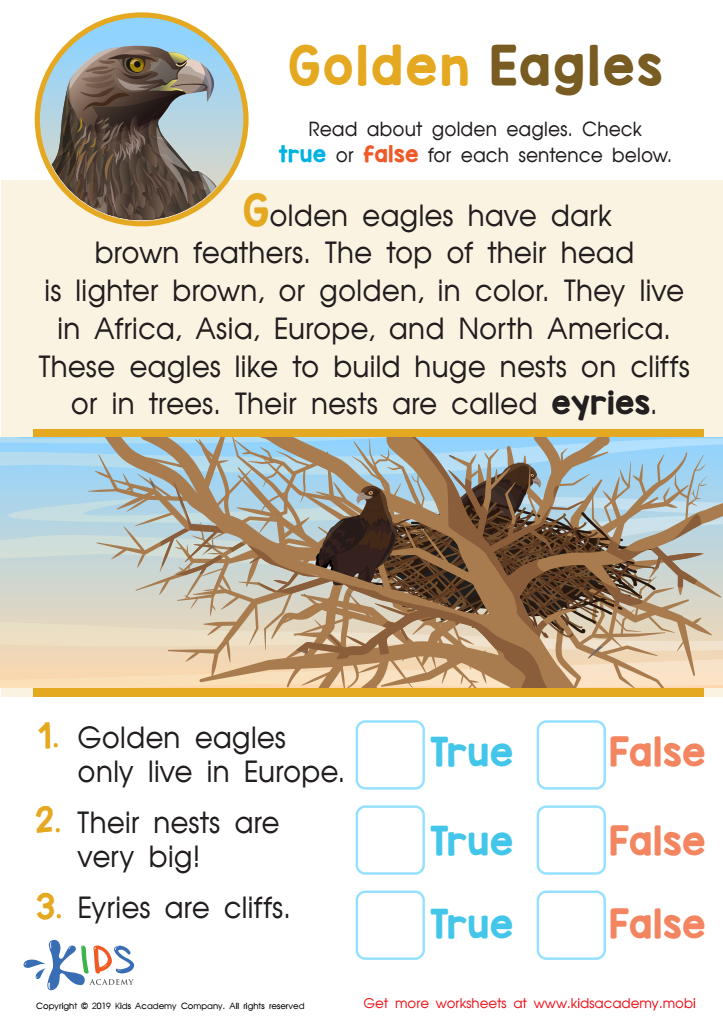
Golden Eagles Worksheet
Check your child's reading comprehension with this fascinating worksheet! Read the passage at the top of the page and discuss what was learned about golden eagles. Then, read the statements at the bottom and ask if they are true or false. Guide your child to circle the correct answer then read the text to back up the answer.
Golden Eagles Worksheet
Worksheet
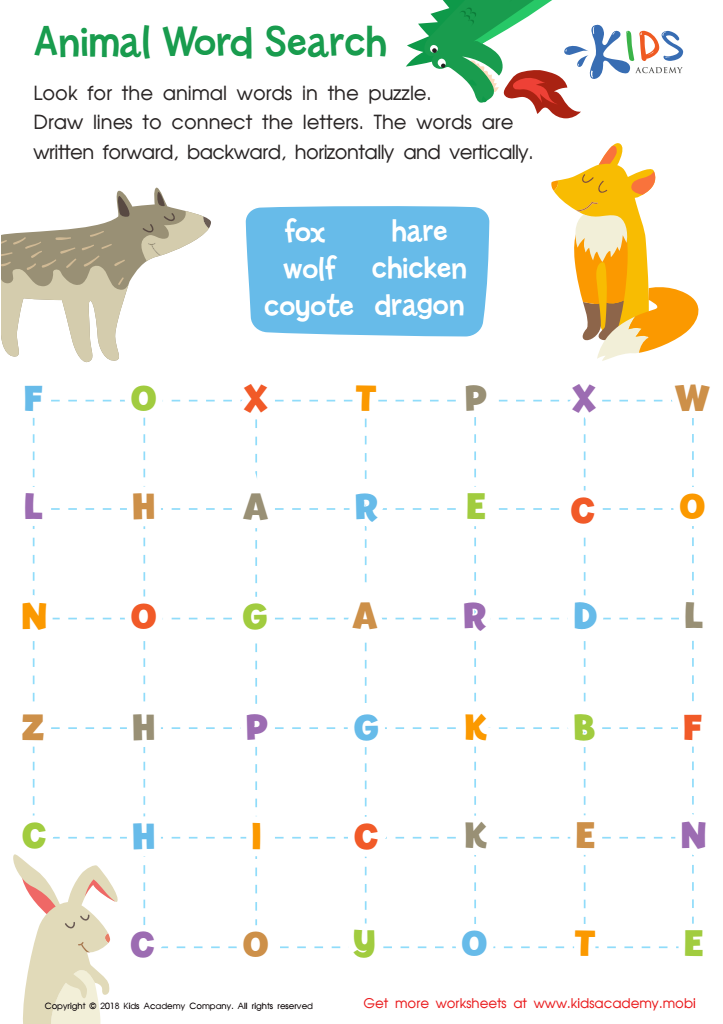
Animal Word Search Worksheet
Students can have fun and strengthen spelling and vocabulary skills with this word search worksheet. Search for animal words and circle the letters in the puzzle. Words can be found forwards, backwards, horizontally or vertically, providing a great challenge to foster critical thinking skills. An enriching activity for all ages!
Animal Word Search Worksheet
Worksheet
Join Kids Academy for Free
Who is primarily going to use this learning content?








Vocabulary building in children aged 8-9 is critical as it directly influences their cognitive, academic, and social development. At this age, kids are rapidly expanding their range of language and comprehension skills. A robust vocabulary aids in reading comprehension, enabling children to understand more complex texts effortlessly and enhancing their overall academic performance. Teachers and parents can make this process engaging by incorporating normal animals like cats, dogs, elephants, and birds into lessons. Using animals familiar to children helps spark their curiosity and ensure that new words are both accessible and relatable.
Moreover, discussing animals can expand a child's world view, introducing them to diverse habitats, behaviors, and biological concepts. It encourages critical thinking and a love for nature, fostering empathy and environmental stewardship early on. An enriched vocabulary also boosts children's confidence in communicating. With a better grasp of language, they are more articulate in expressing their thoughts and emotions, improving their social interactions and emotional intelligence.
Ultimately, investing attention in vocabulary-building through appealing themes like animals equips children with essential literacy skills and lays a strong foundation for lifelong learning. Teachers and parents play vital roles in facilitating these opportunities, ensuring children are better prepared for future academic challenges and social scenarios.








