Analyzing data Normal Science Worksheets for Ages 8-9
4 filtered results
-
From - To
Discover our engaging "Analyzing Data Normal Science Worksheets" designed specifically for children ages 8-9! These worksheets help young learners develop essential skills in interpreting and analyzing data through fun and interactive activities. Each worksheet offers various exercises that encourage critical thinking, support scientific inquiry, and promote hands-on learning. By exploring graphs, charts, and simple experiments, students will gain confidence in their ability to make sense of data and draw meaningful conclusions. Perfect for the classroom or at-home practice, our worksheets align with educational standards, ensuring a comprehensive learning experience. Empower your child's scientific journey with our thoughtfully designed resources today!
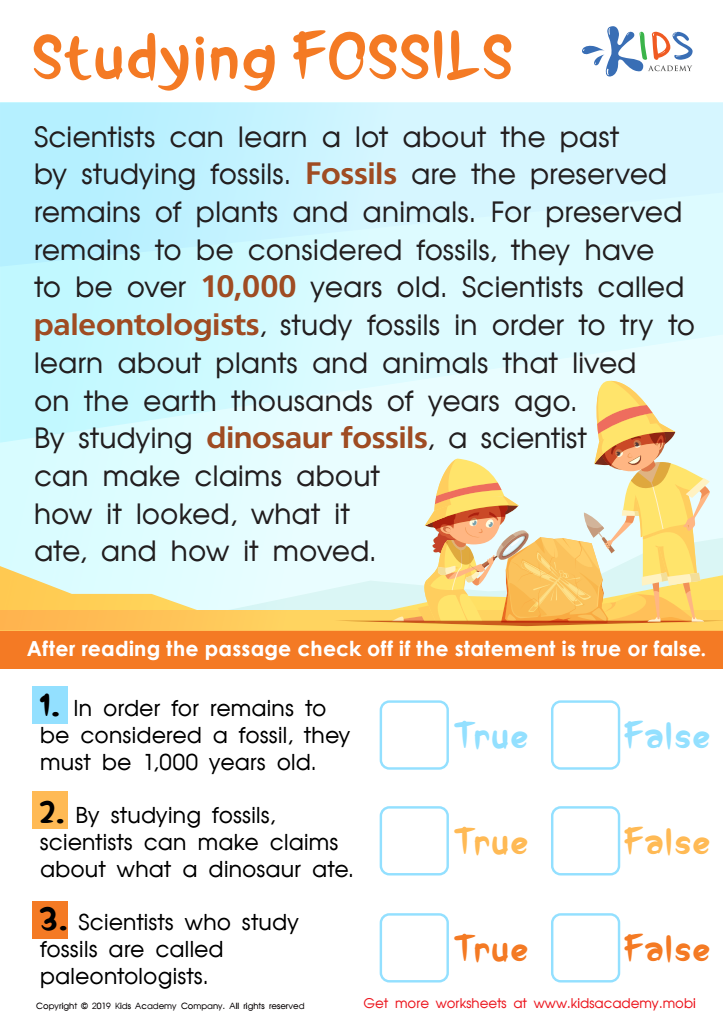
Studying Fossils Worksheet
 Assign to My Students
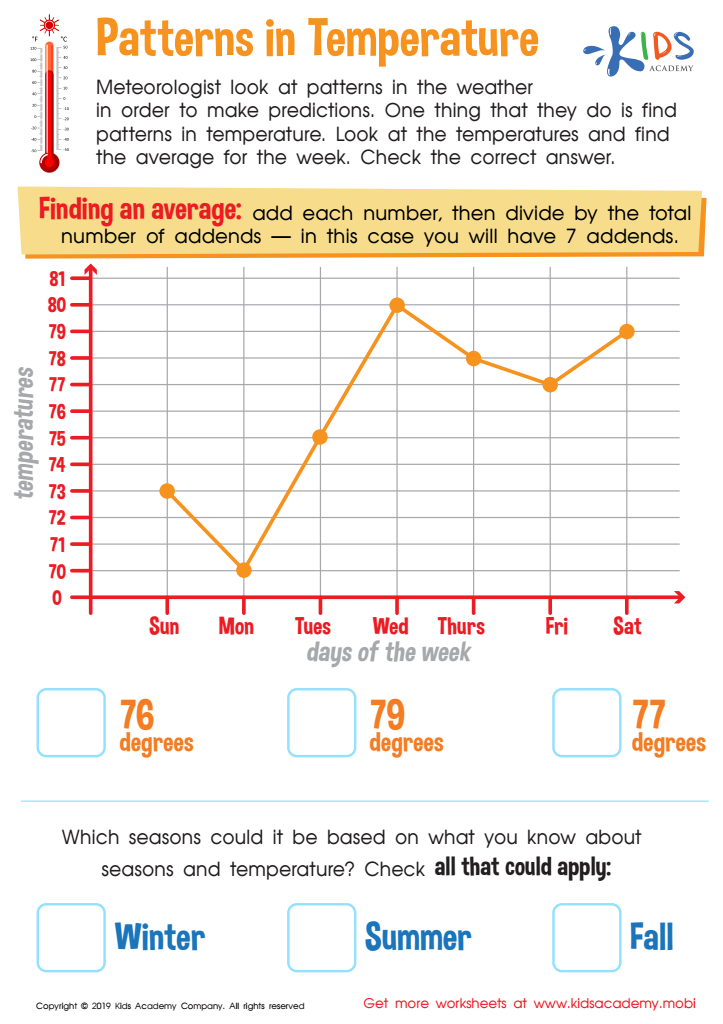
Patterns in Temperature Worksheet
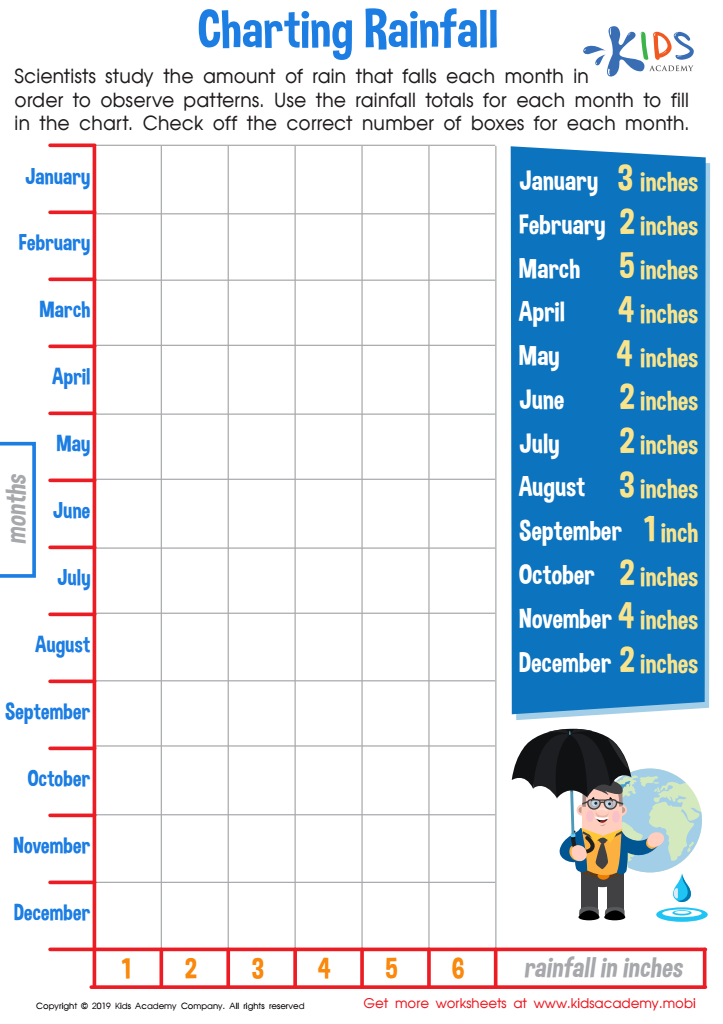
Charting Rainfall Worksheet
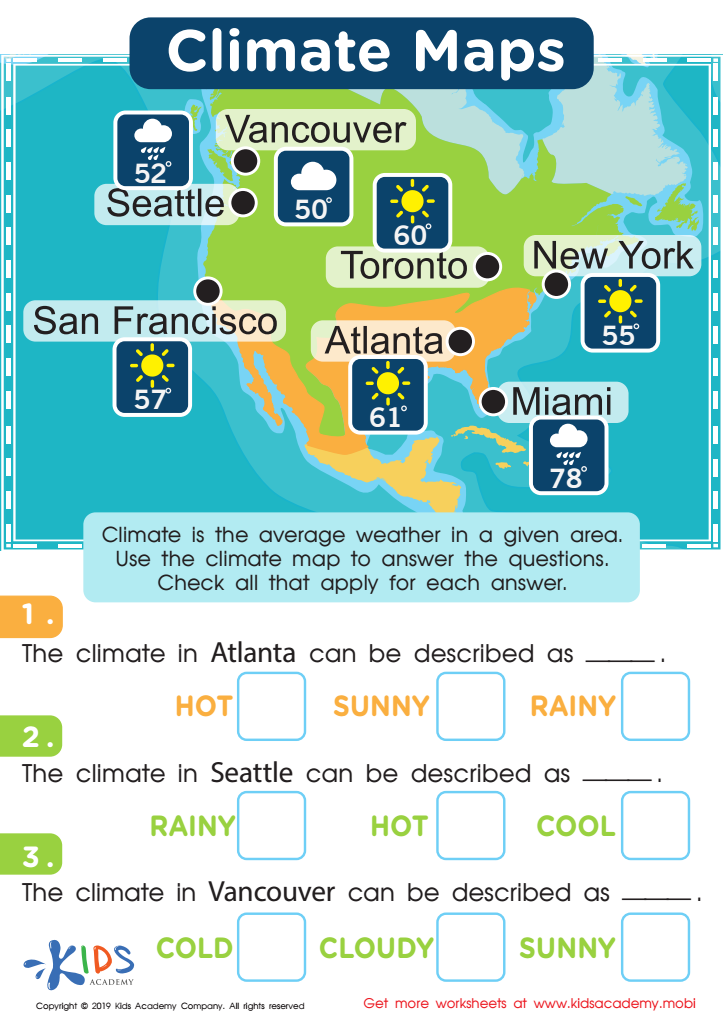
Climate Maps Worksheet








Analyzing data in the context of Normal Science is crucial for children aged 8-9 as it fosters critical thinking skills and emotional intelligence at a formative stage of cognitive development. During this age, children begin to grasp abstract concepts, and engaging with data enhances their ability to understand patterns, cause-effect relationships, and the scientific method. This is not just about learning math; it empowers students to question, hypothesize, and draw conclusions based on evidence, which are essential skills in both academic and everyday contexts.
Parents and teachers should care about this because when children actively participate in data analysis, it boosts their confidence in their abilities while building a foundation for future learning in science, technology, engineering, and math (STEM) fields. Moreover, understanding data promotes informed decision-making, allowing children to better interpret information they encounter, such as news or social media.
Involving parents in this process further strengthens the learning experience, making it a collaborative and enjoyable journey. Overall, introducing data analysis in a supported environment of Normal Science equips children with valuable skills they'll use for a lifetime, making it a significant area for parents and educators to emphasize.







