Enhancing observational skills Normal Science Worksheets for Ages 8-9
5 filtered results
-
From - To
Help your 8-9-year-olds develop keen observational skills with our Normal Science Worksheets! Tailored specifically for young learners, these engaging worksheets foster critical thinking and attention to detail. Students will explore diverse scientific concepts through fun and interactive activities that encourage noticing and recording observations. These are perfect for classroom settings or at-home practice, making learning science both accessible and enjoyable. Cultivate a love for discovery and enhance foundational skills in science with our expertly crafted worksheets. Try them today and watch your child’s curiosity and knowledge grow hand-in-hand. Visit Kids Academy now to get started!
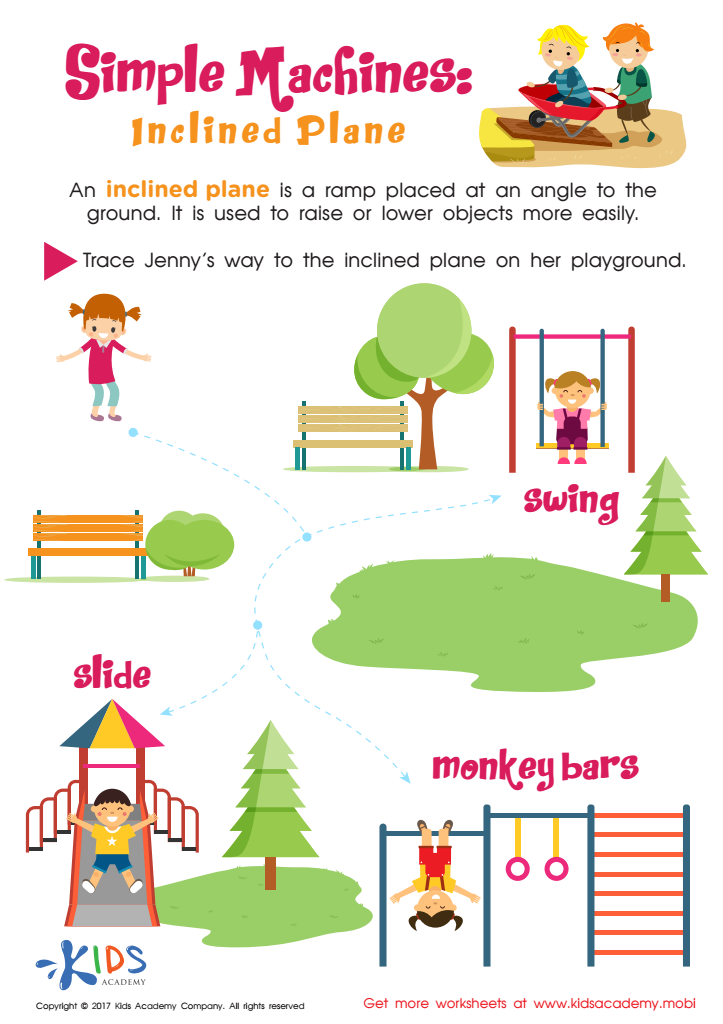
Simple Machines Inclined Plane Worksheet
 Assign to My Students
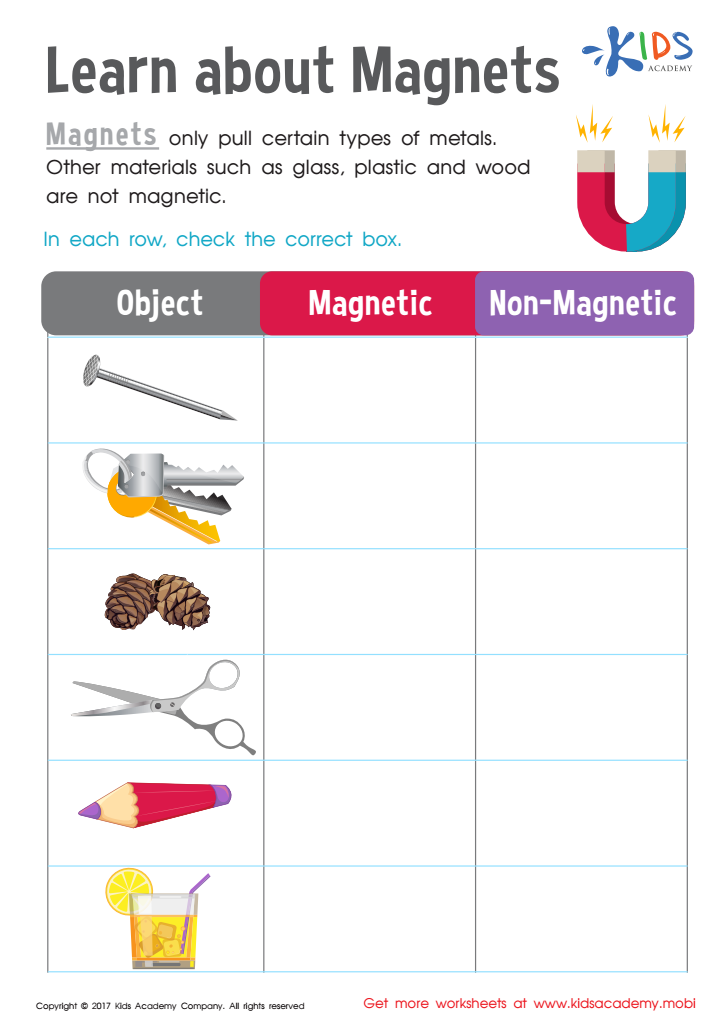
Magnetic Or Not Worksheet
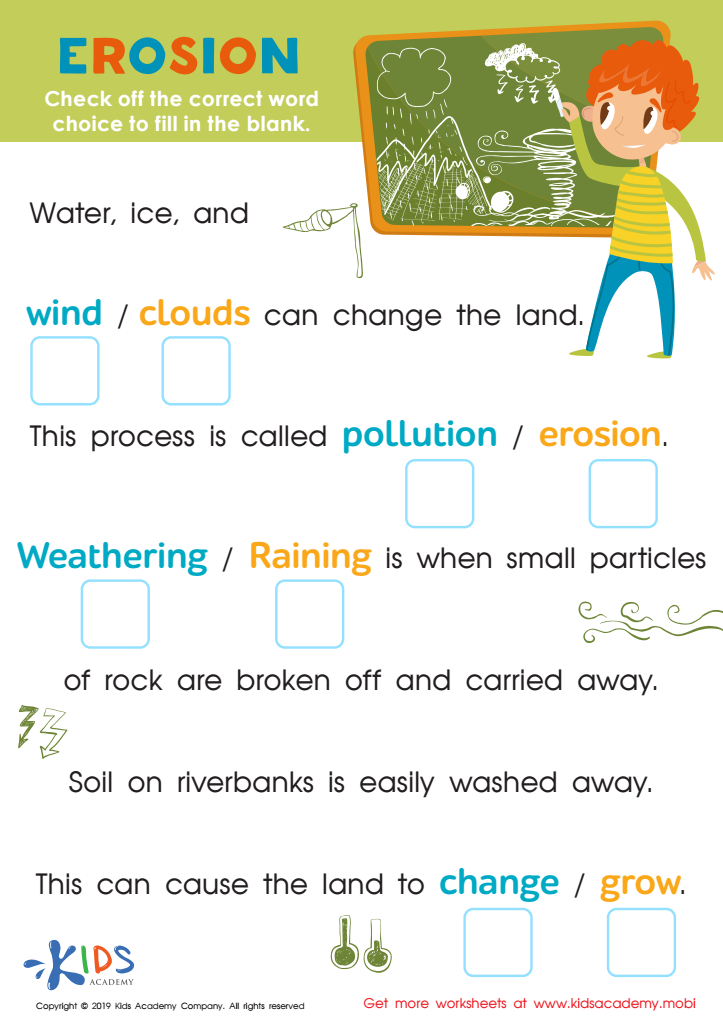
Erosion Worksheet
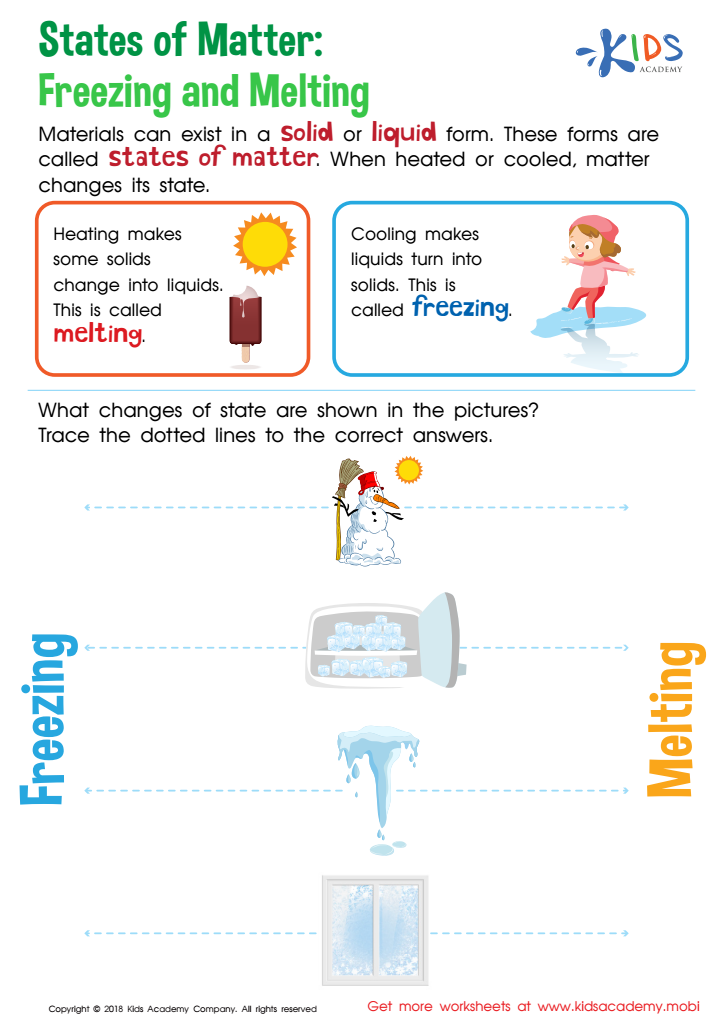
States of Matter: Freezing and Melting Worksheet
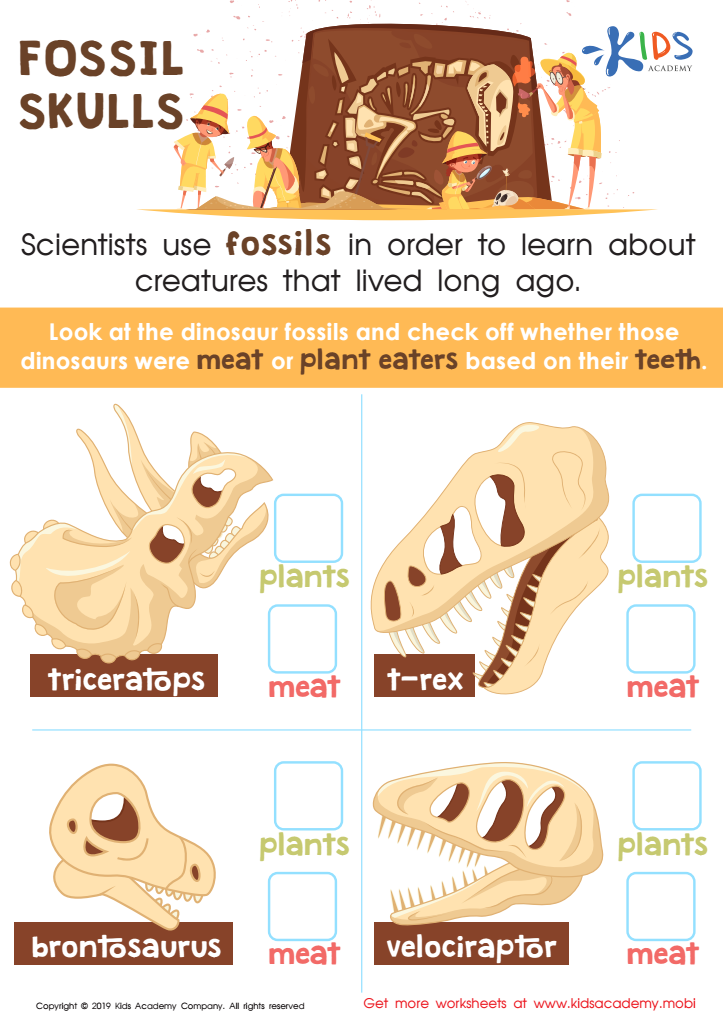
Fossil Skulls Worksheet







Enhancing observational skills in young children, particularly at ages 8-9, is crucial for their cognitive and emotional development. During this formative period, children are naturally curious and keen observers of the world around them. By focusing on enhancing these skills, parents and teachers can significantly bolster a child's ability to understand and interpret their environment, fostering a foundation for lifelong learning.
Observational skills are the building blocks of scientific inquiry, encouraging children to examine, question, and analyze their surroundings. This form of engagement deepens their understanding of everyday phenomena and promotes critical thinking. With strong observational abilities, children are better equipped to notice details, recognize patterns, and make connections, all of which are integral to scientific reasoning and problem-solving under the framework of Normal Science.
Moreover, honing these skills can enhance communication abilities. When children observe closely, they learn to describe their findings more accurately and comprehensively, which improves their language and writing skills. Socially, empathetic observation can lead to better interactions with peers, given their enhanced ability to understand emotions and social cues.
Overall, investing in the development of observational skills empowers children to become more thoughtful, inquisitive, and empathetic individuals. It nurtures a sense of wonder and curiosity, laying a critical educational groundwork that supports future academic and personal success.







