Improving reading comprehension Normal Science Worksheets for Ages 8-9
3 filtered results
-
From - To
Boost your child’s reading comprehension skills with our engaging Normal Science Worksheets designed specifically for ages 8-9. These worksheets are tailored to enhance understanding through fun and interactive activities that connect scientific concepts with reading skills. Children will explore essential topics while practicing deciphering information, making inferences, and analyzing texts. Each worksheet features age-appropriate content that captivates young learners and encourages a love for science. Perfect for classroom use or at-home learning, our resources support curriculum standards and help foster critical thinking abilities. Download our comprehensive worksheets today and empower your child to become a confident and proficient reader!
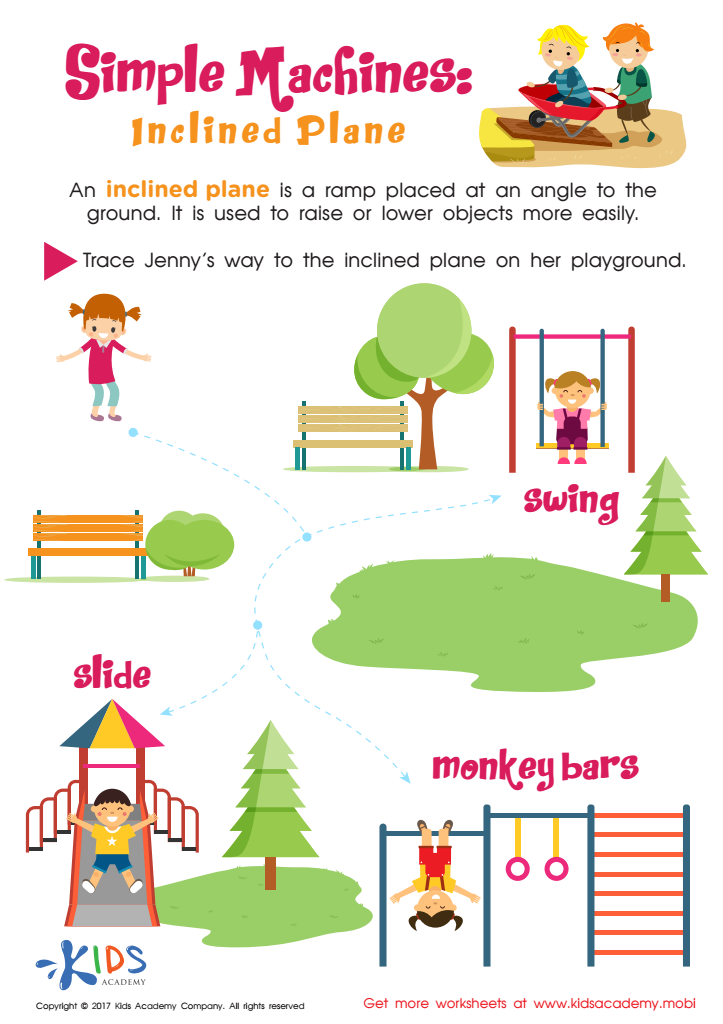
Simple Machines Inclined Plane Worksheet
 Assign to My Students
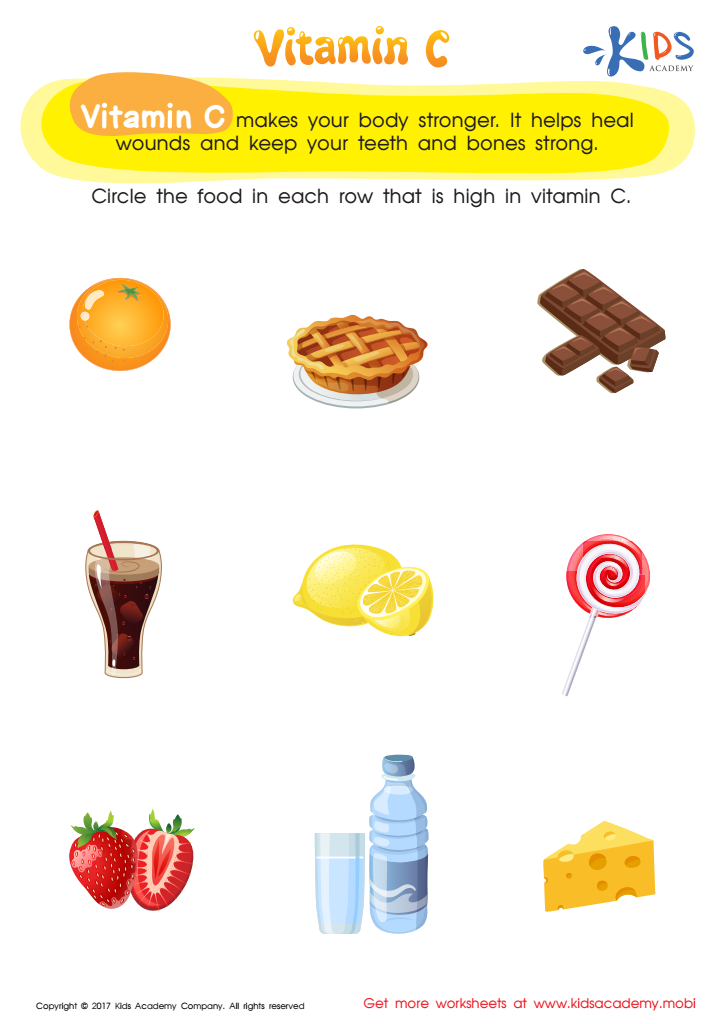
Vitamin C Worksheet
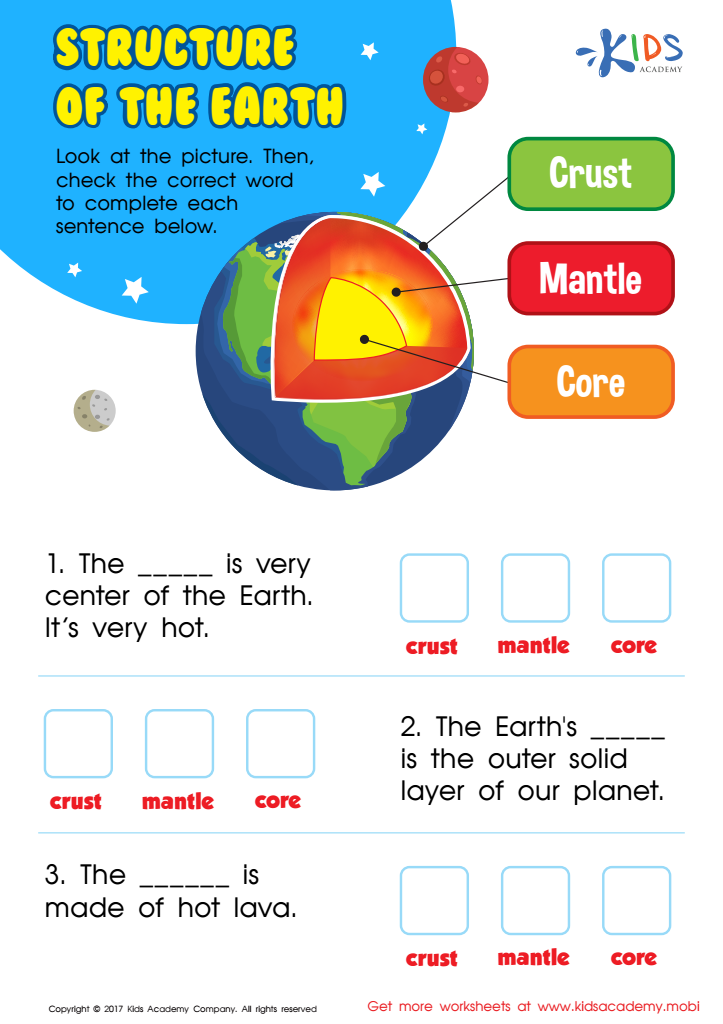
Structure of the Earth Worksheet







Improving reading comprehension in science for students aged 8-9 is crucial as it lays the foundation for critical thinking and lifelong learning. At this age, children are not only developing literacy skills but are also becoming more curious about the world around them. By enhancing their understanding of scientific texts, parents and teachers can empower students to engage with complex concepts, ask insightful questions, and relate scientific knowledge to their everyday lives.
Science education promotes conceptual understanding, helping students connect ideas rather than memorizing facts. Improved reading comprehension enables them to grasp the main ideas, make inferences, and analyze information, essential skills for future academic success. This age group is particularly receptive to science, making it an ideal time to cultivate an interest in the subject.
Moreover, fostering strong reading skills in science can help bridge the gap between literacy and science education, encouraging a more integrated learning approach. When children confidently navigate texts, they are more likely to participate in discussions, conduct experiments, and develop their own hypotheses. Ultimately, enhancing reading comprehension in science not only supports academic performance but also instills a sense of curiosity and a desire to explore, shaping them into informed citizens and thinkers.







