Vocabulary development Normal Science Worksheets for Ages 8-9
5 filtered results
-
From - To
Enhance your child's vocabulary with our engaging Normal Science Worksheets designed specifically for ages 8-9. These worksheets provide a fun and interactive way for young learners to build essential science-related vocabulary. Each activity focuses on key terms, encouraging children to explore scientific concepts while improving their language skills. Available for easy printing, these resources can be used at home or in the classroom, making learning accessible and enjoyable. By integrating science with vocabulary development, children will enhance their comprehension and communication abilities, setting a strong foundation for future learning. Start your child’s vocabulary journey today with our comprehensive and colorful worksheets!
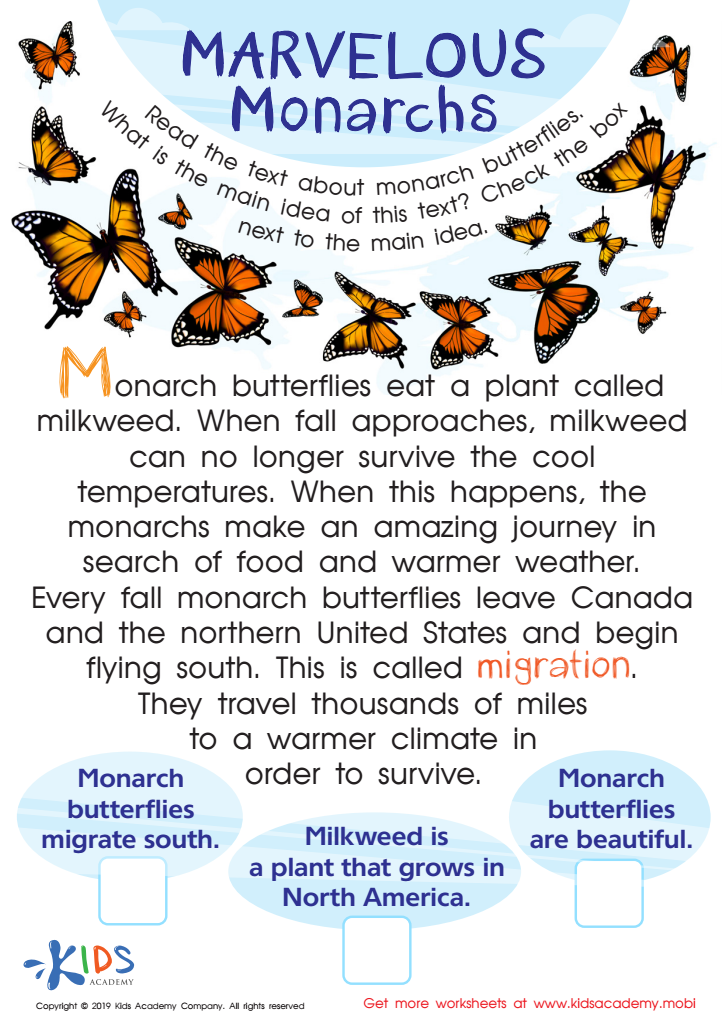
Marvelous Monarchs Worksheet
 Assign to My Students
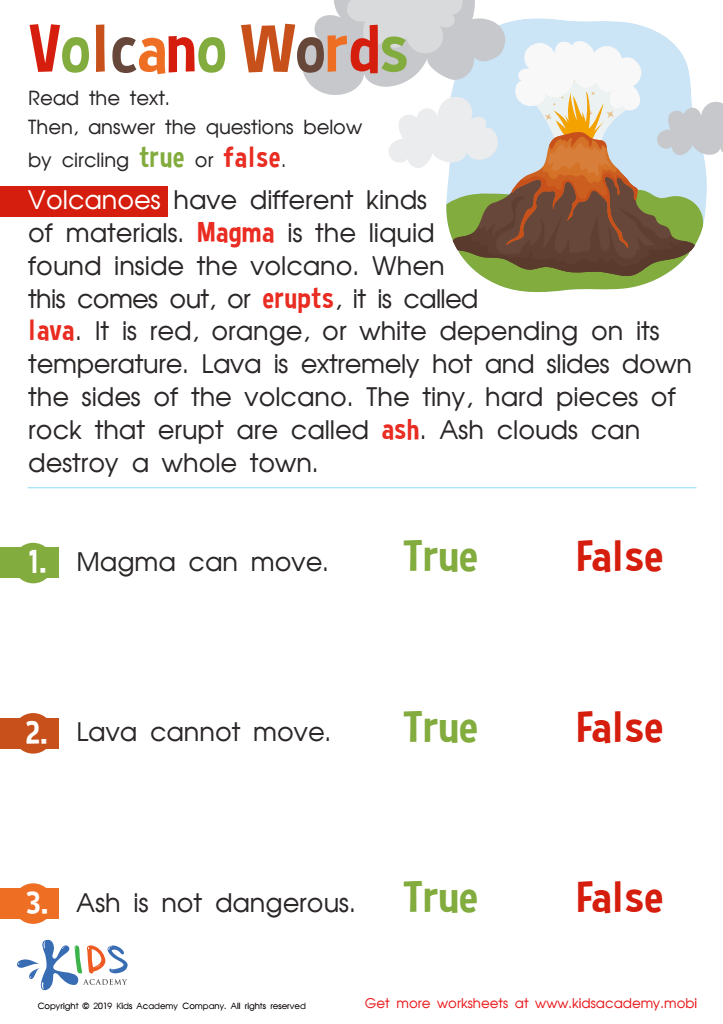
Volcano Words Worksheet
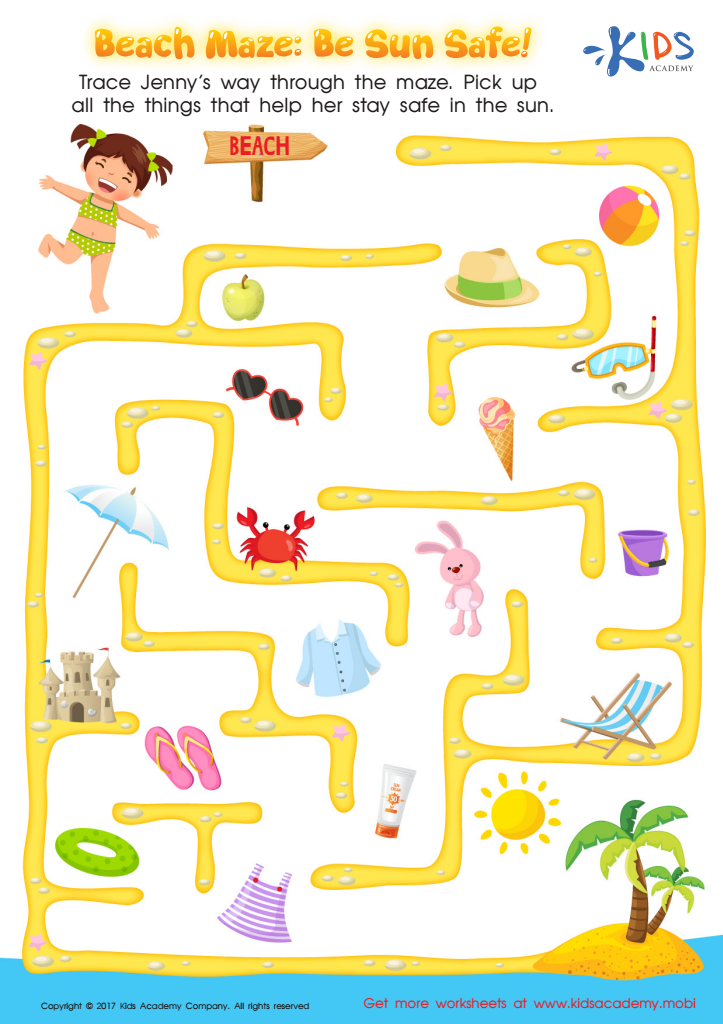
Beach Maze: Sun Safe Worksheet
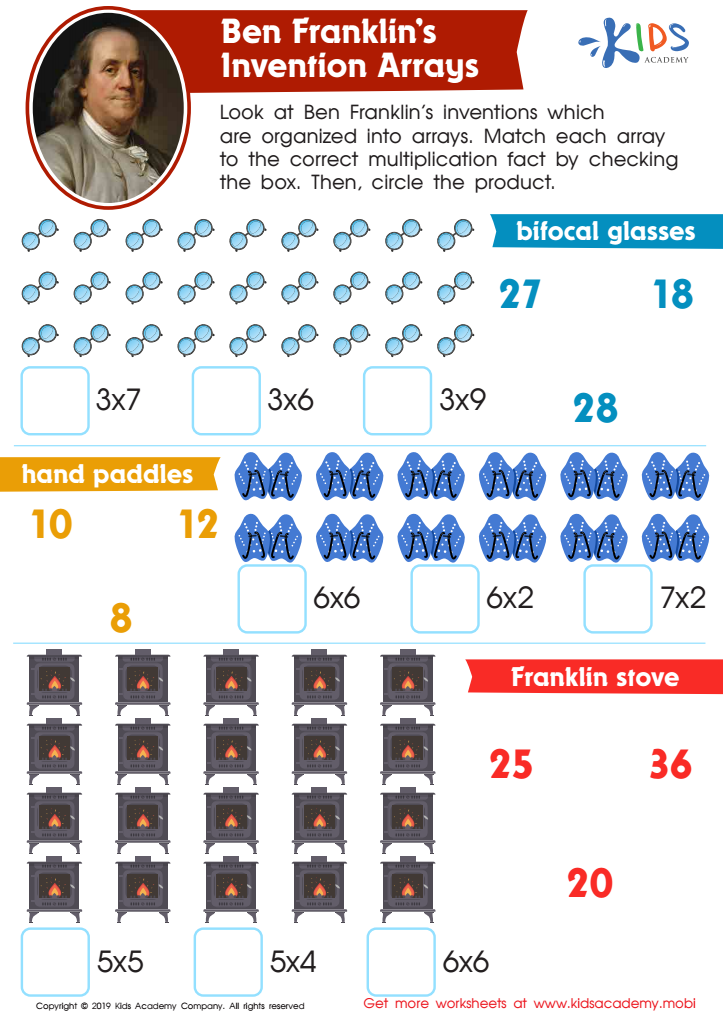
Ben Franklin’s Invention Arrays Worksheet
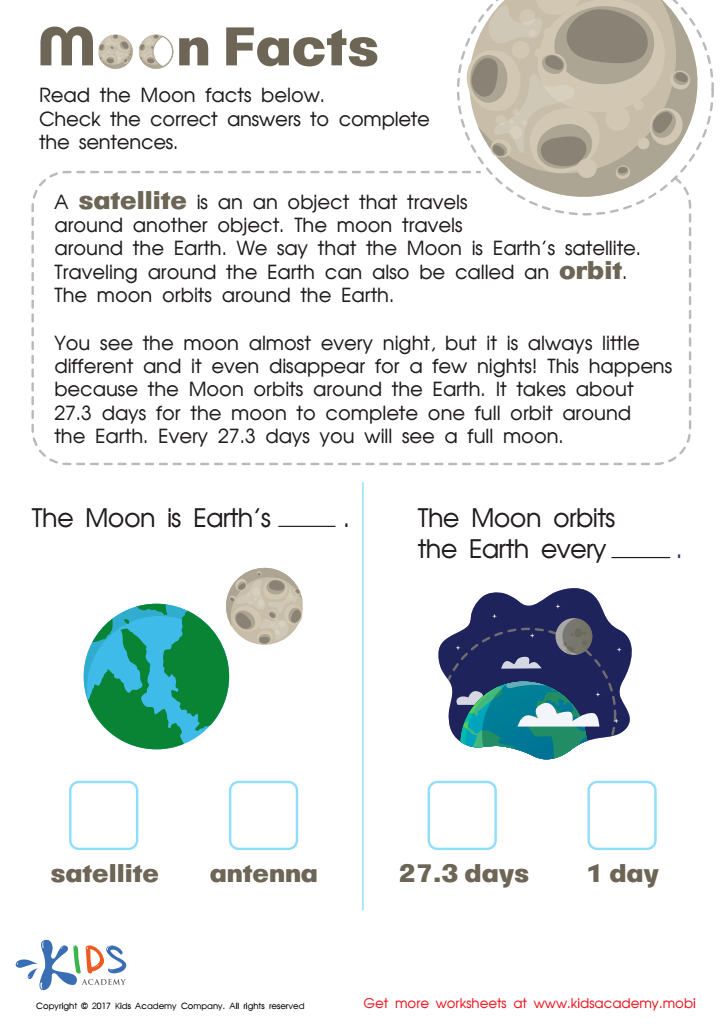
Moon Facts Worksheet





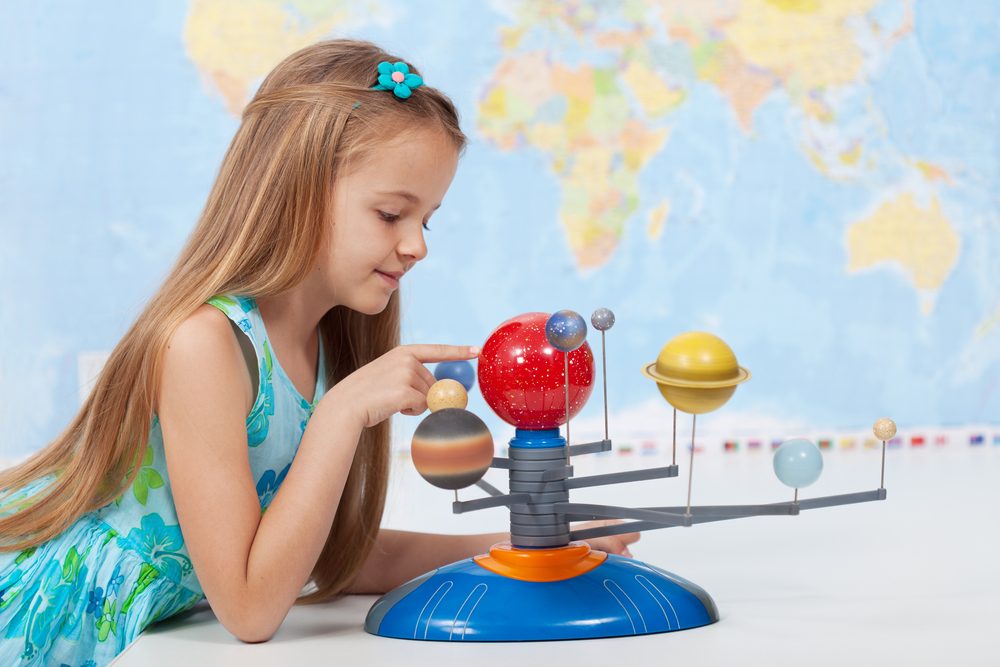


Vocabulary development in the context of Normal Science is crucial for children aged 8-9, a period when they begin to engage more deeply with scientific concepts. At this age, students are transitioning from basic understanding to more complex ideas, and a robust vocabulary enhances their ability to grasp and articulate these concepts.
Understanding scientific vocabulary helps children comprehend instructions, participate in discussions, and convey their findings confidently. It fosters critical thinking and enables students to connect new information to prior knowledge, which solidifies learning and understanding. Additionally, scientific literacy is fundamental in today’s increasingly complex world; early exposure to appropriate terminology prepares students for higher learning and fosters a lifelong interest in science.
Parents and teachers should prioritize vocabulary development as it directly influences reading comprehension and academic success. This stage is pivotal for shaping attitudes toward science, so promoting a rich vocabulary helps dismantle preconceived notions that may hinder engagement with scientific subjects. Effective communication of scientific ideas is essential not only for academic achievement but also for cultivating informed citizens who can analyze and discuss modern scientific challenges. Supporting vocabulary development ultimately empowers children to explore, understand, and appreciate the world of science around them.







