Geography knowledge Normal Our Planet and Environment Worksheets for Ages 8-9
3 filtered results
-
From - To
Discover our engaging "Geography Knowledge: Our Planet and Environment" worksheets, tailored for children ages 8-9. These expertly designed resources help young learners explore fundamental concepts of geography, including earth's landscapes, ecosystems, and environmental awareness. Through fun activities and captivating visuals, students will enhance their understanding of natural features, climate, and the importance of preserving our planet. Ideal for classroom use or home study, these worksheets encourage critical thinking and foster a love for geography. Equip your child with essential knowledge about their world while ensuring their learning experience is enjoyable and interactive. Start exploring with our downloadable worksheets today!
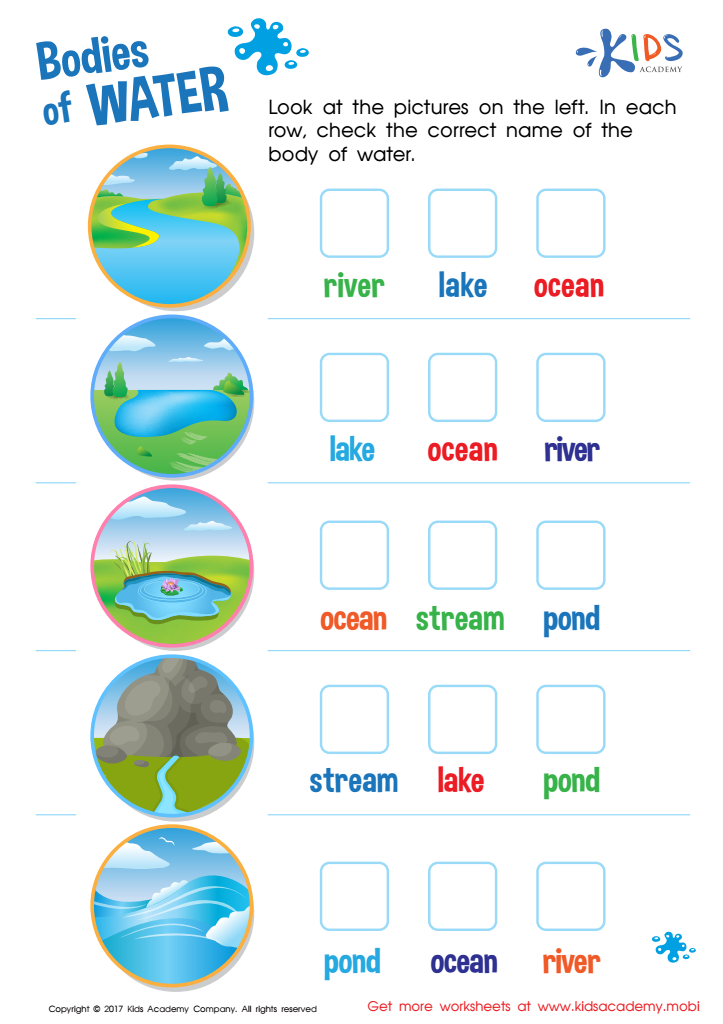
Bodies of Water Worksheet
 Assign to My Students
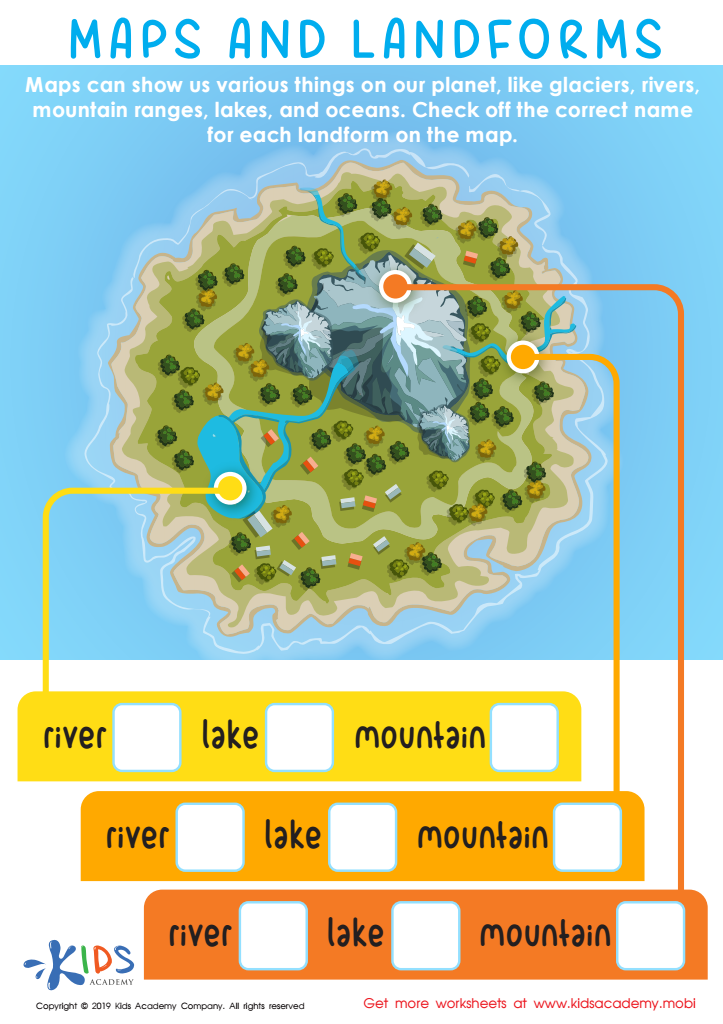
Maps and Landforms Worksheet
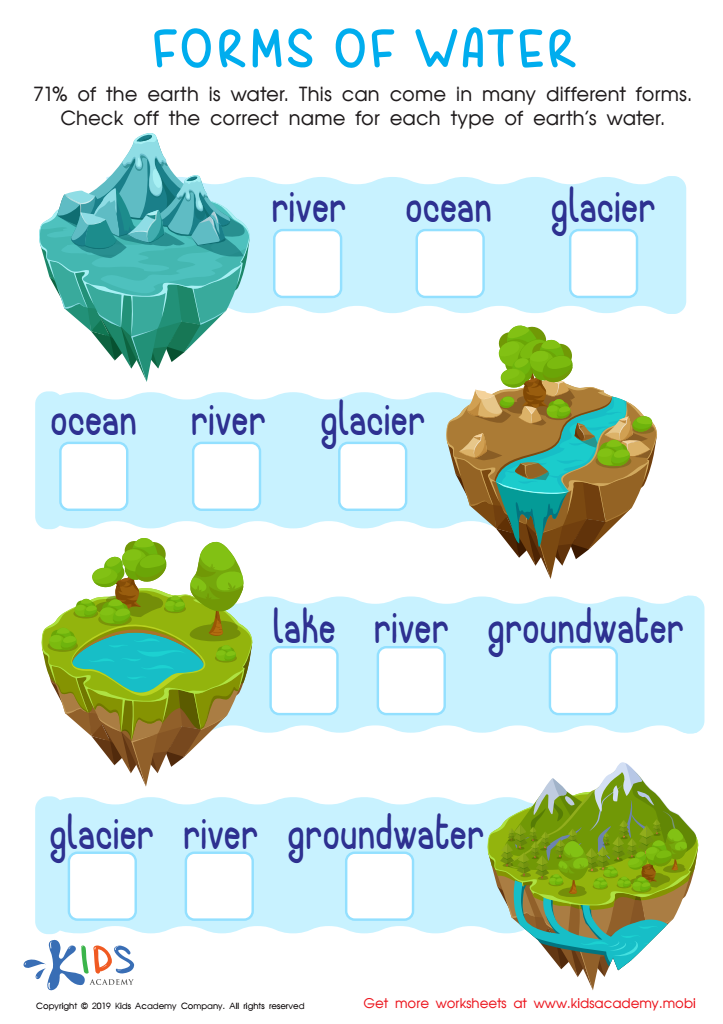
Forms of Water Worksheet





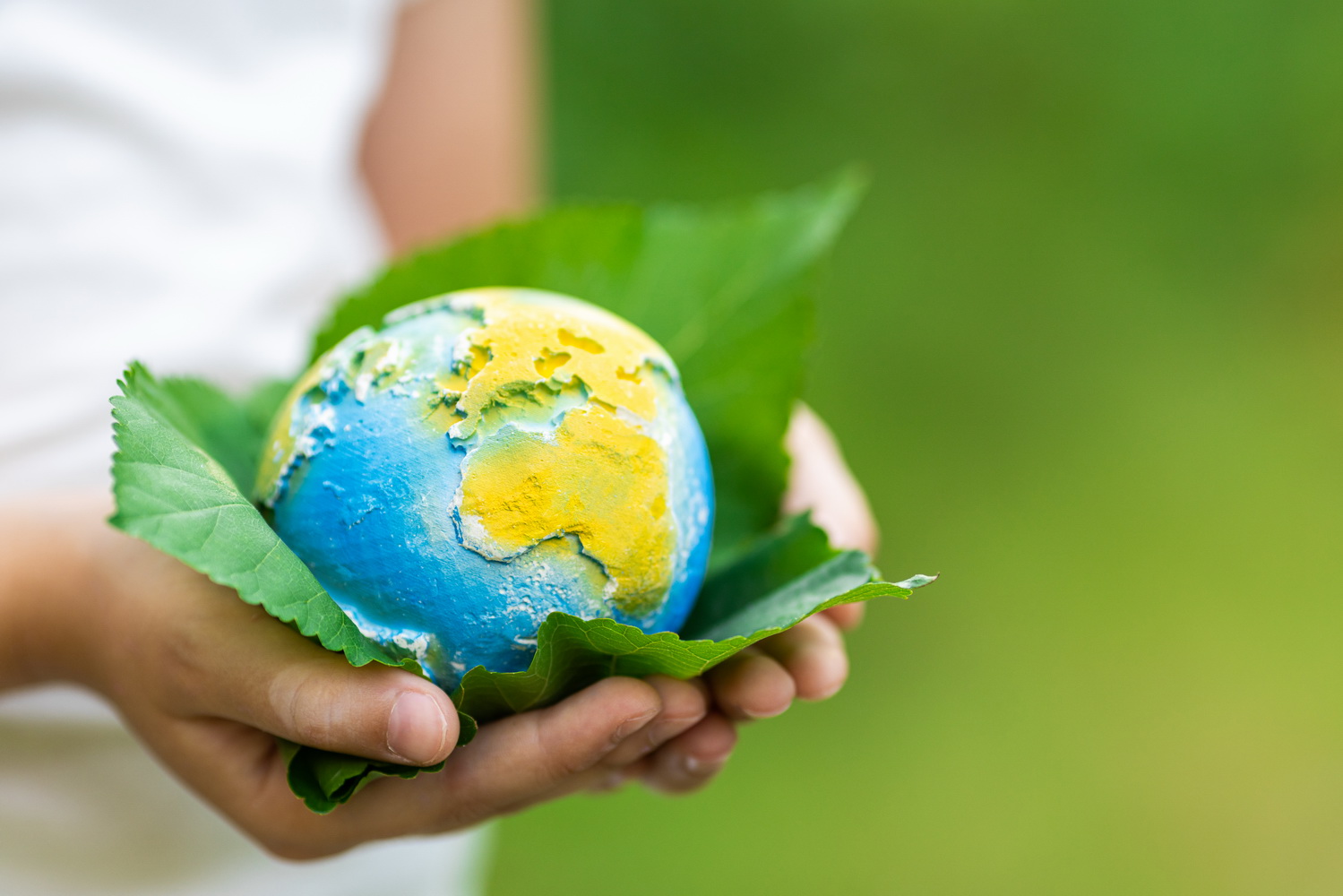
Understanding geography is crucial for children, especially at the formative ages of 8-9, as it lays the foundation for their awareness of the world. Knowledge about our planet and environment enriches students' perspectives, allowing them to appreciate the interconnectedness of culture, ecosystems, and physical geography. It cultivates informed global citizens who are more likely to care about pressing issues such as climate change, sustainability, and cultural diversity.
Parents and teachers should prioritize geography education because it empowers children to make sense of their surroundings and the challenges facing our world. By learning about different environments, resources, and communities, students develop critical thinking and problem-solving skills necessary for navigating complex real-world situations. An understanding of geography fosters empathy and respect for different cultures, promoting inclusivity and tolerance.
Additionally, geography knowledge can spark curiosity and motivate children to explore, question, and engage with their environment. This educational framework not only enhances academic performance across subjects but also supports lifelong learning. Encouraging this knowledge at a young age helps prepare children to become proactive stewards of the planet, advocating for environmental protection and global understanding as they grow. Thus, nurturing geography knowledge is vital for both personal and communal growth.







