Phonics Skills Normal Elementary Phonics Worksheets for 8-Year-Olds
4 filtered results
-
From - To
Enhance your 8-year-old's reading journey with our engaging Phonics Skills worksheets, designed specifically for elementary learners. These worksheets focus on foundational phonics skills, helping young readers connect letters and sounds while building their vocabulary. With interactive exercises, children practice letter recognition, decoding words, and mastering essential phonemic awareness. Our materials are tailored to meet the developmental needs of 8-year-olds, making learning both fun and effective. Suitable for classrooms or home use, these worksheets encourage independent learning, boost confidence, and set the stage for reading fluency. Empower your child’s literacy with our thoughtfully crafted phonics resources today!
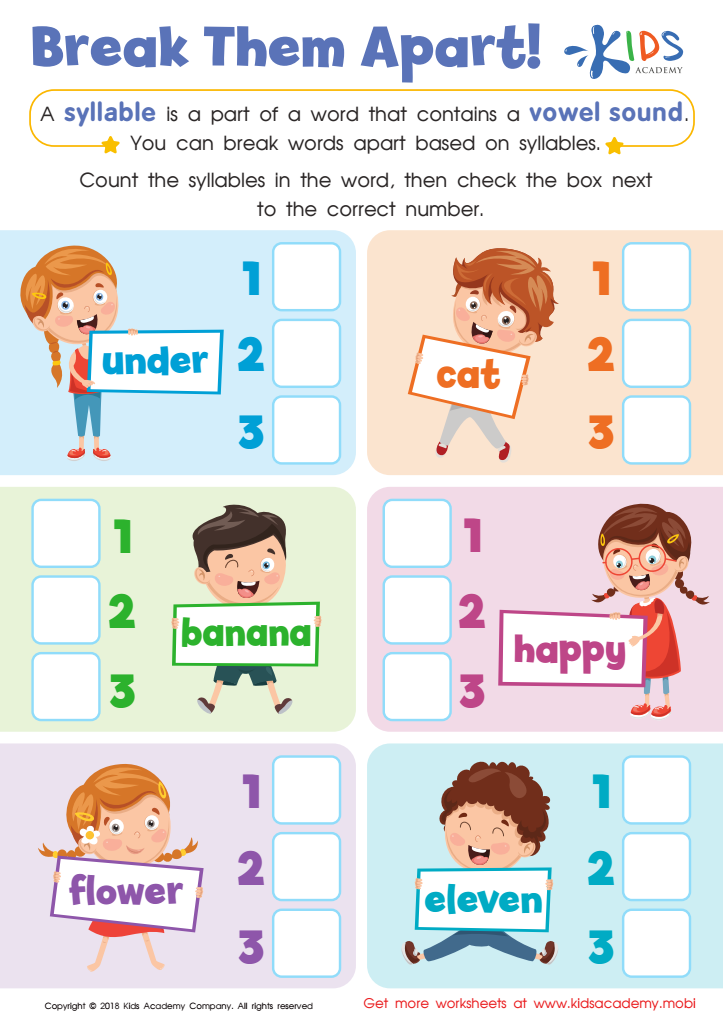
Reading: Break Them Apart Worksheet
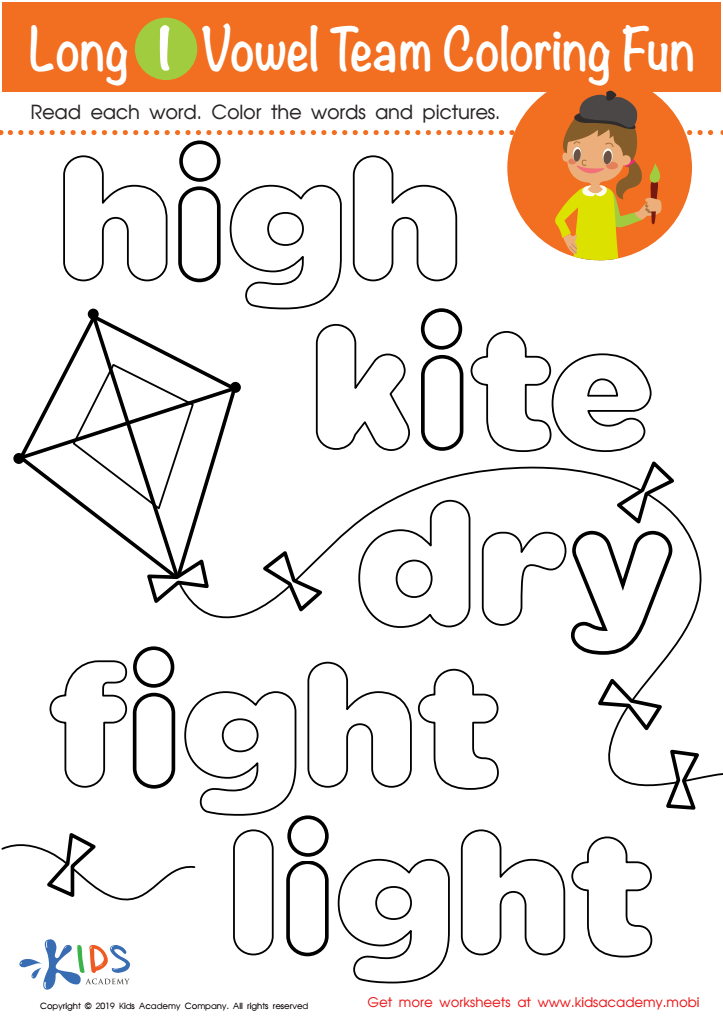
Long I Vowel Team Coloring Worksheet
 Assign to My Students

Long and Short E Worksheet
Assign to My Students
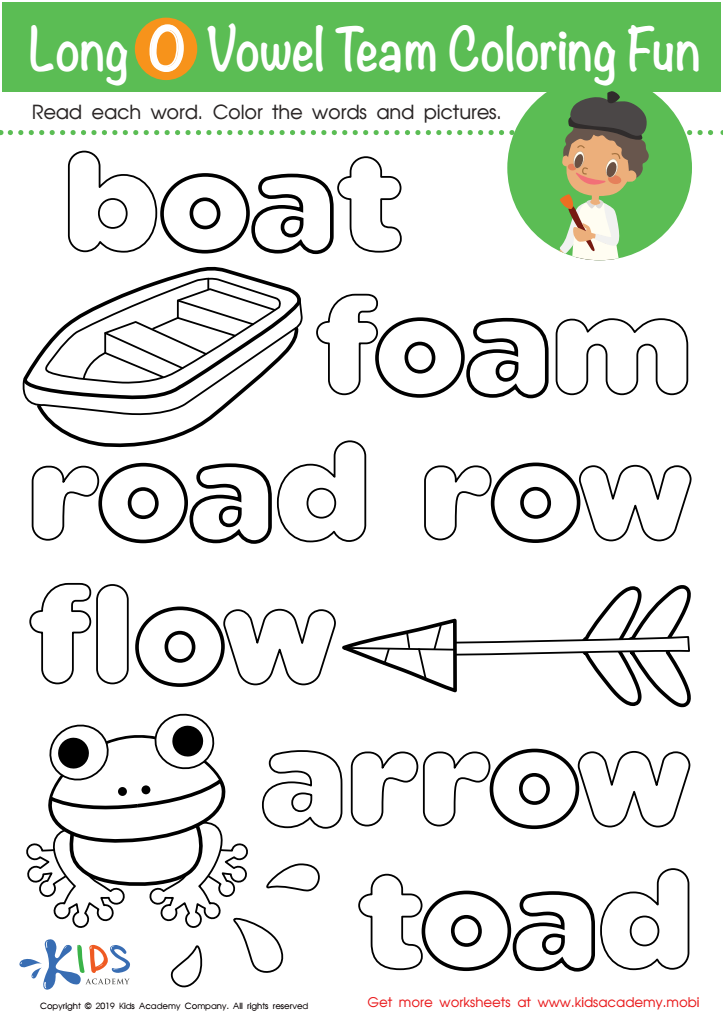
Long O Vowel Team Coloring Worksheet
Assign to My Students




Phonics skills are crucial for 8-year-olds as they form the foundational building blocks for reading and writing. At this age, children are transitioning from learning to read to reading to learn. A strong understanding of phonics enables them to decode words accurately and fluently, which is essential for their overall literacy development. Parents and teachers who prioritize phonics instruction can help students recognize patterns in language, improve their vocabulary, and apply skills independently.
Furthermore, phonics skills bolster comprehension. When students can decode words effortlessly, they can focus on understanding the content rather than struggling with individual sounds or spellings. This confidence in reading encourages a love for literature, fostering lifelong learning habits.
Additionally, strong phonics skills can prevent future reading difficulties. Early intervention can bridge gaps before they become more significant challenges. Supporting phonics in the classroom and at home empowers children and enhances their academic engagement. Therefore, investing time and resources into strong phonics instruction is fundamental, ensuring children not only succeed in reading but also thrive in all learning areas, equipping them for their future educational journeys.






