Phonics recognition Normal Alphabet Worksheets for 8-Year-Olds
4 filtered results
-
From - To
Unlock the power of reading with our Phonics Recognition Normal Alphabet Worksheets for 8-Year-Olds! Designed to make learning fun and engaging, these worksheets help children reinforce their understanding of phonics and improve their reading skills. Each activity focuses on recognizing letters and sounds, enabling young learners to build a strong foundation in reading. Our engaging, age-appropriate designs motivate students to practice essential skills in an enjoyable way. Perfect for teachers and parents, these printable resources encourage independent learning and provide instant feedback on progress. Enhance your child's phonics recognition today and watch their confidence soar as they master the alphabet!
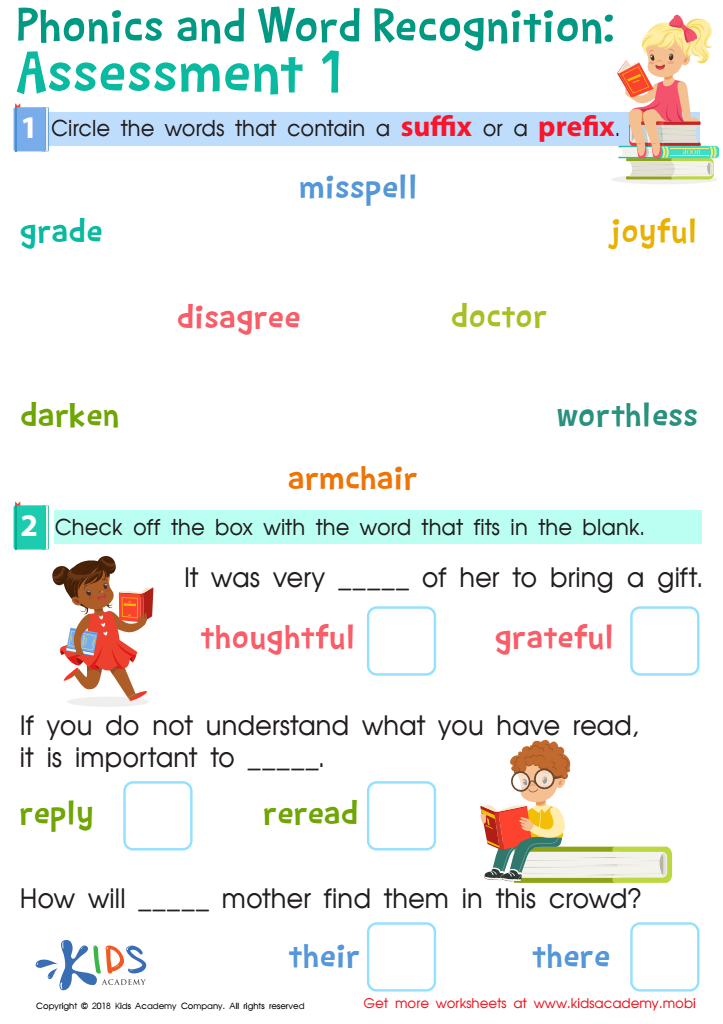
Phonics and Word Recognition: Assessment 1 Worksheet
 Assign to My Students
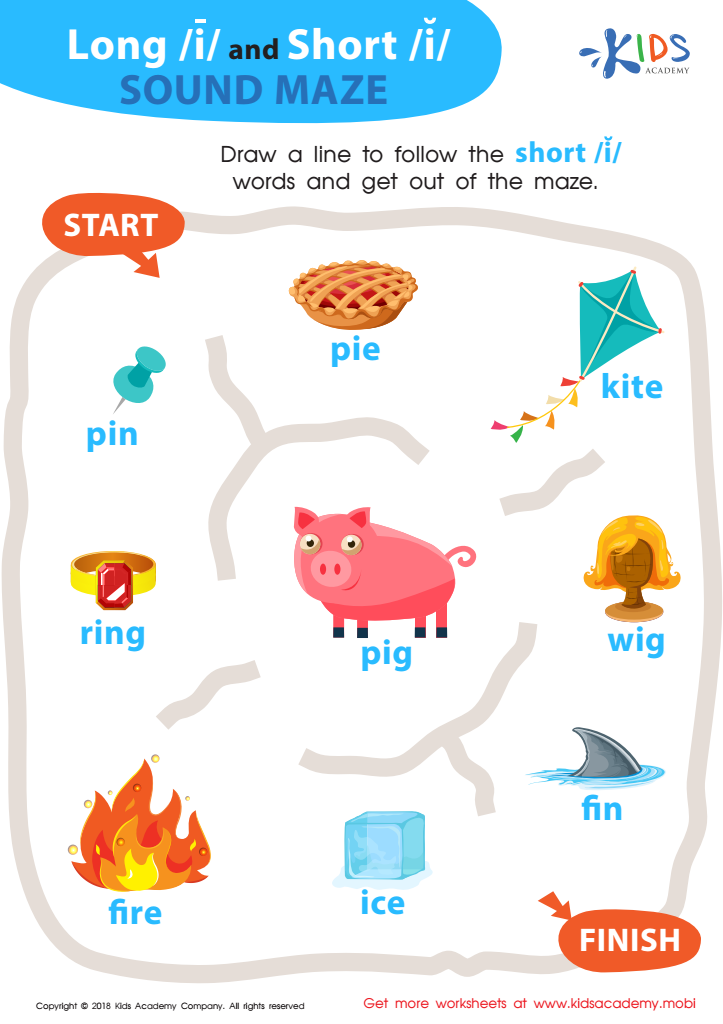
Reading: Long I and Short I Sound Maze Worksheet
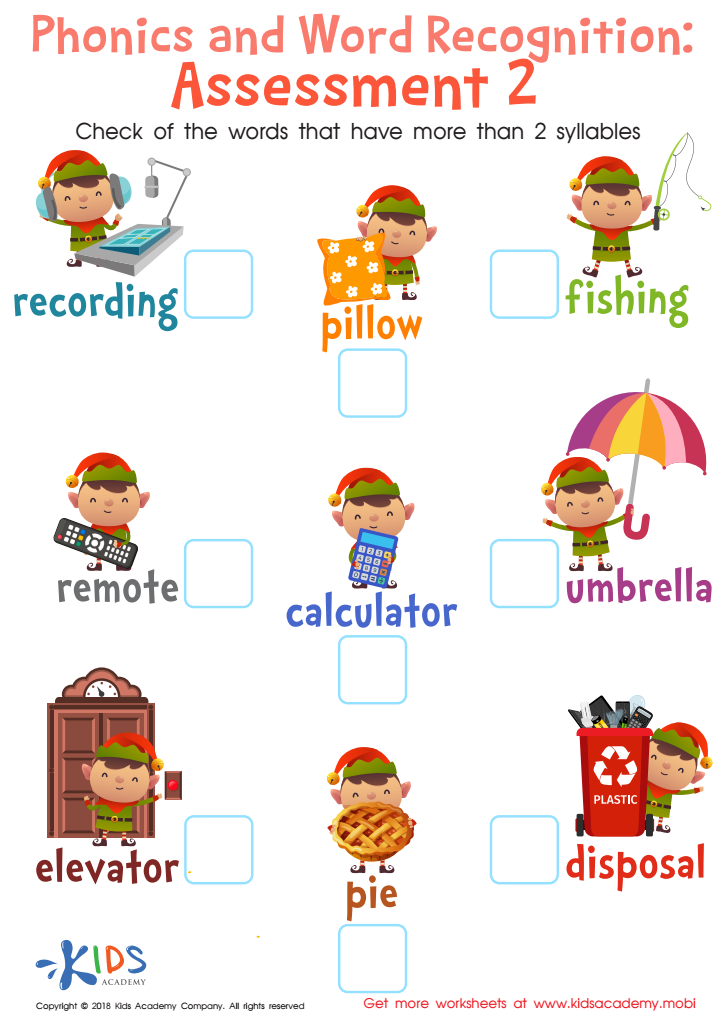
Phonics and Word Recognition: Assessment 2 Worksheet
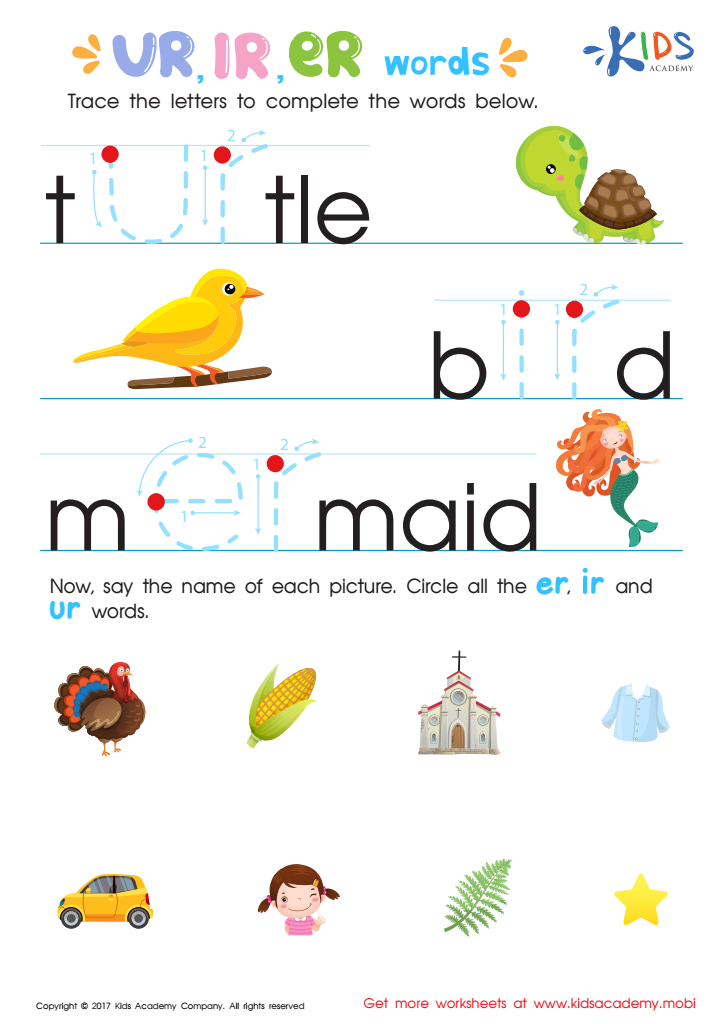
IR UR ER Words Worksheet







Phonics recognition of the normal alphabet plays a crucial role in the literacy development of 8-year-olds. At this age, children are transitioning from learning to read to reading to learn, making phonics skills essential for their academic success. Phonics not only assists children in decoding words but also builds their vocabulary and comprehension abilities. Mastering phonics allows students to tackle increasingly complex texts, fostering a love for reading and lifelong learning.
Moreover, phonics recognition aids in spelling and writing skills, enabling children to express themselves more clearly and creatively. When parents and teachers emphasize phonics, they support diverse learners by accommodating different paces and styles of learning, which can enhance a child's confidence and motivation.
Additionally, strong phonics skills are linked to long-term educational outcomes, including better performance in standardized tests and overall literacy rates. By prioritizing phonics recognition, parents and teachers equip children with the foundational skills necessary to thrive in future learning environments. Supporting children in this critical stage not only impacts their reading abilities but also helps cultivate a passion for learning that can last a lifetime. Ultimately, phonics recognition is a vital stepping stone in a child’s educational journey.







