Reading comprehension Normal Letter Recognition Worksheets for 8-Year-Olds
4 filtered results
-
From - To
Enhance your child's reading skills with our Reading Comprehension Normal Letter Recognition Worksheets designed specifically for 8-year-olds. These engaging and educational resources help young learners improve their letter recognition while fostering essential reading comprehension abilities. Each worksheet features age-appropriate exercises that combine fun activities with critical thinking, ensuring that children develop both recognition and understanding. Ideal for home or classroom use, these worksheets promote interactive learning and boost confidence in young readers. Explore our collection today to give your child the tools they need to succeed in reading comprehension and more! Perfect for parents and educators alike!
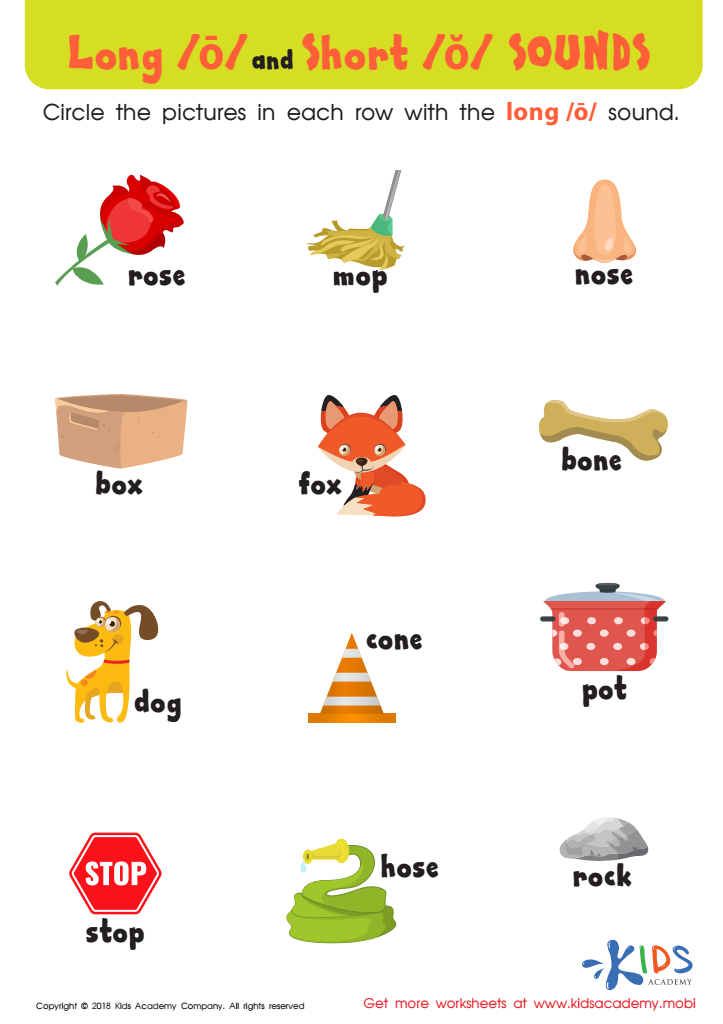
Reading: Long O and Short O Sounds Worksheet
 Assign to My Students
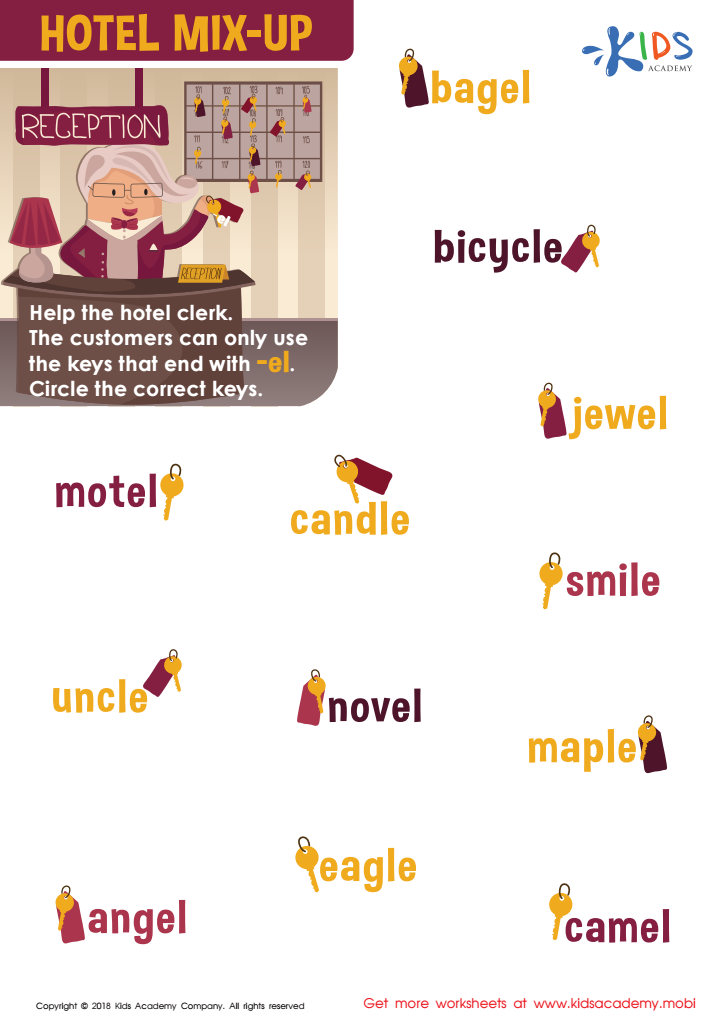
Hotel Mix-up Worksheet
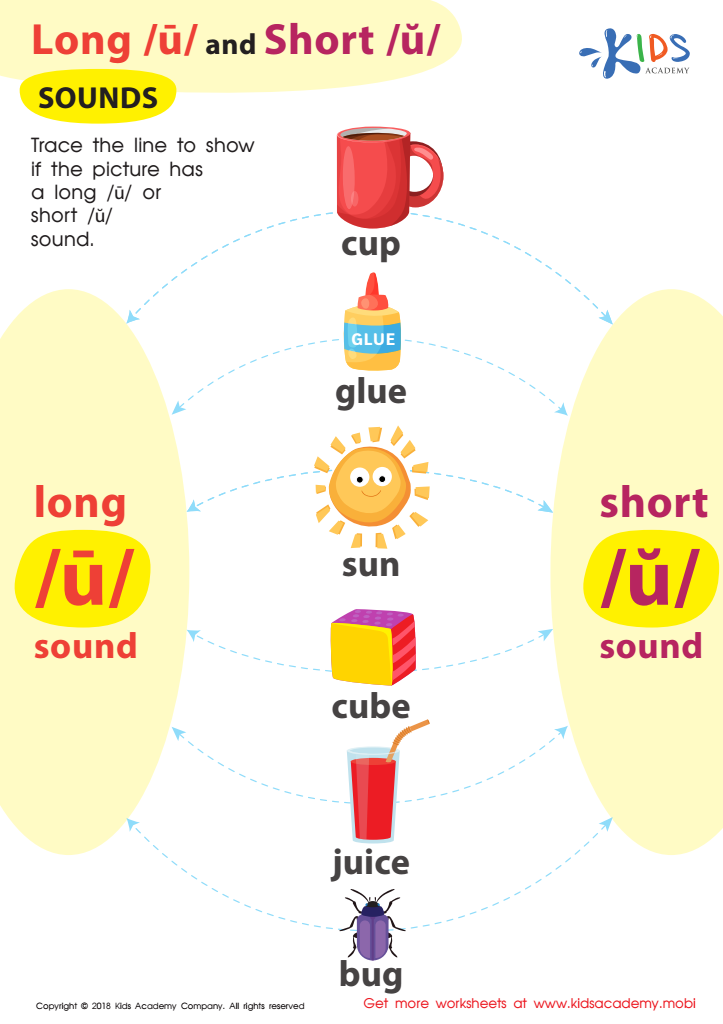
Reading: Long U and Short U Sounds Worksheet
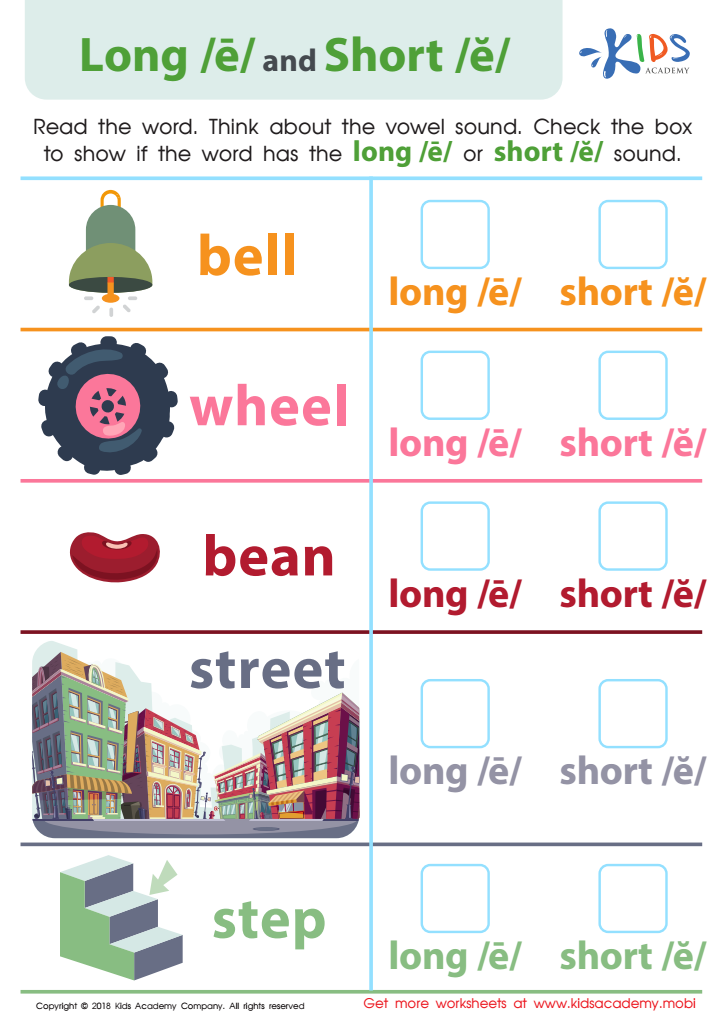
Reading: Long E and Short E Worksheet








Reading comprehension and letter recognition are foundational skills that significantly impact an 8-year-old's overall academic success. At this age, children are transitioning from learning to read to reading to learn. Mastery of letter recognition allows them to decode words, which is essential for understanding texts. If children struggle with recognizing letters, it may hinder their ability to access more complex reading materials, making it difficult for them to grasp key concepts across subjects.
Moreover, reading comprehension involves not just decoding but also understanding context, grasping main ideas, and making inferences. Strong comprehension skills foster critical thinking, creativity, and the ability to make connections between texts and real-life situations. For parents and teachers, supporting and enhancing these skills can inspire a love for reading, which is vital for lifelong learning.
By emphasizing reading comprehension and letter recognition, educators and caregivers can identify early challenges and provide targeted support, ensuring that children build a solid foundation for future literacy skills. This proactive approach cultivates confident readers who are better prepared for academic challenges, helping close achievement gaps and promoting educational equity. Ultimately, nurturing these skills is essential for empowering children to succeed in school and beyond.








