Sound recognition Normal Phonics Worksheets for 8-Year-Olds
4 filtered results
-
From - To
Enhance your child's phonics skills with our engaging Sound Recognition Normal Phonics Worksheets designed specifically for 8-year-olds. These worksheets provide a fun and interactive way for children to develop their understanding of sounds associated with letters and words. Featuring colorful illustrations and stimulating activities, they encourage kids to identify phonetic sounds through matching, sorting, and writing exercises. Our resources help reinforce sound recognition and improve reading fluency, setting a strong foundation for literacy. Perfect for classroom or home use, these worksheets are an excellent tool for boosting confidence and fostering a love for reading. Explore our comprehensive collection today!
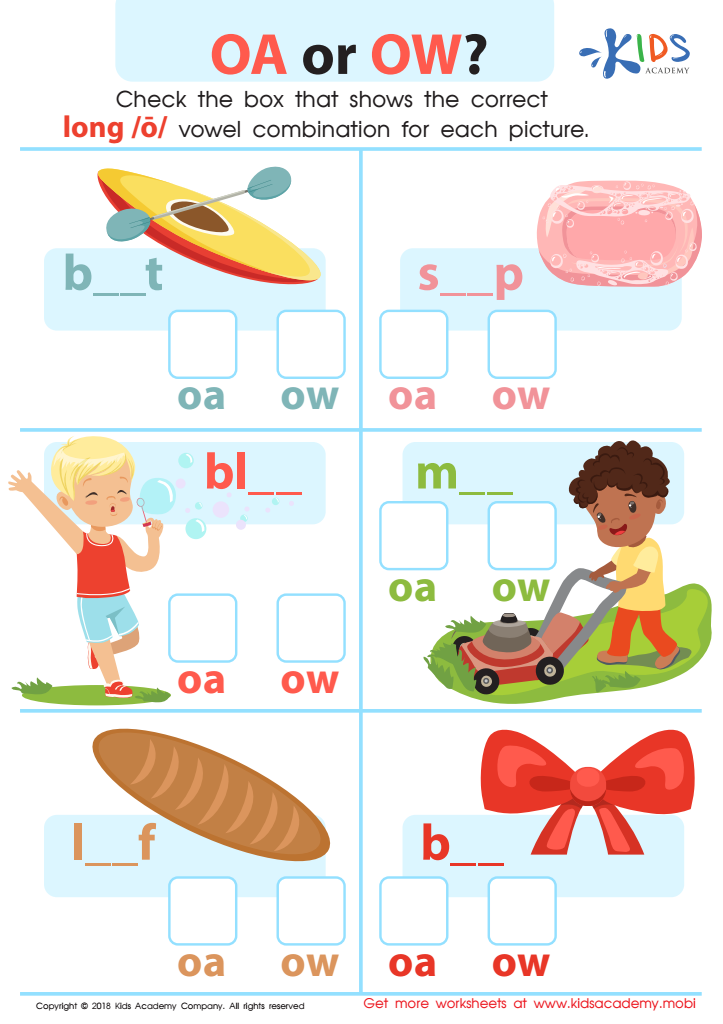
Reading: OA or OW Worksheet
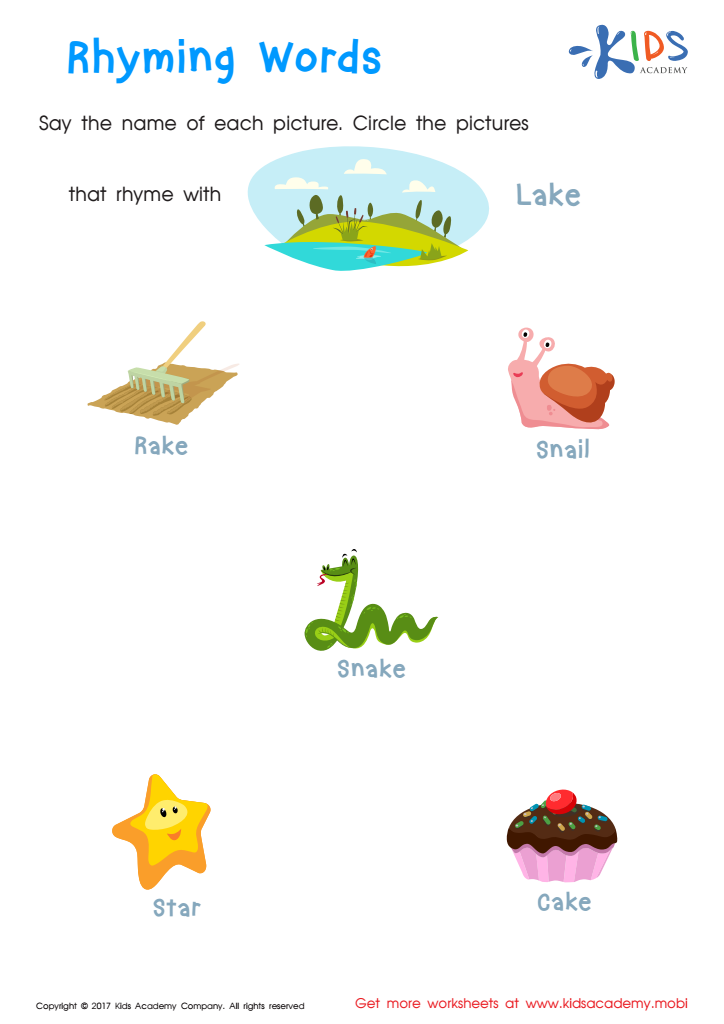
Rhyming Words Rhyming Worksheet

Long and Short U Worksheet
 Assign to My Students
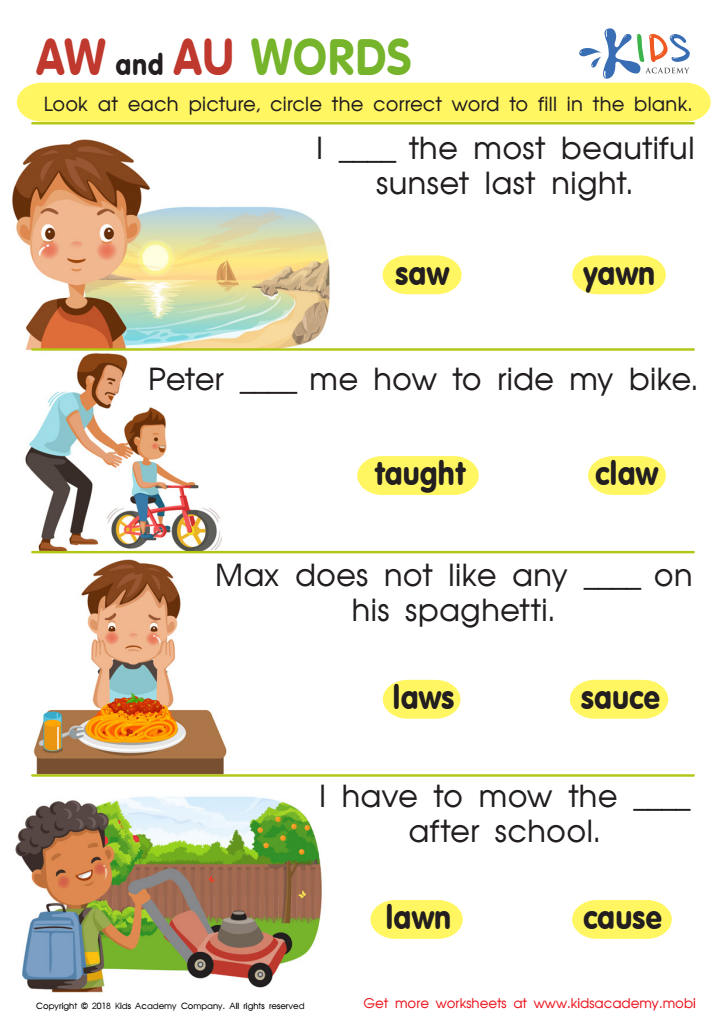
Reading: AW and AU Words Worksheet








Sound recognition and phonics are crucial for 8-year-olds as they lay the foundation for literacy development, which is essential throughout a child’s educational journey. At this age, children are transitioning from learning to read to reading to learn. Core phonics skills help them decode words, enhancing their reading fluency and comprehension, which is vital for understanding more complex texts.
Moreover, strong phonics skills contribute to improved spelling and writing abilities, empowering children to express themselves effectively. Parents and teachers who prioritize phonics teaching foster a love of reading, cultivate critical thinking, and develop the ability to analyze information, skills essential in today's information-rich society.
Additionally, children who struggle with sound recognition may experience difficulties in academic achievement and low self-esteem as they face challenges in literacy. By recognizing the importance of phonics, educators and parents can provide the necessary support, interventions, and encouragement to ensure every child succeeds.
Ultimately, sound recognition and phonics play a significant role in shaping a child’s confidence and independence in learning, enabling them to thrive academically and socially as they advance in their education. Thus, fostering these skills should be a vital priority for both parents and educators.







