Handwriting practice Normal Tracing Letters Worksheets for 8-Year-Olds
6 filtered results
-
From - To
Enhance your child's handwriting skills with our Handwriting Practice Normal Tracing Letters Worksheets designed specifically for 8-year-olds! These engaging worksheets provide a fun and effective way for children to practice letter formation, improving their fine motor skills and writing confidence. Each worksheet offers clear tracing paths and includes both uppercase and lowercase letters, ensuring comprehensive practice. Perfect for home or classroom use, our worksheets are tailored to support children's learning development while making handwriting enjoyable. Download today and watch as your child transforms their writing ability, paving the way for clearer communication in the future!
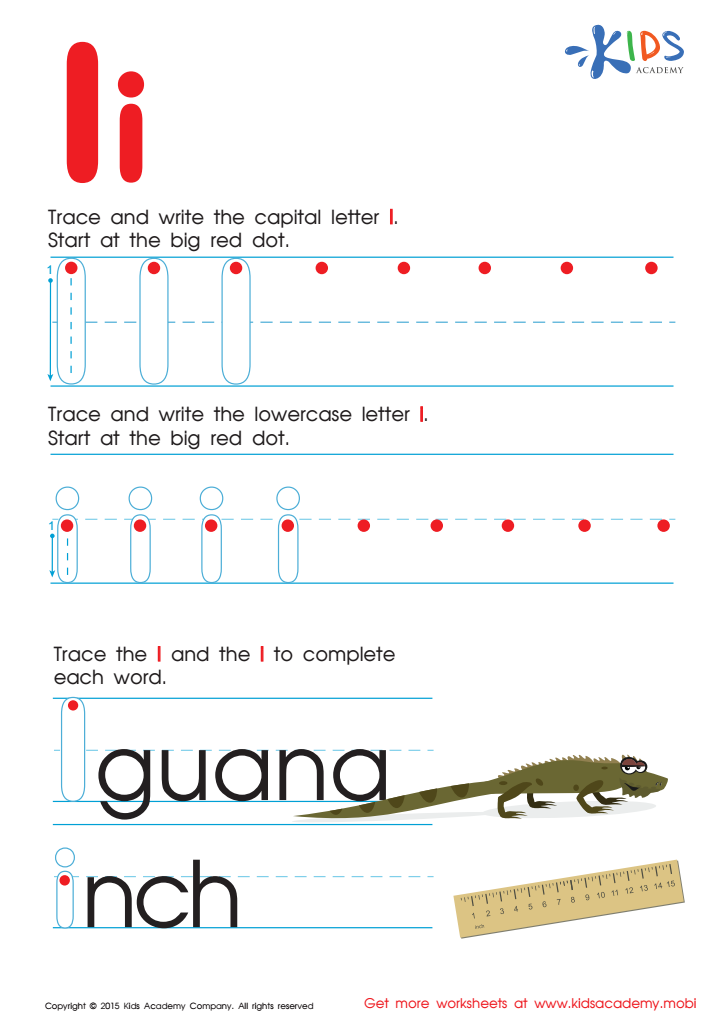
Letter I Tracing Page
 Assign to My Students

Letter C Tracing Page
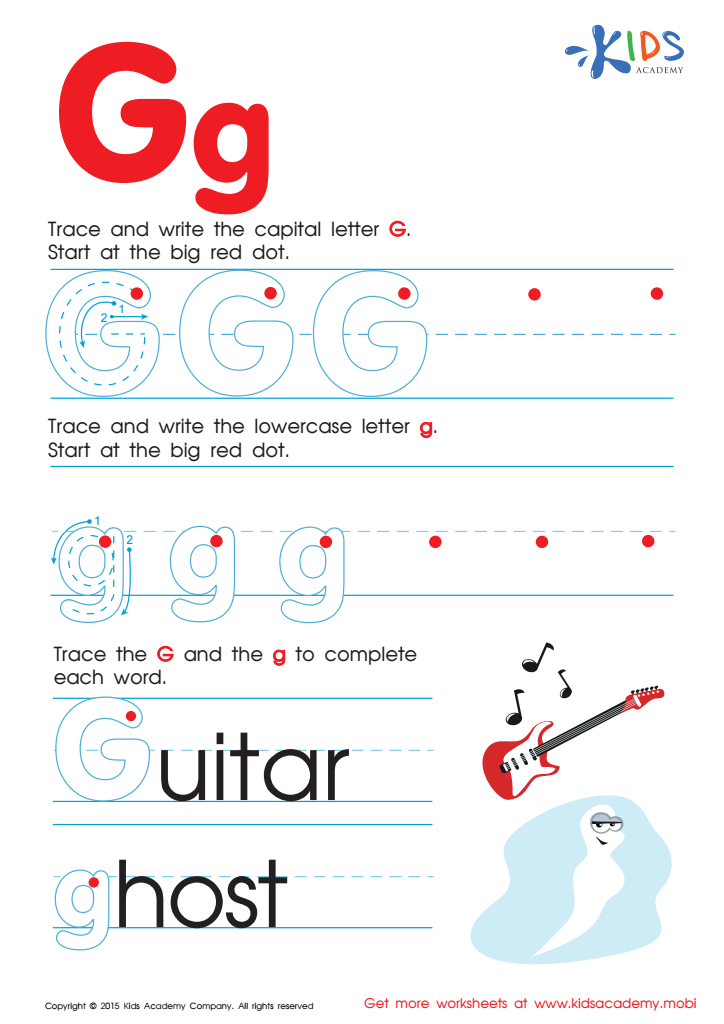
Letter G Tracing Page
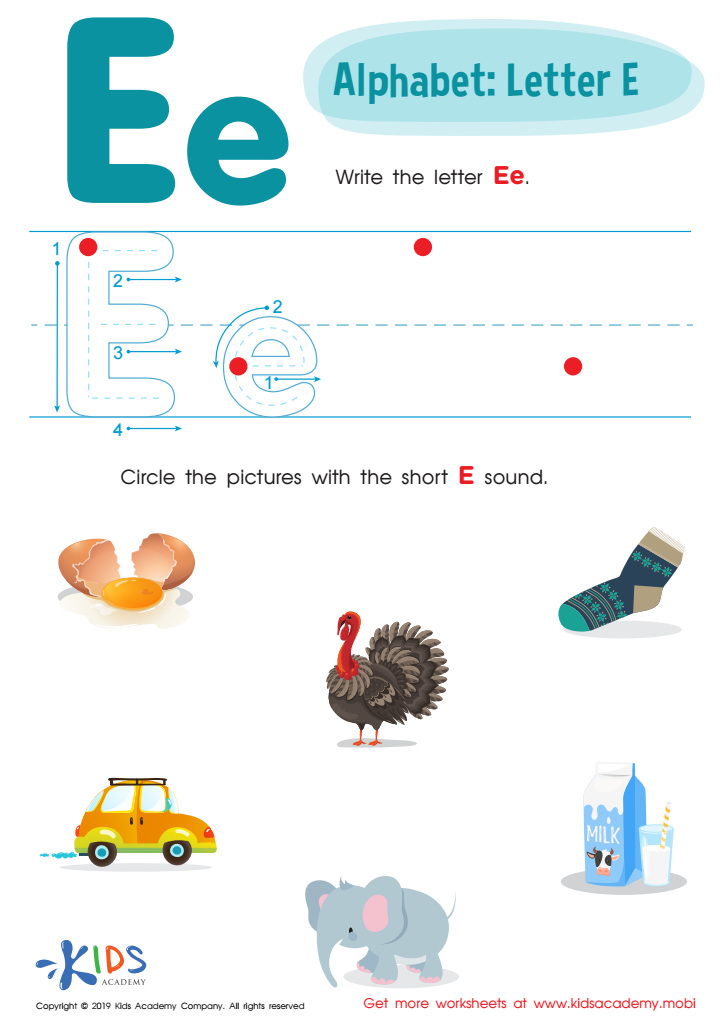
Letter E Tracing Worksheet
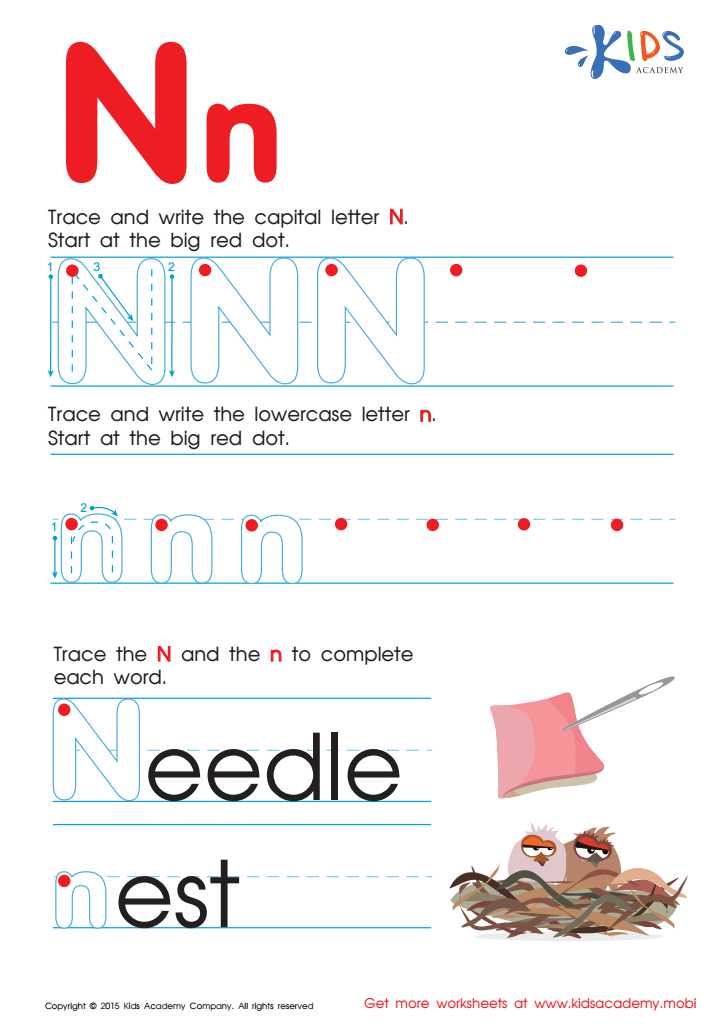
Letter N Tracing Page
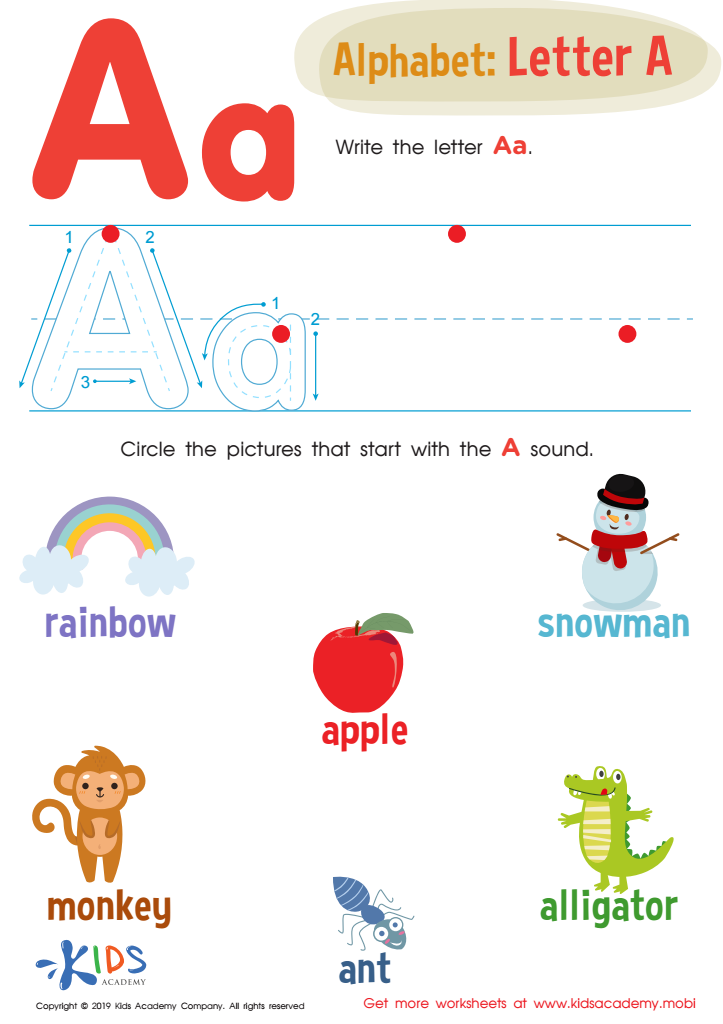
Letter A Tracing Worksheet








Handwriting practice, particularly normal tracing of letters, holds significant importance for 8-year-olds as it aids in developing fine motor skills, cognitive growth, and self-esteem. At this age, children are refining their ability to write clearly and legibly, which is essential for academic success. Practicing handwriting through tracing supports muscle memory, allowing children to form letters with greater precision and ease.
Moreover, tracing letters has been shown to enhance visual perception and coordination—a crucial aspect of overall learning development. As children trace, they not only learn the physical shape of letters but also internalize their sequence and structure, paving the way for improved spelling and composition skills.
Lastly, mastering handwriting can boost a child’s confidence. When they see tangible progress—such as neater writing or faster completion of assignments—they often feel a sense of achievement. This, in turn, can affect their classroom participation and willingness to engage with academic tasks.
In summary, introducing normal tracing letters as part of handwriting practice is a small yet impactful strategy that supports children's literacy, promotes positive learning habits, and lays a foundation for future educational endeavors. Parents and teachers alike should prioritize this essential skill in young learners.








