Associative learning Normal Worksheets for 8-Year-Olds
3 filtered results
-
From - To
Discover our engaging Associative Learning Normal Worksheets designed specifically for 8-year-olds! These worksheets aim to enhance cognitive skills by helping children make connections between ideas, objects, and events. Through fun activities, your child will practice identifying patterns, drawing relationships, and improving critical thinking. Our materials are tailored to make learning enjoyable, ensuring that young learners grasp important concepts effectively. These resources can be easily printed for convenient use at home or in the classroom, allowing children to develop essential skills at their own pace. Boost your child’s learning with our interactive and educational worksheets today!
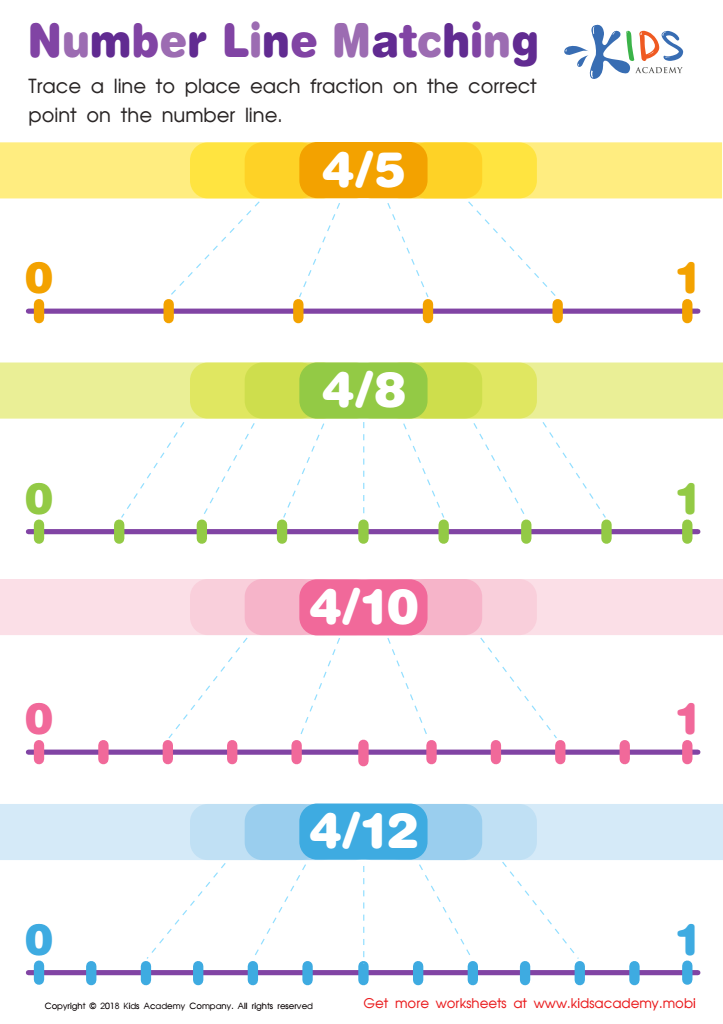
Number Line Matching Worksheet
 Assign to My Students
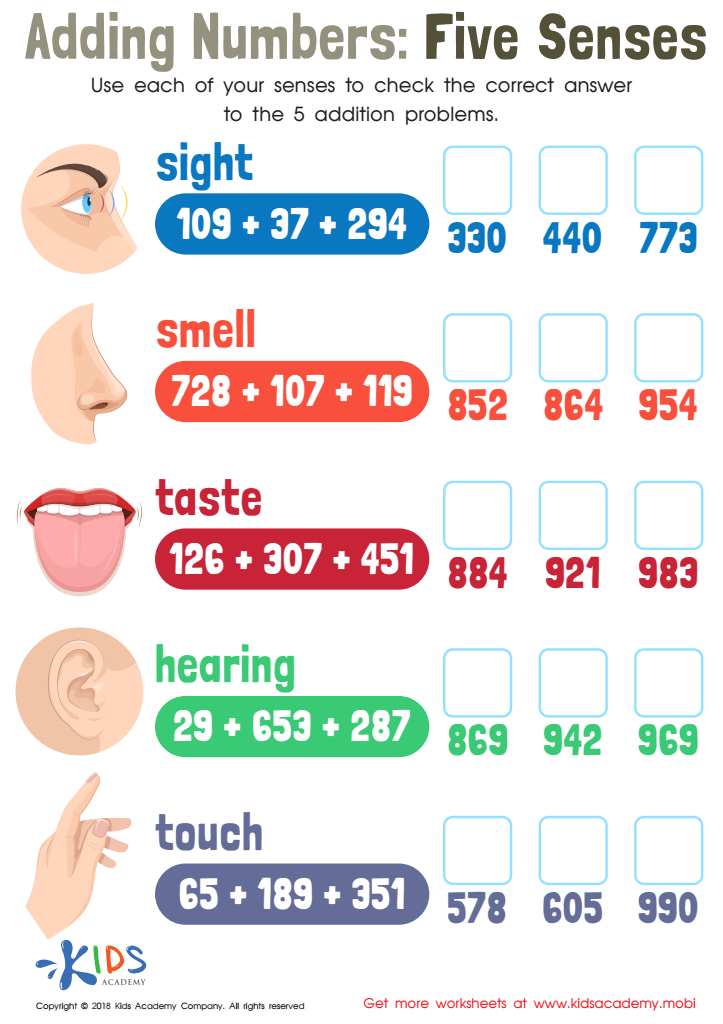
Adding Numbers: Five Senses Worksheet
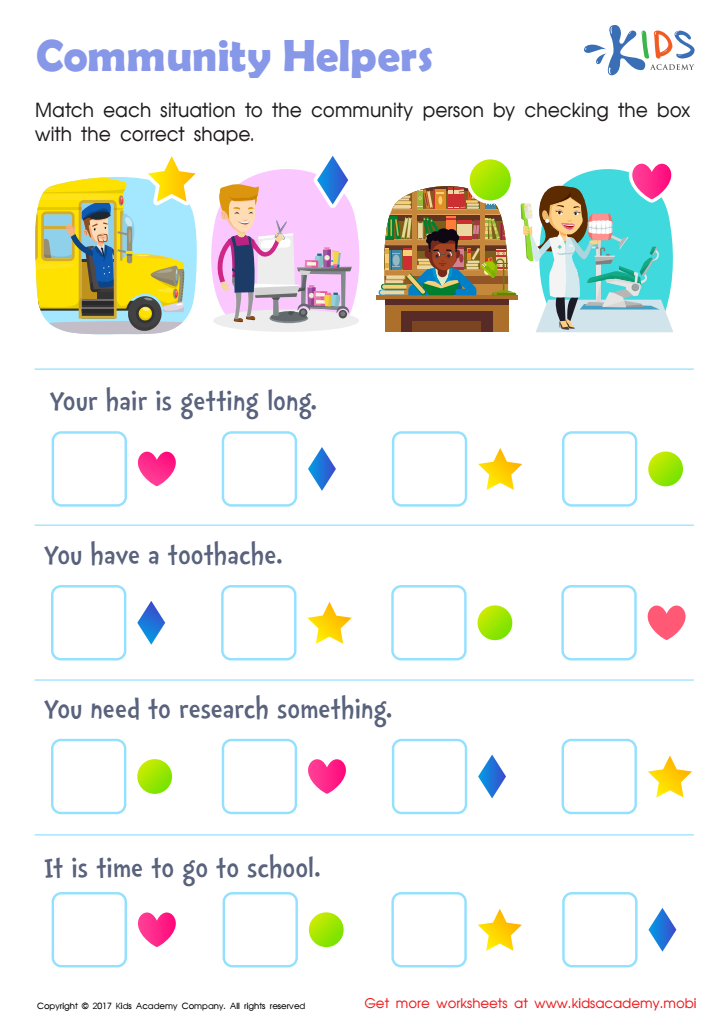








Associative learning is fundamental for the cognitive development of 8-year-olds, making it crucial for parents and teachers to understand and support this process. At this age, children are highly capable of forming connections between different concepts and experiences, which enhances their learning abilities. For instance, they can link new vocabulary words to images, sounds, or personal experiences, allowing for deeper understanding and retention.
Supporting associative learning helps children build critical thinking skills and problem-solving abilities. When educators and parents encourage learners to find relationships between ideas—such as linking fractions to real-life scenarios like sharing pizza—they foster a more engaging and meaningful educational experience.
Furthermore, associative learning is integral to social interaction. By recognizing patterns in their interactions, children develop empathy and improved communication skills, aiding in their social development. Encouraging group activities and discussions reinforces these connections, ensuring they feel comfortable engaging and collaborating with peers.
Ultimately, when parents and teachers prioritize associative learning, they equip children with essential tools for lifelong learning, adaptability, and emotional intelligence. Understanding how to enhance this learning process is vital in creating a well-rounded educational experience and promoting a love for learning in children.








